How to Repair Bike Brake Caliper: A Complete Step-by-Step Guide
learning how to repair bike brake caliper issues can save money and keep your bicycle safe for daily rides. Many brake problems come from simple causes like dirt buildup, loose bolts, worn pads, or poor alignment.
From years of basic bike maintenance work, one lesson stands out: never ignore small brake changes. A slight rubbing sound or weak brake feel can become a bigger safety problem if you keep riding without checking the caliper.

Understanding Bike Brake Calipers and Common Problems
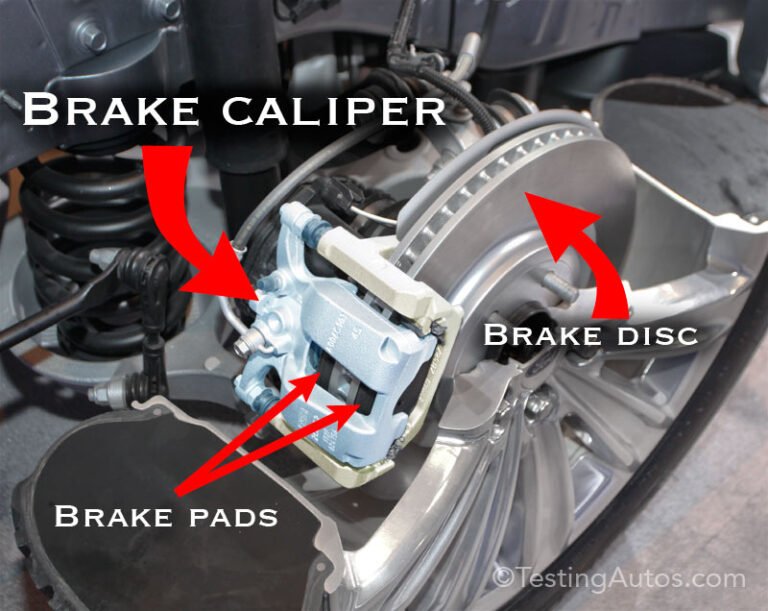
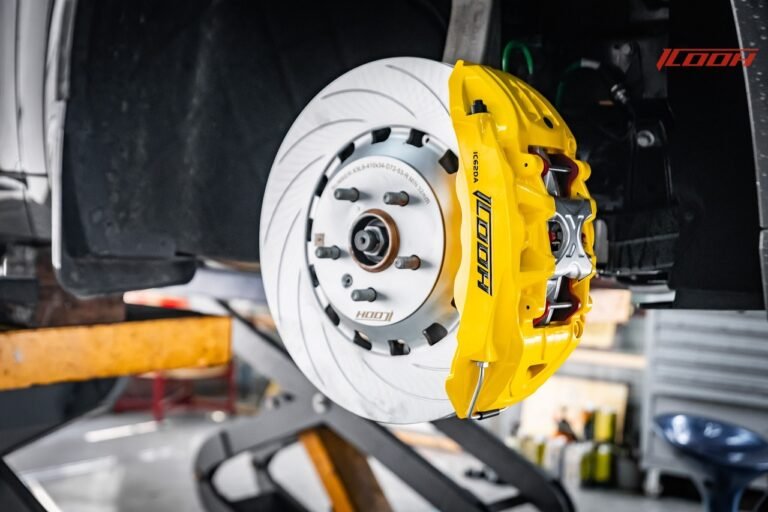
A brake caliper is the part that holds and moves the brake pads. When you squeeze the brake lever, the caliper pushes the pads against the rim or rotor to slow the bike.
Before learning how to repair bike brake caliper problems, identify the brake type on your bicycle. Road bikes often use rim calipers, while mountain bikes and many modern bikes use disc brake calipers.
Common signs of a damaged caliper include weak braking, uneven pad contact, rubbing sounds, stuck movement, and brake vibration.

- ✦ Sticking caliper
A caliper may stick because of dirt, rust, dry moving parts, or a damaged spring.
- ✦ Poor alignment
A misaligned caliper can cause uneven wear and reduce braking performance.
- ✦ Worn brake pads
Old pads reduce stopping power and may damage the braking surface.
Why Brake Caliper Maintenance Matters
A well-maintained brake caliper gives smooth and predictable braking. This matters during city riding, steep roads, and emergency stops.
Regular checks also help you find problems before they damage other parts, such as rotors, rims, or brake cables.
Tools Needed Before Repairing a Bike Brake Caliper
The right tools make brake repairs easier and safer. Most basic caliper fixes do not require expensive equipment.
Before starting, place your bike on a repair stand or turn it upside down carefully. Make sure the bike stays stable while you work.
- ✦ Allen keys
Use Allen keys to remove bolts and adjust many modern brake calipers.
- ✦ Clean cloth and bike cleaner
Remove dirt and oil from the caliper and nearby brake parts.
- ✦ Replacement parts
Keep brake pads, cables, springs, or small hardware ready if inspection shows damage.
How to Repair Bike Brake Caliper Step by Step
The basic process for how to repair bike brake caliper problems involves inspection, cleaning, adjustment, and testing. Always work slowly because correct brake setup affects your safety.
Start by checking the entire brake system. Look for loose bolts, damaged cables, worn pads, and dirt around the moving parts.

- ✦ Step 1: Inspect the caliper
Check for cracks, loose hardware, rust, and parts that do not move freely.
- ✦ Step 2: Clean the caliper
Use a clean cloth and suitable bike cleaner to remove grime and buildup.
- ✦ Step 3: Adjust alignment
Center the caliper so both brake pads contact evenly.
- ✦ Step 4: Test braking
Spin the wheel and test the brake lever before riding.
Repairing a Sticking Brake Caliper
A sticking caliper usually needs cleaning and lubrication on the correct moving points. Do not put oil on brake pads or rotors because this can reduce braking power.
If the caliper still sticks after cleaning, inspect the cable, piston movement, or internal parts. Some damaged calipers need replacement instead of repair.
- ✦ Avoid contamination
Keep grease and oil away from all braking surfaces.
How to Fix Bike Brake Caliper Alignment Issues
Caliper alignment is one of the most common reasons a bike brake feels weak or noisy. A small adjustment can often solve rubbing or uneven braking.
For disc brakes, loosen the mounting bolts slightly, squeeze the brake lever, and tighten the bolts evenly. This helps center the caliper around the rotor.

- ✦ Check rotor position
Make sure the rotor spins straight without major side movement.
- ✦ Center brake pads
Both pads should touch evenly when the brake is applied.
Replacing Damaged Brake Caliper Parts
Some brake calipers cannot be fixed with cleaning and adjustment. If parts are cracked, badly worn, or damaged, replacement is the safer choice.
When replacing parts, match them with your bike model and brake system. Using incorrect brake components can create performance problems.

- ✦ Replace brake pads when worn
Thin or damaged pads should be replaced to restore braking strength.
- ✦ Replace damaged cables
Frayed cables can make braking slow and unpredictable.
- ✦ Replace broken calipers
A cracked or unsafe caliper should not be repaired for continued use.
When to Visit a Bike Shop
Professional help is useful when the caliper has internal damage or when you cannot achieve proper braking after adjustment.
A bike shop can inspect hydraulic systems, advanced disc brakes, and safety issues that need special tools.
Preventing Future Bike Brake Caliper Problems
The best repair is often prevention. Simple checks before and after rides help keep your brake caliper working correctly.
Many riders in the United States use bikes for commuting, exercise, and weekend trips. A quick brake inspection before riding helps avoid unexpected failures.
- ✦ Clean regularly
Remove dirt from brake parts after wet or muddy rides.
- ✦ Check brake feel
Notice changes in lever pressure, noise, or stopping power.
- ✦ Inspect hardware
Make sure bolts stay tight and parts remain secure.