How to Repair Brake Caliper Piston: A Complete Step-by-Step Guide
Learning how to repair brake caliper piston issues can help drivers understand a common brake problem. A brake caliper piston pushes the brake pads against the rotor, so it must move smoothly for safe stopping.
In my experience working with brake systems, most piston problems come from corrosion, dirty brake fluid, damaged rubber seals, or long periods of vehicle storage. This guide explains how to repair brake caliper piston problems with a clear process for U.S. drivers and DIY mechanics.

Understanding brake caliper piston problems
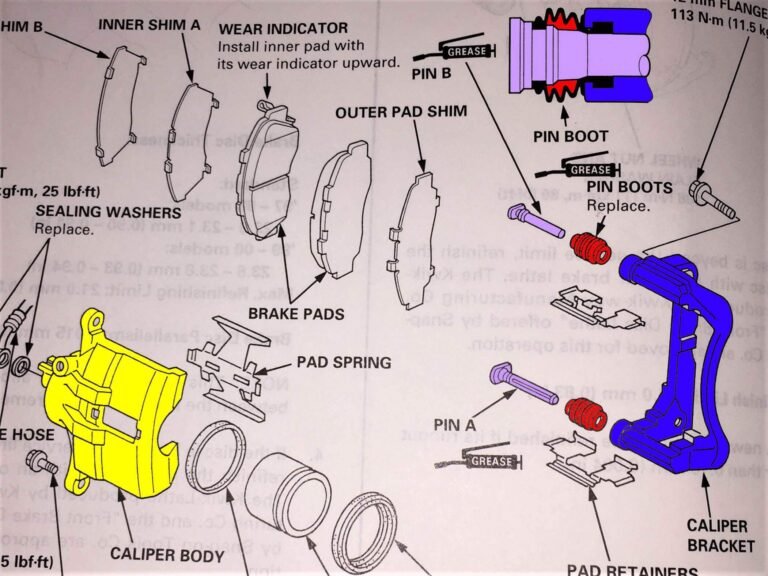
Before learning how to repair brake caliper piston damage, it helps to know how the part works. The piston sits inside the caliper housing and uses hydraulic pressure to move the brake pads.
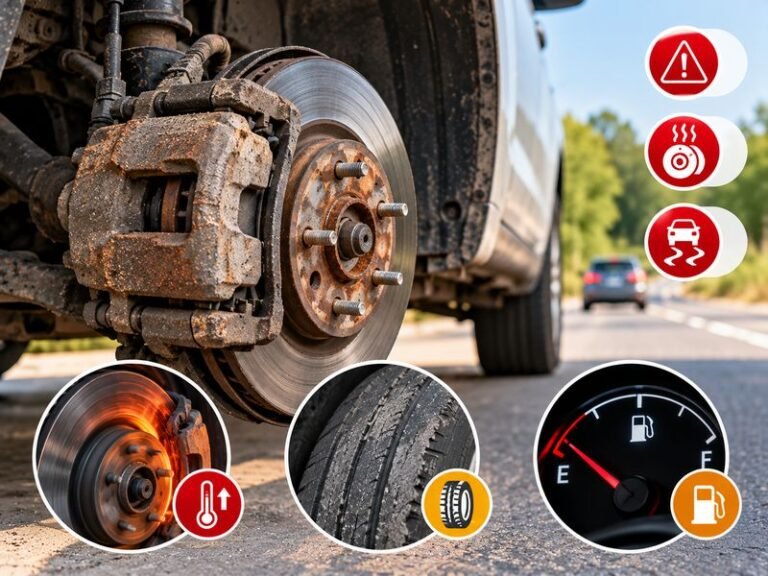
A failing piston may stick, leak, or fail to return after braking. These issues can cause uneven pad wear, pulling while driving, heat buildup, and reduced braking performance.
- ✦ Common symptoms
Look for brake drag, uneven pad wear, a soft pedal, fluid leaks, or unusual wheel heat.
- ✦ Main causes
Rust, moisture in brake fluid, torn dust boots, and worn seals are common causes.
When repair is possible
A piston with light corrosion may be cleaned and rebuilt. A deeply scored or cracked piston usually needs replacement because it can leak again.
- ✦ Inspect first
Always check the piston surface and caliper bore before buying repair parts.
Tools and parts needed for brake caliper piston repair
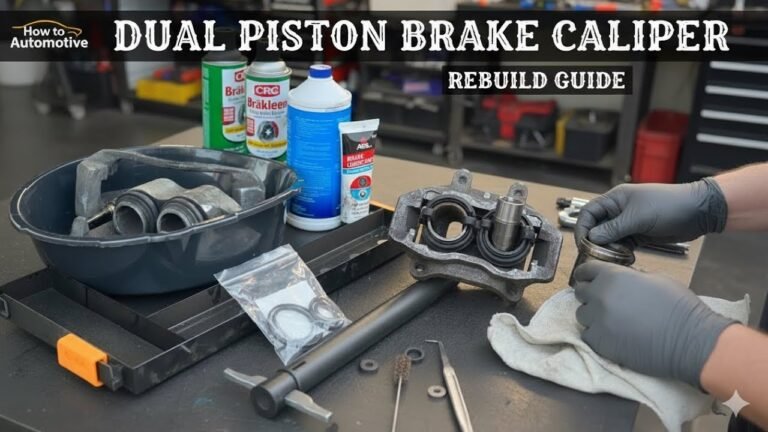
The right tools make the process safer and easier. Most repairs need basic hand tools plus a brake caliper rebuild kit that matches the vehicle.
When researching how to repair brake caliper piston problems, always identify the exact vehicle year, make, and model before ordering parts.

- ✦ Basic tools
Use wrenches, brake cleaner, a piston tool, compressed air, a seal pick, and safety equipment.
- ✦ Replacement parts
A rebuild kit may include piston seals, dust boots, and retaining parts.
How to remove and inspect the brake caliper piston
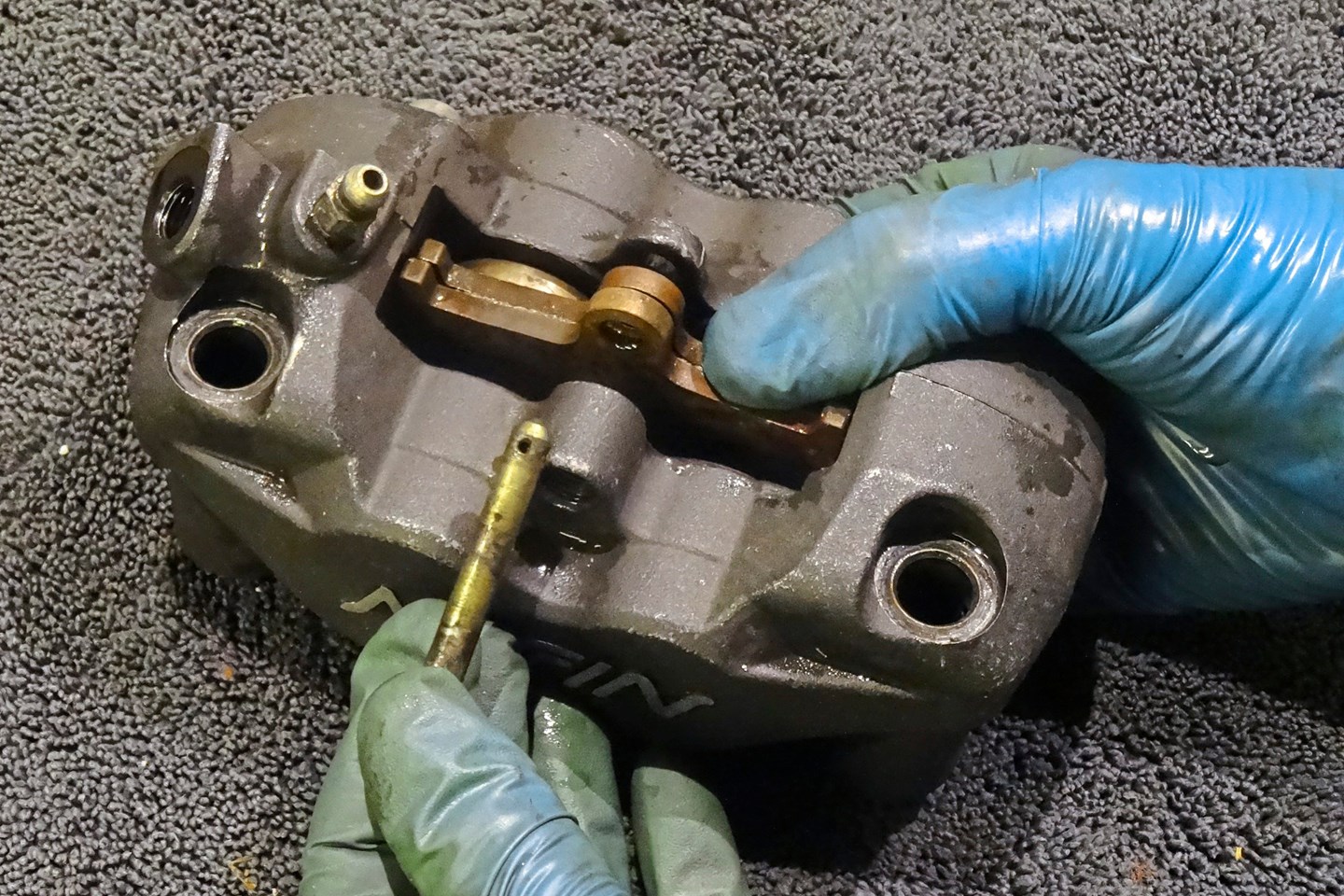
The first step in how to repair brake caliper piston problems is removing the caliper and piston carefully. Support the vehicle correctly and never work under a car held only by a jack.
After removal, inspect the piston for rust, grooves, cracks, and other damage. A clean surface with minor wear may be reusable, but serious damage requires a new piston.
- ✦ Remove pressure safely
Use proper methods to move the piston out without damaging the caliper body.
- ✦ Check the bore
The inside caliper surface must be smooth and free from heavy corrosion.
Cleaning the piston
Clean brake parts with approved brake cleaner. Avoid harsh tools that can scratch sealing surfaces.
Rebuilding the brake caliper piston step by step
A rebuild is the main answer for many people searching how to repair brake caliper piston issues. It involves replacing worn seals and restoring smooth piston movement.
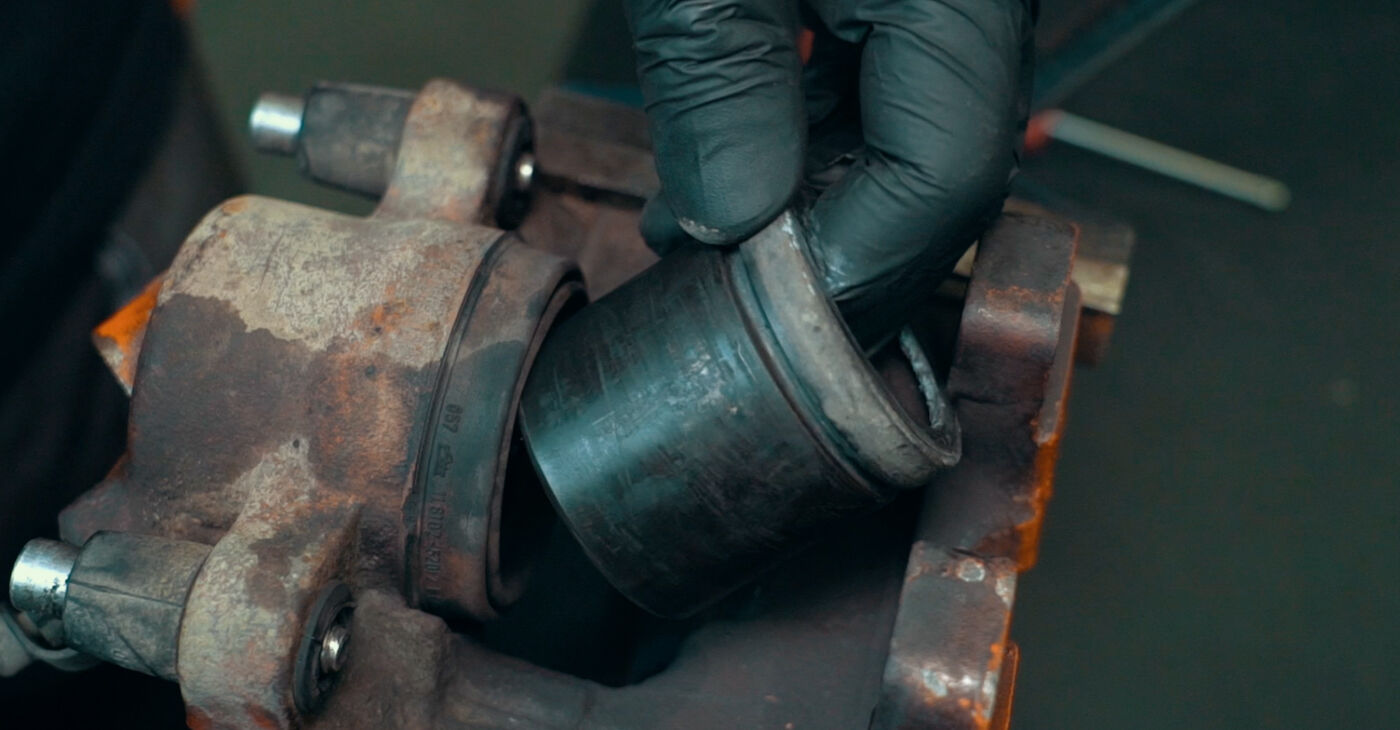
Install new seals carefully and lubricate parts with the correct brake assembly fluid. Avoid using petroleum products because they can damage rubber components.
- ✦ Replace damaged seals
Old seals can allow brake fluid leaks and cause piston movement problems.
- ✦ Install the dust boot
The dust boot protects the piston from water and road debris.
Avoid common rebuild mistakes
Do not force a piston into place or reuse damaged rubber parts. Small mistakes can create future brake failures.
Testing the brake system after repair
After completing how to repair brake caliper piston work, the brake system must be tested carefully. Bleed the brakes if air entered the hydraulic system.
Check for leaks, confirm firm pedal pressure, and perform a slow test drive in a safe area before normal driving.

- ✦ Brake fluid check
Make sure fluid levels are correct and there are no leaks around the caliper.
- ✦ Road test
Start slowly and verify smooth braking before returning to regular use.