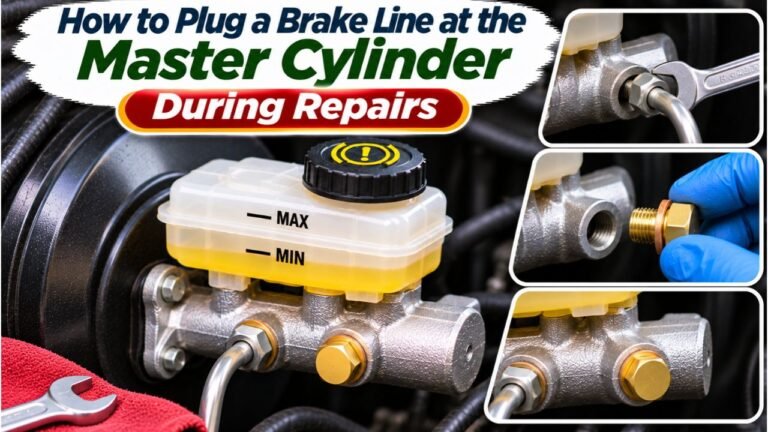
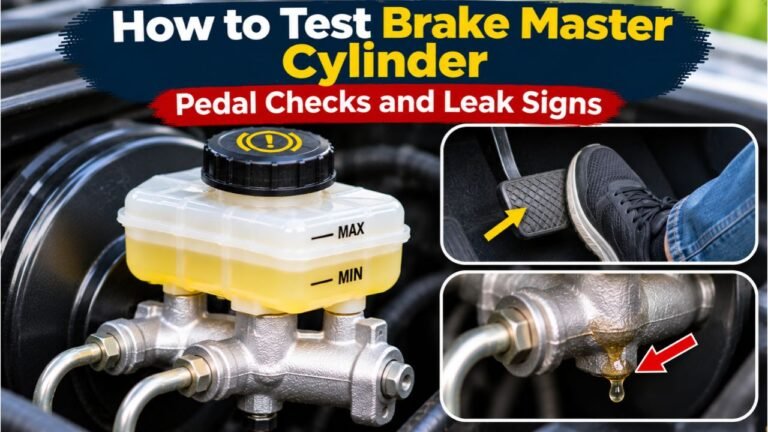
How to Clean a Brake Master Cylinder: Tools, Steps, and Tips
To clean a brake master cylinder, start by turning off the engine, allowing the vehicle to cool, and removing dirt from the outside of the master cylinder and brake fluid reservoir with a clean, lint-free cloth or soft brush. If the inside of the reservoir is contaminated, it may require professional cleaning or replacement. Internal master cylinder components must only be cleaned using methods and products approved by the vehicle manufacturer.
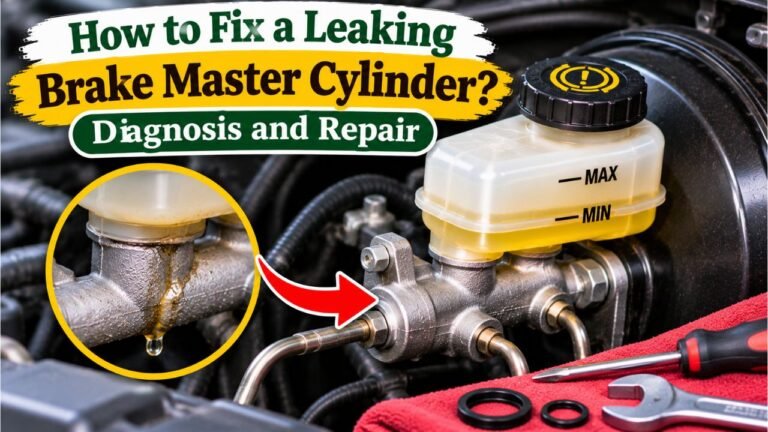
The brake master cylinder is an essential part of the hydraulic braking system. It converts pressure from the brake pedal into hydraulic force that activates the wheel brakes. Dirt, moisture, degraded brake fluid, and damaged seals can interfere with proper operation.
However, cleaning the exterior is very different from disassembling the master cylinder. Spraying ordinary degreasers or inappropriate solvents inside the hydraulic system can damage rubber seals and potentially cause brake failure.
In this article, I explain how to clean a brake master cylinder safely, including exterior cleaning, reservoir maintenance, and internal component inspection. I also cover the correct cleaning materials, products to avoid, brake fluid contamination, bleeding requirements, warning signs, and when replacing the master cylinder is safer than cleaning it.
How to Clean a Brake Master Cylinder: Quick Overview
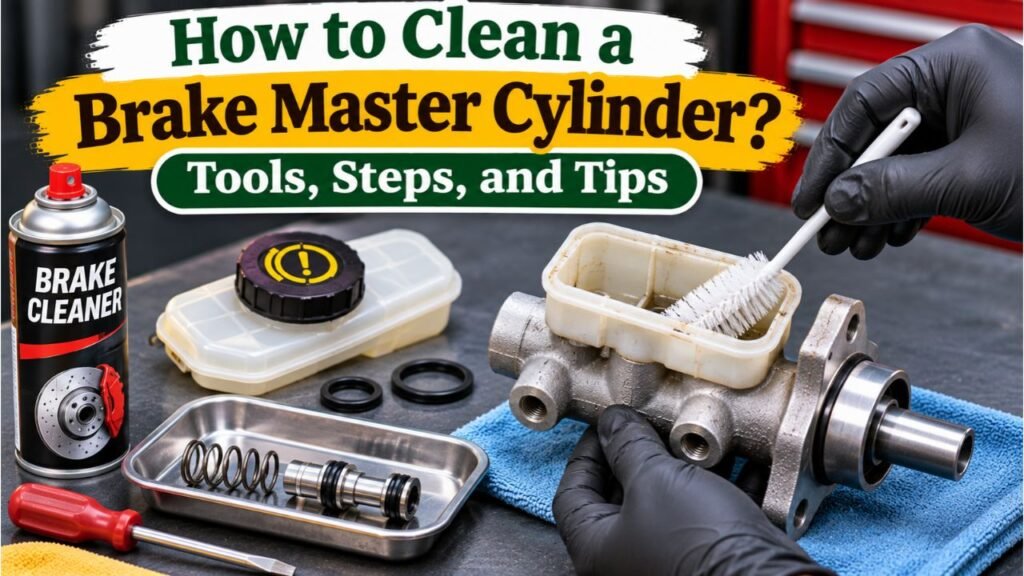
The correct cleaning procedure depends on which part needs attention.
A dirty exterior may only need careful wiping.
A contaminated reservoir may require fluid replacement, professional cleaning, or a new reservoir.
A master cylinder with internal damage may require complete replacement.
Brake Master Cylinder Cleaning Methods
| Component | Recommended Approach | Difficulty |
| Master cylinder exterior | Clean with a suitable cloth and soft brush | Easy |
| Brake fluid reservoir exterior | Wipe dirt from the outside without opening it | Easy |
| Reservoir cap | Clean the exterior before opening; inspect the seal | Easy |
| Light debris in accessible reservoir areas | Address during approved fluid service using clean tools | Moderate |
| Heavily contaminated reservoir | Remove, clean, or replace according to service instructions | Advanced |
| Master cylinder piston | Inspect and service only if rebuilding is approved | Advanced |
| Master cylinder bore | Use manufacturer-approved cleaning methods | Advanced |
| Internal rubber seals | Replace as specified during approved rebuilding | Advanced |
| Corroded or scored cylinder bore | Usually replace the master cylinder | Professional repair |
Important: Never pour household cleaners, water, gasoline, engine degreaser, or ordinary parts-cleaning solvents into an installed brake master cylinder.
The safest routine maintenance involves keeping the exterior clean and replacing brake fluid according to the manufacturer’s service schedule.
What Is a Brake Master Cylinder?
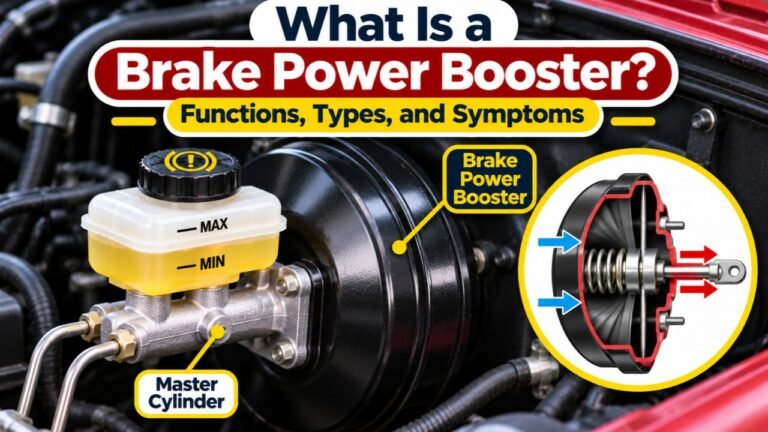
The brake master cylinder is a hydraulic component connected to the brake pedal through a pushrod and, in many vehicles, a brake booster.
Its main function is to generate hydraulic pressure when the driver presses the brake pedal.
Main Components
A conventional master cylinder may contain:
- Master cylinder housing.
- Primary piston.
- Secondary piston.
- Piston return springs.
- Hydraulic seals.
- Cylinder bore.
- Fluid inlet and compensation ports.
- Brake fluid reservoir.
- Outlet connections for hydraulic brake circuits.
The exact design varies by vehicle.
How the Master Cylinder Works
When the driver presses the brake pedal, force is transmitted to the master cylinder.
Pistons move inside the cylinder bore, building hydraulic pressure.
The pressure travels through brake lines and hoses toward the wheel brakes.
At the wheels, hydraulic pressure operates caliper pistons or wheel cylinders.
Releasing the brake pedal allows the system to return toward its normal resting condition.
Why Does the Master Cylinder Get Dirty?
The exterior can collect:
- Road dust.
- Engine compartment debris.
- Dirt around the reservoir cap.
- Residue from previous brake fluid spills.
- Moisture and grime.
- Grease from nearby components.
Internal contamination can develop from different causes, including aging brake fluid, moisture, corrosion, or incompatible chemicals.
Exterior dirt doesn’t automatically mean the master cylinder is internally damaged.
Tools and Materials Needed to Clean a Brake Master Cylinder
For basic exterior cleaning, only a few items are necessary.
Internal cleaning requires different equipment and should follow the manufacturer-specific repair procedure.
Cleaning Tools and Materials
| Tool or Material | Purpose |
| Clean lint-free microfiber cloth | Wipes exterior surfaces |
| Soft nylon brush | Removes loose exterior dirt |
| Safety gloves | Protects hands from chemicals |
| Safety glasses | Protects eyes from splashes |
| Suitable work light | Helps inspect components |
| Correct new brake fluid | Used during approved fluid replacement or component service |
| Clean brake-fluid-compatible tools | Used for certain professional reservoir procedures |
| Vehicle service manual | Provides specifications and permitted cleaning methods |
| Brake bleeding equipment | May be required after hydraulic components are opened |
| Manufacturer-approved cleaning agent | Used only where the service procedure authorizes it |
What About Brake Cleaner Spray?
Brake cleaner is useful for certain external automotive brake components.
However, that doesn’t make every brake cleaner suitable for master cylinder interiors, rubber seals, or plastic reservoirs.
Some products can damage rubber and plastic.
Do not spray brake cleaner into the brake fluid reservoir, cylinder bore, or hydraulic ports unless the specific service procedure explicitly permits the product.
Do You Need to Remove the Master Cylinder?
Not for ordinary exterior cleaning.
Removing the master cylinder may be necessary for certain repairs or internal cleaning procedures.
However, removing it normally involves opening the hydraulic system and performing appropriate bleeding afterward.
How to Clean the Outside of a Brake Master Cylinder
Exterior cleaning is the safest and simplest type of master cylinder maintenance.
It can help prevent loose dirt from entering the brake fluid reservoir during future servicing.
Step 1: Park the Vehicle Safely
Park on a stable, level surface.
Switch off the engine.
Apply the parking brake according to the vehicle’s instructions and ensure the car cannot roll.
Allow the engine compartment to cool before reaching near the master cylinder.
Step 2: Locate the Master Cylinder
Open the hood.
In many vehicles, the master cylinder is located near the rear of the engine compartment on the driver’s side.
It is often mounted to the brake booster.
The brake fluid reservoir is commonly attached directly to its upper section.
Some modern vehicles have more complex integrated braking systems.
Consult the owner’s manual if the location is unclear.
Step 3: Inspect the Area Before Cleaning
Look for visible problems such as:
- Brake fluid leaks.
- Damaged reservoir components.
- Cracked plastic.
- Loose hydraulic connections.
- Corrosion.
- Damaged electrical connectors.
- Unusual wetness near the master cylinder.
If brake fluid is leaking, cleaning alone is not an appropriate repair.
Have the cause diagnosed.
Step 4: Remove Loose Dirt
Use a dry, clean, soft brush to gently loosen dust and dirt from accessible exterior surfaces.
Pay attention to the area surrounding the reservoir cap.
Do not disturb hydraulic connections.
Avoid using compressed air that could force debris into openings or sensitive components.
Step 5: Wipe the Exterior
Use a clean, lint-free cloth to wipe the exterior housing and reservoir.
For stubborn grime, use only an exterior cleaning method compatible with the materials and the manufacturer’s instructions.
Keep cleaning liquids away from the reservoir opening, cap venting features, electrical connectors, and hydraulic fittings.
Avoid saturating the area.
Step 6: Clean Around the Reservoir Cap
The area around the cap deserves special attention because dirt can fall into the reservoir if the cap is removed.
Wipe the surrounding surfaces until loose debris is removed.
Keep the cap installed during exterior cleaning.
Step 7: Inspect the Finished Area
After cleaning, check that:
- No loose dirt remains around the cap.
- No cleaning materials entered the reservoir.
- Electrical connectors remain secure.
- Hydraulic connections have not been disturbed.
- There are no visible leaks.
- The cap remains properly installed.
If you did not open the hydraulic system, ordinary exterior cleaning does not require brake bleeding.
Key Takeaway: Cleaning the outside of the master cylinder is routine maintenance. Avoid opening hydraulic connections or introducing cleaning chemicals into the braking system.
How to Clean a Brake Master Cylinder Reservoir
The brake fluid reservoir stores the fluid supplied to the master cylinder.
Many modern vehicles have translucent plastic reservoirs with MIN and MAX markings.
Over time, deposits or discoloration may appear inside.
However, not every dark-looking reservoir needs internal scrubbing.
Can You Clean the Reservoir Without Removing It?
Limited cleaning may be possible during an approved brake fluid service.
For example, the Haynes guide to changing brake fluid describes removing old fluid from the reservoir and cleaning accessible debris with a lint-free cloth before adding fresh brake fluid and completing the fluid exchange.
This is different from washing the entire reservoir with water or solvents while it remains installed.
When Is Basic Reservoir Cleaning Appropriate?
It may be considered during an approved service if:
- The reservoir contains ordinary aged brake fluid.
- Light accessible deposits are present.
- The master cylinder is otherwise functioning normally.
- The manufacturer permits the procedure.
- Correct tools and bleeding equipment are available.
Do not use a routine cleaning procedure to conceal an unknown contaminant.
General Reservoir Service Procedure
The exact steps depend on the vehicle, but professional reservoir servicing generally follows this sequence:
- Confirm the correct brake fluid specification.
- Protect painted surfaces from spills.
- Clean the reservoir exterior and cap area.
- Open the reservoir only when necessary.
- Remove old fluid using clean, compatible equipment as instructed.
- Inspect accessible areas for debris or contamination.
- Remove accessible deposits only by an approved method.
- Refill with fresh, correctly specified fluid.
- Complete the required brake-fluid exchange or bleeding procedure.
- Verify fluid level, hydraulic integrity, and brake operation.
Do not allow the reservoir to run dry during a fluid exchange, because air may enter the hydraulic system.
Can You Use a Syringe to Remove Old Brake Fluid?
A clean, brake-fluid-compatible extraction tool may be used during certain service procedures.
However, removing fluid from the reservoir alone is not a complete brake fluid flush.
Old fluid remains inside brake lines, calipers, wheel cylinders, and other hydraulic components.
Should You Scrub the Inside of the Reservoir?
Aggressive scrubbing is not recommended.
Plastic reservoirs may contain internal baffles, narrow passages, and other features that are difficult to reach.
Scraping or inserting inappropriate tools can introduce particles or damage components.
If the reservoir is heavily contaminated or contains inaccessible deposits, removal or replacement may be necessary.
How to Clean a Removed Brake Fluid Reservoir
Some brake fluid reservoirs can be detached from the master cylinder.
Others are integrated or require additional components to be removed.
A removable reservoir may sometimes be cleaned separately when permitted by the service procedure.
Why Cleaning a Removed Reservoir Is Different
Once properly removed, the reservoir can be inspected without exposing the installed master cylinder to cleaning agents.
However, the reservoir must be completely free from water, cleaning chemicals, and loose debris before being returned to service.
Even small amounts of contamination can affect the braking system.
Manufacturer and Industry Guidance
The brake-component supplier Brakes International explains in its technical bulletin on master cylinder fluid contamination that an old, detached reservoir being reused with a replacement master cylinder may require thorough washing with hot soapy water, rinsing, and complete air drying.
The bulletin also warns against mineral-based cleaners and engine degreasers.
This procedure applies to a removed reservoir under appropriate service conditions. It is not permission to pour soapy water into an installed brake system.
Professional Cleaning Procedure
When the manufacturer specifically allows cleaning a detached reservoir, the service generally includes:
- Removing it according to the service manual.
- Draining and disposing of old brake fluid.
- Inspecting the reservoir for cracks and damage.
- Using only an approved cleaning method.
- Removing all cleaning residues.
- Ensuring the reservoir is completely dry.
- Inspecting internal baffles and outlets.
- Replacing damaged seals or grommets as required.
- Reinstalling the reservoir according to the manufacturer’s procedure.
- Completing the required brake bleeding.
- Checking for leaks and proper brake operation.
Why Complete Drying Matters
Water contamination reduces the boiling-point performance of conventional glycol-based brake fluid.
Any moisture remaining inside a cleaned reservoir can mix with the new fluid.
Therefore, a washed reservoir must not be reinstalled until it has been dried completely using an approved method.
When Should You Replace the Reservoir Instead?
Replacement may be safer when the reservoir has:
- Cracks.
- Damaged mounting points.
- Distorted plastic.
- Severely contaminated internal baffles.
- Inaccessible deposits.
- Damaged fluid-level sensor components.
- Other defects that prevent reliable reuse.
When complete cleanliness cannot be verified, a suitable replacement reservoir is preferable.
How to Clean the Inside of a Brake Master Cylinder
Internal master cylinder cleaning is a much more involved procedure.
It usually requires removing and disassembling the unit.
Not every modern master cylinder is designed to be rebuilt.
Some manufacturers recommend replacing the complete assembly instead of attempting an internal repair.
Why Internal Cleaning Requires Care
The master cylinder contains precision-machined surfaces and hydraulic seals.
These components must maintain reliable pressure under braking.
An incorrect solvent, scratched bore, damaged seal, or blocked hydraulic port can cause brake malfunction.
Step 1: Confirm the Master Cylinder Is Serviceable
Before disassembly, consult the vehicle’s repair manual.
Determine whether the manufacturer permits rebuilding.
Some master cylinders have approved overhaul kits and detailed procedures.
Others are intended to be replaced as complete assemblies.
Do not disassemble a non-serviceable unit simply to remove deposits.
Step 2: Remove the Master Cylinder According to the Manual
Professional removal may involve disconnecting hydraulic lines, electrical components, mounting fasteners, and the reservoir.
This opens the hydraulic braking system.
The correct removal procedure depends on the vehicle.
Step 3: Follow the Approved Disassembly Procedure
If rebuilding is permitted, the service manual identifies the internal components and removal sequence.
These may include pistons, springs, seals, and retaining devices.
Improper disassembly can damage precision components or release spring-loaded parts unexpectedly.
Step 4: Clean Components With Approved Materials
The specific cleaning agent depends on the manufacturer and component material.
For example, the official Harley-Davidson master cylinder service procedure specifies denatured alcohol for certain metal components and clean DOT 4 brake fluid for rubber components.
The same procedure warns against mineral-based solvents, which can damage rubber parts and cause braking failure.
These instructions apply to the covered Harley-Davidson assembly. They should not automatically be applied to every car.
Step 5: Inspect the Cylinder Bore
The cylinder bore is the precision surface along which the piston seals move.
A technician checks for:
- Scoring.
- Pitting.
- Corrosion.
- Scratches.
- Surface deterioration.
- Other damage affecting sealing.
A damaged bore can prevent the master cylinder from maintaining hydraulic pressure.
Step 6: Inspect the Pistons and Seals
Pistons and rubber seals must be inspected according to the service manual.
Worn or deteriorated seals may cause internal pressure leakage.
Old seals are often replaced during an approved rebuild.
Cleaning a damaged seal does not restore its original performance.
Step 7: Check the Hydraulic Ports
Master cylinders contain small passages that allow brake fluid to move correctly.
Blocked ports may interfere with fluid return or hydraulic operation.
Do not insert wire, drill bits, or improvised tools into precision passages.
The Harley-Davidson service procedure specifically warns against using wire or similar tools to clear the small drilled passages in the reservoir.
Step 8: Reassemble Using Approved Components
A serviceable master cylinder must be reassembled with the correct replacement parts and procedures.
Use only the lubricants and brake fluid approved for that model.
Incorrect seal placement or assembly can cause serious braking problems.
Step 9: Reinstall and Bleed the Brakes
After opening the master cylinder or hydraulic lines, the system generally requires appropriate bleeding.
Some vehicles may also require special ABS or electronic brake-system procedures.
Step 10: Verify Brake Operation
A qualified technician must confirm that the master cylinder operates correctly, hydraulic pressure is maintained, leaks are absent, and the required brake-system checks have been completed.
Important: Internal master cylinder rebuilding is not recommended as a casual DIY cleaning task. If the manufacturer does not explicitly permit rebuilding, replace the assembly.
What Can You Use to Clean a Brake Master Cylinder?
The correct cleaning material depends on the component and the manufacturer.
A cleaner suitable for an exterior metal bracket may be unsuitable for a piston seal or internal hydraulic passage.
Master Cylinder Cleaning Products
| Cleaning Material | Exterior Cleaning | Internal Components |
| Clean lint-free cloth | Generally suitable | Only where specifically allowed |
| Soft brush | Suitable for loose exterior dirt | Not for precision bores |
| Mild cleaning solution | Exterior only when compatible | Not unless the service procedure permits |
| Fresh correct brake fluid | Used during hydraulic service | Often specified for rubber components and assembly |
| Denatured alcohol | Manufacturer-dependent | Approved for certain metal parts in some manuals |
| Aerosol brake cleaner | Only where product and component instructions permit | Not a general-purpose internal cleaner |
| Gasoline | Not recommended | Never use |
| Kerosene | Not recommended | Never use |
| Engine degreaser | Avoid contact with hydraulic components | Never use unless explicitly approved |
| WD-40 or penetrating oil | Keep away from hydraulic openings | Never use inside conventional glycol brake systems |
| Water | Exterior contact only where safe and appropriate | Never introduce into an assembled hydraulic system |
Can You Use Brake Cleaner Inside the Master Cylinder?
Not as a general cleaning method.
Brake cleaner products differ in formulation.
Some can damage seals and plastic components or leave the wrong conditions for hydraulic operation.
Only use a cleaner specifically approved for that master cylinder and service procedure.
Can You Use Alcohol?
Some manufacturers approve denatured alcohol for certain disassembled metal brake components.
However, this doesn’t mean every alcohol product or cleaning procedure is appropriate.
Follow the exact repair instructions.
Can You Use Gasoline?
No.
Gasoline is a petroleum-based solvent.
It can damage conventional brake-system rubber components and create serious safety hazards.
Can You Use Engine Oil?
No.
Never introduce engine oil into a conventional glycol-based hydraulic braking system.
Mineral-oil contamination can cause rubber seals to swell or deteriorate.
Can You Clean the Master Cylinder With Water?
Do not introduce water into the installed master cylinder or hydraulic system.
Certain detachable reservoirs may have manufacturer-approved washing procedures, but complete removal of moisture is essential.
These are separate operations.
Can You Clean a Brake Master Cylinder Without Removing It?
Yes, if you only need to clean the exterior.
However, internal bore cleaning or complete reservoir decontamination generally cannot be performed properly while the master cylinder remains assembled and installed.
What You Can Safely Do Without Removal
Depending on the vehicle, you can usually:
- Wipe the exterior.
- Remove dirt around the reservoir cap.
- Visually inspect for leaks.
- Check the brake fluid level through a translucent reservoir.
- Inspect accessible hoses and fittings.
- Arrange a manufacturer-approved brake fluid replacement.
What You Should Not Do
Do not attempt to:
- Spray solvent through the reservoir.
- Pour cleaning chemicals into the brake fluid.
- Scrub the cylinder bore through the fluid reservoir.
- Push wire through hydraulic ports.
- Remove internal piston components while the unit is installed.
- Use compressed air to force dirt through brake lines.
- Treat cleaning as a repair for damaged seals.
Does Flushing Brake Fluid Clean the Master Cylinder?
A proper brake fluid exchange removes aged fluid and some suspended contamination from the hydraulic system.
However, it does not repair damaged seals, remove every deposit, or restore a corroded master cylinder bore.
If contamination has caused physical damage, replacement may be required.
How to Clean Rust From a Brake Master Cylinder
Rust or corrosion requires careful evaluation.
The appropriate repair depends on whether the corrosion is external or internal.
Exterior Corrosion
Light exterior corrosion on certain metal components may be addressed during routine cleaning or restoration when the manufacturer’s procedures permit it.
However, avoid damaging fittings, mounting surfaces, coatings, or hydraulic connections.
Corrosion near a leaking line or fitting should be inspected professionally.
Internal Bore Corrosion
Internal corrosion is more serious.
The master cylinder depends on a smooth bore and correctly functioning seals.
Corrosion pits can prevent reliable sealing.
Can You Sand the Master Cylinder Bore?
Not as a general repair method.
Many modern master cylinders have precision-finished surfaces that can be damaged by sanding or honing.
Some older serviceable designs have specific resurfacing procedures, but these are not universal.
Never use sandpaper or a hone unless the exact service manual expressly permits it and provides the required specifications.
When Is Replacement Necessary?
Replacement is generally appropriate when the bore has corrosion, deep scoring, or other damage that cannot be repaired using the manufacturer’s approved procedure.
Cleaning alone cannot restore the precision of a damaged hydraulic sealing surface.
Key Takeaway: A master cylinder with a corroded internal bore is usually a replacement issue, not simply a cleaning issue.
How to Clean Contaminated Brake Fluid From the Master Cylinder
If brake fluid has been contaminated, the type of contamination matters.
Moisture, dirt, and petroleum-based chemicals create different problems.
Old or Moisture-Contaminated Brake Fluid
Conventional DOT 3, DOT 4, and DOT 5.1 fluids absorb moisture over time.
Scheduled brake fluid replacement helps maintain the fluid’s specified performance.
A proper exchange should follow the vehicle manufacturer’s procedure.
Dirt or Debris in the Reservoir
Visible debris may require professional reservoir cleaning or replacement.
The rest of the hydraulic system may also require inspection.
Don’t simply add fresh fluid over debris and assume the problem is solved.
Engine Oil or Power Steering Fluid Contamination
Petroleum-based liquids can cause severe damage to seals used in conventional glycol-based brake systems.
A simple fluid flush may not be sufficient.
Contaminated rubber components may require replacement.
The extent of service depends on the system and the contamination.
Water Contamination
Water can reduce brake fluid boiling-point performance and contribute to corrosion.
Never try to correct water contamination by topping off with more brake fluid.
A qualified technician should determine the required service.
Silicone DOT 5 Contamination
Silicone-based DOT 5 should not be mixed with conventional glycol-based DOT 3, DOT 4, or DOT 5.1.
If incompatible fluids have been mixed, have the braking system professionally evaluated.
Contamination and Recommended Response
| Contamination | Main Concern | Appropriate Response |
| Normal fluid aging | Reduced performance over time | Scheduled fluid replacement |
| Excessive moisture | Lower boiling point and corrosion | Fluid replacement and system inspection |
| Dirt and debris | Blockages and component wear | Professional cleaning or replacement |
| Petroleum-based oil | Rubber seal damage | Professional assessment and component replacement as needed |
| Water introduced during cleaning | Moisture contamination | Do not operate until corrected |
| Incompatible DOT fluid | Fluid and seal compatibility | Professional diagnosis |
| Corrosion particles | Internal component damage | Inspect master cylinder and hydraulic system |
Do not drive a vehicle with a known contaminated hydraulic braking system until it has been properly serviced.
How to Know if a Brake Master Cylinder Needs Cleaning or Replacement
Not every master cylinder problem can be solved by cleaning.
Certain symptoms suggest hydraulic or mechanical faults that require diagnosis.
1. Brake Pedal Slowly Sinks
A brake pedal that slowly sinks under steady pressure can indicate internal pressure leakage.
A master cylinder seal problem is one possibility.
However, leaks and other hydraulic faults may produce similar symptoms.
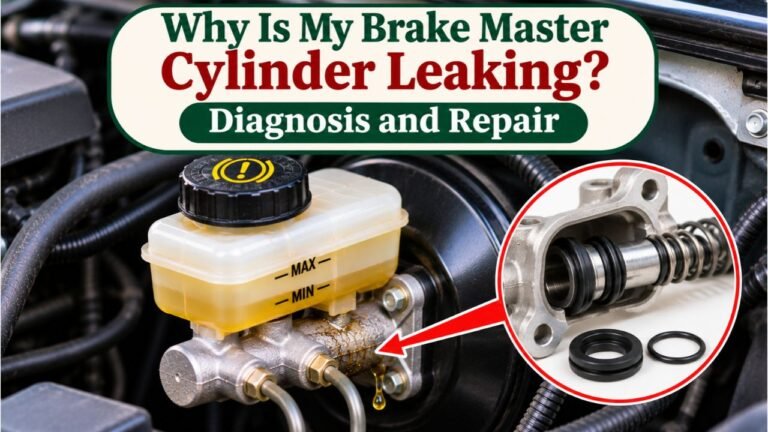
2. Brake Fluid Leaks
Fluid may leak around the master cylinder, hydraulic connections, or nearby components.
A leak requires repair.
Cleaning the exterior does not correct it.
3. Spongy Brake Pedal
Air in the hydraulic system can cause a soft or spongy pedal.
Other causes include leaks and certain component failures.
Do not assume internal dirt is responsible.
4. Brakes Dragging or Not Releasing
Brake dragging can result from several problems, including:
- Restricted hydraulic fluid return.
- Damaged master cylinder components.
- Swollen seals from contamination.
- Collapsed brake hoses.
- Caliper problems.
- Incorrect brake pedal or booster adjustments.
A complete diagnosis is necessary.
5. Visible Contamination
Heavy deposits, particles, or evidence of incompatible fluid inside the reservoir should be investigated.
A simple exterior cleaning is not sufficient.
6. Damaged Cylinder Bore
Scoring or corrosion inside the bore can interfere with hydraulic sealing.
Replacement may be necessary.
Cleaning vs. Replacement
| Condition | Cleaning Enough? |
| Dust on exterior | Usually yes |
| Dirt around reservoir cap | Usually yes |
| Minor accessible deposits during approved fluid service | Possibly |
| Aged brake fluid | Requires fluid service rather than exterior cleaning |
| Cracked reservoir | No; replace damaged component |
| Swollen hydraulic seals | No; affected components require repair or replacement |
| Corroded cylinder bore | Usually no |
| Deep bore scoring | No; replacement generally required |
| Internal master cylinder bypass | No; repair or replacement required |
| Hydraulic fluid leakage | No; repair required |
Do You Need to Bleed Brakes After Cleaning the Master Cylinder?
It depends on what was cleaned.
Exterior Cleaning Only
If you only wiped the outside of the master cylinder and did not open the hydraulic system, brake bleeding is generally unnecessary.
Reservoir Cleaning
If the reservoir was removed or hydraulic fluid passages were opened, bleeding may be required.
The exact procedure depends on the vehicle and amount of disassembly.
Master Cylinder Removal
Replacing or rebuilding a master cylinder commonly requires bench bleeding or another manufacturer-approved preparation procedure, followed by bleeding the hydraulic system.
What Is Bench Bleeding?
Bench bleeding is a method used to remove trapped air from certain master cylinders before installation.
Not all master cylinders use the same procedure, and some integrated brake systems require specialized methods.
Does ABS Change the Bleeding Procedure?
It can.
Some ABS and electronically controlled hydraulic brake systems require diagnostic equipment or special bleeding sequences.
Always follow the manufacturer-specific procedure.
Can You Drive Without Bleeding After Opening Brake Lines?
No.
If air has entered the hydraulic system and the required bleeding has not been completed, braking performance may be compromised.
Do not drive until the service is complete and correct operation has been verified.
How Often Should You Clean a Brake Master Cylinder?
There is generally no separate manufacturer-specified schedule for cleaning the inside of the master cylinder.
Routine maintenance focuses on inspecting the hydraulic system and replacing brake fluid at the required interval.
Exterior Cleaning
Clean the exterior when dirt accumulates or before opening the reservoir for an approved service procedure.
Routine visual inspection can also help identify leaks.
Reservoir Cleaning
Internal reservoir cleaning is not normally required at every brake fluid replacement.
It may be necessary if deposits, contamination, or other issues are identified.
Internal Master Cylinder Cleaning
Internal cleaning is not a routine maintenance task.
It is usually considered only during an approved overhaul or repair.
Brake Fluid Replacement
Many vehicles require brake fluid replacement approximately every two or three years.
However, intervals vary.
Follow the owner’s manual instead of assuming the same schedule applies to all vehicles.
Maintenance Schedule Overview
| Maintenance Task | When to Perform It |
| Exterior cleaning | When dirty or before hydraulic service |
| Reservoir level inspection | According to owner’s manual |
| Brake fluid replacement | Manufacturer-specified interval |
| Reservoir internal cleaning | When required by approved service |
| Master cylinder internal inspection | When symptoms or repairs justify it |
| Master cylinder replacement | When failure or unrepairable damage is confirmed |
Can Cleaning a Brake Master Cylinder Fix a Spongy Pedal?
Usually not by itself.
A spongy pedal can indicate air trapped in the hydraulic system, fluid leakage, or another braking-system fault.
If Air Is Trapped
The system needs the correct bleeding procedure.
Wiping the master cylinder or replacing only the reservoir fluid will not reliably remove trapped air.
If the Master Cylinder Seals Are Worn
Cleaning will not restore damaged sealing surfaces.
The master cylinder may need repair or replacement.
If Brake Fluid Is Contaminated
The system may require fluid replacement and additional inspection.
If contamination has damaged seals, merely flushing the fluid may not be sufficient.
If the Brake Lines Are Leaking
The leak must be repaired.
Adding more fluid or cleaning the master cylinder will not restore a failed hydraulic connection.
When Should You Stop Driving?
Do not drive if:
- The brake pedal sinks toward the floor.
- The pedal feels abnormally soft.
- A hydraulic leak is suspected.
- Braking effectiveness is reduced.
- The fluid reservoir is empty.
- A serious brake-system warning remains unresolved.
Arrange professional inspection and appropriate towing.
How Much Does Brake Master Cylinder Cleaning Cost?
The cost depends on whether the work involves simple exterior cleaning, a brake fluid exchange, reservoir replacement, or major hydraulic repair.
Exterior Cleaning
This is generally inexpensive because it requires minimal materials and no hydraulic disassembly.
Brake Fluid Replacement
A professional brake fluid exchange involves labor, fresh fluid, and the necessary bleeding equipment.
Costs vary by vehicle and location.
Reservoir Cleaning or Replacement
Removing the reservoir may require draining fluid, replacing seals, and performing hydraulic bleeding.
This increases labor requirements.
A new reservoir may be more practical than attempting to restore a severely contaminated one.
Master Cylinder Replacement
Replacing a failed master cylinder generally costs more than routine cleaning.
The final price depends on:
- Vehicle make and model.
- Master cylinder design.
- Parts availability.
- Labor rates.
- Brake fluid requirements.
- ABS or electronic braking procedures.
- Additional damage or contamination.
Request a vehicle-specific quote rather than assuming cleaning will be cheaper and sufficient.
Common Mistakes When Cleaning a Brake Master Cylinder
Spraying Brake Cleaner Into the Reservoir
Ordinary brake cleaner is not a substitute for brake fluid.
It may contain chemicals unsuitable for internal hydraulic components.
Using Gasoline or Engine Degreaser
Petroleum-based solvents can damage brake-system rubber seals.
Never use them inside a conventional glycol-based braking system.
Washing the Installed Reservoir With Water
Water can contaminate brake fluid and reduce its boiling point.
Only use reservoir washing procedures on removed components when specifically approved.
Leaving Moisture Inside a Cleaned Reservoir
Incomplete drying can introduce water into the hydraulic system.
A reservoir must be entirely free of cleaning residue and moisture before reuse.
Scrubbing the Cylinder Bore With Sandpaper
Many master cylinders have precision-finished bores.
Abrasive cleaning can damage the sealing surface.
Reusing Damaged Rubber Seals
Cleaning cannot restore seals that are cracked, swollen, or worn.
Replace them according to the service procedure.
Using Compressed Air Incorrectly
Compressed air can propel parts or debris unexpectedly.
Use it only when specified, with appropriate precautions and equipment.
Pushing Dirt Into Hydraulic Ports
Debris may obstruct fluid passages or interfere with components.
Clean around openings before disassembly.
Assuming a Brake Fluid Top-Up Cleans the System
Adding fresh fluid to the reservoir does not remove old fluid throughout the braking system.
Ignoring Brake Fluid Leaks
A leak requires diagnosis and repair, not cleaning.
Failing to Bleed After Disassembly
Air may enter when hydraulic components are removed.
The system must be bled correctly before driving.
Rebuilding a Non-Serviceable Master Cylinder
Some master cylinders are not intended to be rebuilt.
Follow the manufacturer’s instructions and replace the assembly when required.
Is It Better to Clean or Replace a Brake Master Cylinder?
Clean a master cylinder when the problem is limited to accessible exterior dirt or when approved servicing allows cleaning of reusable components. Replace it when the hydraulic mechanism is damaged, non-serviceable, or cannot be restored to specification.
Cleaning Makes Sense When:
- Only exterior dirt is present.
- The reservoir exterior needs maintenance.
- An approved fluid exchange is being performed.
- Minor accessible deposits can be removed safely.
- The manufacturer permits servicing the component.
Replacement Is Better When:
- The cylinder bore is corroded or scored.
- Internal seals are damaged and no approved rebuild is available.
- The housing is cracked.
- The master cylinder leaks internally or externally.
- Petroleum contamination has caused irreparable damage.
- The manufacturer requires complete assembly replacement.
Does a New Master Cylinder Need Cleaning?
A new master cylinder should not be disassembled or cleaned internally unless the manufacturer instructs it.
Protective caps and plugs should be removed only as specified during installation.
Use fresh, correctly specified brake fluid and follow the preparation and bleeding instructions.
Should You Replace the Reservoir at the Same Time?
Not necessarily.
A reusable reservoir may remain suitable if it is undamaged and completely clean.
However, heavily contaminated or damaged reservoirs should be replaced when the manufacturer recommends it.
Conclusion
Learning how to clean a brake master cylinder starts with understanding the difference between exterior cleaning, reservoir maintenance, and internal hydraulic repair.
For routine maintenance, the safest approach is to turn off the engine, allow the area to cool, and remove exterior dirt using a clean cloth and soft brush. Keeping the reservoir cap area clean helps reduce the risk of contamination during future service.
If the reservoir contains deposits or contaminated brake fluid, the correct solution may involve a manufacturer-approved cleaning procedure, fluid replacement, or reservoir replacement.
Internal master cylinder cleaning is significantly more demanding. Precision cylinder bores, rubber seals, and hydraulic passages must be protected from incorrect solvents, abrasive tools, moisture, and debris.
I recommend consulting the vehicle-specific service manual before removing or disassembling the master cylinder. If the bore is corroded, seals are damaged, or the unit is not designed for rebuilding, replacement is generally safer than attempting to clean it.
A properly maintained master cylinder must be clean, free from contamination, hydraulically sealed, and capable of producing reliable braking pressure. Cleaning should never be used to hide a serious brake-system fault.
FAQs About How to Clean a Brake Master Cylinder
How Do You Clean a Brake Master Cylinder Without Removing It?
Turn off the engine, let the area cool, and wipe the exterior with a clean, lint-free cloth.
Use a soft brush to remove dirt around the reservoir cap.
Avoid opening hydraulic connections or allowing cleaning chemicals to enter the system.
Internal bore cleaning normally requires removal and approved servicing.
Can You Clean the Inside of a Brake Master Cylinder?
Only when the manufacturer permits disassembly and rebuilding.
Internal cleaning requires appropriate materials, inspection, and replacement parts.
Many modern master cylinders are better replaced when internal damage is present.
Can You Spray Brake Cleaner Into a Master Cylinder?
Not as a general cleaning method.
Ordinary aerosol brake cleaners may contain chemicals unsuitable for internal hydraulic seals or plastic components.
Use only a cleaning agent explicitly approved for the master cylinder and service procedure.
What Is the Best Cleaner for a Brake Master Cylinder?
For exterior dirt, a clean cloth and soft brush are often sufficient.
Some manufacturer-approved internal service procedures use denatured alcohol for metal components and clean brake fluid for rubber components.
The correct method depends on the specific master cylinder.
Can You Use Water to Clean a Brake Master Cylinder?
Do not introduce water into an assembled hydraulic braking system.
Some removable reservoirs may be washed using an approved procedure, but they must be completely cleaned and dried before reuse.
Can You Clean a Brake Master Cylinder Reservoir With Soap?
Certain professional procedures permit washing a detached reservoir with hot soapy water, followed by thorough rinsing and complete drying.
This does not apply to an installed reservoir.
Follow the manufacturer’s instructions.
Can You Use WD-40 to Clean a Master Cylinder?
No.
Do not introduce WD-40 or other petroleum-based products into a conventional glycol brake system.
Such products can contaminate fluid and damage hydraulic seals.
Can You Clean a Master Cylinder With Rubbing Alcohol?
Some manufacturers specify particular alcohol-based cleaning procedures for disassembled metal components.
However, ordinary household rubbing alcohol may contain water or other ingredients.
Use only the exact cleaning material approved by the service manual.
Can You Clean Rust Out of a Brake Master Cylinder?
External corrosion may sometimes be treated appropriately.
Internal bore corrosion is more serious and often requires replacement.
Do not attempt to sand or hone a modern master cylinder unless the manufacturer expressly permits the procedure.
Should You Clean the Master Cylinder When Changing Brake Fluid?
The exterior and reservoir cap area should be kept clean to prevent contamination.
Light accessible debris may be removed during an approved service.
However, internal master cylinder disassembly is not routinely required for a brake fluid change.
Does Flushing Brake Fluid Clean the Master Cylinder?
A proper brake fluid exchange replaces aged fluid and can remove some suspended contamination.
It does not restore damaged seals or repair corrosion and scoring inside the master cylinder.
Can a Dirty Master Cylinder Cause a Soft Brake Pedal?
Internal contamination or damaged seals can contribute to hydraulic problems.
However, a soft pedal can also result from trapped air, fluid leaks, or other faults.
The cause must be diagnosed before repairs are selected.
Can You Clean a Master Cylinder Instead of Replacing It?
Sometimes, if the problem is limited to dirt or the unit is approved for rebuilding.
However, corrosion, scoring, damaged bores, and certain seal failures may require replacement.
How Do You Remove Dirt From a Brake Fluid Reservoir?
Light accessible debris may be addressed during an approved brake-fluid service using clean, compatible tools.
Do not push dirt into reservoir outlets or scrape internal surfaces.
Heavy contamination may require reservoir removal or replacement.
Can You Reuse a Brake Master Cylinder Reservoir?
Yes, if the manufacturer permits reuse and the reservoir is undamaged, properly cleaned, and completely free of moisture and contamination.
Replace damaged grommets and seals as required.
Do You Need to Bleed the Brakes After Cleaning the Master Cylinder?
Not after exterior cleaning alone.
However, if the reservoir was removed, brake lines were disconnected, or internal hydraulic components were serviced, bleeding is generally required.
Follow the manufacturer’s instructions.
Can a Master Cylinder Be Cleaned With Gasoline?
No.
Gasoline can damage hydraulic-system rubber components and creates additional fire and health hazards.
Do not use it to clean internal brake-system parts.
How Often Should You Clean a Brake Master Cylinder?
There is no universal internal cleaning interval.
Clean the exterior when necessary and maintain the brake fluid according to the vehicle’s service schedule.
Internal cleaning should only be performed when required by an approved repair procedure.
What Happens if Dirt Gets Into the Master Cylinder?
Dirt may interfere with hydraulic components, contribute to wear, or obstruct small fluid passages.
If contamination is suspected, have the braking system inspected.
Avoid operating a system that may contain significant foreign material.
How Do You Know if Your Master Cylinder Is Bad?
Possible symptoms include a sinking brake pedal, hydraulic fluid leakage, unusual pedal travel, or failure to maintain pressure.
These symptoms can also have other causes, so professional diagnosis is necessary.
Can You Drive After Cleaning a Brake Master Cylinder?
If only the exterior was cleaned and no components were disturbed, the cleaning itself does not normally require brake bleeding.
If the hydraulic system was opened, repaired, or rebuilt, all required bleeding and safety checks must be completed before driving.
Never drive with unresolved brake-system faults.