How to Make Custom Brake Caliper Brackets: A Complete Guide for DIY Builders
Learning how to make custom brake caliper brackets starts with understanding that brakes are safety parts, not simple cosmetic upgrades. A small measurement error can change caliper alignment, pad contact, and braking feel.
Many builders in the United States create custom brake setups for classic cars, race cars, trucks, and off-road vehicles. The best results come from careful planning, accurate drawings, and strong fabrication methods.
This guide explains how to make custom brake caliper brackets in a clear way. It covers design ideas, materials, tools, common mistakes, and final checks that experienced builders use.
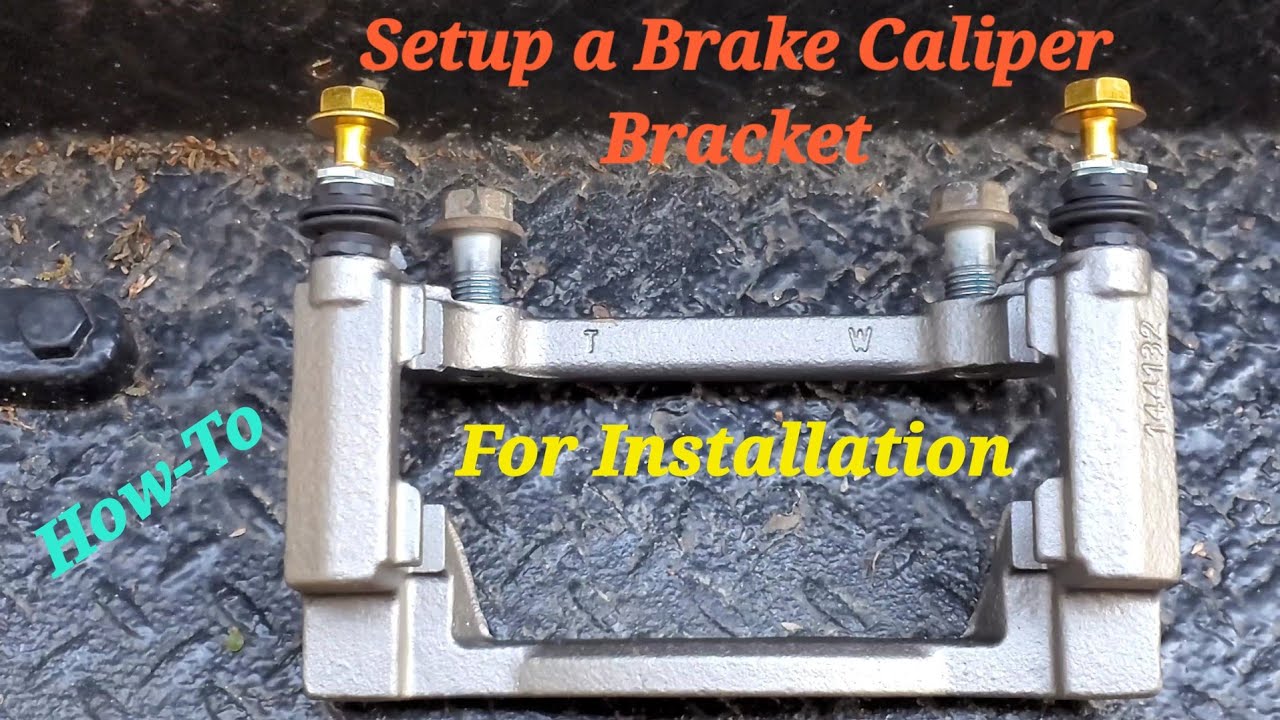
Understanding the Purpose of Custom Brake Caliper Brackets
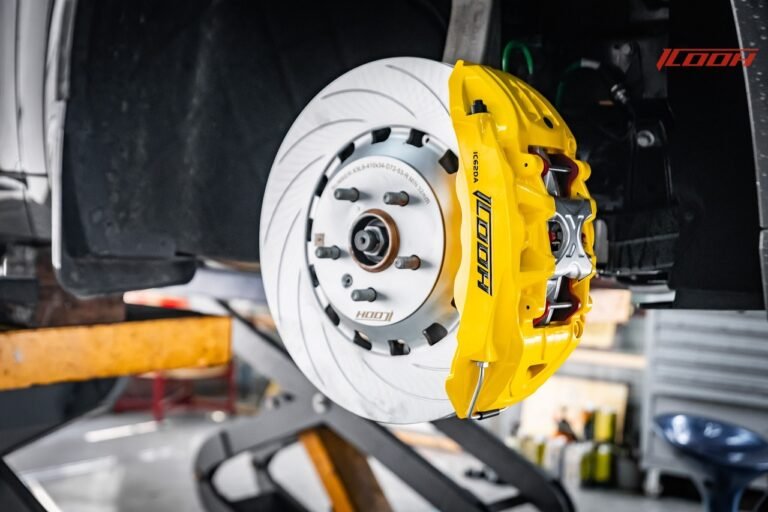
A brake caliper bracket is the part that holds the caliper in the correct position around the brake rotor. It controls the distance, angle, and strength of the caliper mounting point.
When learning how to make custom brake caliper brackets, the first goal is not just making a part that fits. The goal is creating a part that keeps the brake system stable under heavy loads.
- ✦ Caliper alignment
The bracket must place the caliper squarely over the rotor so the brake pads wear evenly.
- ✦ Load strength
The bracket must handle braking force without bending, cracking, or moving.
- ✦ Vehicle compatibility
The design must match the hub, rotor, wheel space, and caliper specifications.
Planning the Design Before Fabrication
Good brake bracket projects begin with measurements. Before cutting metal, record the rotor diameter, rotor thickness, caliper mounting holes, hub dimensions, and wheel clearance.
A computer drawing or detailed paper sketch helps prevent expensive mistakes. Many professional fabricators create a CAD model before producing the final bracket.
When deciding how to make custom brake caliper brackets, always design around the actual parts being used. Mixing measurements from different vehicles can create unsafe results.
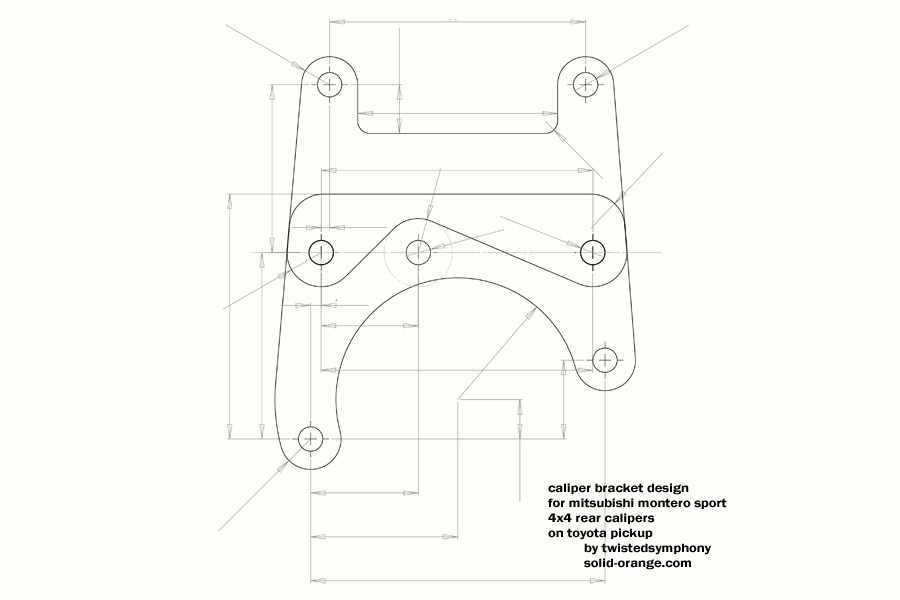
- ✦ Measure mounting points
Record every bolt location and spacing measurement with accurate tools.
- ✦ Check rotor position
Confirm the rotor sits in the center of the caliper opening.
- ✦ Plan wheel clearance
Make sure the bracket and caliper fit inside the wheel safely.
Creating a Brake Bracket Drawing
A good drawing shows bolt holes, thickness, material type, and the exact caliper position. It also helps a machine shop understand the required final part.
Simple sketches can work for basic projects, but CAD drawings provide better control for complex brake conversions.
- ✦ Include dimensions
Every important measurement should appear on the drawing.
Choosing Materials for Brake Caliper Brackets
Material selection is one of the most important parts of how to make custom brake caliper brackets. The material must be strong, durable, and suitable for repeated heat and stress cycles.
Most quality brackets use high-strength steel or aluminum alloys designed for structural applications. The choice depends on the vehicle, brake system, and intended use.

- ✦ Steel brackets
Steel offers high strength and is common for heavy-duty street and performance applications.
- ✦ Aluminum brackets
Aluminum can reduce weight but requires careful design because strength depends on alloy and thickness.
- ✦ Avoid weak materials
Thin or unknown materials may fail under braking loads.
Tools and Fabrication Methods for Making Brake Brackets
The tools needed for how to make custom brake caliper brackets depend on the design. A simple bracket may require accurate drilling, while advanced projects may need CNC machining.
Professional builders often use milling machines, CAD software, measuring tools, and inspection equipment. Precision matters because brake components work under extreme forces.

- ✦ CNC machining
CNC equipment creates accurate shapes and consistent mounting holes.
- ✦ Manual machining
Careful drilling and milling can work for experienced fabricators.
- ✦ Measurement tools
Calipers, micrometers, and gauges help maintain accuracy.
Machining and Finishing Steps
After machining, remove sharp edges and inspect every surface. A smooth finish helps reduce stress points where cracks could begin.
Some builders apply protective coatings to reduce corrosion, especially on vehicles used in wet or salty environments.
- ✦ Inspect edges
Rounded edges reduce stress concentration.
Installing and Testing Custom Brake Caliper Brackets
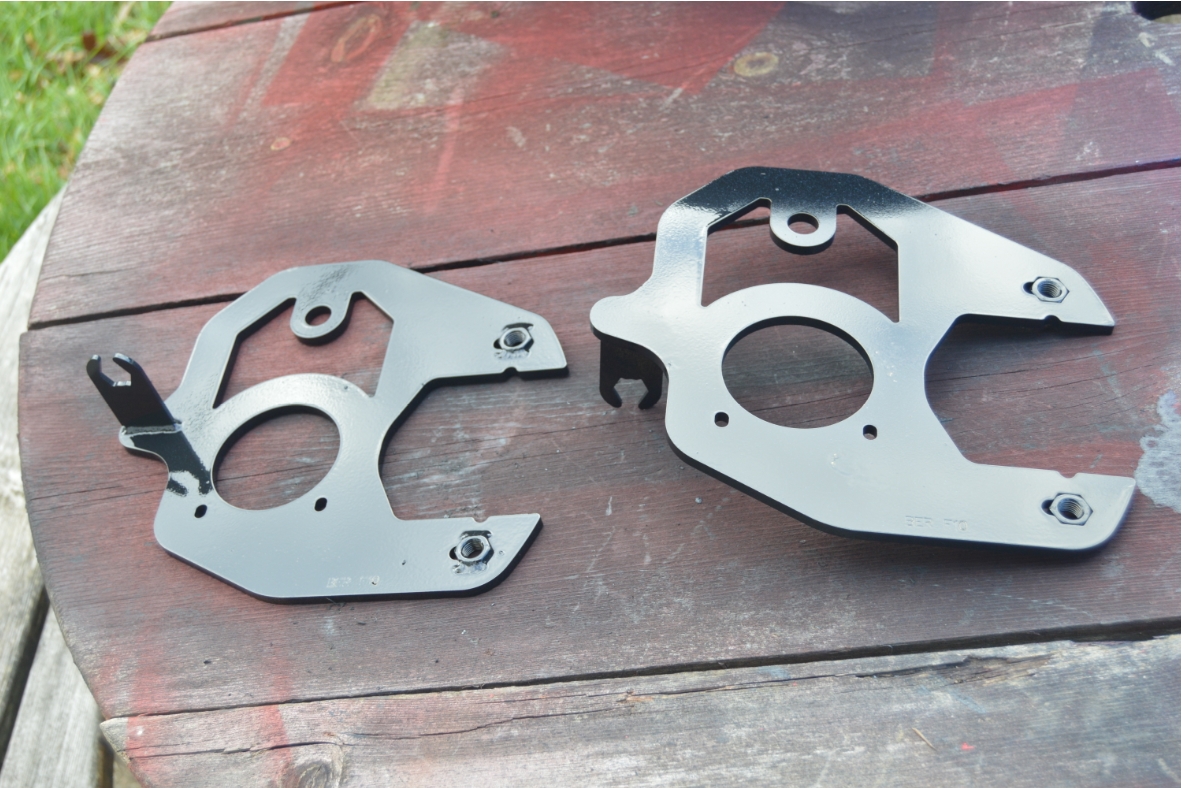
After fabrication, installation should begin with a complete inspection. Check bolt fitment, caliper movement, rotor position, and wheel clearance before driving.
Knowing how to make custom brake caliper brackets also means knowing when to stop. If measurements are uncertain, professional inspection is the safer choice.
- ✦ Check bolt security
Use correct hardware and follow proper tightening procedures.
- ✦ Inspect pad contact
The pads should contact the rotor surface evenly.
- ✦ Perform careful testing
Begin with slow tests before normal road use.
Common Mistakes When Making Custom Brake Caliper Brackets
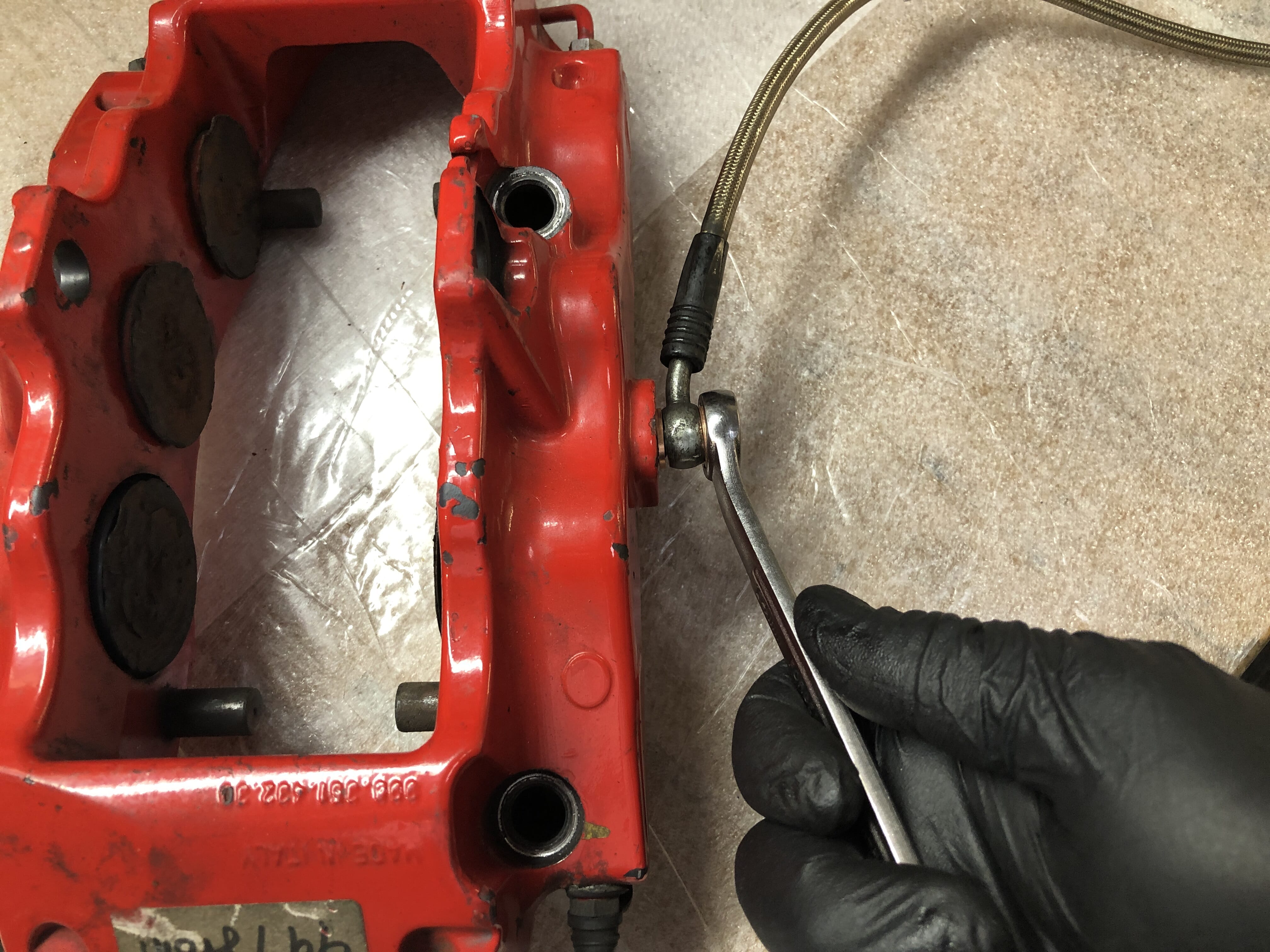
Many brake bracket problems come from rushing the design stage. A bracket that looks correct may still have incorrect spacing or weak mounting areas.
Learning how to make custom brake caliper brackets requires patience. Careful planning usually saves time and money later.
- ✦ Guessing measurements
Small errors can create major alignment problems.
- ✦ Using poor hardware
Low-quality bolts may not handle braking loads.
- ✦ Skipping inspection
Every custom brake part needs careful checking before use.