Are Aftermarket Brake Calipers Any Good: Detailed Guide and Facts
Yes, aftermarket brake calipers can be very good, but quality varies widely by manufacturer, design, and application. A properly matched caliper from a reputable brand can provide safe, reliable braking, while a poorly made or incorrectly specified part may cause uneven braking, leaks, noise, or premature failure.
The goal is not simply to find the cheapest replacement. You need to determine whether the caliper is an exact-fit replacement, a remanufactured original-equipment unit, or a performance upgrade, then verify its materials, seals, piston design, warranty, and compatibility with the rest of the brake system. This guide explains those differences, the risks, and the checks that help you buy confidently.
What “aftermarket brake caliper” actually means
An aftermarket brake caliper is a replacement or upgraded caliper made by a company other than the vehicle’s original manufacturer. It may be designed to match the factory part exactly, improve performance, reduce cost, or fit a modified braking system.
The term covers several very different products. Treating every aftermarket caliper as equivalent is the main reason buyers receive conflicting advice about their quality.
- New direct-fit calipers: These are newly manufactured to replace the original caliper and normally use the factory mounting points, brake hose connection, and rotor dimensions.
- Remanufactured calipers: These begin with used original housings that are cleaned, inspected, machined when necessary, and rebuilt with replacement seals, pistons, bleeder screws, or hardware.
- Performance calipers: These may have multiple pistons, a stiffer body, larger pad areas, or greater heat capacity. They often require matching rotors, pads, brackets, and brake lines.
- Universal or custom calipers: These are intended for specially engineered applications rather than straightforward replacement. Correct fitment and hydraulic compatibility must be established before installation.
A factory-equivalent aftermarket caliper is usually judged by reliability, fit, corrosion resistance, and price. A performance caliper is judged by heat management, stiffness, pad and rotor compatibility, and the quality of the complete system.
When aftermarket calipers are a good choice
For ordinary street vehicles, a reputable aftermarket caliper can perform just as well as an original-equipment replacement. The caliper’s job is relatively straightforward: it uses hydraulic pressure to push the piston against the brake pad, pressing the pad against the rotor and creating friction.
If the replacement has accurate dimensions, a correctly sized piston, quality seals, and proper machining, it can provide the intended clamping force and pedal feel. Many independent parts manufacturers supply brake components to professional repair shops, so “aftermarket” does not automatically mean inferior.
Aftermarket calipers are especially practical when the original part is expensive, unavailable, or heavily corroded. A remanufactured unit can also be a sensible option when its core housing is sound and the rebuilding process is controlled carefully.
They may also be useful for drivers who tow, drive in mountainous areas, or participate in track events. In those cases, a larger or multi-piston caliper may offer better heat control, but only if the entire brake package is designed to work together.
What determines aftermarket caliper quality
Materials and casting quality
Most standard calipers use cast iron or aluminum. Cast iron is common on factory-style sliding calipers because it is durable and relatively inexpensive, although it can rust. Aluminum is lighter and common in performance applications, but its finish, threaded areas, and structural design must still be sound.
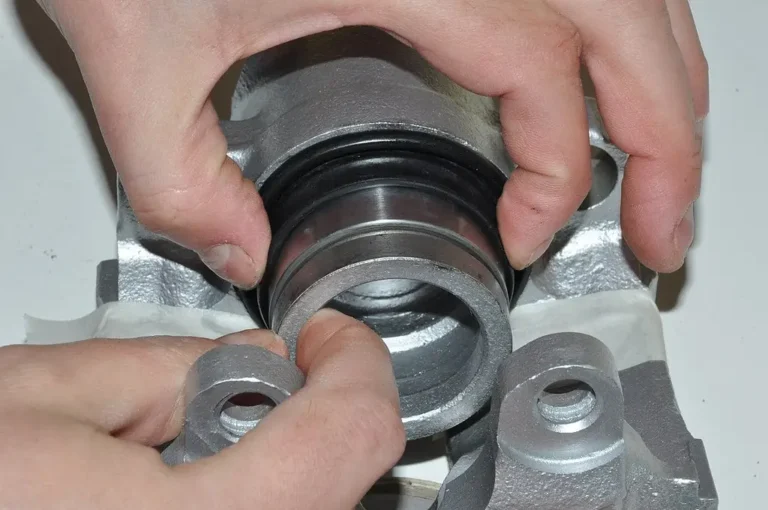
Look for clean casting surfaces, accurately machined mounting points, undamaged threads, and a properly finished piston bore. A rough or contaminated bore can damage the seal and create a piston that sticks instead of moving smoothly.
Pistons and seals
The piston must fit the bore correctly and resist corrosion. Steel pistons can work well but may rust if moisture reaches them; phenolic or composite pistons resist heat transfer and corrosion but can be damaged by improper handling or contamination.
Square-cut piston seals are particularly important in many floating calipers. They help retract the piston slightly when hydraulic pressure is released. Low-quality seals can cause drag, uneven pad wear, or a caliper that fails to release fully.
Machining and hydraulic accuracy
The piston bore, seal groove, slide-pin holes, mounting ears, and bleeder-screw threads must be manufactured within appropriate tolerances. Small dimensional errors can create a large practical problem, such as a loose slide pin, a leaking bleeder, or a piston that binds.
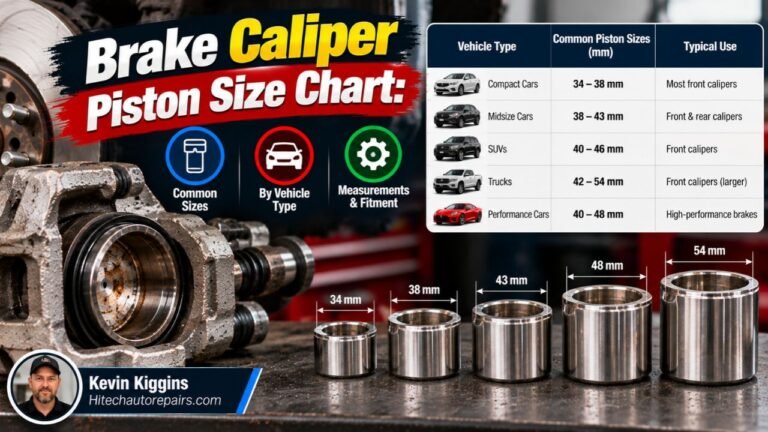
A replacement caliper also needs the correct piston diameter. A different piston size changes the hydraulic balance, pedal travel, and clamping force. A larger piston is not automatically an upgrade; it can increase pedal travel and alter the front-to-rear brake balance.
Corrosion protection
Rust is a major cause of caliper problems, especially in regions that use road salt. A durable coating, plated hardware, protected bleeder screw, and corrosion-resistant piston can extend service life.
Painted or powder-coated surfaces may improve appearance and corrosion resistance, but finish quality alone does not prove mechanical quality. Check the piston bore, seal area, threads, and sliding surfaces rather than judging the part only by its exterior.
Hardware and included components
Some calipers include new slide pins, boots, abutment clips, bleeder screws, and mounting hardware. Others supply only the bare housing. Missing or low-quality hardware can undermine an otherwise acceptable caliper.
Verify whether the package includes the parts required for installation. Reusing torn slide-pin boots, swollen rubber sleeves, or corroded bleeder screws can create problems that appear to be caused by the new caliper.
New versus remanufactured calipers
A new aftermarket caliper is manufactured from new material, while a remanufactured caliper reuses a previously installed core. Neither category is automatically superior.
A high-quality remanufactured caliper can be an excellent factory-style replacement when the core is inspected and rebuilt properly. The housing must be free of cracks, excessive corrosion, distorted mounting points, and damaged seal bores. Replacing only the obvious rubber parts is not enough if the piston bore or slide mechanism is worn.
New calipers remove some uncertainty about the original housing, but manufacturing consistency still matters. An inexpensive new part from an unknown source may have poorer seals or less accurate machining than a well-rebuilt original-equipment core.
Ask whether the remanufactured unit has been pressure-tested and whether the warranty covers leakage, sticking, and premature failure. A meaningful warranty does not guarantee perfection, but it is a useful sign that the supplier accepts responsibility for the part.
Signs of a poor-quality or unsuitable caliper
Some problems appear immediately during installation, while others develop after the vehicle is driven. Stop and investigate if any of these signs occur:
- The caliper does not align naturally with the bracket or rotor.
- The brake hose connection points in the wrong direction or requires twisting.
- The bleeder screw is inaccessible, damaged, or positioned below the fluid outlet.
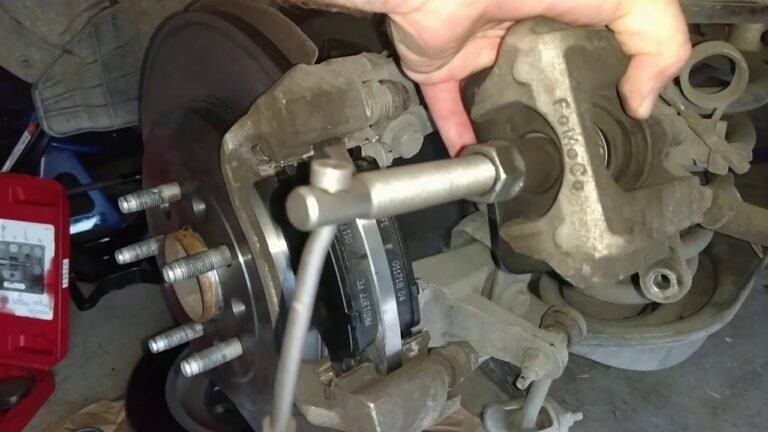
- The piston is difficult to retract or does not move smoothly.
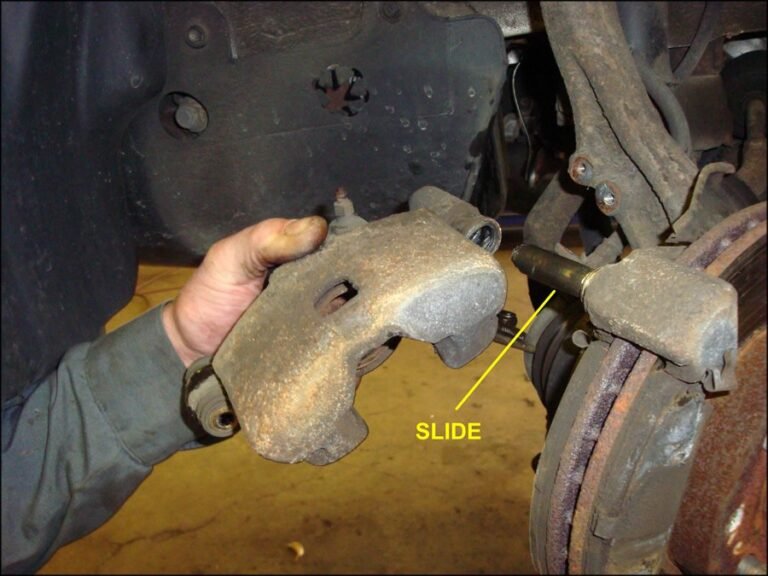
- The slide pins bind, have excessive looseness, or do not match the bracket.
- The casting has cracks, deep corrosion, damaged threads, or rough machined surfaces.
- Brake fluid seeps around the piston seal, bleeder screw, hose fitting, or caliper halves.
- The pads do not sit correctly in the caliper or fail to contact the rotor evenly.
After installation, a vehicle that pulls to one side, develops a hot wheel, produces a burning smell, or shows uneven pad wear may have a sticking caliper or a related hydraulic issue. A soft pedal can indicate air, leakage, incorrect bleeding, hose damage, or a problem elsewhere in the system.
Do not assume that a new caliper is defective before checking the flexible brake hose, slide hardware, opposite-side caliper, wheel bearing, rotor, and brake fluid. A restricted hose can trap pressure and mimic a caliper that will not release.
Fitment matters more than brand appearance
Confirm fitment using the vehicle’s year, make, model, engine, trim, drivetrain, and braking package. Some vehicles use different calipers based on wheel size, towing equipment, performance packages, production date, or electronic parking-brake configuration.
Compare the replacement with the original part before installation. Important details include piston diameter, mounting-bolt spacing, rotor thickness, pad shape, hose-thread type, bleeder position, bracket design, and whether the caliper is intended for the left or right side.
Part numbers are helpful, but they are not the only check. Cross-reference the application data and compare the technical specifications. A caliper can appear nearly identical while placing the bleeder incorrectly or using a piston size that changes the vehicle’s brake balance.
Never install a left-side caliper on the right side if doing so places the bleeder below the piston. Air rises in the caliper, so an incorrectly positioned bleeder can prevent complete bleeding and leave the pedal soft.
Do performance calipers improve braking?
Performance calipers can improve braking consistency, particularly when the original system suffers from heat buildup during repeated heavy stops. Multiple pistons can distribute pressure across the pad more evenly, and a rigid caliper body can reduce flex.
However, the caliper alone does not determine stopping distance. Tires, pad compound, rotor condition, brake fluid, suspension, vehicle weight, and the electronic control system also matter. A larger caliper cannot compensate for poor tires or contaminated pads.
A performance conversion may require larger rotors, different brackets, high-temperature pads, revised brake lines, and wheels with enough clearance. It may also alter the front-to-rear balance or interfere with the anti-lock braking system if the hydraulic characteristics are not appropriate.
For normal commuting, a direct-fit factory-style caliper is usually more sensible than an oversized racing component. Track-focused parts may require regular inspection, more frequent rebuilding, additional heat management, and compromises in noise or low-temperature behavior.
How to choose a reliable aftermarket caliper
Start by identifying the actual need. If the original caliper is leaking or seized, an exact-fit replacement is usually the correct solution. If the goal is improved fade resistance, evaluate the complete braking system rather than selecting a caliper by appearance or piston count.
Use a supplier with clear application information, traceable part numbers, and a written warranty. Avoid listings that provide little more than a generic photograph and a claim that the part “fits” a broad range of vehicles.
Before buying, check these practical points:
- Is the part new or remanufactured?
- Does it include the correct bracket and hardware?
- Are the piston material and bore specifications suitable for the vehicle?
- Are the bleeder screw and hose connection in the factory positions?
- Does the warranty cover leaks, seized pistons, and defective hardware?
- Is a refundable core charge involved with a remanufactured unit?
- Does the brand have a consistent reputation among professional repair suppliers?
Buy calipers as an axle pair when practical, especially if both original units have similar age and corrosion. Replacing only one side can leave different piston movement, seal condition, or pad contact between the two sides, although a sound opposite-side caliper does not always require replacement.
Installation and safety checks
Brake work requires careful cleanliness and correct torque. Keep grease, oil, paint, and brake fluid away from the friction surfaces of the pads and rotor. Use only the specified lubricant on slide pins and contact points because some rubber components are damaged by petroleum-based products.
Inspect the brake hose, copper sealing washers, slide pins, pad clips, rotor, and flexible hose mounting points while the caliper is removed. Replace damaged sealing washers rather than trying to reuse them, and do not allow the caliper to hang from the brake hose.
After installation, bleed the system according to the vehicle’s specified procedure. Some vehicles with electronic stability or integrated hydraulic control systems may require a scan-tool procedure in addition to conventional bleeding.
Before driving, confirm that the pedal becomes firm after repeated applications and that there are no leaks. Perform a cautious low-speed test in a safe area, checking for pulling, grinding, abnormal noise, or a wheel that becomes unusually hot.
New pads and rotors may require a bedding procedure specified for those components. Avoid aggressive stops immediately after installation unless necessary for safety, and do not drive if the pedal remains soft or the vehicle does not stop evenly.
When professional help is the safer choice
Professional inspection is advisable when the caliper mounting hardware is damaged, the brake line is seized, the vehicle has an electronic parking brake, or the system cannot be bled normally. It is also the safer option when a performance conversion changes rotor size, piston area, wheel clearance, or brake balance.
Seek immediate help for a sinking pedal, visible fluid loss, severe pulling, repeated wheel lockup, smoke, or a brake warning light. These symptoms can indicate a broader hydraulic or control-system fault rather than a simple replacement-part issue.
A qualified technician can compare piston movement, measure rotor and pad wear, check hose restriction, inspect slide-pin operation, and verify that the replacement part matches the vehicle. That diagnostic work is often more valuable than replacing additional components by guesswork.
Conclusion: are aftermarket brake calipers any good?
Aftermarket brake calipers can be dependable and cost-effective when they come from a reputable source and match the vehicle precisely. The most important factors are accurate fitment, sound machining, quality pistons and seals, corrosion protection, complete hardware, and a credible warranty—not whether the box carries the original vehicle manufacturer’s name.
The major limitation is that brake components are safety-critical, and a caliper must work with the correct pads, rotor, hose, hydraulic system, and electronic controls. Choose an exact-fit part for standard repairs, verify every connection before installation, bleed the system correctly, and have a professional inspect any persistent leak, soft pedal, pulling, or overheating.