How to Paint Brake Caliper: Complete DIY Guide for a Professional Finish
Learning how to paint brake caliper parts is a popular DIY upgrade for many US vehicle owners. A fresh caliper color can improve the look of wheels and give an older car a cleaner appearance.
From my experience with automotive projects, the final result depends less on the paint brand and more on careful cleaning and surface preparation. Brake parts face heat, dust, moisture, and road grime, so every step matters.
This guide explains how to paint brake caliper components correctly, including tools, preparation, application methods, and common mistakes. The goal is a durable finish that looks professional and lasts.
Why Paint Brake calipers and Is It Worth Doing?
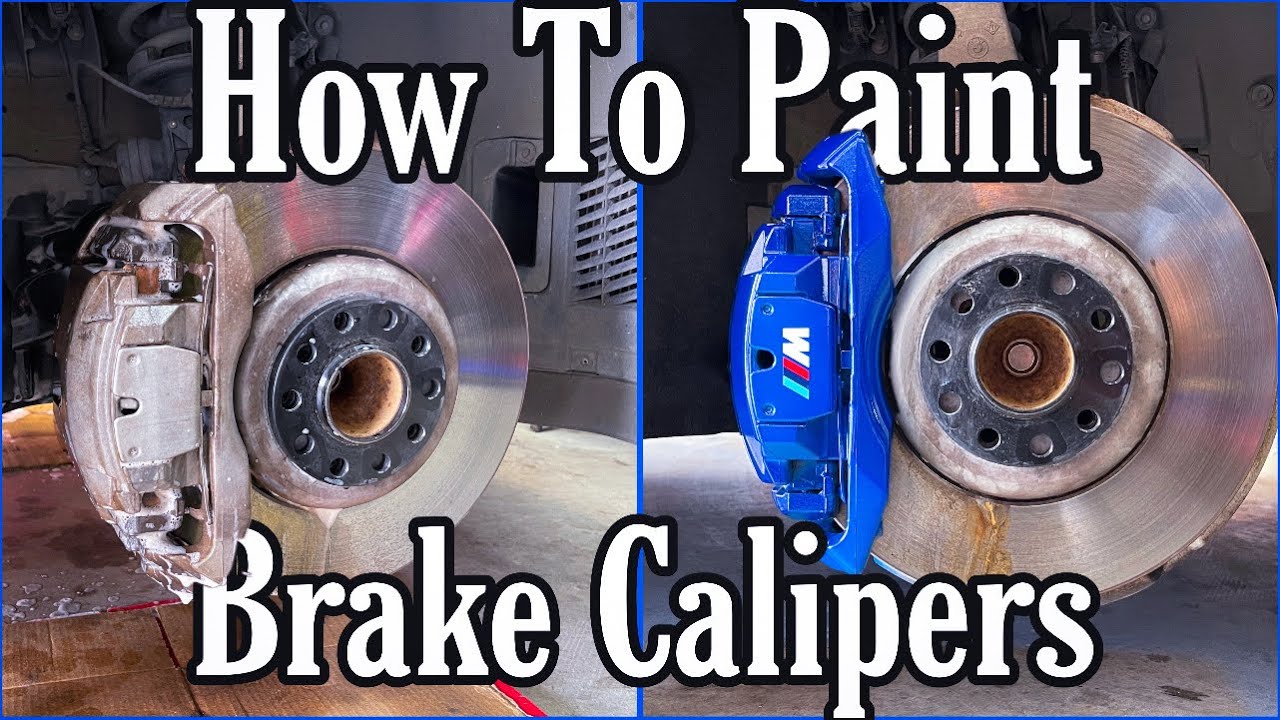
Before learning how to paint brake caliper surfaces, it helps to understand why drivers choose this upgrade. Painted calipers can add a sporty look and make wheels stand out.
Caliper paint is mainly a cosmetic improvement. It does not increase braking power or replace brake maintenance. A clean finish simply makes a vehicle look more customized.
Many enthusiasts choose colors that match their vehicle style. Red, black, silver, and yellow are common choices because they create a strong visual contrast behind alloy wheels.
- ✦ Improved appearance
A painted caliper can refresh the look of a vehicle and hide surface discoloration from age.
- ✦ Affordable customization
Painting calipers usually costs less than replacing brake parts or buying upgraded calipers.
- ✦ Better visual care
A clean painted surface can make routine wheel cleaning easier because dirt is easier to notice.
Tools and Materials Needed Before Starting
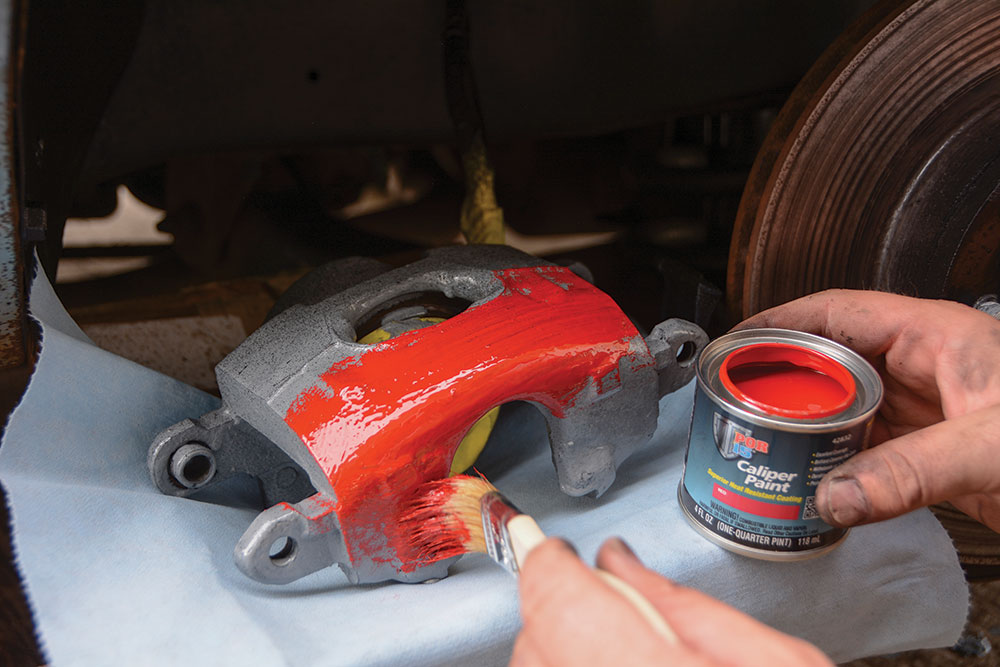
A successful answer to how to paint brake caliper starts with the right supplies. Skipping tools often leads to uneven paint, overspray, or a weak finish.
Choose products designed for automotive brake systems. Regular spray paint may fail because brake areas experience high temperatures during normal driving.
- ✦ Brake cleaner
Removes grease, oil, brake dust, and other contaminants from the caliper surface.
- ✦ High-temperature caliper paint
Designed to handle heat cycles and provide better durability than standard paint.
- ✦ Cleaning tools
Use wire brushes, scrub pads, masking tape, plastic covers, and clean cloths.
- ✦ Safety equipment
Wear gloves, eye protection, and a mask when cleaning or spraying paint.
Choosing the Right Caliper Paint
The best paint for this project is labeled for brake calipers or high-temperature automotive use. These coatings are built to handle heat and resist cracking.
Paint kits often include cleaner, primer, paint, and clear coat. Kits can be useful for beginners because the products are made to work together.
- ✦ Paint type
Brush-on and spray-on options are both available. Brush paint gives more control, while spray paint can create a smoother finish.
How to Prepare Brake Calipers Before Painting
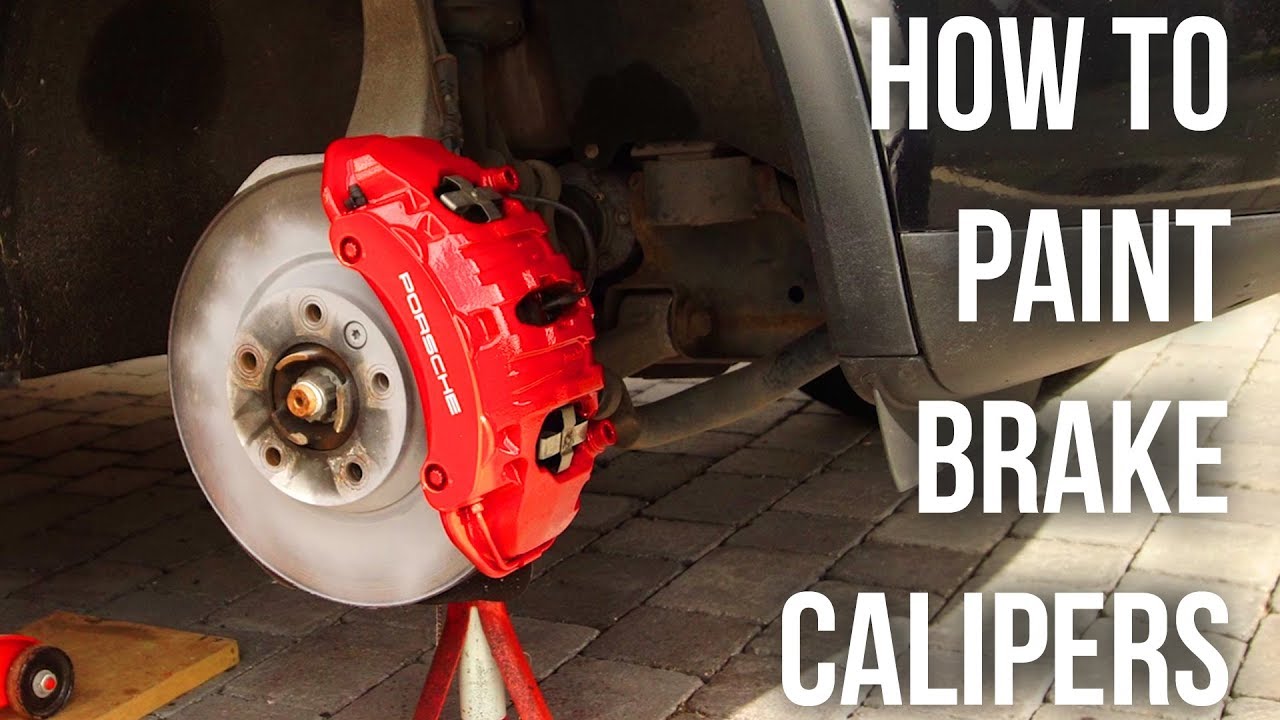
Preparation is the foundation of how to paint brake caliper projects. Paint will not stick well to a dirty or oily surface.
Start by removing loose dirt and brake dust. Then clean the caliper with brake cleaner until the surface feels dry and free of residue.
You do not always need to remove the caliper from the vehicle. Many DIY owners paint calipers while installed, but careful masking is required to protect nearby parts.
- ✦ Clean thoroughly
Remove grease, dirt, rust flakes, and brake dust before applying any coating.
- ✦ Protect nearby areas
Cover rotors, brake pads, hoses, wheels, and suspension parts to prevent unwanted paint.
- ✦ Smooth rough areas
Light sanding or wire brushing helps create a surface where paint can bond.
Should You Remove the Calipers First?
Removing calipers can allow easier access and a cleaner finish, but it requires more mechanical knowledge. Many beginners prefer painting them while installed.
If you remove brake parts, follow proper repair procedures and avoid creating safety issues. Brake systems are critical vehicle components.
- ✦ Installed painting
A simpler method that saves time but requires careful masking.
- ✦ Removed painting
Provides better access but requires more mechanical skill.
Step-by-Step Guide on How to Paint Brake Caliper
The main process of how to paint brake caliper parts is simple when each step is completed carefully. Rushing usually creates drips, uneven coverage, and early peeling.
Work in a clean, dry area with good airflow. Follow the paint manufacturer’s instructions because drying times can vary.

- ✦ Step 1: Clean the caliper
Use brake cleaner and a brush to remove contaminants until the surface is ready.
- ✦ Step 2: Mask the brake system
Cover parts that should not receive paint, including pads and rotors.
- ✦ Step 3: Apply thin coats
Use several light layers instead of one thick layer to avoid runs.
- ✦ Step 4: Allow curing time
Let the paint dry and cure before driving normally.
Brush Versus Spray Application
Brush application gives better control around small areas and is easier for many home mechanics. Spray application can provide a smoother finish but requires stronger masking.
Both methods can work well when the surface is properly prepared.
- ✦ Brush method
Good for beginners who want control and less overspray.
- ✦ Spray method
Good for experienced users who want even coverage.
Common Mistakes When Painting Brake Calipers
Many failed projects happen because people focus on color instead of preparation. Knowing what to avoid is a key part of learning how to paint brake caliper surfaces.
A good finish requires patience. A few extra hours of preparation can prevent peeling and uneven results later.

- ✦ Skipping cleaning
Paint applied over grease or brake dust may fail quickly.
- ✦ Using normal paint
Standard paint may not handle brake temperatures.
- ✦ Applying thick coats
Heavy layers can drip, crack, or take too long to cure.
How Long Does Brake Caliper Paint Last?
The lifespan of painted calipers depends on preparation, paint quality, driving conditions, and maintenance habits. A careful job can maintain its appearance for years.
Vehicles in areas with road salt, harsh weather, or heavy brake use may need more frequent touch-ups. Regular wheel cleaning helps protect the finish.

- ✦ Weather conditions
Moisture, salt, and extreme temperatures can affect paint durability.
- ✦ Maintenance
Gentle cleaning helps preserve the color and finish.