Are Brake Caliper Brackets Universal: Clear Answers and Key Facts
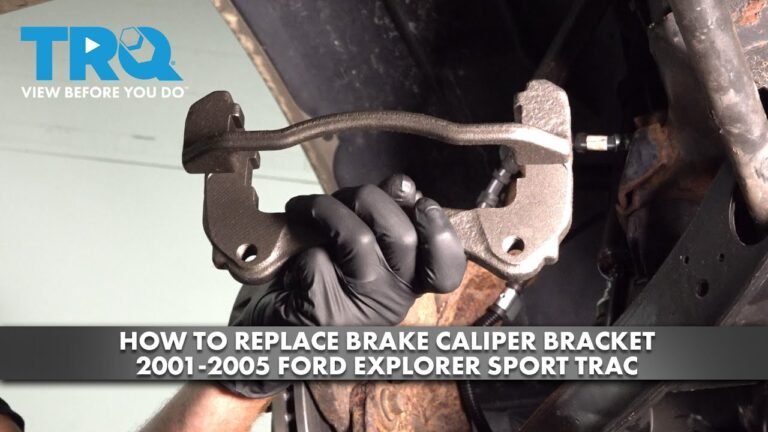
No, brake caliper brackets are generally not universal. While they might appear similar at a glance, these critical components are highly specific to a vehicle’s make, model, year, and even specific trim level or brake system configuration. This article explains the crucial reasons behind this specificity and the practical implications for anyone considering brake system maintenance or upgrades.
Imagine trying to fit a custom-tailored suit meant for someone else, hoping it will somehow conform perfectly to your unique measurements. It might seem close, but the subtle differences in cut, length, and width would make it uncomfortable, ill-fitting, and ultimately unsuitable for its intended purpose. Similarly, a brake caliper bracket, though seemingly a simple piece of metal, is precisely engineered to integrate with a specific vehicle’s suspension, wheel hub, and brake caliper design.
Overlooking these precise tolerances can lead to severe safety hazards and costly damage.
Why Brake Caliper Brackets Are Vehicle-Specific
The specificity of brake caliper brackets stems from several interconnected engineering and design factors. Each element plays a crucial role in ensuring the safe and effective operation of a vehicle’s braking system.
Mounting Points and Bolt Patterns
One of the primary reasons for non-universality is the variation in mounting points and bolt patterns. A caliper bracket must align perfectly with the mounting holes on the vehicle’s steering knuckle or axle housing. These holes differ significantly in their spacing, diameter, and orientation across various car manufacturers and models.
Even within the same manufacturer, different platforms or generations of vehicles will have unique mounting specifications.
Attempting to force a bracket with an incorrect bolt pattern can lead to stripped threads, misaligned components, or an insecure attachment. Such an installation would compromise the structural integrity of the entire brake assembly, making it extremely dangerous.
Caliper Design and Size
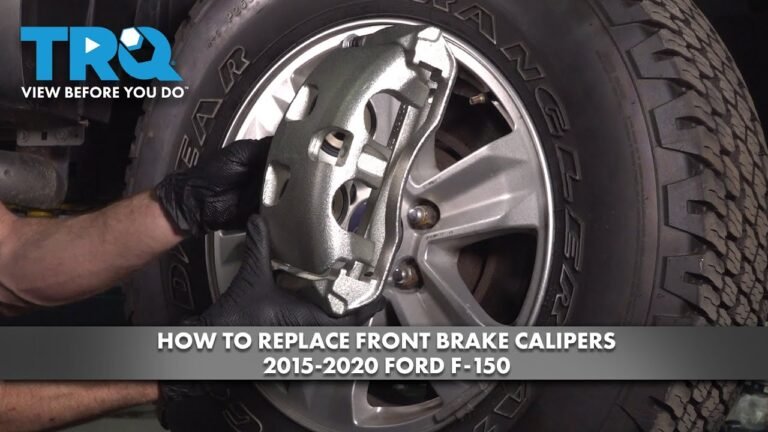
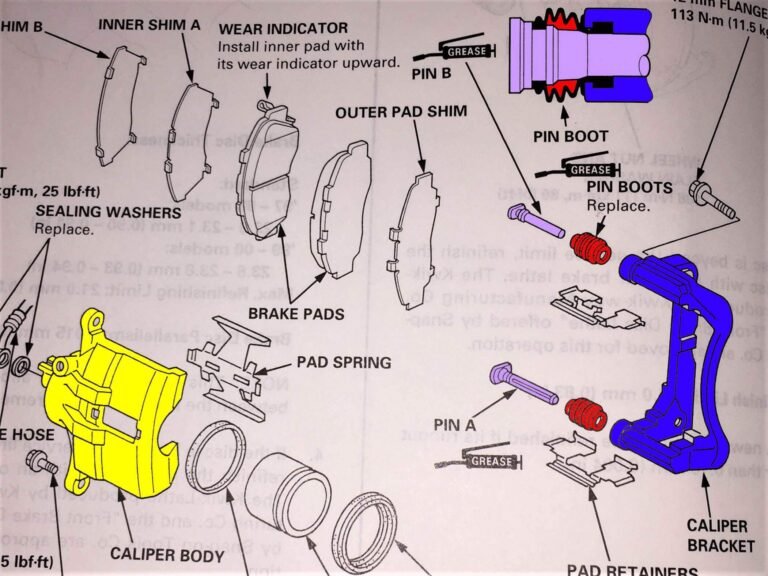
Brake calipers themselves come in a vast array of designs and sizes, from single-piston floating calipers to multi-piston fixed calipers. The bracket is specifically designed to accommodate the particular caliper it supports. This includes the distance between the caliper’s mounting ears, the diameter of the mounting bolts, and the overall clearance required for the caliper body to move or remain stationary without interference.
A bracket designed for a smaller, single-piston caliper will not correctly hold a larger, multi-piston caliper, and vice-versa. The bracket’s geometry ensures the caliper is positioned correctly relative to the brake rotor.
Rotor Diameter and Thickness
The brake caliper bracket also dictates the position of the caliper relative to the brake rotor. Different vehicles use rotors of varying diameters and thicknesses. The bracket’s design ensures the caliper is centered over the rotor and that the brake pads make full contact with the rotor’s surface.
If the bracket positions the caliper incorrectly, the pads might only partially contact the rotor, leading to reduced braking efficiency, uneven wear, and premature failure.
An incorrect bracket could also cause the caliper to rub against the rotor, leading to noise, excessive heat, and potential damage to both components.
Wheel Clearance and Suspension Geometry
Vehicle manufacturers meticulously design brake systems to fit within the constraints of the wheel and suspension components. The caliper bracket’s shape and dimensions are engineered to provide adequate wheel clearance, preventing interference with the wheel rim or spokes. It also considers the suspension geometry, ensuring that the brake assembly moves correctly through its range of motion without binding or impacting other parts.
Using a bracket that is too large or shaped incorrectly could lead to contact with the wheel, especially during turns or suspension compression. This can cause significant damage and pose a serious safety risk.
Material Strength and Engineering Tolerances
Brake caliper brackets are subjected to immense forces during braking. They are typically made from high-strength cast iron or aluminum alloys. The material composition, casting process, and specific engineering tolerances are all critical for the bracket’s ability to withstand these stresses without deforming or failing.
Aftermarket or generic brackets might not meet the same rigorous specifications as original equipment (OE) parts, potentially compromising safety.
Even a slight deviation in material properties or manufacturing precision can lead to a weakened component that could fail under extreme braking conditions.
Risks of Using an Incorrect Caliper Bracket
The temptation to use a “close enough” or generic brake caliper bracket can arise, perhaps due to cost savings or availability. However, the risks associated with such a decision are severe and far outweigh any perceived benefits.
- Catastrophic Brake Failure: The most critical risk is the potential for complete brake failure. An improperly mounted or stressed bracket can break, causing the caliper to detach from the vehicle. This would result in an immediate loss of braking ability for that wheel, leading to a severe accident.
- Reduced Braking Performance: Even if a bracket doesn’t fail outright, an incorrect fit can lead to compromised braking. Misalignment can cause uneven pad wear, reduced friction, and increased stopping distances. The vehicle may pull to one side during braking, making it difficult to control.
- Premature Component Wear: Incorrect brackets can cause accelerated wear on brake pads, rotors, and even the caliper itself. Misalignment or improper clearance can lead to excessive heat, glazing of pads, and warping of rotors, necessitating more frequent and costly repairs.
- Noise and Vibration: An ill-fitting bracket can introduce unwanted noise (squealing, grinding, clunking) and vibrations during braking or even while driving. These symptoms indicate a problem and can be a source of constant annoyance.
- Damage to Other Components: Beyond the brake system, an incorrect bracket can cause damage to wheels, tires, suspension components, and even steering linkages due to interference or improper load distribution.
- Voided Warranty: Using non-specified or incorrect parts can void the warranty on your vehicle’s brake system or even the entire vehicle, depending on the manufacturer’s terms.
Identifying the Correct Brake Caliper Bracket
Given the critical nature of these components, correctly identifying the right brake caliper bracket for your vehicle is paramount. Here’s how to ensure you get the correct part:
Use Your Vehicle’s VIN
The most reliable method is to use your vehicle’s Vehicle Identification Number (VIN). When purchasing parts from a dealership or reputable auto parts store, providing your VIN allows them to look up the exact specifications and part numbers for your specific vehicle. The VIN encodes all the necessary information about your car, including its make, model, year, engine type, and original equipment options.
Consult Manufacturer Part Numbers
If you are replacing an existing bracket, look for any stamped or cast manufacturer part numbers on the old component. These numbers can often be cross-referenced with parts catalogs to find an exact match or equivalent aftermarket part.
Refer to OEM Part Catalogs
Original Equipment Manufacturer (OEM) part catalogs, often available online or through dealerships, are invaluable resources. They provide detailed diagrams and part numbers specific to each vehicle configuration. Many reputable aftermarket parts suppliers also maintain extensive databases that allow you to search by make, model, year, and engine size.
Consider Trim Level and Options
Remember that even within the same make, model, and year, different trim levels or optional packages can significantly affect brake system components. For example, a vehicle with a “sport” package might have larger brakes than a base model, requiring different caliper brackets. Always specify these details when looking up parts.
Professional Guidance
If you are unsure, always consult with a qualified mechanic or automotive parts specialist. They have the expertise and access to specialized databases to ensure you get the correct brake caliper brackets for your application. This is especially important for performance upgrades or custom brake setups, which require careful engineering and selection of compatible components.
Aftermarket vs. OEM Brake Caliper Brackets
When replacing brake caliper brackets, you generally have two main options: Original Equipment Manufacturer (OEM) parts or aftermarket parts.
OEM Brackets
OEM brackets are manufactured by the original company that supplied the parts to the vehicle manufacturer, or by the vehicle manufacturer itself. They are designed to exact specifications, ensuring a perfect fit and performance identical to the factory-installed part. While often more expensive, OEM parts offer peace of mind regarding quality, durability, and compatibility.
Aftermarket Brackets
Aftermarket brackets are produced by companies other than the original equipment supplier. These can vary widely in quality and price. Some aftermarket manufacturers produce high-quality parts that meet or exceed OEM specifications, often at a lower cost.
Others may offer cheaper alternatives that compromise on material quality, precision, or finish. It is crucial to choose reputable aftermarket brands known for their quality and adherence to safety standards.
When considering aftermarket brake caliper brackets, research the brand thoroughly, read reviews, and ensure the part is explicitly listed as compatible with your vehicle’s exact specifications. Avoid generic or unbranded parts, as these pose the highest risk.
When Brackets Might Seem “Universal” (But Aren’t)
There are niche situations where a bracket might appear interchangeable, but this is usually within a very specific context, not true universality.
Platform Sharing
Some vehicle manufacturers use platform sharing, where multiple models from the same brand (or even different brands within the same automotive group) share common chassis and suspension components. In such cases, brake components, including brackets, might be identical across those specific shared platforms. However, this is not universality; it’s shared design within a controlled environment.
You still need to verify compatibility for your exact vehicle.
Performance Upgrades
When upgrading to a larger brake system (e.g., “big brake kits”), specialized adapter brackets are often used. These are custom-designed to allow a larger caliper and rotor (from a different vehicle or an aftermarket performance kit) to be mounted onto the original vehicle’s spindle. These adapter brackets are highly specific to the combination of the original vehicle, the new caliper, and the new rotor.
They are not universal and require precise engineering to ensure safety and proper function.
These adapter brackets are a prime example of how even when changing components, the mounting solution remains highly specific and engineered, rather than universal.
Conclusion
Brake caliper brackets are definitively not universal components. Their precise design and engineering are critical for the safety and performance of your vehicle’s braking system. Attempting to use an incorrect bracket can lead to severe safety hazards, compromised braking performance, and costly damage to other components.
Always prioritize obtaining the correct, vehicle-specific brake caliper brackets, ideally by using your VIN or consulting with a qualified professional, to ensure your brakes function as intended and keep you safe on the road.