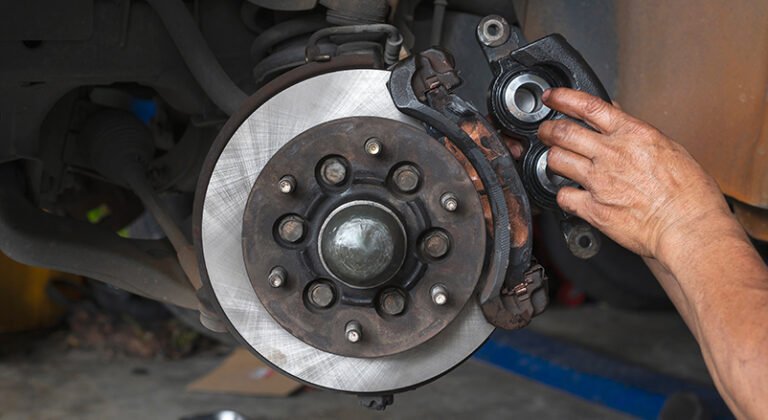
How to Replace Brake Caliper Piston Seal: Complete Step-by-Step Guide
Learning how to replace brake caliper piston seal is a useful skill for vehicle owners who want to understand brake maintenance. A worn seal can allow brake fluid leaks and may prevent the caliper from working correctly.
From years of brake service experience, the most important lesson is that cleanliness matters. A small amount of dirt inside the caliper bore can shorten the life of a new seal and create future brake problems.
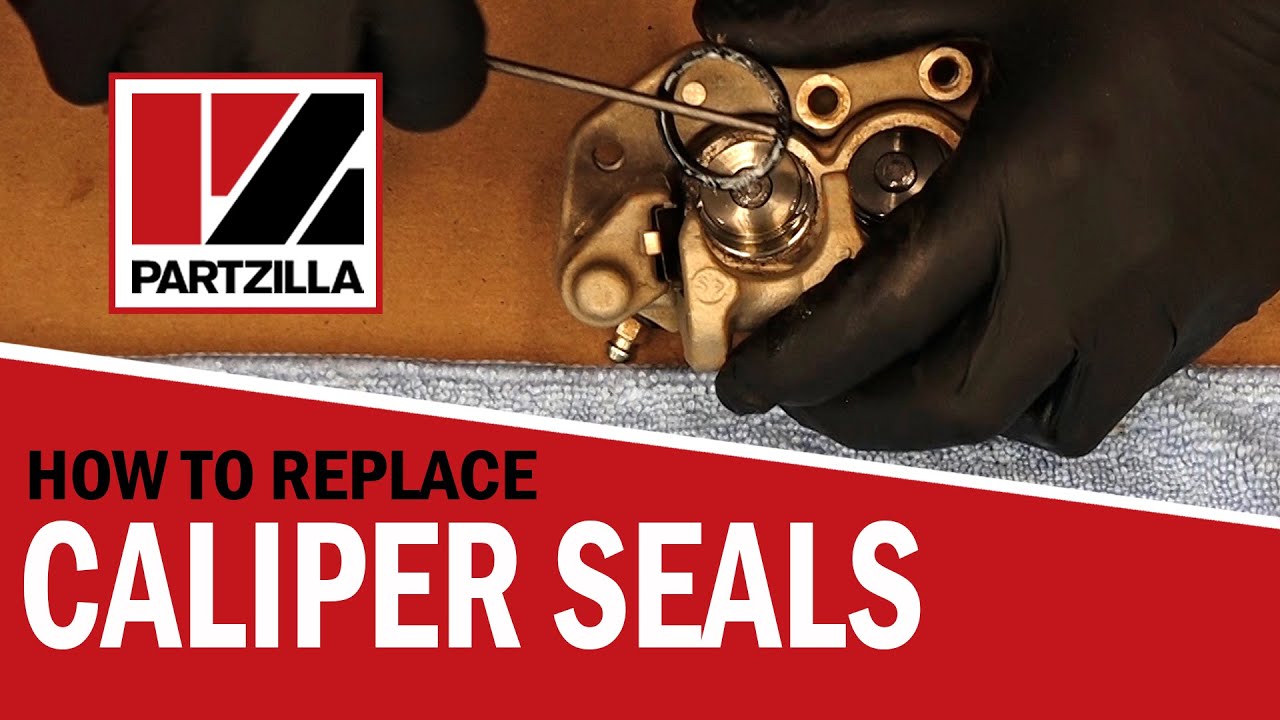
Understanding the brake caliper piston seal and its purpose
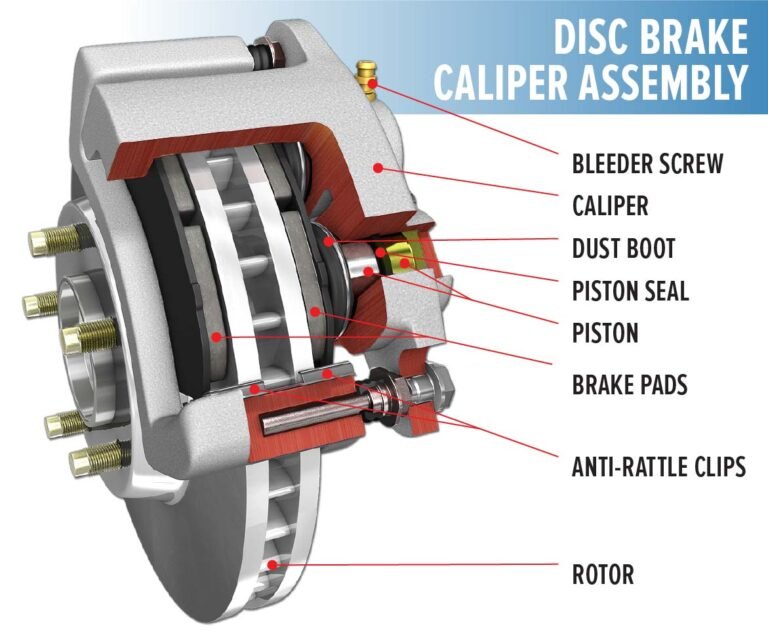
The brake caliper piston seal is a small rubber ring inside the caliper body. It keeps brake fluid contained and helps the piston move smoothly when you press the brake pedal.
When the seal becomes hard, cracked, or damaged, the piston may stick or leak. This can reduce braking performance and cause uneven pad wear.
- ✦ Fluid protection
The seal keeps hydraulic brake fluid inside the caliper system.
- ✦ Piston movement
The seal allows the piston to move in and return correctly after braking.
Signs you may need to replace a brake caliper piston seal
Before learning how to replace brake caliper piston seal, confirm that the seal is the actual problem. Several brake issues can look similar.
A careful inspection can prevent unnecessary repairs and help you decide whether a rebuild kit or a complete caliper replacement is needed.
- ✦ Brake fluid leak
Fluid around the caliper area may show that the piston seal has failed.
- ✦ Sticking brake
A damaged seal may stop the piston from releasing after braking.
- ✦ Uneven pad wear
A faulty caliper can keep pressure on one brake pad.
Common causes of seal failure
Age, heat, moisture, corrosion, and contaminated brake fluid are common reasons seals fail. Vehicles used in areas with road salt may experience more caliper corrosion.
- ✦ Corrosion
Rust inside the piston area can damage the seal surface.
Tools and parts needed for brake caliper piston seal replacement
Having the correct tools makes the repair safer and easier. Brake parts require care because mistakes can affect stopping ability.
A quality caliper rebuild kit should match your vehicle’s year, make, and model.
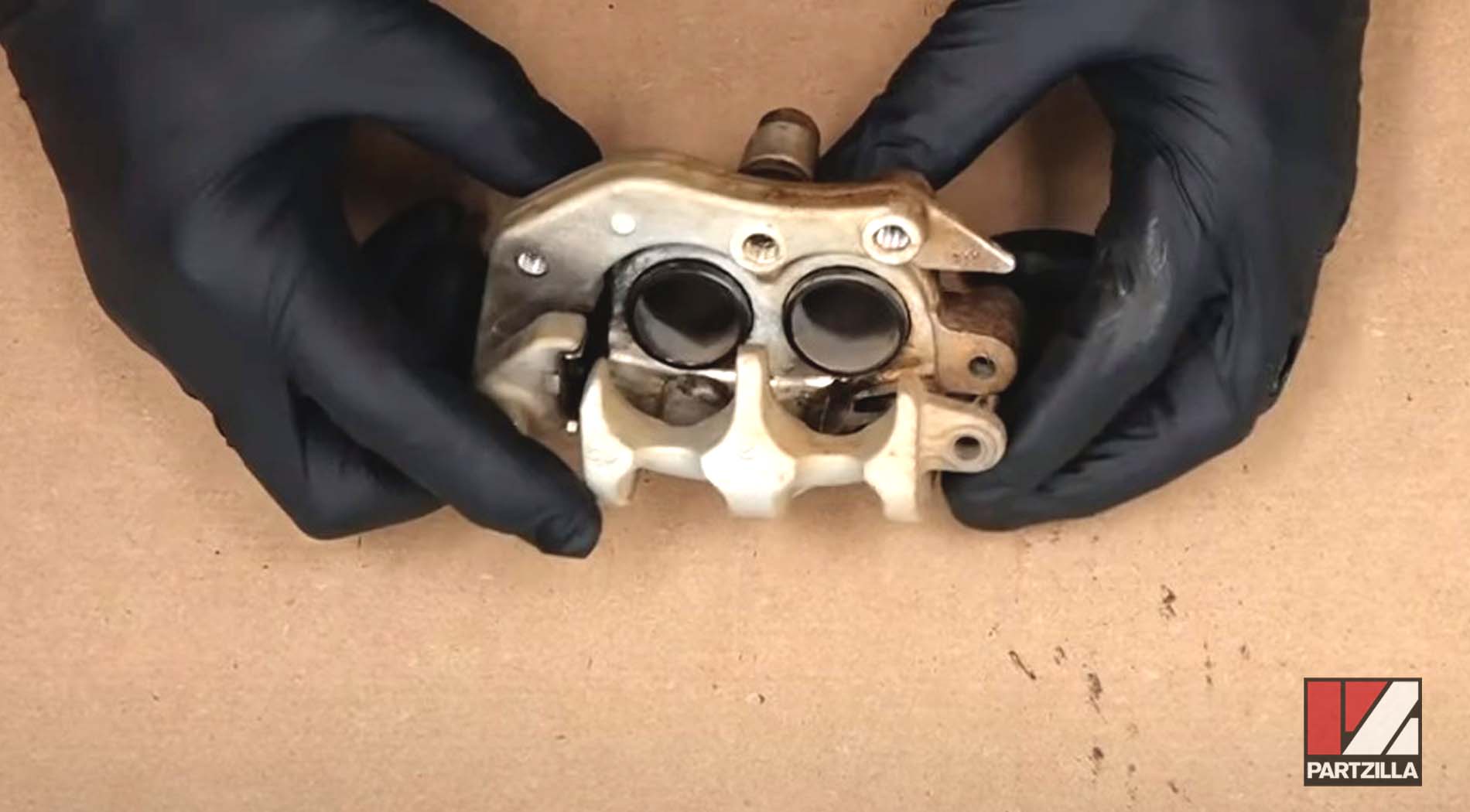
- ✦ Basic tools
Use sockets, wrenches, screwdrivers, brake cleaner, and a torque wrench.
- ✦ Replacement parts
Use a new piston seal and dust boot from a reliable brake rebuild kit.
- ✦ Safety items
Wear gloves, eye protection, and use proper vehicle support stands.
Step-by-step guide on how to replace brake caliper piston seal
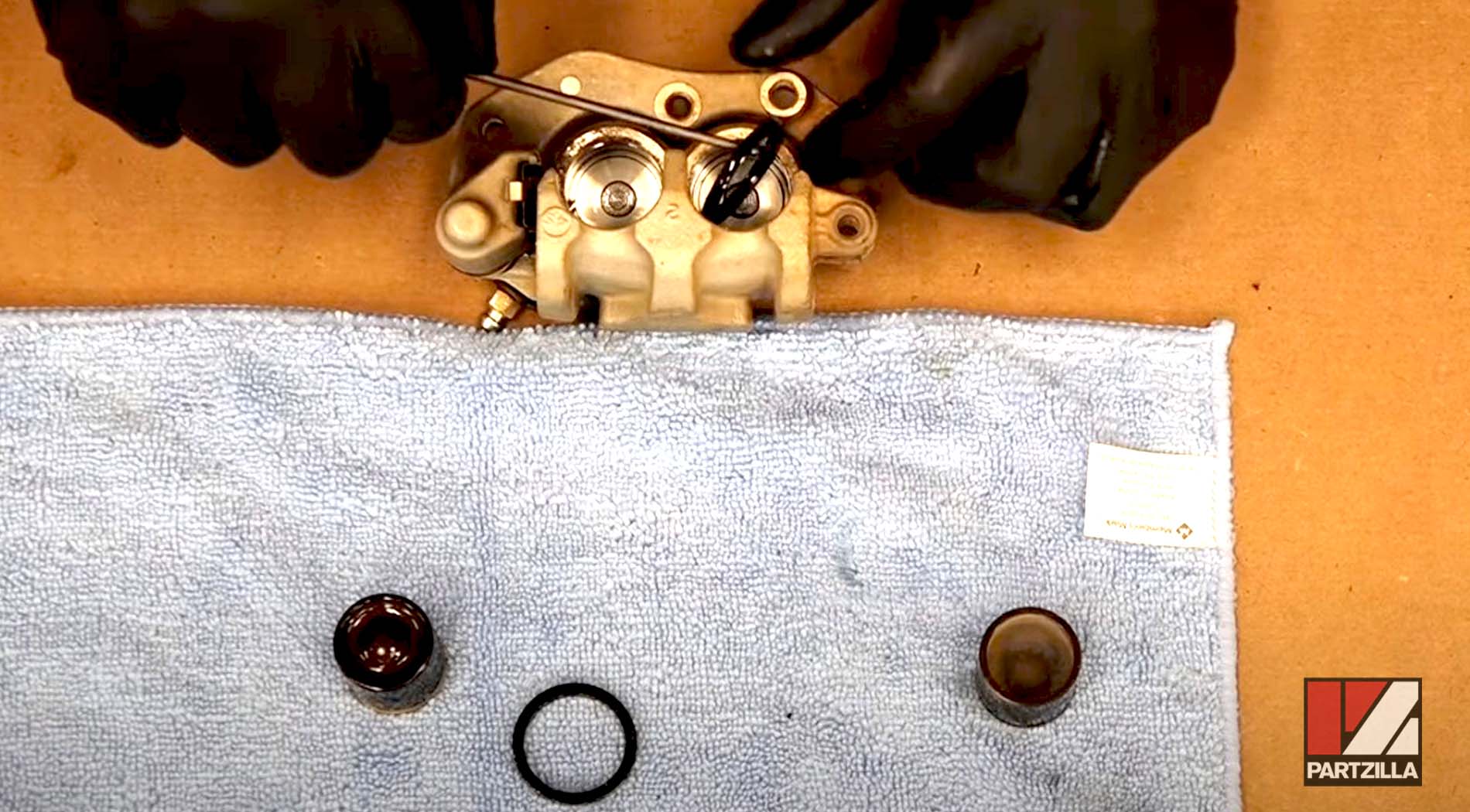
The process starts by removing the caliper and safely releasing the piston. Work slowly because the piston and seal surfaces must remain clean.
After removing the old seal, inspect every part before installing the new one. A damaged piston or corroded bore may require a different repair.
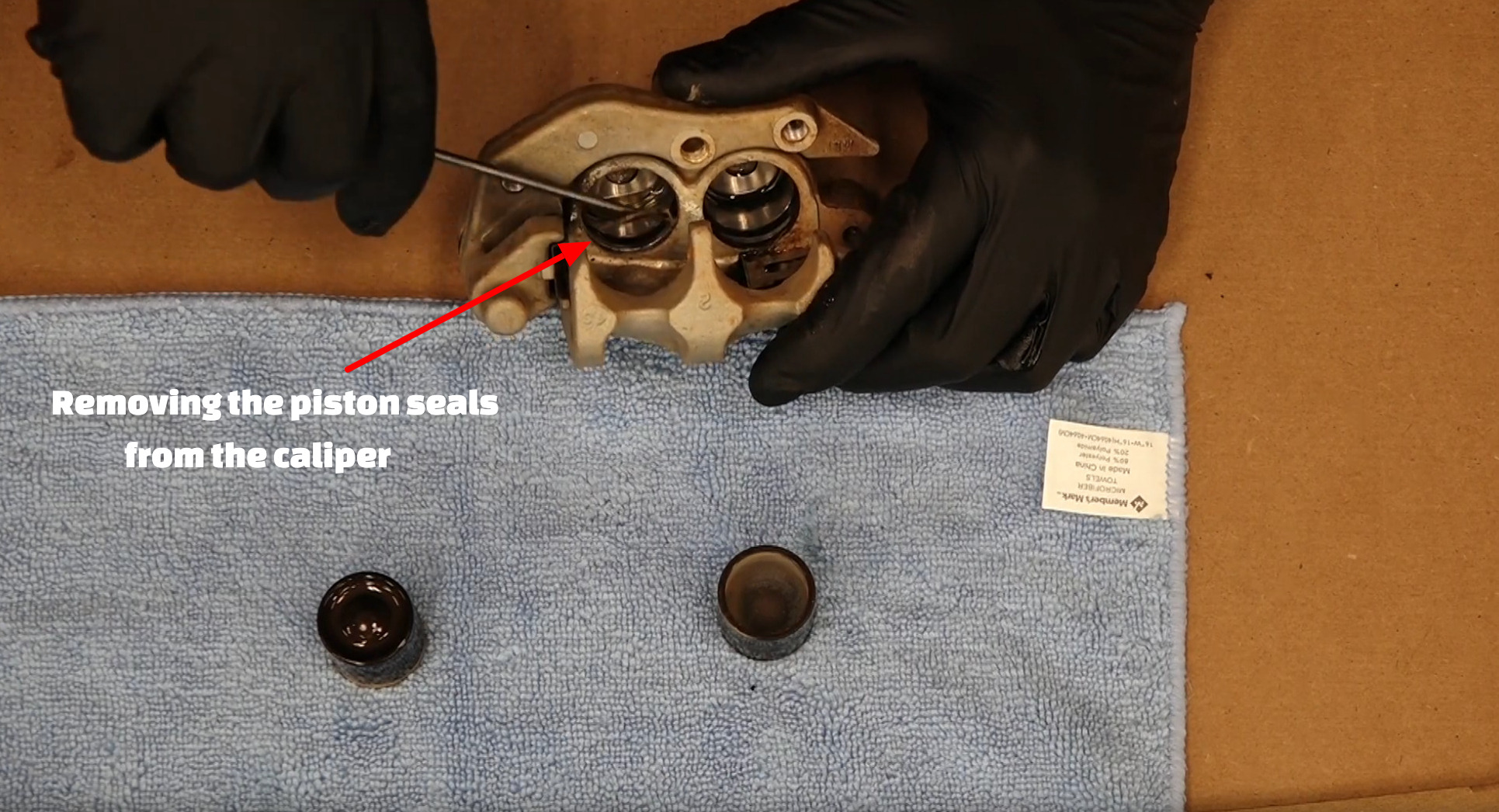
- ✦ Step 1: Remove the caliper
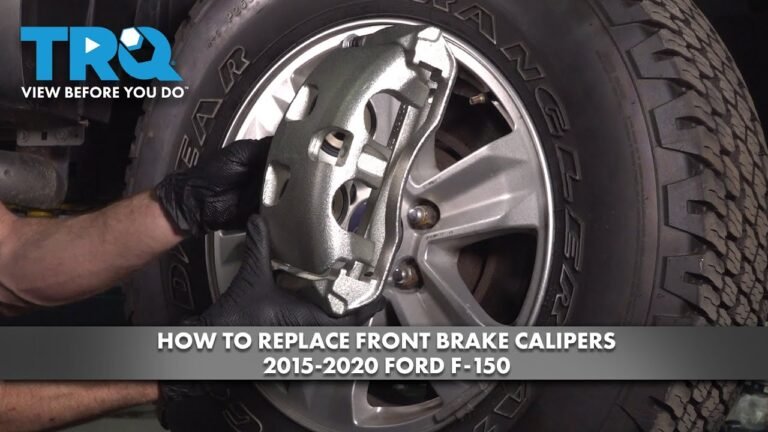
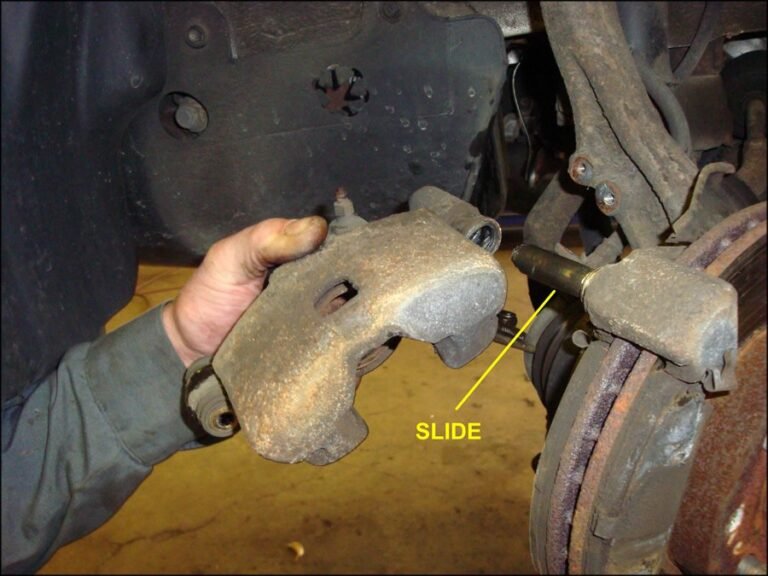
Lift the vehicle safely, remove the wheel, and disconnect the caliper.
- ✦ Step 2: Remove the piston
Use controlled pressure to push the piston out without damaging the caliper.
- ✦ Step 3: Replace the seal
Remove the old seal, clean the groove, and install the new seal correctly.
- ✦ Step 4: Reassemble and test
Install the piston, reconnect the caliper, bleed the brakes, and check operation.
Cleaning and inspecting the caliper bore
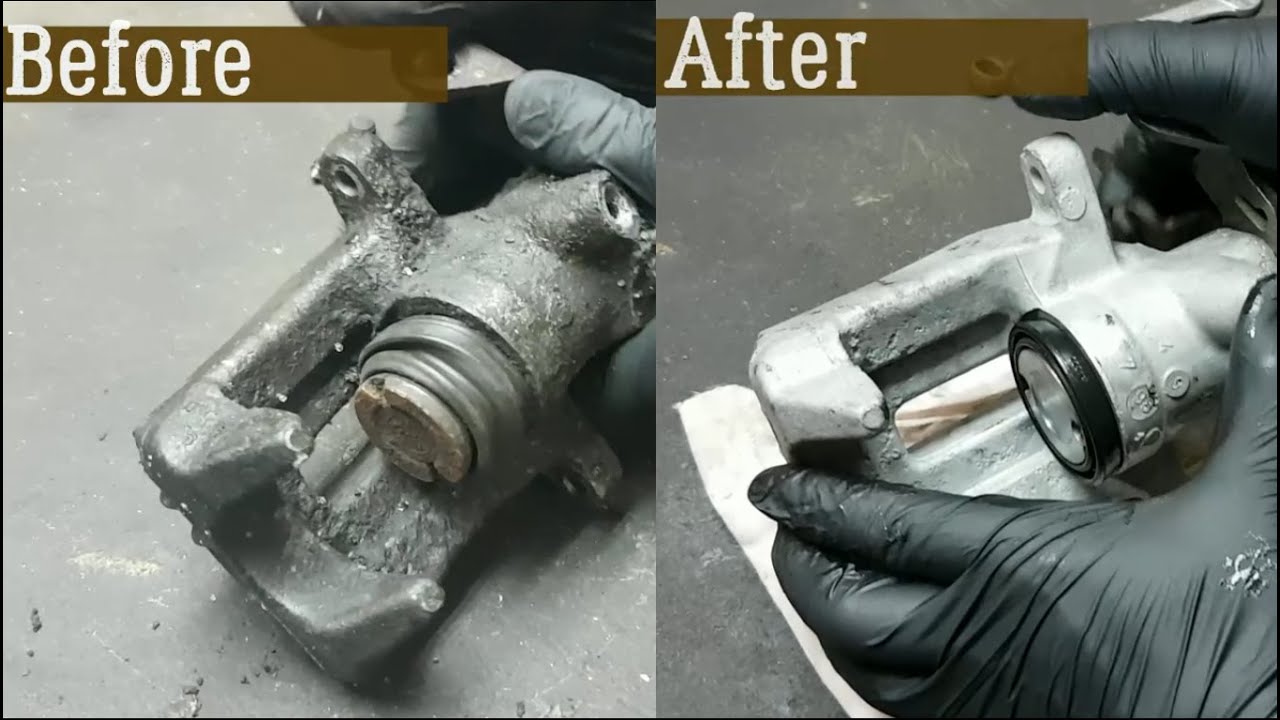
Clean the bore with approved brake cleaner and inspect for scratches or rust. The new seal needs a smooth surface to work properly.
- ✦ Avoid damage
Do not use sharp tools that can cut the seal groove.
Brake bleeding and final checks after seal replacement
After you finish learning how to replace brake caliper piston seal, the final steps are just as important as the rebuild. Air in the brake lines can create a soft pedal.
Always test the brakes at low speed before normal driving. Check for leaks and confirm that the vehicle stops evenly.
- ✦ Bleed the brake system
Remove trapped air and restore proper hydraulic pressure.
- ✦ Check for leaks
Inspect the caliper and brake hose connections carefully.
Professional tips for a successful brake caliper rebuild
Many brake repairs fail because people rush the cleaning stage. Take extra time to prepare the parts before installing new seals.
A professional mechanic checks the entire brake system, not just the failed seal. Pads, rotors, hoses, and fluid condition should also be reviewed.
- ✦ Use correct brake fluid
Only use the fluid type listed in the vehicle owner’s manual.
- ✦ Replace damaged parts
Do not reuse worn pistons or damaged rubber components.