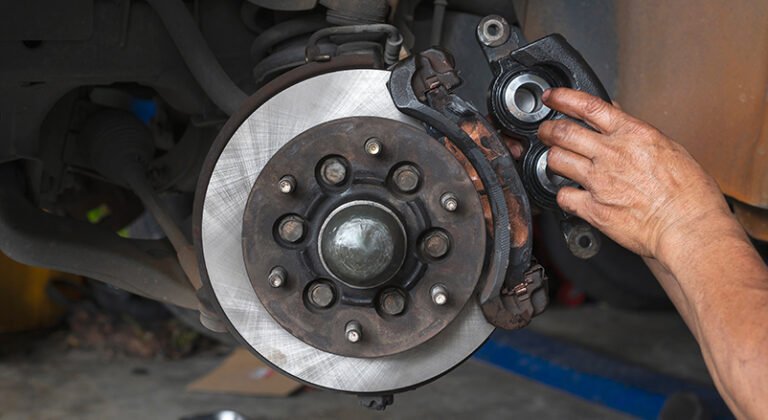
How to Release Pressure in Brake Caliper: A Complete Step-by-Step Guide
Knowing how to release pressure in brake caliper systems can help you diagnose a dragging brake, uneven braking, or a wheel that feels unusually hot. A brake caliper should apply pressure when you press the pedal and release that pressure when you let go. When it stays engaged, the vehicle may pull, lose fuel efficiency, or wear brake parts faster.
From years of brake service work, one common lesson is that a stuck caliper is often a symptom, not the root problem. A careful inspection of the piston, brake hose, fluid, and slide pins helps prevent repeat failures. This guide explains how to release pressure in brake caliper systems while keeping safety as the top priority.
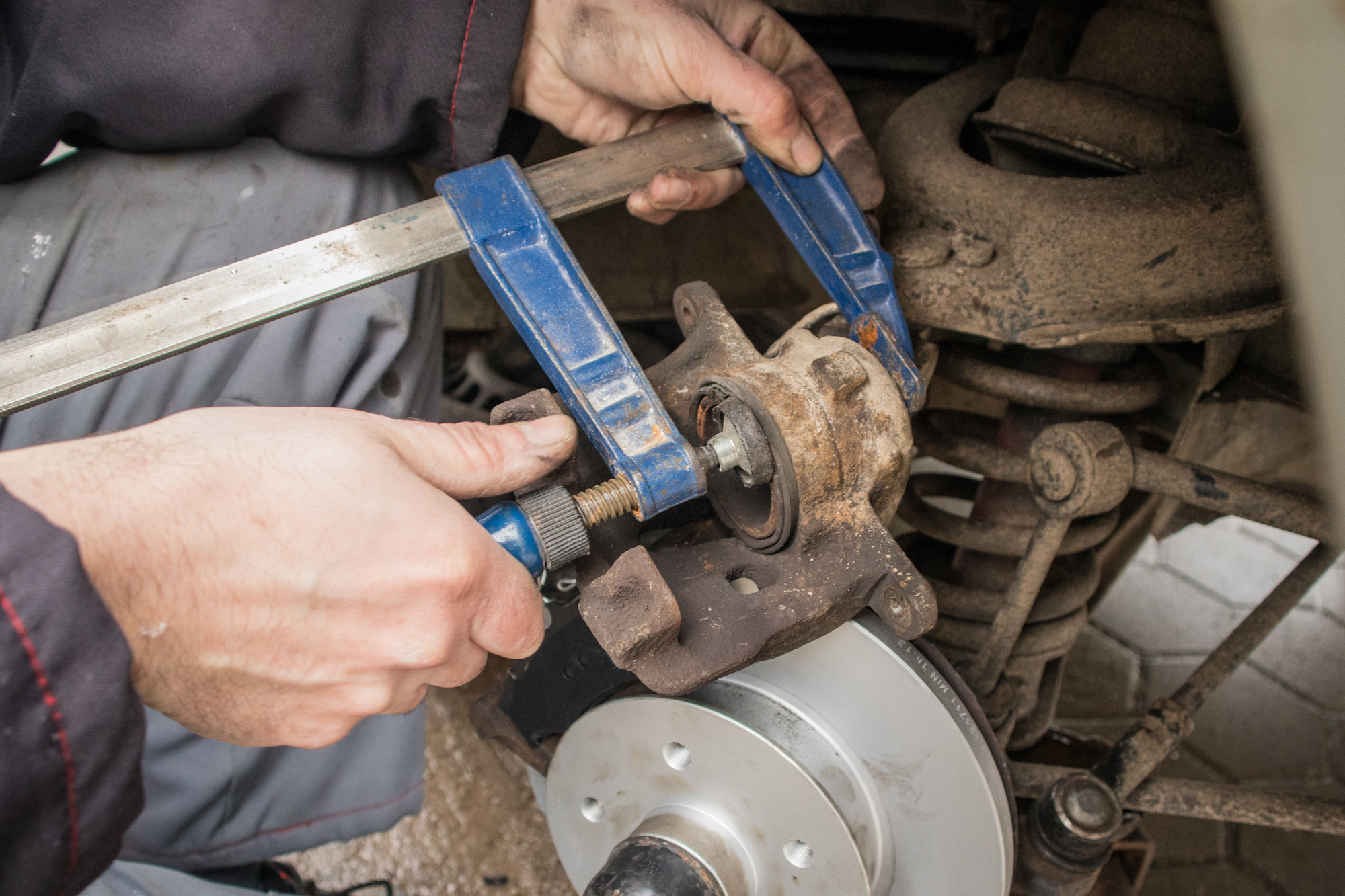
Understanding Why Brake Caliper Pressure Gets Trapped
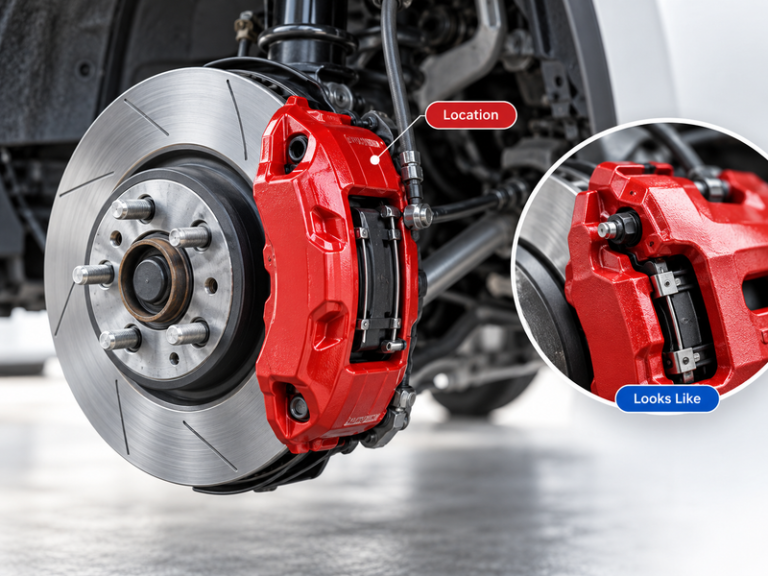
A brake caliper uses hydraulic pressure to push the piston against the brake pad. After braking, that pressure should drop so the pads move away slightly from the rotor. If the pressure remains, the brake can stay partially applied.
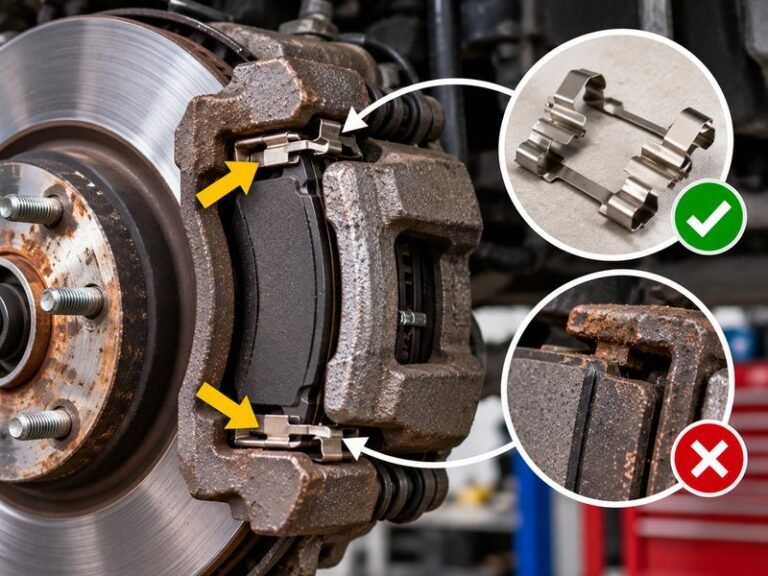
The most common reasons include a blocked brake hose, dirty brake fluid, a seized caliper piston, or damaged caliper hardware. Finding the cause is important because simply releasing pressure may only provide a temporary fix.

- ✦ Blocked brake hose
An old or damaged hose can act like a one-way valve and trap fluid pressure inside the caliper.
- ✦ Stuck caliper piston
Rust, dirt, or worn seals can stop the piston from moving back after braking.
- ✦ Brake fluid problems
Moisture or contaminated fluid can affect hydraulic movement and brake performance.
Signs That Your Brake Caliper Has Excess Pressure
A dragging brake often creates clear warning signs. You may notice a burning smell, reduced acceleration, uneven brake pad wear, or a vehicle pulling to one side.
A hot wheel after normal driving is another clue. Always allow brakes to cool before inspection because brake parts can reach dangerous temperatures.
- ✦ Wheel heat
A wheel that is much hotter than the others may have a brake that is not releasing.
- ✦ Poor rolling
The vehicle may feel slower because a brake pad continues touching the rotor.
Tools Needed Before You Release Pressure in Brake Caliper
Before learning how to release pressure in brake caliper systems, prepare the correct tools. Using the wrong equipment can damage brake parts or create a safety risk.
A clean work area and proper safety gear are just as important as the tools. Always support the vehicle with approved jack stands instead of relying only on a jack.
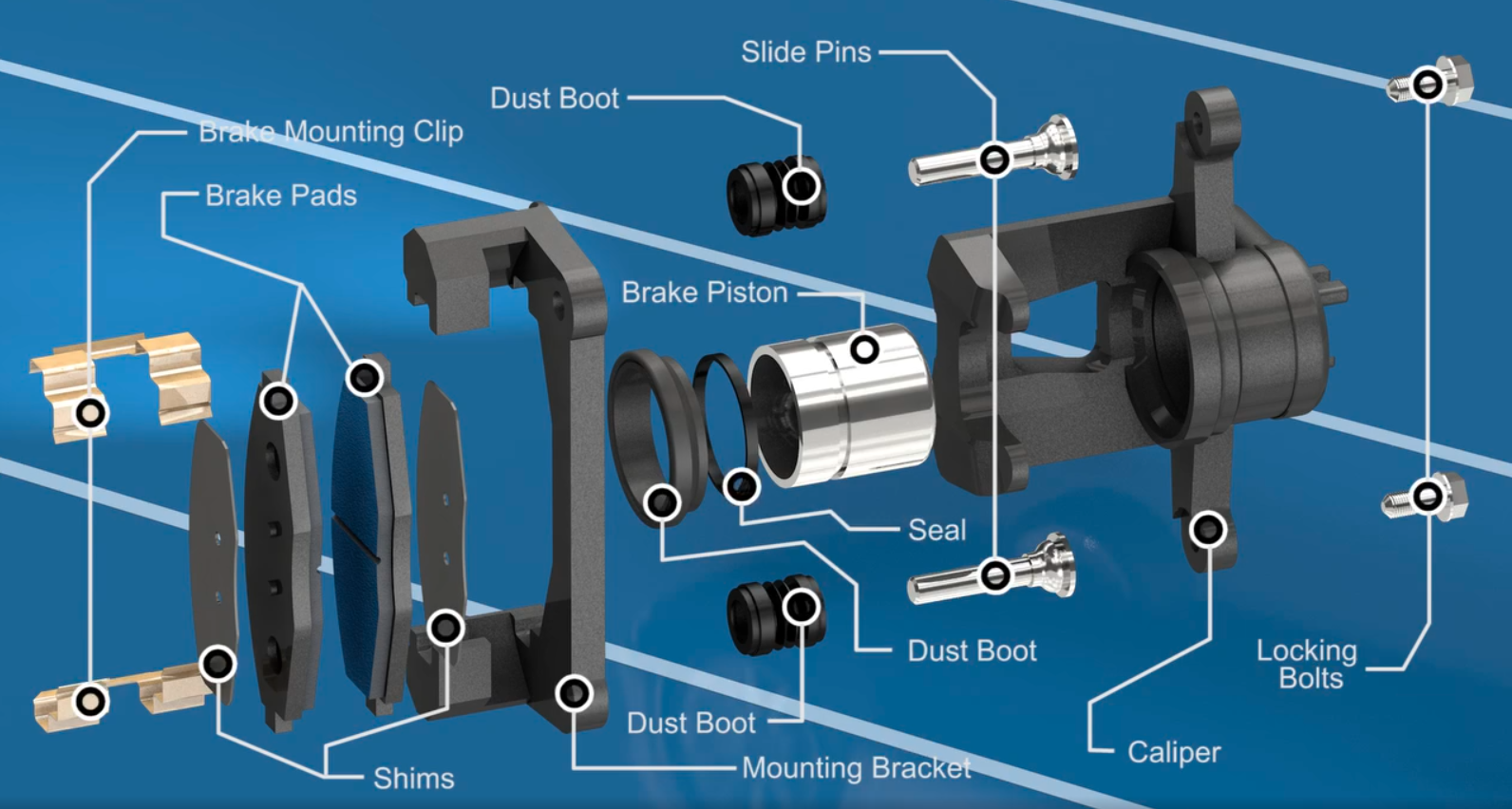
- ✦ Basic tools
You may need a wrench, brake bleeder hose, brake cleaner, gloves, and a piston compression tool.
- ✦ Safety equipment
Use eye protection and gloves because brake fluid can irritate skin and damage painted surfaces.
Why Preparation Matters
Many brake problems become worse when repairs are rushed. Keeping parts clean and organized helps prevent contamination and mistakes during the process.
- ✦ Clean workspace
A clean area makes it easier to notice leaks, damaged parts, or worn components.
Step-by-Step: How to Release Pressure in Brake Caliper
The process of how to release pressure in brake caliper systems depends on the reason pressure remains. Start with simple checks before replacing parts.
Never open brake components without understanding the system. Brake fluid loss or air entering the lines can affect braking ability.
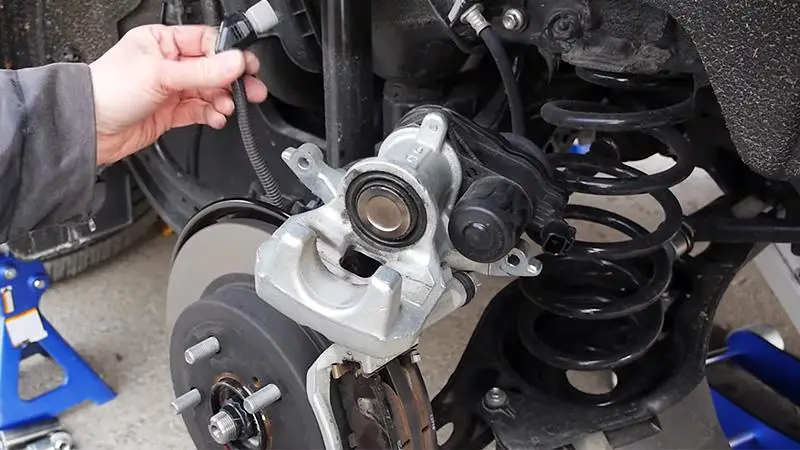
- ✦ Step 1: Let the brakes cool
Wait until the wheel and brake parts are safe to touch before starting work.
- ✦ Step 2: Check brake fluid pressure
Opening the bleeder screw briefly can show whether trapped hydraulic pressure is causing the issue.
- ✦ Step 3: Retract the piston
Use the correct tool to slowly push the piston back if the caliper design allows it.
Using the Bleeder Valve to Reduce Pressure
The bleeder valve allows trapped brake fluid pressure to escape. Attach a hose to the valve and open it carefully while collecting the fluid.
If releasing the bleeder valve makes the brake release, the problem may be upstream, such as a brake hose issue. If nothing changes, the caliper itself may need inspection.
- ✦ Avoid contamination
Keep dirt away from the bleeder opening and replace fluid according to manufacturer guidance.
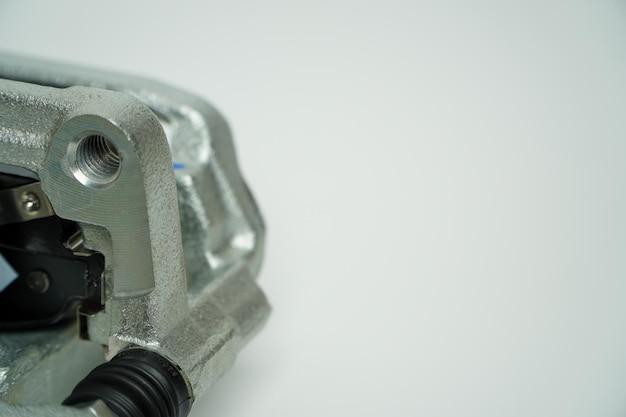
How to Release a Stuck Brake Caliper Piston
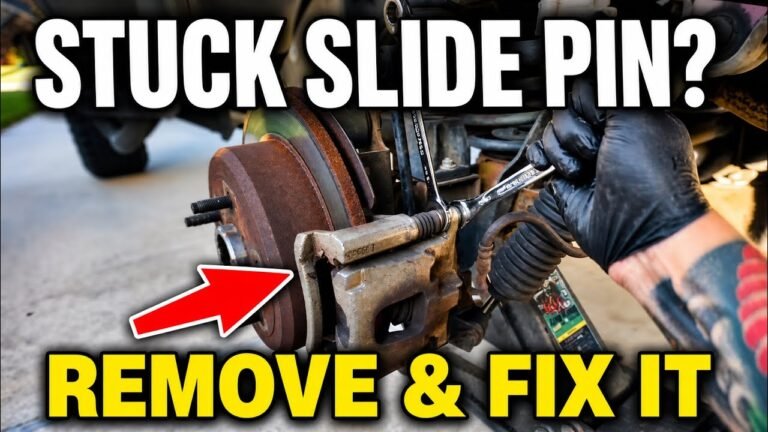
A stuck piston is one of the most common reasons a brake caliper will not release. The piston must move smoothly inside the caliper body for proper braking operation.
If the piston has light resistance, careful cleaning and proper compression may help. A severely corroded piston usually requires caliper rebuilding or replacement.
- ✦ Inspect the piston boot
A torn rubber boot can allow water and dirt inside, leading to corrosion.
- ✦ Compress slowly
Apply steady pressure and avoid forcing the piston because internal damage can occur.
Rear Brake Caliper Considerations
Some rear calipers include parking brake mechanisms. These may require a special tool that rotates and pushes the piston at the same time.
Forcing a rear piston straight inward can damage the internal mechanism on many vehicles.
- ✦ Check vehicle design
Always confirm the correct piston reset method for your specific vehicle.
Common Mistakes When Releasing Brake Caliper Pressure
Many brake repairs fail because the visible problem gets fixed without finding the real cause. A caliper that keeps locking may need more than pressure release.
Taking time to inspect every component can save money and improve vehicle safety.

- ✦ Ignoring the brake hose
A damaged hose can continue causing pressure problems even after the caliper is serviced.
- ✦ Using incorrect tools
Improvised tools can damage pistons, seals, and brake components.
- ✦ Skipping a brake test
Always confirm proper brake operation before normal driving.
When Professional Repair Is Safer
Brake systems are safety parts, not just mechanical parts. If you find leaks, damaged lines, or severe corrosion, professional repair is the safer choice.
A qualified technician can test hydraulic pressure and identify hidden problems that may not be visible during a basic inspection.
- ✦ Brake fluid leaks
Any active leak requires immediate attention before driving.