How to Replace Brake Caliper Seals: A Complete Step-by-Step Guide
Learning how to replace brake caliper seals can help vehicle owners understand an important brake repair task. A worn seal may cause brake fluid leaks, piston sticking, or uneven braking. In the United States, many drivers depend on their vehicles every day, so keeping brake parts in good shape matters.
From years of working with brake systems, one lesson stands out: clean work is the key to a successful caliper rebuild. A new seal will not work well if dirt, rust, or old fluid remains inside the caliper bore. This guide explains how to replace brake caliper seals with clear steps and practical tips.
What brake caliper seals do and why they fail
Brake caliper seals keep brake fluid inside the caliper and help the piston move smoothly. The main square-cut piston seal also helps the piston return slightly after braking.
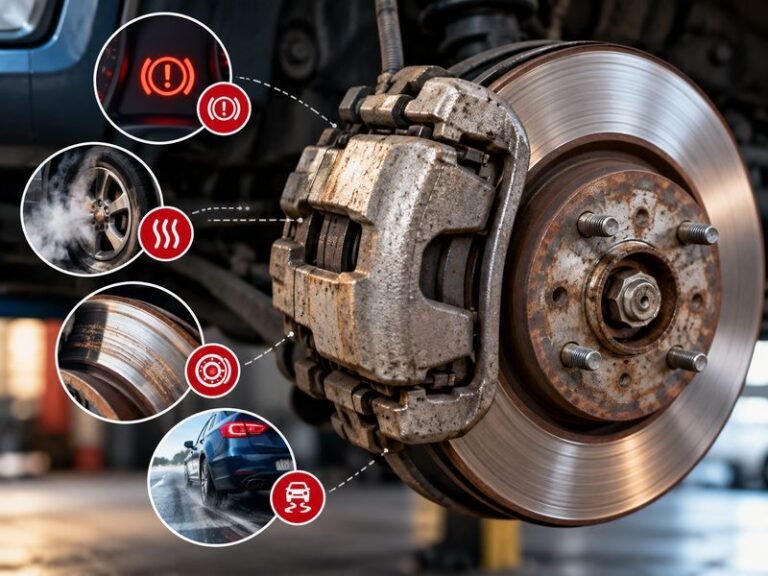
Over time, heat, moisture, old brake fluid, and corrosion can damage seals. When this happens, the caliper may leak or the brake pad may drag against the rotor.
- ✦ Brake fluid leaks
A wet area around the piston can show that the seal no longer keeps fluid contained.
- ✦ Sticking piston
A damaged seal or rusty bore can prevent the piston from moving freely.
- ✦ Uneven brake wear
A failing caliper may cause one pad to wear faster than the other.
Tools and parts needed before replacing caliper seals
Before starting how to replace brake caliper seals, gather all parts and tools. A complete brake caliper seal kit usually includes the piston seal and dust boot.
Using the correct repair kit for your vehicle is important. Brake parts vary by make, model, year, and caliper design.
- ✦ Basic tools
Use wrenches, sockets, brake cleaner, a soft brush, picks, and protective gloves.
- ✦ Replacement parts
Use new seals, dust boots, and any recommended hardware from a trusted supplier.
- ✦ Safety supplies
Wear eye protection and avoid skin contact with brake fluid.
Why brake cleanliness matters
Even small pieces of dirt can damage a new seal. Clean the work area and keep every internal brake surface free from debris.
Step-by-step: how to replace brake caliper seals
The process of how to replace brake caliper seals starts with removing the caliper and safely controlling brake fluid loss. Never rush this repair because brake components must work perfectly after assembly.
Follow the service information for your specific vehicle. The general steps below apply to many disc brake calipers.
- ✦ Remove the caliper
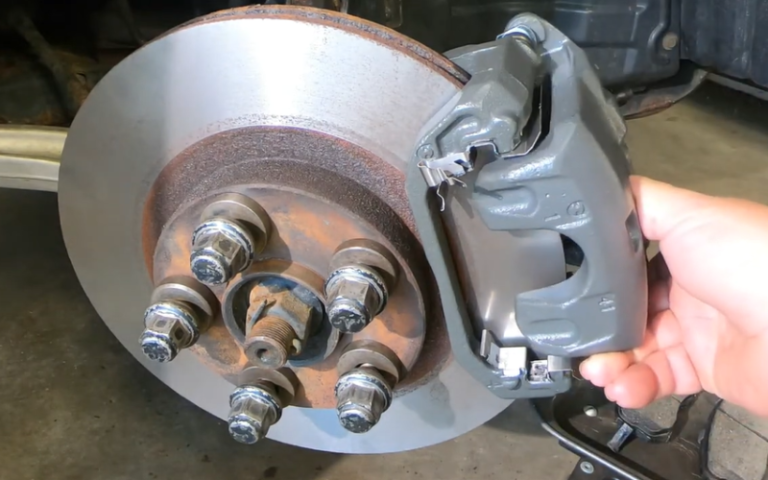
Support the vehicle safely, remove the wheel, and disconnect the caliper according to the repair manual.
- ✦ Remove the piston
Use controlled air pressure or the proper method to move the piston out without damaging parts.
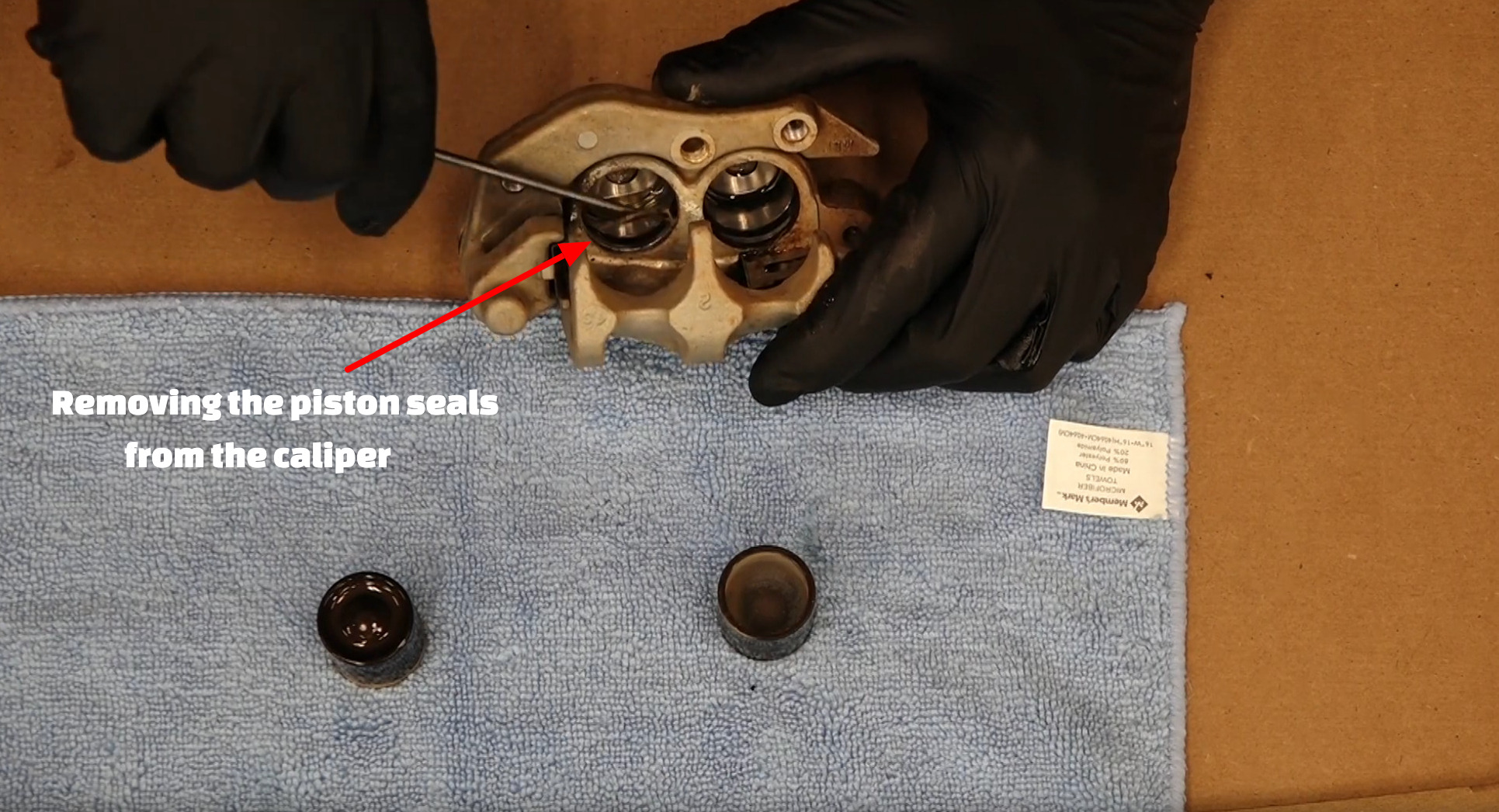
- ✦ Remove old seals
Carefully remove the old piston seal and dust boot without scratching the caliper bore.
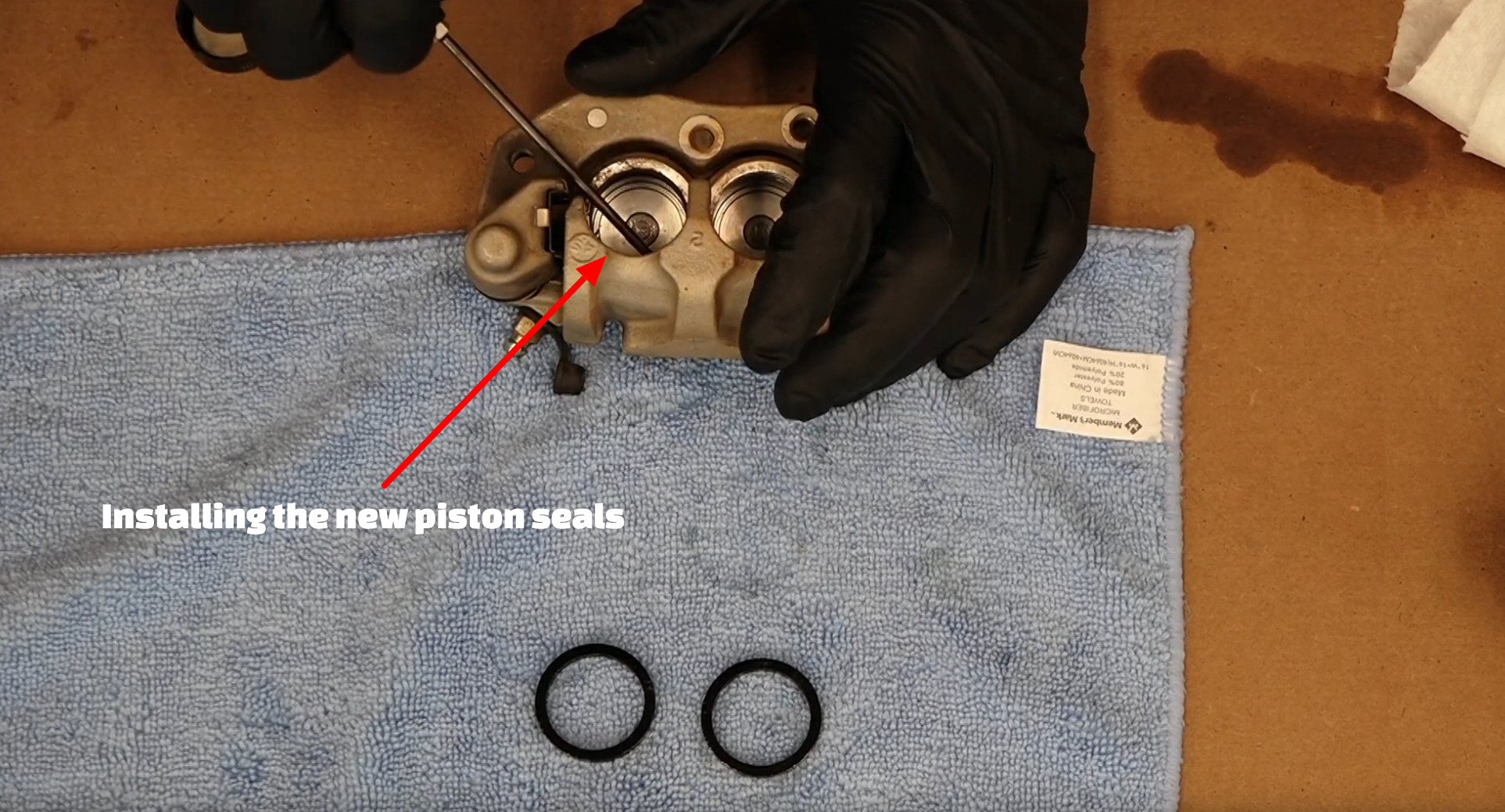
- ✦ Install new seals
Lubricate with clean brake fluid and install the new seal correctly.
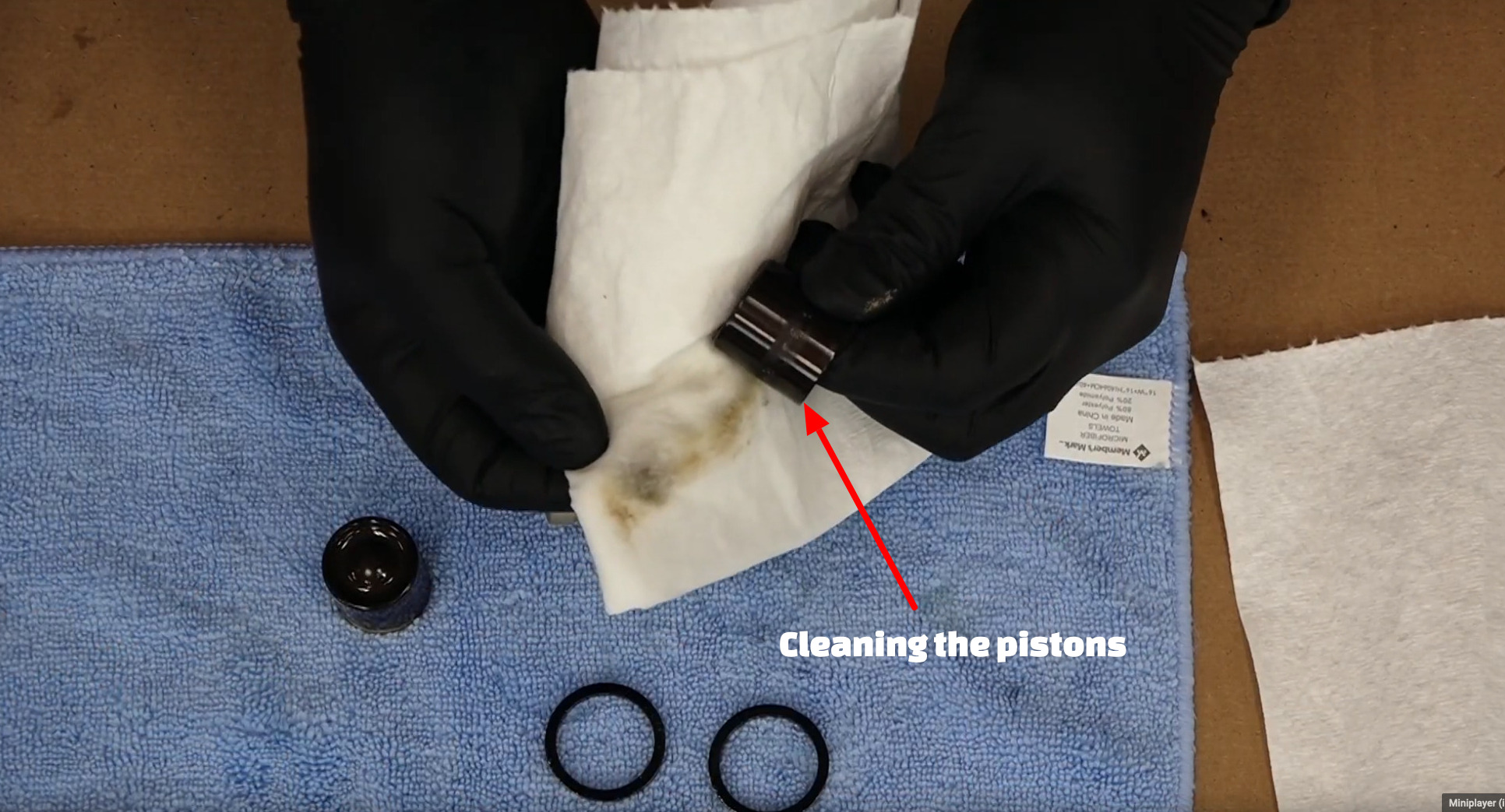
Cleaning the caliper bore
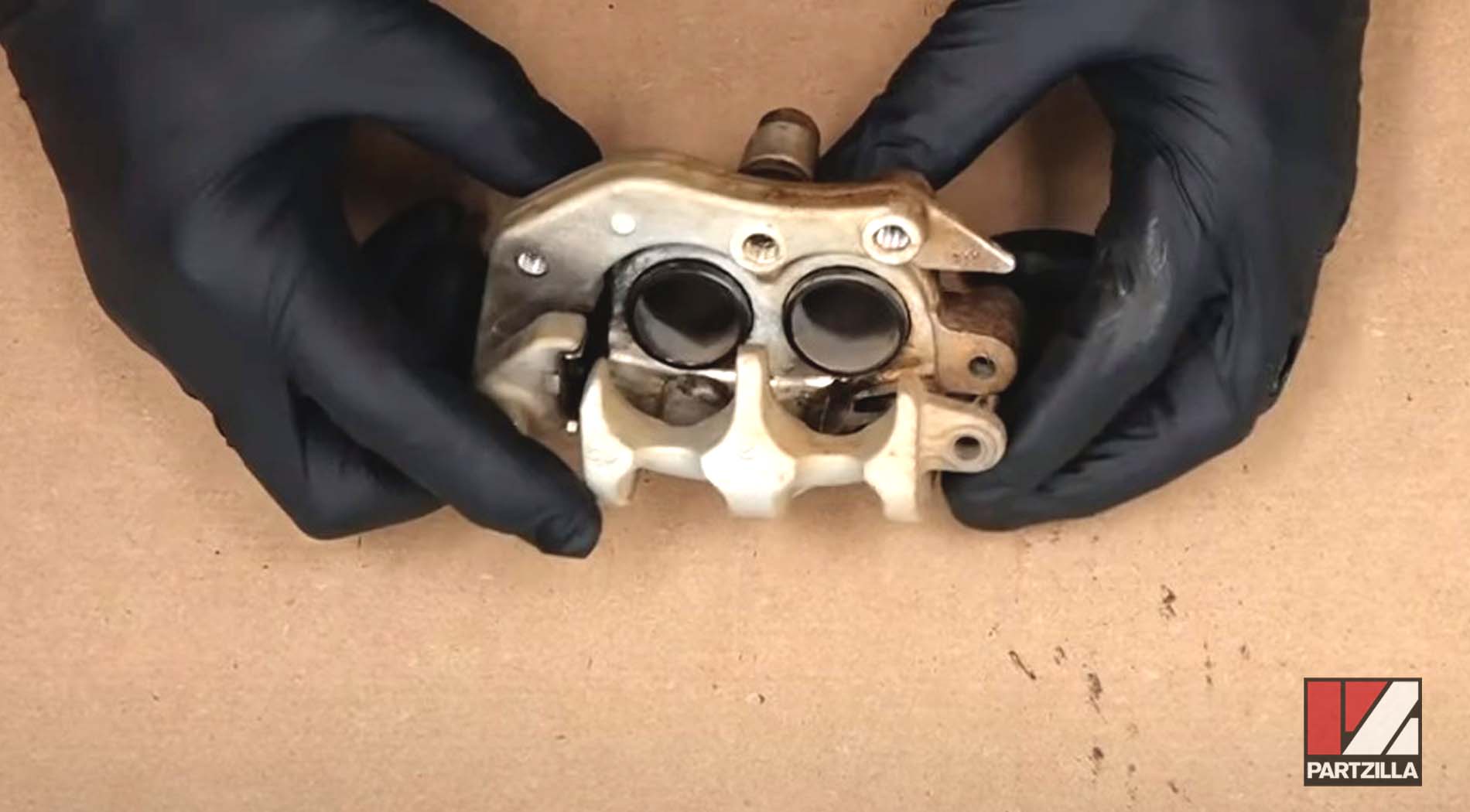
Inspect the bore for rust, scoring, or damage. A damaged bore may require caliper replacement instead of a simple seal repair.
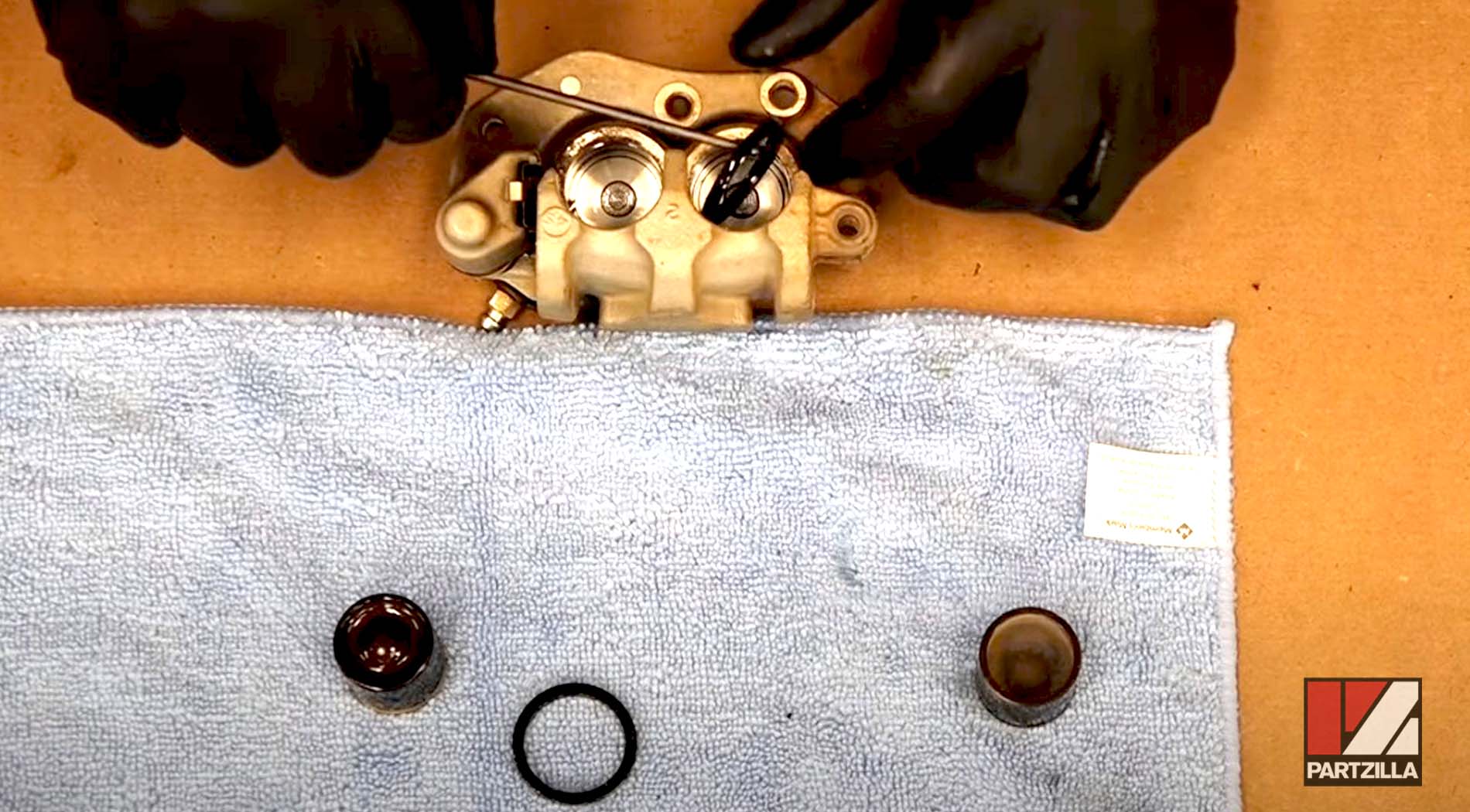
Installing the piston and dust boot
Press the piston in slowly and make sure the dust boot sits correctly. A twisted boot can fail quickly.
Common mistakes when replacing brake caliper seals
Many brake repair problems happen because the small details are ignored. When learning how to replace brake caliper seals, patience is more important than speed.
A careful rebuild can save money, but a poor repair can create a serious safety issue.
- ✦ Using the wrong lubricant
Avoid petroleum products because they can damage brake rubber seals.
- ✦ Skipping inspection
Always check the piston and bore before installing new seals.
- ✦ Failing to bleed brakes
Air in the brake system can create a soft pedal and reduce braking performance.
Testing the brake system after seal replacement
After completing how to replace brake caliper seals, inspect the repair before driving. Check for leaks and confirm the brake pedal feels firm.
A short test drive in a safe area can help confirm normal braking. Stop immediately if the vehicle pulls, leaks fluid, or feels unsafe.
- ✦ Check fluid level
Make sure the reservoir contains the correct amount of clean brake fluid.
- ✦ Inspect for leaks
Look around the repaired caliper after pressing the brake pedal.
When you should replace the entire brake caliper
Not every caliper can be saved with new seals. Severe corrosion, damaged pistons, or worn mounting areas may make replacement the safer option.
A professional inspection can help decide whether a rebuild kit or a complete caliper is the right choice.
- ✦ Deep piston corrosion
Heavy rust can prevent a new seal from working correctly.
- ✦ Cracked caliper body
Structural damage means the caliper should not be rebuilt.