How to Tap a Brake Caliper Bleeder Valve: A Complete Step-by-Step Guide
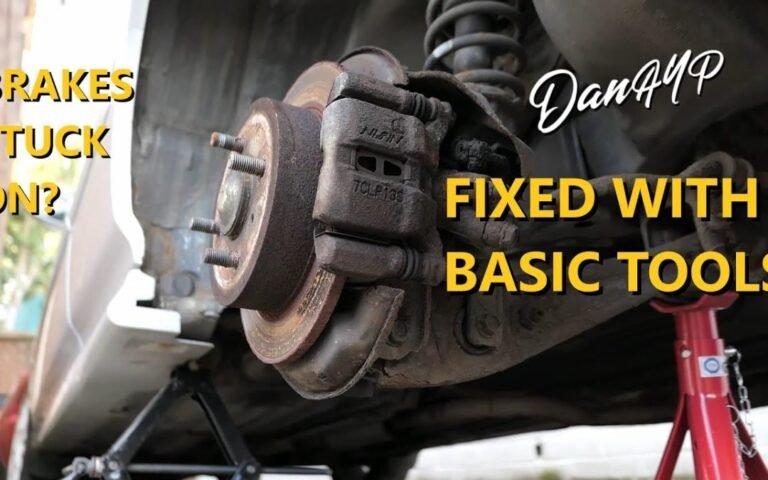
Learning how to tap a brake caliper bleeder valve is useful when a brake bleed screw becomes stuck from rust, dirt, or age. Many vehicles in the United States face this issue because road salt, moisture, and long service intervals can cause corrosion around brake parts.
From years of basic brake service work, one lesson stands out: patience matters. A few careful taps can help free a stuck valve, but heavy force can damage the caliper and create a more expensive repair.

What a Brake Caliper Bleeder Valve Does
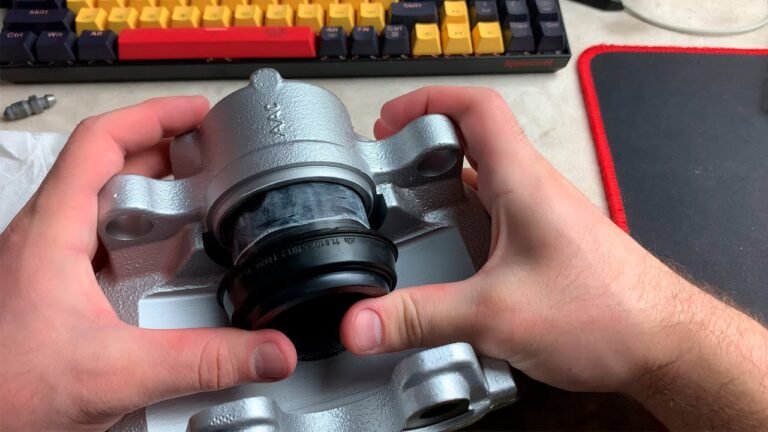
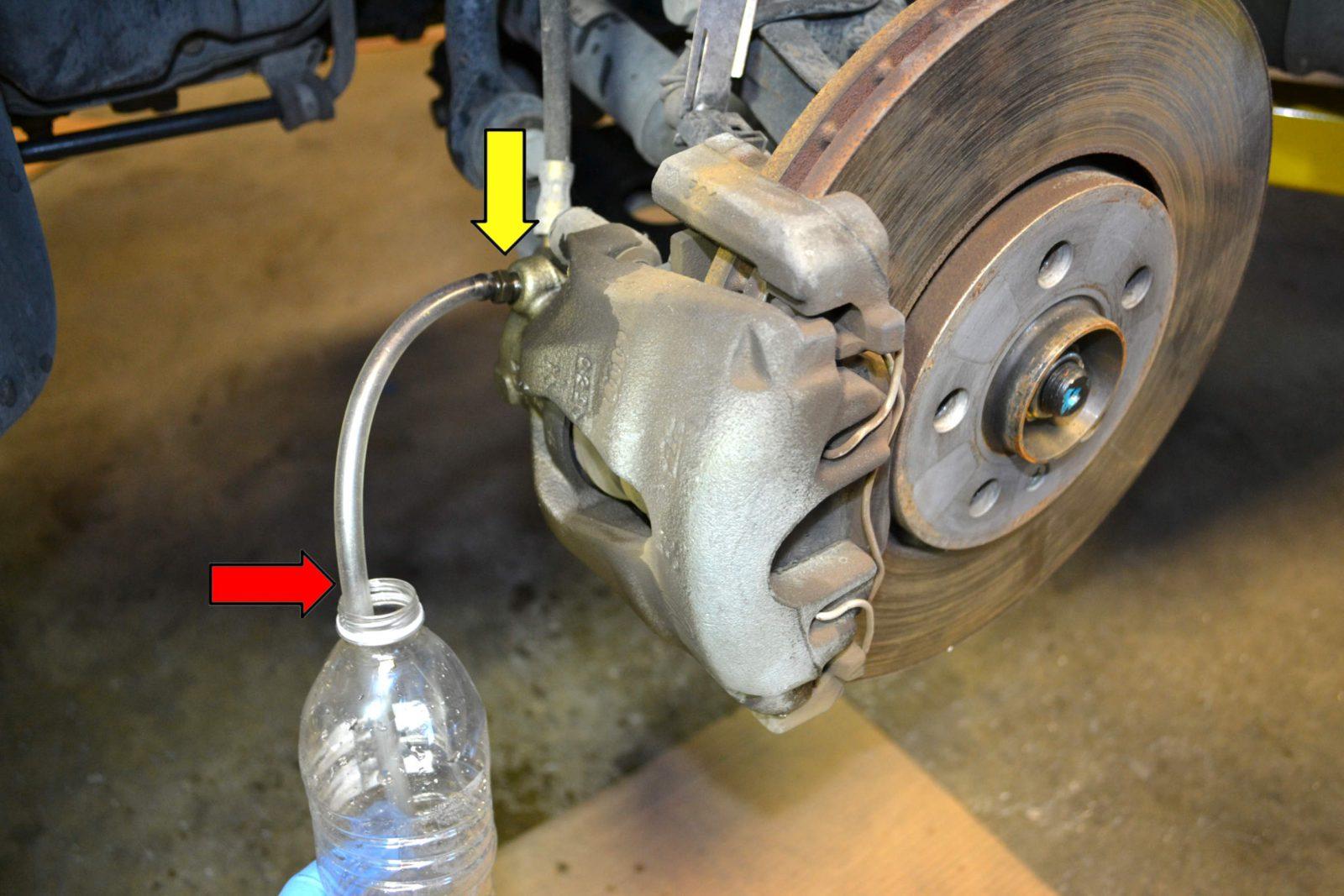
A brake caliper bleeder valve is a small screw that lets air and old brake fluid leave the hydraulic brake system. Mechanics open this valve during a brake bleed service to restore a firm brake pedal.
When the valve becomes stuck, air removal becomes difficult. Knowing how to tap a brake caliper bleeder valve can help break the bond between rust and metal without replacing the entire caliper.
- ✦ Controls trapped air removal
The bleeder valve allows air bubbles to escape from the brake lines.
- ✦ Helps maintain brake performance
A working bleeder valve supports proper hydraulic pressure and brake feel.
Why Bleeder Valves Get Stuck
Rust is the most common cause of a stuck bleeder valve. Heat cycles, water exposure, and road chemicals can lock the threads over time.
- ✦ Corrosion buildup
Rust can form between the valve threads and the caliper body.
Tools Needed Before You Tap a Brake Caliper Bleeder Valve
Before starting, gather the right tools. The goal is to loosen the valve slowly while protecting the caliper and surrounding brake parts.
Using the wrong tools can round off the bleeder screw. A damaged valve is much harder to remove.
- ✦ Small hammer
A light hammer provides controlled tapping force.
- ✦ Correct wrench size
A proper flare nut wrench or six-point wrench reduces damage risk.
- ✦ Penetrating oil
A quality penetrating fluid can help soften rust around the threads.
Safety Equipment
Wear safety glasses and gloves when working near brake components. Brake dust and rust particles should not contact your eyes or skin.
- ✦ Protect your eyes
Safety glasses help block flying debris during tapping.
How to Tap a Brake Caliper Bleeder Valve Step by Step
The safest way to learn how to tap a brake caliper bleeder valve is to use small, controlled impacts. The goal is vibration, not force.
Start by cleaning the area around the valve. Apply penetrating oil and allow time for it to move into the threads before tapping.
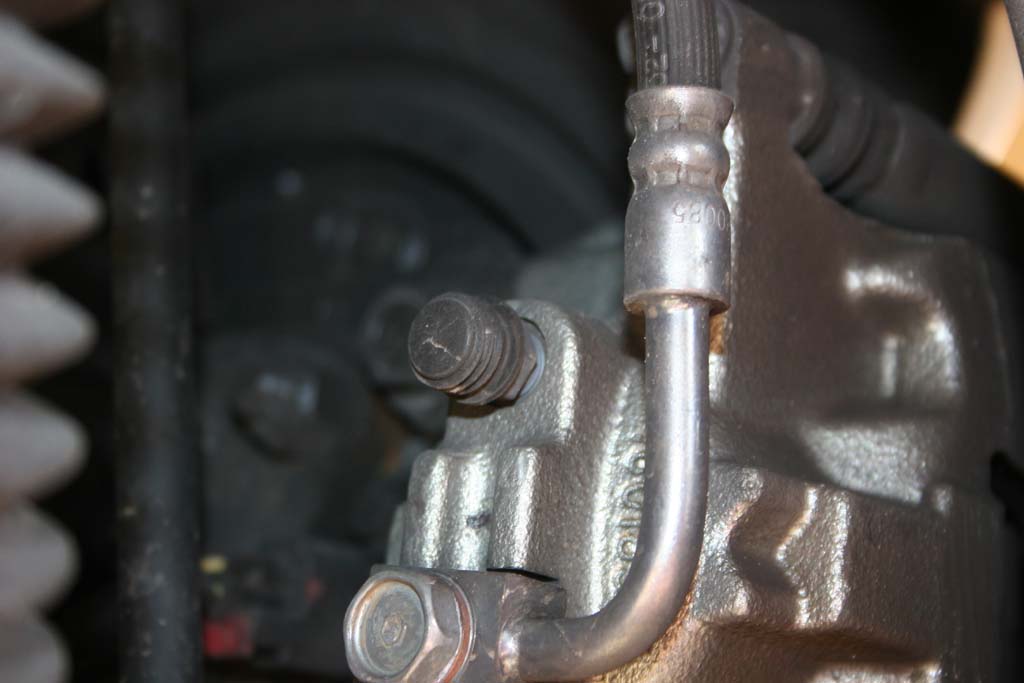
- ✦ Step 1: Clean the valve area
Remove dirt and loose rust around the bleeder screw.
- ✦ Step 2: Apply penetrating oil
Let the oil soak before attempting removal.
- ✦ Step 3: Tap lightly
Use gentle hammer taps on the valve body area to create vibration.
- ✦ Step 4: Try removal slowly
Turn the valve carefully with the correct wrench.
What Not to Do
Do not strike the valve with a large hammer or use extreme force. A broken bleeder screw may require drilling or replacing the caliper.
- ✦ Avoid twisting too hard
Excess pressure can snap the bleeder valve.
What to Do If the Bleeder Valve Still Will Not Open
Sometimes learning how to tap a brake caliper bleeder valve is not enough. Severe corrosion can hold the valve in place even after careful tapping.
At this point, consider additional methods or professional repair. Forcing the valve can damage the caliper and create a safety problem.
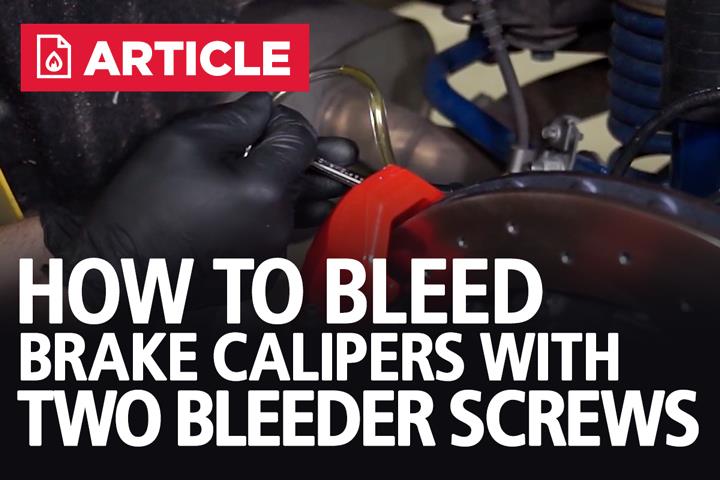
- ✦ Use heat carefully
Some professionals use controlled heat, but nearby brake components must be protected.
- ✦ Replace the bleeder screw
A damaged valve may need replacement after removal.
- ✦ Replace the caliper if needed
A severely damaged caliper may not be worth repairing.
After Repair Brake Checks
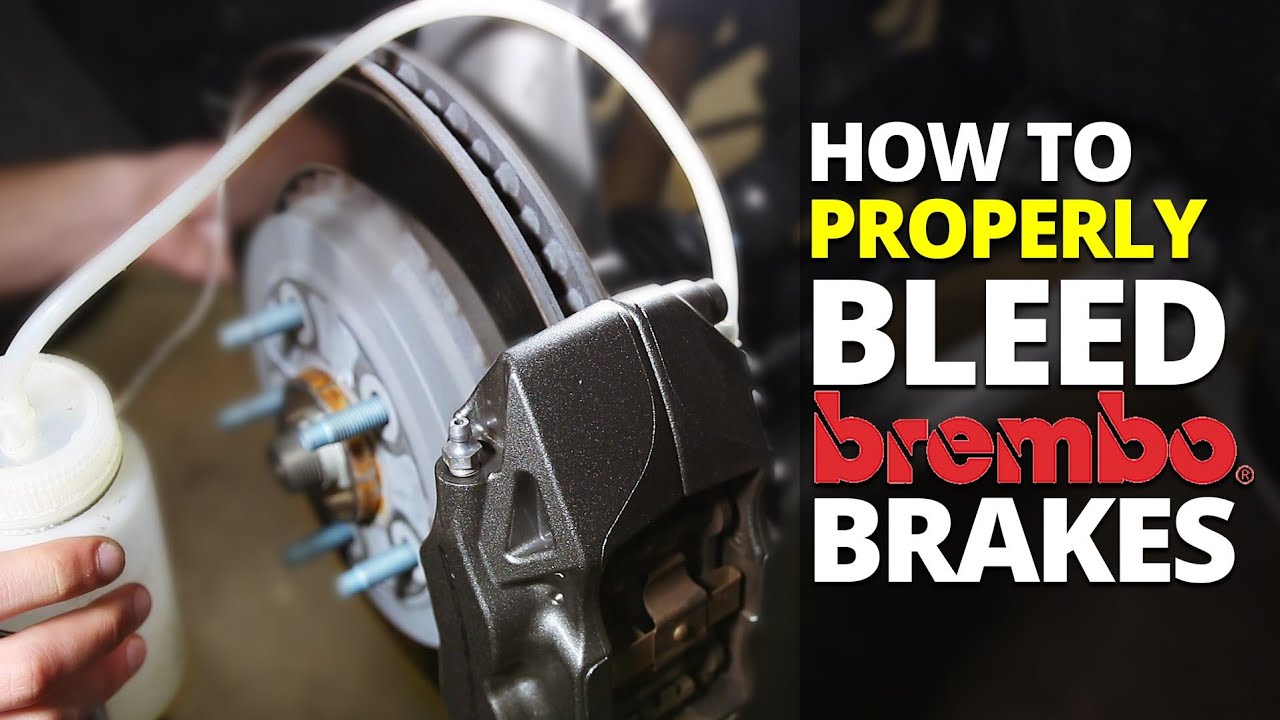
After opening the valve, bleed the brakes correctly and check for leaks. The brake pedal should feel firm before driving.
- ✦ Test before road use
Confirm normal brake operation in a safe area.
Common Mistakes When Tapping a Brake Caliper Bleeder Valve
Many DIY brake repairs fail because the person rushes the process. A stuck bleeder valve usually needs time, cleaning, and gentle work.
Understanding common mistakes makes the repair safer and helps prevent unnecessary parts replacement.

- ✦ Using the wrong wrench
A poor fit can round the bleeder screw edges.
- ✦ Skipping cleaning
Rust and dirt can make removal harder.
- ✦ Applying too much force
Heavy impacts can break the valve.
When to Ask for Professional Help
If the valve breaks or brake fluid leaks unexpectedly, professional repair may be the safest option. Brake systems are safety parts and require careful work.
- ✦ Broken valve removal
Special tools may be needed to remove broken pieces.