How Long to Resurface Rotors: Key Facts and Helpful Guidance
Many drivers assume rotor resurfacing is a lengthy brake repair, but the machining itself is usually fairly quick. The total appointment often takes about one to two hours, depending on the vehicle, the shop’s workload, inspection results, and whether the rotors can safely be resurfaced.
If you are searching for how long to resurface rotors, it helps to separate the machining time from the complete service time. A technician must remove the wheel and brake components, measure the rotor, machine both friction surfaces, clean the parts, and reassemble and test the brakes.
How long does rotor resurfacing take?
Rotor resurfacing typically takes about 15 to 30 minutes per rotor once the rotor is mounted on the brake lathe and ready to machine. The complete brake service commonly takes about one to two hours for an axle, such as both front rotors or both rear rotors.
The actual time can vary considerably:
- Inspection and measurements: 10 to 20 minutes
- Wheel and brake component removal: 20 to 45 minutes
- Machining both rotors: roughly 30 to 60 minutes
- Cleaning, reassembly, and testing: 20 to 40 minutes
These are practical estimates, not guaranteed shop times. A busy repair facility may need additional time before starting the vehicle. Rusted fasteners, seized calipers, stuck rotors, or damaged hardware can also extend the appointment.
What happens during resurfacing?
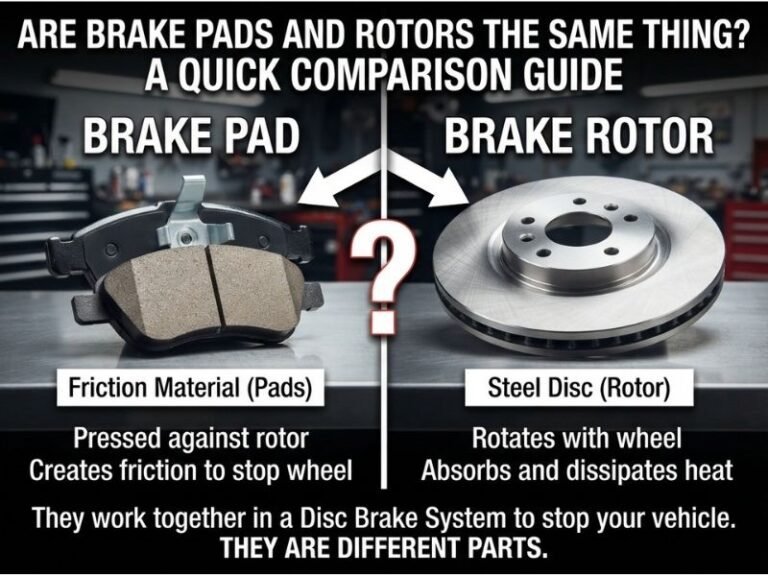
Rotor resurfacing, also called rotor machining or turning, removes a small amount of metal from the rotor’s braking surfaces. A brake lathe cuts the rotor so both sides are even and smooth enough for the brake pads to contact them consistently.
A typical service follows these steps:
- The vehicle is safely lifted and the wheel is removed.
- The brake caliper and other necessary components are moved or removed.
- The technician measures the rotor for thickness, runout, and surface condition.
- The rotor is mounted on a lathe and machined on both friction surfaces.
- The finished rotor is measured again and cleaned to remove machining residue.
- The brake assembly is reinstalled, fasteners are tightened correctly, and the brakes are tested.
Some shops use an on-car lathe, which machines the rotor while it remains mounted to the hub. This can help address certain runout conditions, but the service time still depends on access, vehicle design, and the technician’s inspection.
What determines the service time?
Rotor condition
Light scoring, surface rust, or mild pedal pulsation may be addressed quickly if the rotor has enough usable thickness. Severe grooves, cracks, heat damage, or heavy corrosion can change the repair from resurfacing to replacement.
Vehicle design
Some vehicles allow quick access to the rotors, while others require removal of additional brackets or components. A rear rotor may also contain an internal parking-brake drum, which can make removal and inspection more involved.
Rust and seized parts
Rust can make a rotor difficult to remove from the hub. Caliper bolts, slide pins, and other hardware may also be stuck. If a technician must free corroded parts or replace damaged hardware, the work may take longer than the basic resurfacing estimate.
Shop scheduling
The machine time is only part of the appointment. A shop may have a waiting line, need to inspect the entire brake system, or discover that the correct replacement parts are not immediately available. Ask whether the quoted time means hands-on repair time or total time at the facility.
Can every rotor be resurfaced?
No. A rotor should be resurfaced only if it remains within the vehicle manufacturer’s specifications after machining. The minimum allowable thickness is commonly marked on the rotor or listed in the vehicle’s service information.
Resurfacing removes metal. If the rotor is already near its minimum thickness, machining can make it unsafe or cause it to fall below the required measurement. In that situation, replacement is the appropriate repair.
A technician should also reject a rotor with conditions such as:
- Cracks or structural damage
- Severe corrosion or deep pitting
- Excessive thickness variation
- Severe heat checking or blue discoloration
- Deep grooves that cannot be removed within the thickness limit
- Excessive lateral runout that cannot be corrected safely
Appearance alone does not determine whether machining is appropriate. A rotor can look usable but still fail a thickness or runout measurement. Conversely, light surface rust may disappear after normal braking or machining if the rotor remains within specification.
Resurfacing versus replacing rotors
Resurfacing is generally less expensive than installing new rotors, but replacement may be faster when the rotor is thin, damaged, or difficult to machine. New rotors also avoid the time required to mount and cut the old parts.
The correct choice depends on measurements and condition, not simply on price. A quality repair should account for rotor thickness, brake pad condition, hub cleanliness, caliper operation, and the cause of any vibration or uneven braking.
It is also important to service rotors as an axle pair. If one front rotor is replaced or resurfaced, the other front rotor should be evaluated carefully so braking remains balanced. A technician may recommend replacing both when their conditions or remaining thicknesses are significantly different.
How long do resurfaced rotors last?
There is no fixed mileage or time limit for a resurfaced rotor. Its service life depends on driving habits, vehicle weight, brake-pad material, traffic, climate, rotor thickness, and the quality of the repair.
A properly machined rotor can last through another brake-pad interval, but that is not guaranteed. Frequent stop-and-go driving, mountainous roads, towing, heavy loads, repeated hard braking, and severe rust can shorten its life.
The rotor’s remaining thickness matters because resurfacing removes metal and leaves less material to absorb heat. A thin rotor may wear out or overheat sooner than a thicker replacement rotor. For that reason, the technician should document the final measurement rather than promise a specific lifespan.
After resurfacing, new or properly matched brake pads usually need a bedding-in period. During this time, the friction surfaces establish even contact. Follow the shop’s instructions, and avoid repeated hard stops unless necessary for safety.
When is resurfacing not the answer?
Rotor resurfacing may not solve a brake problem caused by another component. Steering-wheel vibration or brake-pedal pulsation can result from rotor runout, but similar symptoms may also involve a contaminated hub, loose wheel bearings, worn suspension parts, a sticking caliper, or improperly tightened wheel fasteners.
Uneven pad wear may point to seized caliper slide pins or a hydraulic problem. A grinding noise can indicate severely worn brake pads, metal-to-metal contact, or damaged hardware. Machining the rotor without correcting the underlying cause can allow the symptom to return.
Brake warning signs should be treated as safety issues. Seek prompt inspection for a soft pedal, pulling during braking, grinding, a burning smell, visible cracks, fluid leakage, or a brake warning light. Do not delay necessary repairs simply because resurfacing is expected to be quick.
How to reduce the appointment time
A few practical steps can make the service more predictable:
- Call ahead and ask whether the shop resurfaces rotors or replaces them by default.
- Provide the vehicle year, make, model, and symptoms when scheduling.
- Ask whether the estimate covers one rotor, one axle, or all four rotors.
- Ask the technician to check minimum thickness before approving machining.
- Confirm whether brake pads, hardware, or caliper service may also be needed.
- Request the final rotor-thickness measurement if resurfacing is performed.
If the vehicle has significant rust or a known brake problem, allow extra time. A shop may begin with a short inspection and then recommend replacement or related repairs after the rotor is removed.
Frequently asked questions
How long does it take to resurface two rotors?
Machining two rotors may take about 30 to 60 minutes after removal and setup. Including inspection, brake disassembly, reassembly, and testing, the complete service commonly takes about one to two hours.
How long does it take to resurface four rotors?
Resurfacing all four rotors often takes roughly two to four hours, although vehicle design and shop scheduling can change that estimate. Additional brake repairs or rust-related problems may extend the appointment.
Is resurfacing faster than replacing rotors?
Not always. Resurfacing requires setup and machining, while replacement may be quicker if the correct new rotors are available. Resurfacing is appropriate only when the existing rotors meet thickness and condition requirements.
Can I drive immediately after rotors are resurfaced?
Usually, yes, if the brake service is completed correctly and the vehicle passes its brake test. Brake performance may feel different while the pads and rotors establish full contact, so follow the technician’s bedding instructions and drive cautiously at first.
How can I tell whether resurfacing is safe?
You generally cannot determine safety from appearance alone. A qualified technician must measure rotor thickness and check for cracks, severe corrosion, runout, heat damage, and other defects against the vehicle’s specifications.
Conclusion
For most vehicles, the machining portion takes about 15 to 30 minutes per rotor, while the complete brake service usually takes one to two hours for an axle. The best answer to how long to resurface rotors depends on rotor condition, vehicle design, rust, shop scheduling, and whether resurfacing is safe. Measurements—not appearance or a promised time alone—should determine whether the rotors are resurfaced or replaced.