Does Firestone Resurface Rotors: Clear Answers and Key Facts
Does firestone resurface rotors? Does Firestone resurface brake rotors, or does it replace them automatically? Firestone Complete Auto Care may resurface rotors when an inspection shows they can be safely machined and remain within the vehicle manufacturer’s specifications, but replacement is often required when damage, wear, or thickness limits make resurfacing unsuitable.
The exact service can vary by vehicle, brake condition, and individual Firestone location. This guide explains when rotor resurfacing is possible, when replacement makes more sense, and what to ask before approving brake work.
Firestone’s rotor resurfacing policy
Firestone does not necessarily resurface every rotor during a brake service. A technician typically inspects the rotors for measurable wear and damage before recommending machining or replacement.
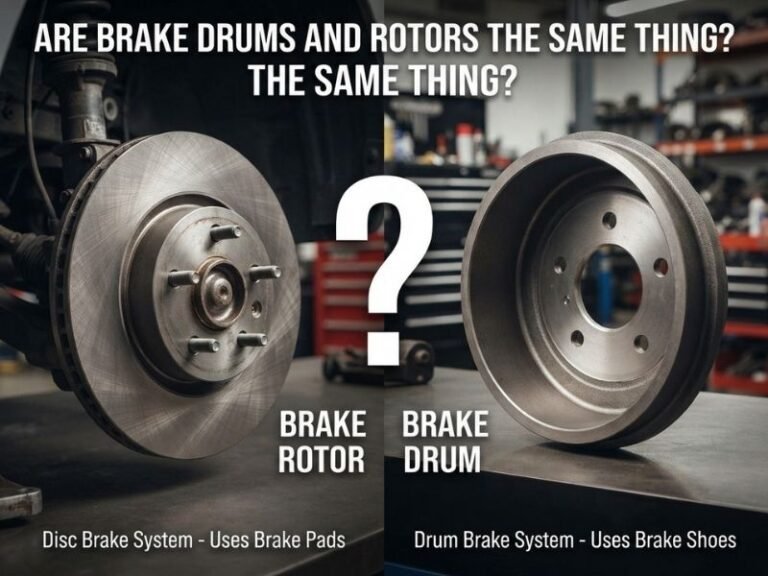
Rotor resurfacing, also called brake rotor machining, removes a small amount of metal from each braking surface. The process is intended to create a flatter, smoother surface for the brake pads. It is different from simply cleaning a rotor or removing light surface rust.
Whether Firestone performs the service depends on factors such as:
- The rotor’s remaining thickness
- Uneven wear or excessive thickness variation
- Grooves, scoring, or heat damage
- Rust and corrosion on the braking surface
- Measured lateral runout or vibration-related issues
- The vehicle manufacturer’s service specifications
- The equipment and services available at that location
A rotor that can be safely machined may be resurfaced. A rotor that is already too thin, badly damaged, cracked, severely corroded, or otherwise outside specifications generally needs replacement instead.
When can a rotor be resurfaced?
Resurfacing is usually considered when the rotor has enough usable material and its condition can be corrected by removing a limited amount of metal. The technician must confirm that the rotor will still be thicker than the manufacturer’s minimum specification after machining.
Common conditions that may make resurfacing worthwhile include:
Minor scoring or uneven wear
Light grooves or uneven contact can sometimes be corrected if they have not removed too much material. A smooth, even rotor face helps the new or existing brake pads make consistent contact.
Brake vibration caused by runout or thickness variation
A steering-wheel or brake-pedal pulsation can be related to rotor runout or uneven thickness. Resurfacing may correct the problem when the rotor is otherwise serviceable. However, vibration can also come from suspension parts, wheel issues, improper wheel installation, or other brake components, so the cause should be measured rather than assumed.
Surface rust or glazing
Some surface imperfections can be removed during machining. Resurfacing is not automatically needed for every rusty-looking rotor, though. A vehicle that sits may develop light surface rust that clears after normal braking. Heavy rust, flaking, or corrosion around the rotor’s edges can make replacement the safer option.
When does Firestone recommend replacement?
Rotor replacement is generally more appropriate when resurfacing would leave the rotor below its legal or manufacturer-specified minimum thickness. Brake rotors naturally lose material over time, and machining removes additional material. A rotor that is near its limit may not have enough thickness for safe resurfacing.
Replacement may also be recommended for:
- Cracks or structural damage
- Severe grooves that cannot be removed safely
- Excessive corrosion or flaking
- Heat spots or damage that affect braking consistency
- Persistent runout after acceptable machining
- Rotors that are already too thin
Thin rotors can have less ability to absorb and dissipate heat. Excessive heat may contribute to brake fade, uneven wear, or additional damage. For that reason, resurfacing is not a way to extend the life of every rotor.
Firestone may also recommend replacing rotors when installing new pads if the existing surfaces are too uneven or damaged for proper pad bedding. New pads need a compatible contact surface. Installing pads against poor rotor surfaces can contribute to noise, uneven wear, reduced braking feel, or repeat service concerns.
How Firestone decides between resurfacing and replacement
The decision should be based on inspection measurements, not just mileage or the appearance of the rotor. A technician may inspect the rotor visually and measure its thickness and runout. The results are compared with the vehicle manufacturer’s specifications.
Important inspection questions include:
- How thick is the rotor now?
- How thick will it be after resurfacing?
- Is the rotor damage limited to the surface?
- Is the rotor causing a documented vibration or uneven braking issue?
- Are the caliper, pads, wheel bearings, and hardware functioning correctly?
- Does the vehicle manufacturer permit machining for that application?
Rotor resurfacing is only one part of a brake repair decision. If a sticking caliper, seized slide pin, damaged brake hose, or installation problem caused the uneven wear, machining the rotor alone may not solve the problem. The underlying cause needs attention as well.
What should you ask before approving the work?
If a Firestone technician recommends brake work, I recommend asking for the specific reason behind the recommendation. A clear estimate should identify whether the proposal includes resurfacing or replacement and which parts are affected.
Useful questions include:
- What condition was found on the rotor?
- What is the current rotor thickness?
- What is the manufacturer’s minimum thickness?
- Will the rotor remain within specification after resurfacing?
- Is the recommendation for one axle or both sides of the axle?
- What caused the uneven wear, noise, or vibration?
- Are new brake pads being installed at the same time?
Brake rotors are normally serviced in axle pairs. Replacing or resurfacing only one rotor on the same axle can create uneven braking characteristics. The technician should explain the recommended scope for the vehicle rather than treating the decision as a single-rotor repair.
Availability can also differ by store. Before scheduling, contact the specific Firestone location and ask whether it offers rotor resurfacing for your vehicle and whether the service is performed on-site. A store may recommend replacement even if another shop offers machining because of its inspection results, equipment, policy, or the rotor’s measured condition.
Is resurfacing always cheaper than replacement?
Resurfacing can cost less than installing new rotors when the existing rotors remain safe and serviceable. However, the lower immediate price does not automatically make it the better repair.
The total brake-service cost depends on the vehicle, labor, parts, the number of rotors involved, and any related repairs. If a rotor is close to its minimum thickness, machining may provide limited remaining service life. Replacing it may be more practical than paying for resurfacing and later replacing the same part.
Ask whether the estimate includes brake pads, rotor work, labor, hardware, and any required caliper or brake-system repairs. Comparing the complete estimate is more useful than comparing the resurfacing charge alone.
Signs that your brakes need inspection
Rotor condition cannot be confirmed reliably from noise alone, but several symptoms justify a professional brake inspection:
- Brake-pedal pulsation
- Steering-wheel vibration while braking
- Grinding or persistent scraping
- Uneven braking or pulling to one side
- Deep visible grooves or heavy corrosion
- Reduced braking performance
- A brake warning light or unusual burning smell
A high-pitched squeal may come from the brake pads or hardware rather than the rotor. Grinding can indicate that friction material is severely worn and may damage the rotor. A soft pedal or reduced stopping ability can indicate a more urgent brake-system problem. If braking performance changes suddenly, limit driving and arrange an inspection promptly.
FAQ about Firestone rotor resurfacing
Does Firestone resurface rotors on every brake job?
No. Firestone does not automatically resurface every rotor. The technician evaluates the rotor’s thickness, surface condition, runout, and compliance with vehicle specifications. Some rotors can be machined, while others require replacement.
Can I request rotor resurfacing instead of replacement at Firestone?
You can ask whether resurfacing is available and appropriate, but the technician may decline if the rotor would be too thin afterward or has damage that machining cannot safely correct. The final recommendation should follow the vehicle manufacturer’s specifications and the inspection results.
Does Firestone resurface rotors when installing new brake pads?
It may, when the rotors are serviceable and resurfacing is permitted for that vehicle. New pads need an even contact surface, so Firestone may recommend resurfacing or replacement if the existing rotors are grooved, uneven, warped by measurable runout, or otherwise unsuitable.
How can I know whether Firestone resurfaced or replaced my
Review the written estimate and final invoice. The paperwork should identify the parts and services performed. You can also ask whether the original rotors were machined, replaced, or left in place and request the measured reason for that decision.
Will every Firestone location offer the same rotor service?
Not necessarily. Service availability, equipment, staffing, and inspection findings can differ by location. Contact the specific Firestone store before your appointment to confirm whether it offers rotor resurfacing for your vehicle.
Conclusion
So, does firestone resurface rotors? Sometimes. Firestone may resurface a rotor when it remains structurally sound, has sufficient thickness, and can meet manufacturer specifications after machining. If the rotor is too thin, severely corroded, cracked, or badly damaged, replacement is the safer recommendation. Ask for the inspection measurements and a complete written estimate before approving the repair.