Does Parking Brake Use Brake Fluid? Mechanical vs. Hydraulic
No, a conventional parking brake does not use brake fluid to apply or hold the brakes. Most parking brakes use a cable-operated mechanical linkage or an electric motor that locks a mechanical braking mechanism. Brake fluid belongs to the regular hydraulic service brakes operated by the brake pedal.
The confusion comes from shared parts. In some vehicles, the parking brake moves the same rear brake shoes or caliper pistons used during ordinary hydraulic braking. That does not mean pulling the handbrake sends brake fluid through the lines. The parking mechanism supplies its own force, even when the friction parts are shared.
That distinction matters when a brake-fluid warning appears, the parking brake fails to hold, or the rear brakes need repair. Even if the parking brake still works after a hydraulic failure, it is not a safe substitute for normal service brakes. This guide explains the different systems, misleading dashboard warnings, and when brake problems need immediate attention.
Does Parking Brake Use Brake Fluid in Normal Cars?
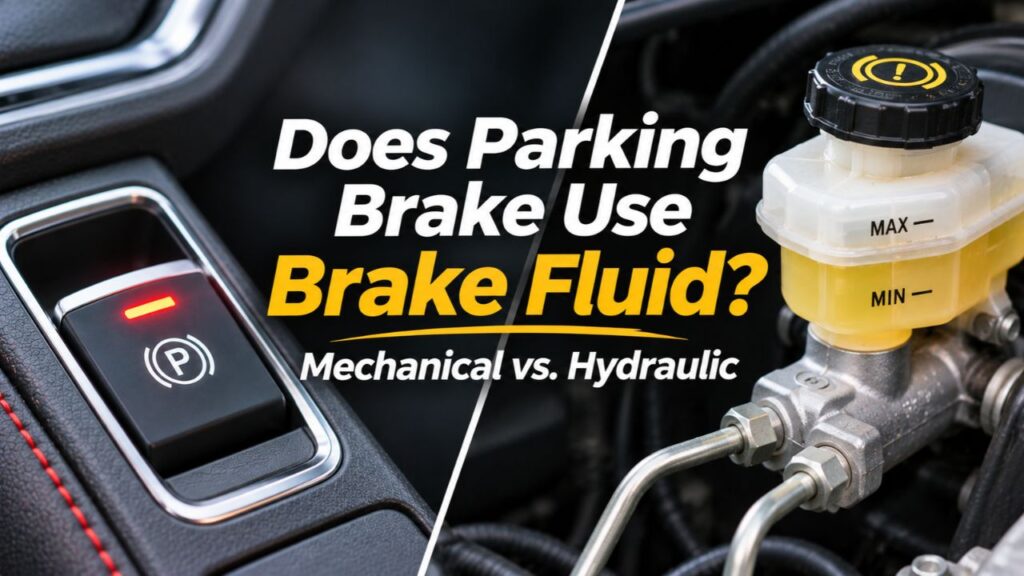
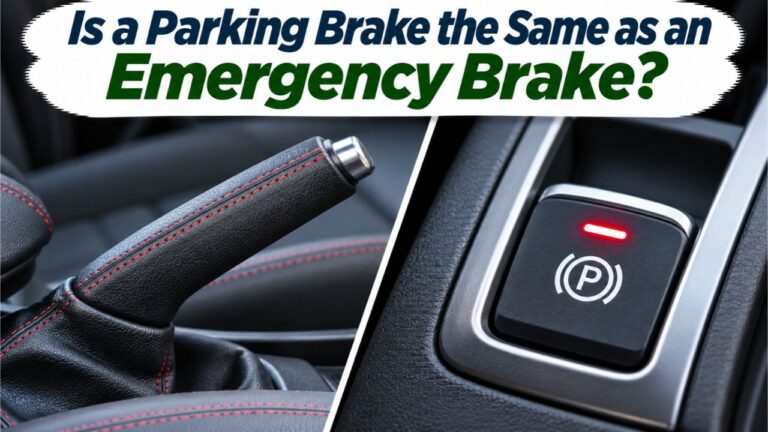
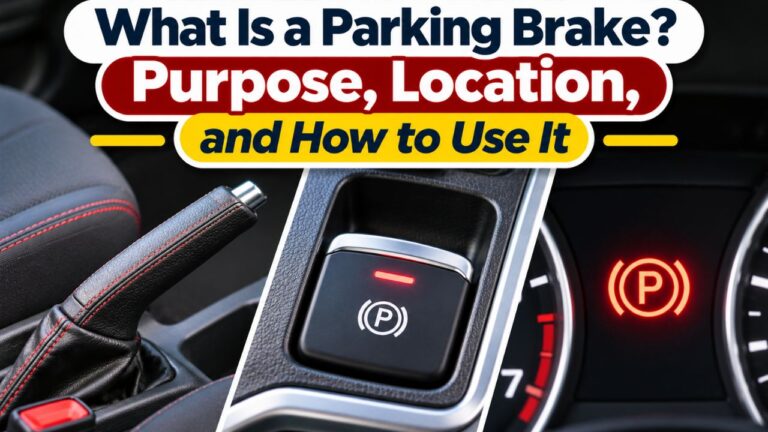
In most passenger cars, the answer is no. The parking brake has a separate way to press friction material against a drum or rotor and hold it there. The driver operates a hand lever, foot pedal, or electronic switch, depending on the vehicle.
A traditional cable system pulls on levers inside the rear brakes. An electronic parking brake (EPB) uses an actuator to create mechanical clamping force. In either case, the parking mechanism does not depend on the master cylinder sending brake fluid to the wheel brakes to remain engaged.
Ford’s explanation of handbrake cables describes the mechanical cable system as independent of the primary hydraulic brakes and explains that newer systems can use electric actuators instead. The exact hardware varies, but the purpose remains to secure a parked vehicle.
Some specialty parking brake designs use hydraulic or pneumatic energy to operate. Identify the specific vehicle’s equipment before assuming it follows the common design.
What Brake Fluid Does in the Regular Brake System
Pressing the normal brake pedal moves a master cylinder piston or, in some modern designs, commands an electronically controlled pressure unit. The resulting hydraulic pressure moves fluid through brake lines toward calipers or wheel cylinders. Those components press pads against rotors or shoes against drums to slow the vehicle.
Brake fluid transfers hydraulic force; it does not act as a lubricant for the parking brake cable. It must have the correct specifications for the vehicle and remain within the hydraulic system. A leak can reduce pressure, make the pedal sink, or severely compromise stopping ability.
The regular brakes generally act at all four wheels. A conventional parking brake commonly operates the rear wheels, although designs differ. The brake fluid reservoir serves the hydraulic system; there is usually no separate parking-brake fluid reservoir to fill.
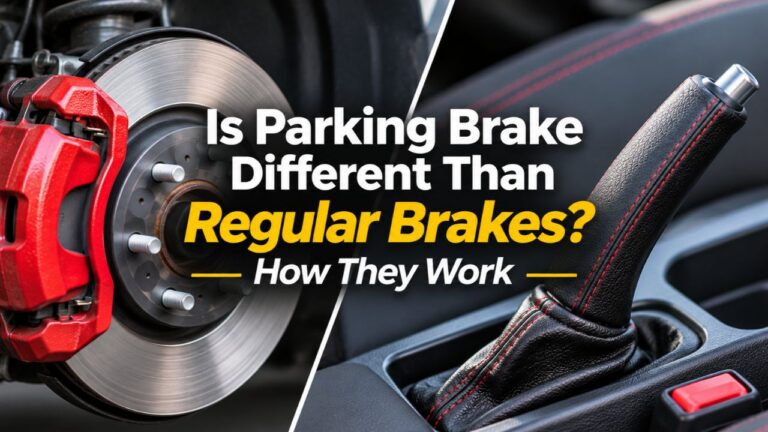
The important distinction is the method of application. Two systems can use the same metal caliper, shoes, or rotor while applying them through different mechanisms. One uses hydraulic pressure from the pedal; the other applies a mechanical holding force.
How a Cable Parking Brake Works Without Brake Fluid
Rear Drum Brakes: One Set of Shoes, Two Ways to Apply Them
With rear drum brakes, the foot pedal sends brake fluid pressure to a wheel cylinder. Its pistons push the shoes outward against the drum. When the driver pulls the parking brake lever, a cable moves a mechanical lever and spreader inside the drum, forcing the shoes outward without hydraulic pressure.
This is why a drum brake may contain both a brake-fluid-filled wheel cylinder and a completely mechanical parking brake linkage. They share friction material but not the source of force.
An ineffective parking brake on this design may result from stretched or seized cables, poorly adjusted shoes, corroded levers, or worn linings. Adding brake fluid will not correct those mechanical problems. Conversely, a leaking wheel cylinder can contaminate the shoes and reduce their ability to hold, even though the parking lever itself does not use fluid.
Rear Disc Brakes: Mechanical Levers or Separate Parking Shoes
Rear disc brakes can have a lever built into the caliper. The parking brake cable operates a screw or cam mechanism that mechanically pushes the piston and pads against the rotor. During regular stops, hydraulic pressure moves the same piston.
Other rear disc systems use drum-in-hat parking brakes: small parking shoes operate inside the hollow center of the disc rotor. The main disc caliper uses brake fluid for service braking, while the separate parking shoes move through cables and mechanical linkages.
Their repair procedures differ, so check the vehicle’s rear brake parts diagram.
Does an Electronic Parking Brake Need Brake Fluid?
Usually not for its normal parking and holding function. With an electronic parking brake, a switch tells a controller to operate an electric motor. The motor may move a cable, turn a screw mechanism at a rear caliper, or operate parking hardware inside a drum. Once applied, an appropriate mechanical arrangement holds the vehicle stationary.
Some EPB calipers still have hydraulic pistons for the regular foot brake. The electric motor and brake fluid can therefore be part of the same rear caliper assembly without doing the same job. On certain electronically controlled vehicles, the system may coordinate service-brake pressure during application or emergency operation. The exact procedure is model-specific.
The NHTSA interpretation of electronic parking brake requirements explains that the federal light-vehicle parking brake standard requires mechanical means to retain engagement. That requirement concerns holding force; it does not mean every vehicle uses a manual lever or that every EPB applies force in the same way.
A weak battery, failed actuator, damaged wiring, or control fault can prevent an EPB from applying or releasing properly. Pouring more brake fluid into the reservoir will not fix an electrical parking brake failure unless there is also a separate, diagnosed hydraulic problem.
Will the Parking Brake Work With Low or No Brake Fluid?
A correctly functioning conventional mechanical parking brake may still apply even when the hydraulic brake system has lost pressure. The hand lever or foot pedal pulls a cable rather than relying on fluid in the master cylinder. That separation is part of its value as a secondary means of braking.
However, do not assume the parking brake will reliably stop a moving vehicle after a hydraulic failure. It may act mainly on the rear wheels, offer less stopping force than the service brakes, and behave differently on slippery pavement. Electronic systems can have additional operating requirements.
Loss of fluid may also reflect a leak at a rear wheel cylinder or caliper. If fluid contaminates a friction surface, the same parking brake hardware may lose holding effectiveness. The fact that its actuator is mechanical does not guarantee that the overall rear brake assembly is healthy.
If the reservoir is unexpectedly low, the pedal feels soft, or hydraulic braking is weak, stop driving and arrange professional inspection or towing. Do not drive just because the parking brake seems to hold the car in a parking space.
Why the Parking Brake Light Can Come On for Low Brake Fluid
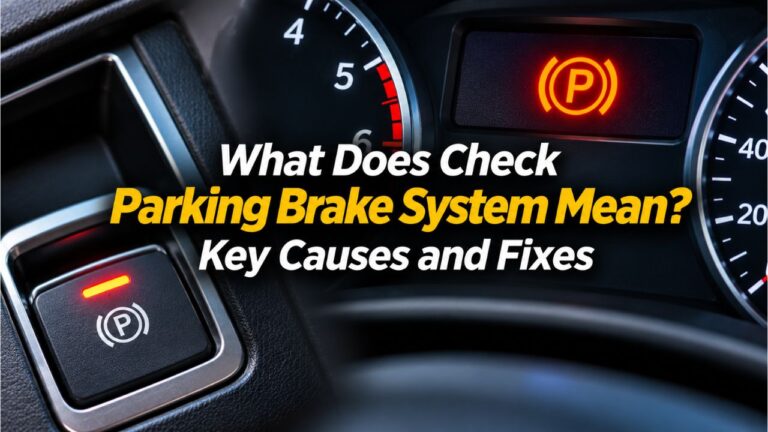
Some vehicles use a shared red BRAKE indicator for more than one condition. It may illuminate when the parking brake is applied, when brake fluid is low, or when the hydraulic brake system reports a fault. That overlap causes drivers to think the parking brake consumes fluid.
For example, Toyota’s 2019 RAV4 warning-light instructions distinguish the red brake-system warning, which can indicate low fluid or a braking fault, from the yellow warning associated with a parking-brake system malfunction. Warning meanings and colors vary by model, so consult the exact owner’s manual.
A parking brake indicator that goes out after release may simply have been a reminder. A red brake warning that remains illuminated after the parking brake is fully released needs attention. It should not be dismissed as a bad parking brake switch until the hydraulic system has been checked.
On some vehicles, brake fluid level drops gradually as disc brake pads wear because the caliper pistons extend farther. A sudden drop or level below the specified minimum can also indicate leakage. Neither possibility should be diagnosed from the warning lamp alone.
Parking Brake vs. Hydraulic Service Brake: Main Differences
| Feature | Regular Service Brakes | Conventional Parking Brake |
| Main purpose | Slow and stop the moving vehicle | Secure a stationary vehicle |
| Driver control | Brake pedal | Hand lever, extra pedal, or EPB switch |
| Typical application | Hydraulic pressure through brake fluid | Cable, lever, screw, or electric actuator |
| Usual wheel coverage | All four wheels | Commonly rear wheels |
| Needs fluid to perform its usual function? | Yes, on conventional hydraulic systems | Usually no |
| May share rear friction parts? | Yes | Yes |
The same rear brake repair can affect both functions even when their controls are separate.
Can a Brake Fluid Leak Make the Parking Brake Stop Working?
Indirectly, yes. A leak does not normally remove the cable’s pulling force or an EPB motor’s mechanical movement. But the location and consequences of the leak matter.
A rear wheel-cylinder leak can wet drum brake linings. A leaking rear caliper can contaminate disc pads. Fluid-soaked friction material may not grip reliably, leaving the parking brake weak or inconsistent. A hydraulic leak can also accompany corrosion or damaged components that need broader repair.
Check for dampness around a wheel, dripping fluid, a declining reservoir level, or changes in the brake pedal. Have the leak source identified.
Never clean fluid-soaked brake linings and assume their original friction performance has returned. Follow the manufacturer’s instructions for repairing the leak and replacing contaminated parts. Until the problem is corrected, neither the regular brakes nor the parking brake should be trusted.
Does Parking Brake Repair Require Brake Fluid or Bleeding?
Replacing a parking brake cable, hand lever, pedal mechanism, or separate mechanical parking shoes normally does not open the hydraulic system. Therefore, those jobs alone generally do not require topping off brake fluid or bleeding the brake lines.
The answer changes when the work includes a hydraulic component. Removing a brake hose, disconnecting a caliper fluid connection, or replacing a wheel cylinder opens the hydraulic circuit. The technician must use the specified fluid and complete the required bleeding procedure before the vehicle returns to service.
Rear disc brakes with integrated electronic parking brake motors also have special maintenance requirements. Certain calipers must be placed in service mode before the pistons are retracted for pad replacement. That electronic procedure is separate from hydraulic bleeding. The correct sequence depends on the vehicle, and forcing the mechanism can damage an expensive actuator.
Clarify whether a repair concerns the parking actuator, the hydraulic service brake, or shared rear hardware. Only hydraulic work normally requires opening the fluid circuit.
How to Tell Whether a Brake Problem Is Mechanical or Hydraulic
The symptoms often suggest which part needs inspection, although they do not provide a complete diagnosis.
- Parking lever has excessive travel, but the regular pedal feels normal: Inspect cable adjustment, rear shoe clearance, and mechanical linkage.
- Parking brake will not release: Look for a seized cable, sticking lever, failed actuator, or rear brake hardware problem.
- Brake pedal is soft or sinks: Treat this as a possible hydraulic fault involving air, leakage, or internal component failure.
- Red brake warning stays on with parking brake released: Check the owner’s manual and have the hydraulic system assessed promptly.
- EPB malfunction message appears: The motor, controller, wiring, or mechanical brake assembly may require diagnosis.
- One rear wheel is hot or smells burnt: A sticking caliper, cable, or parking brake mechanism could be causing drag.
Do not loosen a brake line, unplug an EPB motor, or disconnect cables just to see whether the vehicle will move. Such experiments can make it difficult to secure the car safely or leave hydraulic problems unresolved.
When to Stop Driving and Have the Brakes Checked
A parking brake that does not hold is a parking safety problem; a hydraulic leak or failing service brake is an immediate driving safety problem. Both need correction, but the risk while moving is particularly severe when normal brake pressure is compromised.
Stop in a safe place and arrange appropriate assistance if the brake pedal loses firmness, the reservoir shows unexpected fluid loss, a red brake warning remains on, or the vehicle pulls or drags severely. Do not continue a road test to determine whether the parking brake alone can compensate for faulty service brakes.
If only the parking brake has failed and the regular brakes appear normal, avoid leaving the vehicle unattended on a slope. Secure it using the owner’s manual instructions, and have the parking system repaired before relying on it again.
FAQs About Does Parking Brake Use Brake Fluid
Does a Handbrake Have Its Own Brake Fluid Reservoir?
No. A conventional handbrake uses a cable and mechanical linkage, so it has no separate hydraulic fluid reservoir. The visible brake fluid reservoir supplies the vehicle’s service-brake system.
Can an Electronic Parking Brake Work Without Brake Fluid?
Its normal parking function generally uses an electric motor and mechanical holding mechanism, not brake fluid pressure. However, a vehicle with a hydraulic braking fault remains unsafe to drive, and some electronic braking functions have additional dependencies.
Does a Parking Brake Use the Same Rear Calipers as the Foot Brake?
Sometimes. Rear calipers can combine hydraulic service braking with a separate mechanical or electric parking mechanism. Other designs use independent parking shoes inside the rear rotors.
Will Adding Brake Fluid Fix a Loose Parking Brake?
Usually not. Excessive lever travel or poor holding is more likely related to cable movement, shoe adjustment, worn friction parts, or an actuator problem. Diagnose the actual cause rather than adding fluid unnecessarily.
Why Does the Brake Fluid Warning Light Go On When the Parking Brake Is Applied?
Some cars use one red brake warning lamp for both parking-brake engagement and hydraulic faults. The lamp’s behavior and any accompanying messages determine which condition needs attention.
Does Changing Parking Brake Shoes Require Bleeding the Brakes?
Not if the hydraulic system remains sealed. Bleeding is required when hydraulic connections are opened and air may have entered the fluid circuit. Follow the vehicle’s repair procedure.
The Parking Brake Holds Mechanically, but the Whole Brake System Still Matters
So, does parking brake use brake fluid? In most passenger vehicles, no. A conventional cable parking brake or electronic parking brake applies and retains holding force mechanically, although it may share brake shoes, pads, or calipers with the fluid-operated service brakes.
The practical rule is to separate a parking-brake mechanism problem from a hydraulic brake problem. A loose cable or failed actuator will not be cured by adding fluid, while a fluid leak or soft pedal requires immediate attention even if the parking brake still works. Keep both systems in proper working order before relying on the vehicle for everyday driving and parking.