What Does Check Parking Brake System Mean? Key Causes and Fixes
“Check Parking Brake System” means the vehicle has detected a possible problem with its parking brake controls, electronics, or ability to apply or release the brake correctly. On vehicles with an electronic parking brake (EPB), the message often signals a fault that needs diagnosis rather than simply telling you the brake is engaged.
The warning does not identify a failed part by itself. The cause could be a weak 12-volt battery, a faulty switch or actuator, damaged wiring, a problem detected by another braking control system, or a parking brake that cannot move normally. A vehicle may still have working service brakes while the parking brake is unavailable, but that should never be assumed without checking its behavior and the owner’s manual.
The immediate concern is whether the parking brake is fully released for driving and can securely hold the car when parked. This guide explains what the message indicates, how to distinguish it from an ordinary parking brake reminder, the main fault sources, safe checks to perform, and when professional repair or towing is necessary.
What Does Check Parking Brake System Mean on the Dashboard?
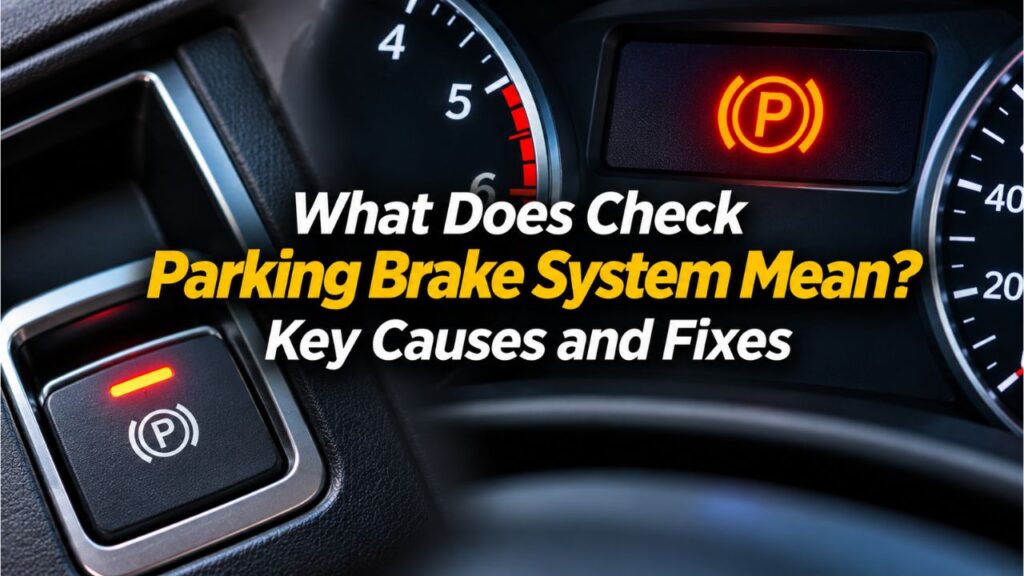
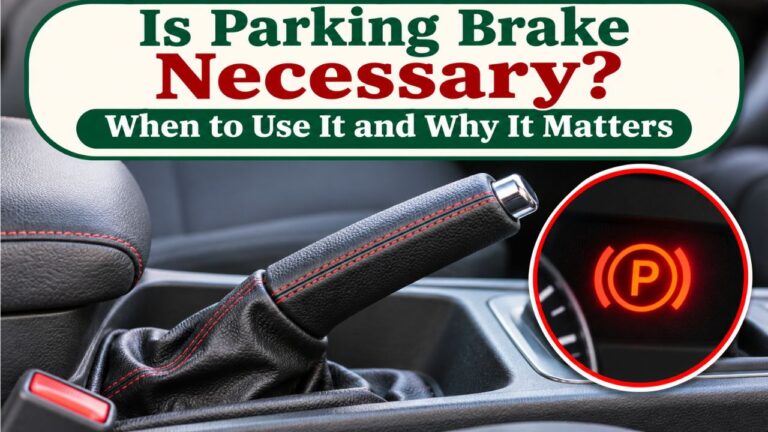
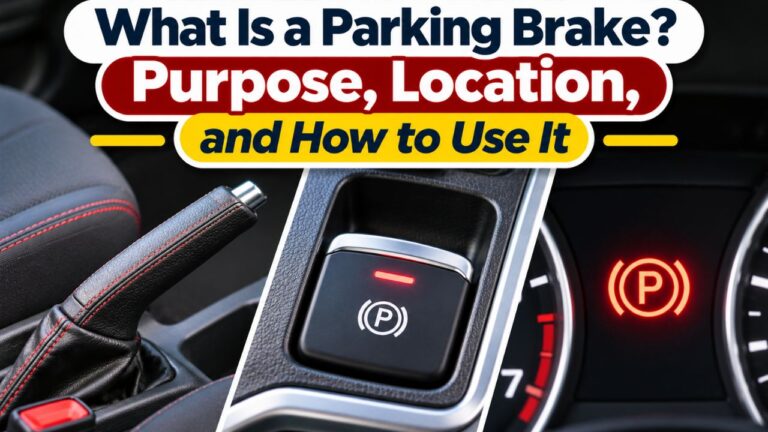
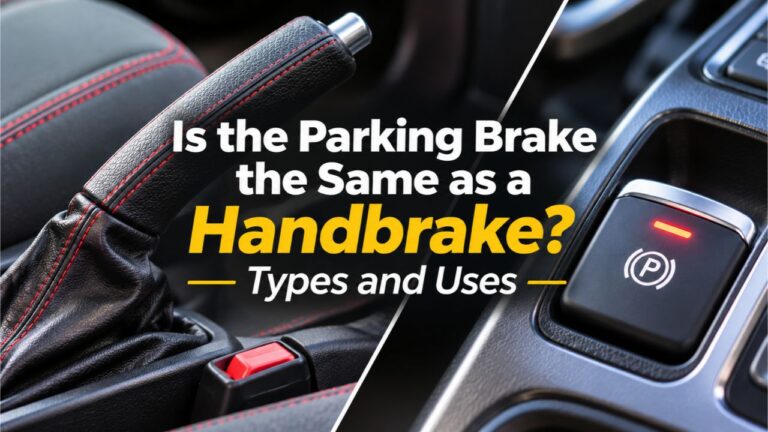
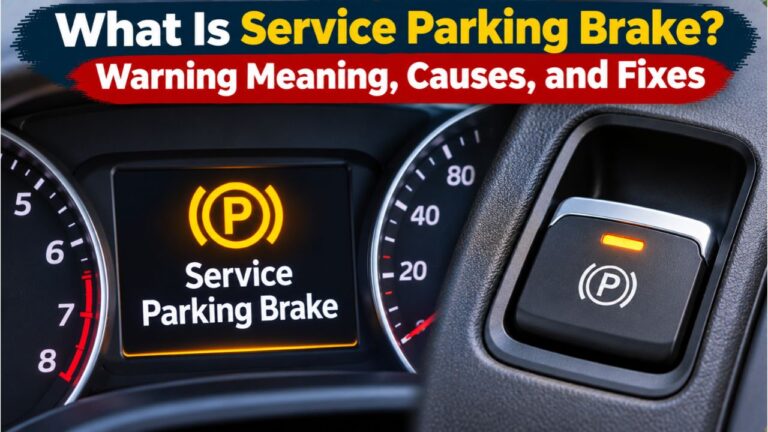
On many vehicles, this wording is a parking brake system fault message, not confirmation that the driver forgot to release the brake. Electronic parking brakes use a switch, control electronics, wiring, and an electric actuator to apply or release a parking mechanism. When the system detects a problem, it can display a message even when the parking brake looks or feels normal.
The exact wording and required action depend on the vehicle. For example, the 2015 Acura TLX owner’s manual lists “CHECK PARKING BRAKE SYSTEM” alongside its electric parking brake system warning indicator. The manual explains that the indicator signals a system problem and calls for prompt dealer inspection, especially if the parking brake cannot release.
The warning may mean the brake cannot apply, cannot release, or cannot confirm its position. It does not prove the regular brake pedal has failed or guarantee the parking brake still works.
Common Causes of the Check Parking Brake System Warning
Weak Battery or Unstable Electrical Voltage
EPB motors and control modules need a reliable power supply. A weak 12-volt battery, charging issue, or voltage drop during startup can interrupt operation or trigger system errors. The message may follow a discharged battery, jump-start, battery replacement, or electrical work.
Test battery and charging performance before blaming the electrical supply.
Faulty Electronic Parking Brake Switch
The console switch sends a request to the brake controller; it does not necessarily operate the rear brakes directly. A damaged switch, failed contact, spilled liquid, or broken connection may prevent a valid apply or release command. Depending on the design, other indicators may appear even when the motor and calipers are sound.
Avoid forcing or repeatedly toggling a faulty switch.
Failed EPB Actuator or Sticking Rear Brake Mechanism
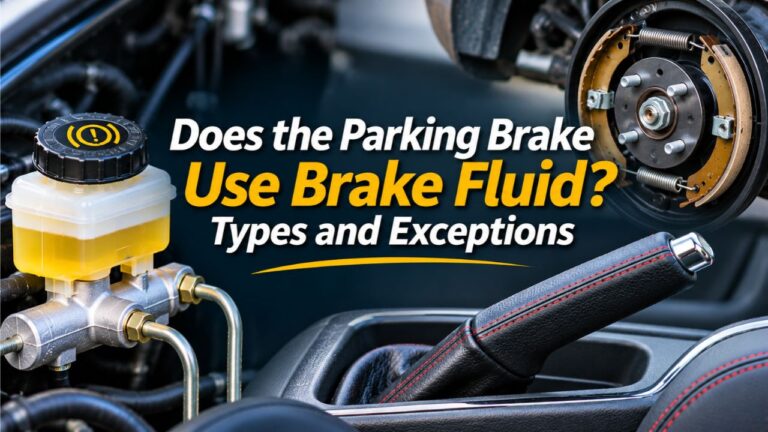
Many systems use electric motors mounted on the rear calipers, while others use a central actuator that pulls parking brake cables. A motor, gearbox, cable, or caliper mechanism that cannot move through its expected range may produce a fault warning.
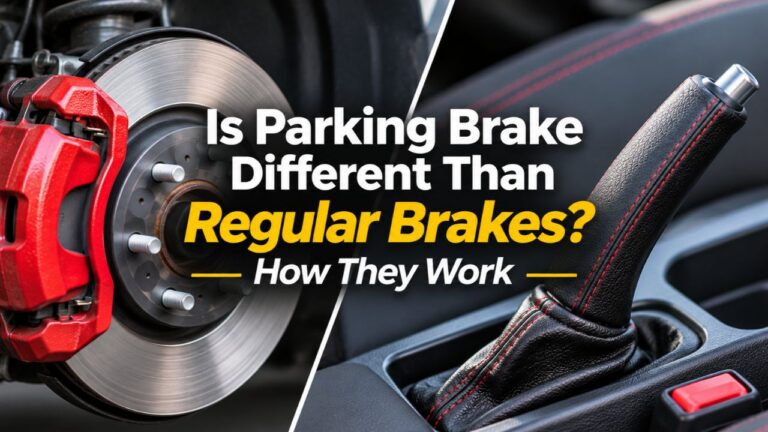
Corrosion, seized components, damaged gears, and worn mechanisms can contribute. A parking brake that remains partly engaged can also cause brake drag and heat buildup. The controller’s fault code and mechanical inspection are needed to tell an electrical failure from physical binding.
Damaged Wiring, Connectors, or Related Sensors
Wiring near the rear wheels is exposed to water, dirt, road debris, and movement. A corroded connector, broken wire, poor ground, or control-module communication problem can prevent the system from receiving accurate information. Some vehicles also depend on inputs from the brake pedal, transmission, doors, or stability-control system.
A warning does not identify which input is wrong. Replacing a rear actuator before checking its power, ground, and communication may waste money.
Incorrect Brake Service Procedure or Maintenance Mode
Some EPB-equipped rear calipers require a special brake service mode before their pistons are retracted for pad replacement. If a procedure was interrupted, a connector was left unplugged, or the parking brake was not correctly initialized afterward, the system may display a message.
Recent brake work is a diagnostic clue, not a reason to force the caliper. A qualified technician should confirm the correct maintenance-mode exit and any required calibration.
Check Parking Brake System vs. Parking Brake Engaged Warning
Not every dashboard message with the words parking brake describes a malfunction. The indicator color, other warnings, and whether the brake releases help establish the level of concern.
| Message or Indicator | Typical Meaning | Appropriate Response |
| Parking brake engaged | Brake is intentionally applied | Release normally before driving |
| Release parking brake | Brake remains applied when movement is attempted | Stop and use the prescribed release method |
| Check parking brake system | Control system has detected a possible fault | Check symptoms and arrange diagnosis |
| Parking brake not released | System cannot confirm full release | Do not drive if the brake is dragging or release is uncertain |
| Parking brake not applied | Brake may not be holding the vehicle | Secure the vehicle by other approved means and seek service |
| Red brake warning or additional ABS warning | Could indicate a separate or broader braking issue | Follow the vehicle’s urgent warning instructions |
The red BRAKE warning lamp can also serve as a parking brake indicator on some vehicles and may indicate low brake fluid or a hydraulic fault. Do not dismiss it as merely an EPB error when the pedal feels abnormal or another brake warning appears.
What to Do When Check Parking Brake System Appears
These steps help you assess the warning without dismantling safety-critical parts. They are not a universal reset procedure. If the manual instructs you to stop or avoid parking brake operation, follow that instruction instead of experimenting with the switch.
Step 01: Stop in a Safe, Level Location
If the warning appears while driving, move to a safe location using the regular brake pedal, provided it responds normally. Avoid steep slopes or places where the car could roll if the parking brake fails. Keep your foot on the service brake while shifting to Park or securing the transmission according to the owner’s manual.
If the pedal is soft, braking effectiveness changes, the vehicle pulls, or a burning smell develops, stop as soon as it is safe and arrange assistance. Do not continue driving simply to see whether the warning disappears.
Step 02: Read the Exact Message and Other Warning Lights
Note whether the display says “Check Parking Brake System,” “Parking Brake Not Released,” or something else. Record any amber EPB, red BRAKE, ABS, stability-control, or battery warning lights. Photograph the display for the repair shop.
Check the driver’s manual for the exact combination. A normal parking brake reminder usually behaves differently from a flashing malfunction light. Multiple warnings can indicate a wider electrical or brake-control problem.
Step 03: Determine Whether the Brake Is Applied or Released
With the car stationary and secured, check the parking brake status indicator. Do not assume an extinguished light means the mechanism physically released, especially if the system reports a fault. A vehicle that resists movement, makes a scraping sound, or has a hot rear wheel may have a dragging brake.
Do not test the release by pressing the accelerator against a brake that might be stuck. If the vehicle cannot be moved safely or cannot be secured when parked, seek roadside assistance.
Step 04: Follow the Manufacturer’s Permitted Switch Procedure
Some cars require the foot brake to be pressed before the parking brake can release. Others limit operation when doors are open, a seat belt is unfastened, or a system warning is present. Consult the correct owner’s manual before attempting a manual release.
The Hyundai electronic parking brake instructions describe releasing the EPB with the brake pedal depressed and warn that a parking brake that will not release normally requires service, including flatbed towing when necessary. These instructions illustrate a manufacturer-specific procedure, not a universal command for all vehicles.
Do not repeatedly operate the switch to force a stuck brake free. Never use the EPB while moving as an experimental test.
Step 05: Check for an Obvious Battery or Recent-Service Clue
Think about what happened just before the warning: a dead battery, jump-start, rear brake pad replacement, battery disconnection, or recent electrical repair. These events help narrow the investigation. A visibly loose battery terminal or clear evidence of electrical damage should be assessed with the ignition off, without probing unfamiliar wiring.
A professional battery and charging-system test can rule out unstable supply voltage. Avoid disconnecting the battery solely to erase the message; doing so can remove useful fault information without correcting the underlying cause.
Step 06: Avoid Driving if the Parking Brake Cannot Release
A parking brake held against the rear rotors can overheat pads and other components quickly. If the car feels held back, one wheel is abnormally hot, or the warning says the brake is not released, do not drive it to the shop. Tell the towing provider that the rear wheels may be locked so appropriate equipment can be used.
If the parking brake will not apply, do not leave the vehicle unsecured on an incline. Choose level ground, select Park or the prescribed manual-transmission gear, and use suitable wheel chocks where safe. The transmission’s parking lock is not a reason to ignore an unreliable parking brake.
Step 07: Have the EPB Module and Rear Brakes Diagnosed
A shop should scan the relevant brake control modules, not just the engine computer, and record diagnostic trouble codes before clearing anything. Technicians can then check commanded actuator movement, wiring, battery voltage, switch signals, and rear brake hardware using model-specific tests.
A generic code reader may report no engine codes while the parking brake controller still stores an EPB fault. The repair must restore correct application, release, and holding force.
Can a Low Battery Trigger Check Parking Brake System?
Yes, electrical supply problems can trigger warnings on some electronic parking brake systems. However, the response after battery disconnection varies significantly by model. Some vehicles need a specified initialization or self-learning procedure, while others need fault diagnosis or repair.
For instance, Ford’s 2026 Bronco Sport parking brake troubleshooting instructions direct owners who see a particular malfunction message after battery disconnection or discharge to complete a parking brake self-learning action by applying and releasing the brake. That is specific to the documented Ford procedure and should not be copied to a vehicle whose manual warns against EPB operation during a fault.
If the message returns after battery health is restored, assume the fault remains unresolved until the appropriate module is checked. A successful engine start does not establish reliable EPB operation.
Is It Safe to Drive With a Parking Brake System Warning?
Not automatically. If the parking brake is confirmed fully released, the service brakes work normally, no additional warnings are present, and the owner’s manual permits continued driving, a direct trip for inspection may be appropriate. But there is no universal safe-to-drive rule for this message.
Do not drive when the parking brake is stuck, braking feels different, the vehicle rolls when it should be secured, a red brake warning indicates a hydraulic fault, or the manual directs you to stop. A vehicle that can move may still lack a reliable parking brake when you reach your destination.
Arrange towing if you cannot confidently establish that the brakes are released and functioning. Safety matters more than clearing the dashboard message.
How Mechanics Fix a Check Parking Brake System Fault
Repair depends on the diagnostic result. A weak battery or poor electrical connection may need correction. A damaged switch or wiring harness may be repaired with the specified parts. A seized rear caliper, failed actuator, or broken cable may require mechanical replacement, followed by any required calibration or service-mode procedure.
Some faults are resolved by completing the manufacturer’s initialization after battery work or rear brake service. Others persist until an electronic module, motor, or damaged component is replaced. Simply erasing codes is not a repair unless the cause has been corrected and the system passes its checks.
Cost varies widely with the vehicle, the diagnostic time, and whether a small connector or an integrated rear-caliper assembly has failed. Ask the shop to identify the stored codes, confirmed defective part, and testing performed before authorizing major replacement work.
FAQs About What Does Check Parking Brake System Mean
Will the Check Parking Brake System Warning Go Away on Its Own?
It may disappear after a temporary voltage or operating condition ends, but that does not confirm the cause is repaired. A recurring warning needs diagnosis, even if the brake seems to work between alerts.
Can I Reset the Parking Brake Warning by Disconnecting the Battery?
That is not a reliable fix. Battery disconnection may erase clues or create additional initialization needs. Follow the model-specific manual and repair the underlying fault before clearing diagnostic codes.
Does This Warning Mean My Regular Brakes Have Failed?
Not necessarily. Parking brake faults can occur while the regular service brakes still operate, but related brake or electrical faults are possible. If pedal response changes or other serious warnings appear, stop driving.
Can a Bad Rear Brake Caliper Cause This Message?
Yes. On vehicles with motors integrated into rear calipers, a seized mechanism or failed actuator can prevent normal EPB movement. Proper diagnosis must distinguish mechanical binding from a motor or wiring fault.
What if the Parking Brake Warning Appears After Changing Brake Pads?
The system may not have exited brake service mode correctly, a connector may be unplugged, or a component may be damaged. Return to the proper service procedure rather than forcing the actuator or guessing at a reset.
Can I Park on a Hill if the EPB Warning Is On?
Avoid relying on a parking brake that may not hold. Choose level ground and follow the manufacturer’s securing instructions, including Park or the appropriate gear and wheel chocks when needed. Seek repair promptly.
Treat a Check Parking Brake System Message as a Brake Fault
Understanding what does check parking brake system mean starts with recognizing it as a possible problem in the system that applies, releases, or monitors the parking brake. A weak battery or disturbed connection may be involved, but a faulty actuator, switch, or mechanical brake component can produce a similar warning. The message alone cannot identify the failed part.
Check the exact alert and accompanying lights, confirm whether the vehicle can be safely secured, and follow its owner’s manual rather than trying random resets. If the brake is stuck or normal braking is affected, do not drive. A proper EPB diagnostic scan and functional test provide the safest path back to reliable parking brake operation.