Can You Lubricate Brake Caliper Piston: Overview and Key Facts
Can a brake caliper piston be lubricated? Sometimes, but only with the correct brake-system lubricant and only during the proper service procedure. A caliper piston should not be sprayed or coated with ordinary grease while it is installed, because the wrong product can damage the rubber seal, contaminate the brake pad, or interfere with piston movement.
If you are asking, can you lubricate brake caliper piston, the practical answer is this: use a compatible brake assembly lubricant or clean brake fluid on the piston seal and piston during caliper rebuilding, following the vehicle manufacturer’s instructions. Do not apply lubricant to the exposed piston, brake rotor, or pad friction material as a routine fix.
Can You Lubricate a Brake Caliper Piston?
Yes, a brake caliper piston can be lubricated in a limited, specific context. During disassembly and rebuilding, a small amount of clean brake fluid or a lubricant approved for hydraulic brake components may be used to help install the piston into its square-cut seal. The product must be compatible with the brake fluid type and the seal material.
That is different from lubricating an installed piston from the outside. The visible portion of a piston should remain clean and dry unless the service manual provides a specific procedure. Adding grease, penetrating oil, silicone spray, or another general-purpose lubricant around the piston usually creates more risk than benefit.
The piston moves inside a precision-machined caliper bore. Its square-cut rubber seal both contains hydraulic pressure and helps retract the piston slightly when brake pressure is released. A damaged, swollen, dirty, or incorrectly lubricated seal can prevent normal piston movement.
When Lubrication Is Appropriate
Lubrication is generally appropriate when the caliper is being rebuilt or a new piston and seal are being installed. The goal is not to make the piston permanently slippery. The goal is to protect the seal during assembly and prevent the rubber from folding, tearing, or dragging as the piston enters the bore.
Common acceptable assembly materials include:
- Clean, fresh brake fluid of the type specified for the vehicle.
- A dedicated brake assembly lubricant labeled as compatible with hydraulic brake seals.
- A product specifically approved by the caliper or seal manufacturer.
Clean brake fluid is often the safest choice when the service instructions call for it. Some replacement seal kits instead specify a particular brake assembly compound. The label and repair instructions matter because brake seals may be made from different elastomers, and a lubricant that is safe for one application may damage another.
Use only a thin film. Excess material can collect dirt, migrate onto the brake pad, or remain in places where it does not belong. Any lubricant that reaches the pad friction surface or rotor should be removed or the contaminated component should be replaced, depending on the material and the manufacturer’s guidance.
What You Should Not Use
Do not use petroleum grease, chassis grease, wheel-bearing grease, motor oil, transmission fluid, penetrating oil, or general-purpose aerosol lubricant on the caliper piston or its hydraulic seal. Petroleum-based products can cause some brake-system rubber components to swell, soften, crack, or lose their sealing ability.
Do not assume that high-temperature grease is suitable for a caliper piston. High-temperature rating describes how a product handles heat; it does not prove compatibility with brake fluid or hydraulic seals. A product may tolerate heat and still damage the piston seal.
Do not use brake lubricant intended for pad backing plates or caliper slide hardware inside the hydraulic bore. Those products are designed for external metal-to-metal contact and may not be compatible with internal rubber seals.
Also avoid lubricating the exposed piston as a quick solution for a sticking caliper. If the piston is corroded, pitted, dirty, or seized, outside lubrication will not repair the bore, restore the seal, or remove corrosion. It may temporarily hide the condition while allowing contamination to enter the hydraulic area.
Brake Piston Versus Slide Pin Lubrication
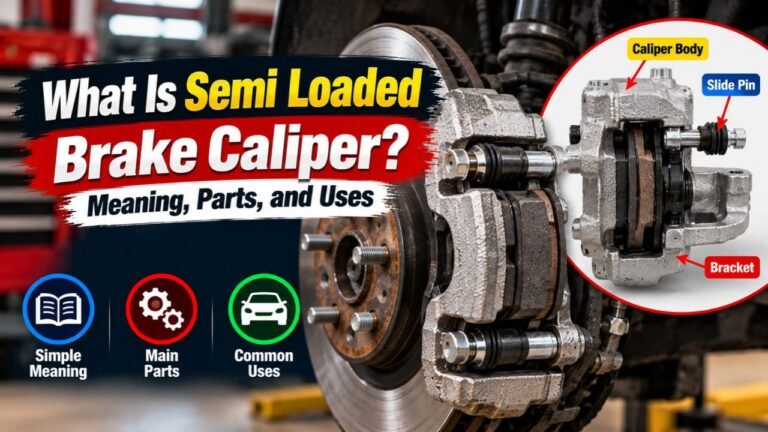
A brake caliper piston and a caliper slide pin are different components and require different service materials. Confusing them is a common cause of brake problems.
The piston operates inside a hydraulic bore and is sealed by an internal rubber seal. It requires clean brake fluid or a lubricant approved for the hydraulic seal during rebuilding. The slide pin moves inside a rubber boot and normally uses a dedicated caliper pin lubricant that is compatible with the boot material.
Slide-pin grease should not automatically be applied to the piston. Likewise, brake fluid intended for the hydraulic system should not be treated as a universal lubricant for every external caliper component. Always match the product to the component and its seal.
The same distinction applies to pad contact points. A small amount of approved brake lubricant may be used on specified metal contact areas, such as certain pad ears or abutment points, but it must never reach the pad friction surface or rotor. That external service does not mean the piston itself should be coated.
How to Lubricate a Caliper Piston During Rebuilding
The exact procedure varies by caliper design, but the basic process is consistent. If the caliper must be opened or the piston removed, use the vehicle service information and the instructions supplied with the seal kit.
- Confirm the correct parts and fluid. Identify the caliper type, replacement seal, piston, and specified brake fluid. Check whether the kit calls for clean brake fluid or a dedicated assembly lubricant.
- Disassemble the caliper safely. Remove the piston and old square-cut seal according to the repair procedure. Do not use sharp tools that can scratch the caliper bore or seal groove.
- Clean the components. Use an approved brake-system cleaning method. Remove corrosion, dirt, and old fluid from the bore and seal groove. Do not leave abrasive residue behind.
- Inspect the bore and piston. Look for pitting, deep scratches, rust, distortion, or corrosion in the seal groove. A damaged surface may require a replacement piston, replacement caliper, or professional rebuilding.
- Install the new seal. Apply the specified thin film of clean brake fluid or compatible assembly lubricant to the seal and its groove if the instructions require it. Ensure the seal is seated evenly and is not twisted.
- Lubricate the piston lightly. Apply only the approved assembly material to the piston surface that enters the seal. Do not use a heavy coating, and keep all dirt away from the hydraulic surfaces.
- Press the piston into place. Push it in squarely and slowly. If it binds, stop and inspect the seal, piston alignment, and bore rather than forcing it.
- Complete the brake service. Reinstall the dust boot and other components correctly, refill or reconnect the hydraulic system as required, bleed the brakes, and check for leaks before driving.
A piston that will not enter smoothly is not asking for more lubricant. Resistance can indicate a twisted seal, an incorrect part, a damaged piston, corrosion, or a contaminated bore. Forcing the piston can cut the seal and create a hydraulic leak.

Should an Exposed Piston Be Lubricated?
Normally, no. The exposed section of a working caliper piston should be clean and free from external grease. If the piston surface is visibly rusty, rough, wet with brake fluid, or covered in debris, the condition should be diagnosed rather than masked with lubricant.
A light film of clean brake fluid may be used in some manufacturer-approved procedures when retracting a piston or installing a dust boot, but this is not the same as routinely lubricating an assembled caliper. The service manual should control the decision, especially for rear calipers with an integrated parking-brake mechanism or a screw-in piston design.
Never pry directly against a piston seal with a screwdriver or similar sharp tool. The seal is essential to hydraulic pressure retention, and even a small cut can cause leakage or allow moisture and dirt into the caliper.
Signs the Caliper Piston Has a Problem
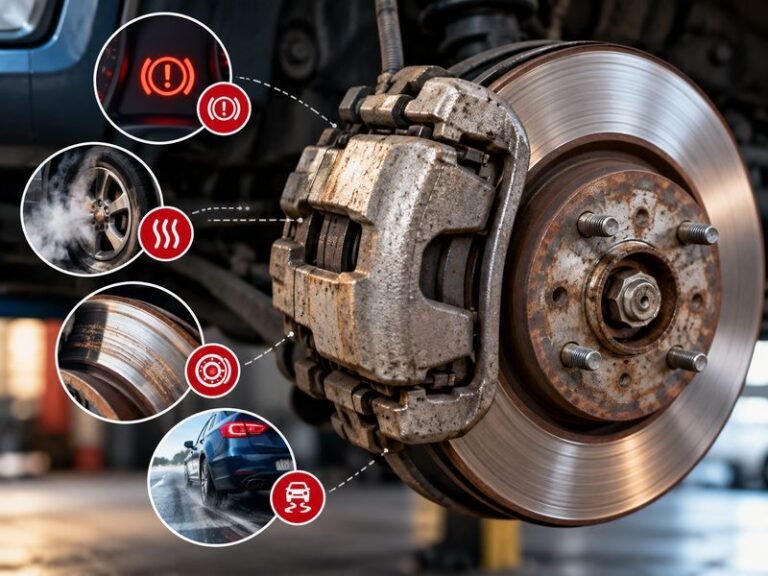
A piston that needs repair may produce symptoms that lubrication cannot solve. Common warning signs include:
- The vehicle pulls to one side during braking.
- One wheel becomes much hotter than the others.
- The brake pad wears unevenly or remains pressed against the rotor.
- The wheel is difficult to turn after the brake pedal is released.
- Brake fluid leaks around the piston dust boot or caliper seal.
- The piston will not retract using the required tool and procedure.
- The piston surface shows rust, deep pitting, or scoring.
Brake drag can overheat the rotor, pad, wheel, and hub. A leak can reduce hydraulic pressure and compromise braking. If either condition is present, avoid relying on an external lubricant. Inspect the caliper and repair or replace the defective parts.
A torn dust boot deserves attention even when the piston still moves. The boot helps keep water and road debris away from the piston and seal. Once it is damaged, contamination can lead to corrosion and eventual seizure. Replacing the boot may be possible on some calipers, while others are more safely replaced as an assembly.
Safety Checks After Service
After caliper piston work, the hydraulic system must be checked carefully. Make sure all fittings are tight, the dust boot is seated, and no brake fluid is leaking around the piston or hose connection.
If the hydraulic system was opened, bleed the brakes using the correct procedure and fluid. The brake pedal should feel firm, not low or spongy. Check the fluid level, inspect the repaired wheel for contamination, and confirm that the pad and rotor surfaces are clean and dry.
Before normal road use, perform a cautious low-speed brake test in a safe area. Confirm that the vehicle stops evenly and that the serviced wheel does not show immediate drag or unusual heat. Do not drive if the pedal remains soft, the vehicle pulls severely, or fluid leakage is present.
Conclusion
So, can you lubricate brake caliper piston? Yes, but only with clean brake fluid or a manufacturer-approved brake assembly lubricant during the correct rebuilding or installation procedure. Do not use general grease or spray lubricant on an exposed piston, and replace or rebuild a piston that is corroded, leaking, or seized rather than trying to lubricate the problem away.