Why Does Brake Fluid Turn Black: Clear Answers and Key Facts
Brake fluid should be a clear, light amber color when it is healthy. If you check the reservoir and see dark, almost black liquid, it is a clear sign that the fluid is contaminated and degraded. This article explains the specific reasons why this happens, what it means for your braking system, and when you need to take action.
REAL-WORLD MOMENT: You pop the hood to check your oil or top off the washer fluid, and your eye catches the brake fluid reservoir. Instead of the golden hue you remember seeing during a past service, the liquid looks like used motor oil—murky, dark, and almost black. It is a common sight for many car owners, yet it is often ignored because the brakes still seem to work fine.
That dark color, however, is not just a cosmetic issue; it is a warning that the fluid has lost its ability to protect your braking system.
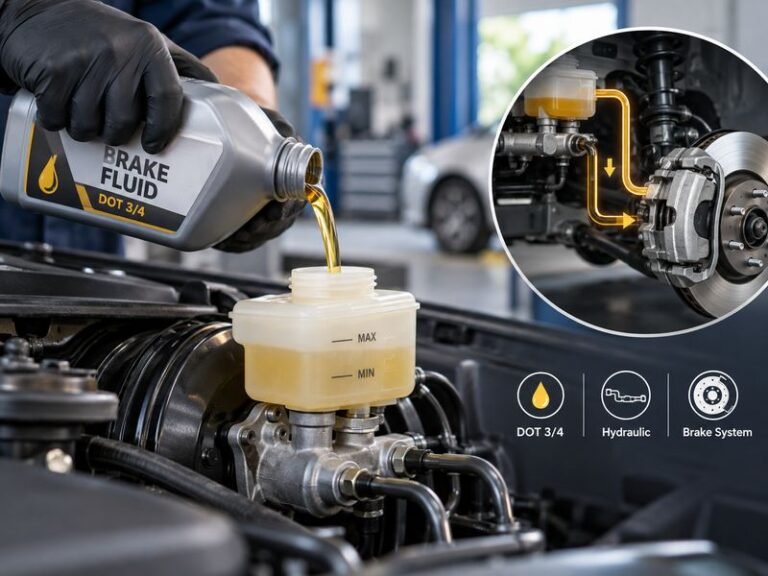
Brake fluid is the lifeblood of your car’s hydraulic braking system. It transfers the force from your foot on the pedal to the brake calipers and wheel cylinders. For this system to work reliably, the fluid must remain chemically stable and incompressible.
When it turns black, it signals that the fluid’s chemical properties have changed, which can lead to corrosion inside the brake lines and, eventually, a spongy pedal or brake failure. Understanding the root causes of this discoloration helps you decide whether a simple top-off is enough or if a full brake fluid flush is necessary.
The Primary Culprit: Thermal Breakdown and Oxidation
The most common reason brake fluid turns black is thermal breakdown. Braking converts kinetic energy into heat. During aggressive driving, mountain descents, or even heavy stop-and-go traffic, brake temperatures can soar high enough to transfer heat through the calipers and into the fluid itself.
Brake fluid is glycol-based (in most modern vehicles). When exposed to extreme heat over time, the chemical structure of the fluid begins to break down. This process is called oxidation.
The heat causes the fluid to react with oxygen, leading to the formation of dark-colored compounds and sludge. This is very similar to how engine oil darkens with use, though the chemical process differs.
Once the fluid oxidizes, it loses its ability to resist high temperatures. This creates a dangerous cycle: degraded fluid has a lower boiling point, making it more susceptible to vapor lock (the formation of gas bubbles in the line), which leads to a soft or sinking brake pedal. The dark color is your first visual indicator that the fluid has been cooked and is past its prime.
Moisture Absorption and Contamination
Unlike engine oil, brake fluid is hygroscopic, meaning it actively absorbs moisture from the air. This is a deliberate design feature to prevent water from pooling in low spots of the brake system, where it could freeze in winter or cause localized corrosion. However, this absorption comes at a cost.
Every time you open the reservoir cap, the fluid pulls humidity from the air. Over time, the water content increases. Water in the brake fluid causes two distinct problems:
1. Lower Boiling Point: Water boils at 212°F, while fresh DOT 3 or DOT 4 fluid boils at over 400°F. Even a small amount of water contamination drastically reduces the boiling point, leading to brake fade under hard use.
2. Internal Corrosion: The water reacts with the metal components inside the brake system—the master cylinder, caliper pistons, and steel brake lines. This rust and corrosion create particulate matter that mixes with the fluid.
The combination of absorbed water and the resulting microscopic metal particles turns the fluid dark. If you see black fluid, it is almost certain that the moisture content is dangerously high and that internal corrosion has already begun. This is not a condition that improves with time; it only gets worse.
Rubber Component Degradation (Seals and Hoses)
Brake systems rely on rubber seals and hoses to maintain pressure and keep fluid contained. These rubber components are designed to withstand the chemical composition of fresh brake fluid. However, as the fluid ages and becomes contaminated with moisture and acids, it starts to attack the rubber.
The degradation of rubber seals inside the master cylinder and calipers releases fine carbon-like particles into the fluid. These particles are black and become suspended in the liquid, turning it dark. This is a more serious issue than simple oxidation because it indicates that the system’s internal seals are breaking down.
When seals deteriorate, they lose their ability to seal properly. This can lead to internal leaks, where fluid bypasses the seals instead of pushing the pistons. The result is a brake pedal that slowly sinks to the floor under steady pressure.
If your brake fluid is black and you notice a low pedal or the need to pump the brakes, the seals may already be compromised.
The Role of Additives and Dirt
Fresh brake fluid contains a package of additives, including corrosion inhibitors and antioxidants. These additives are sacrificial; they work by reacting with contaminants before the contaminants can react with the metal parts. As these additives are depleted, the fluid becomes less stable and darker.
Additionally, external dirt and debris can enter the system. A cracked or missing reservoir cap allows road grime and dust to contaminate the fluid. While this is less common than internal contamination, it contributes to the dark, gritty appearance of the fluid.
If the fluid looks black and has a gritty texture, it is likely contaminated with external dirt or heavy internal wear particles.
Is Dark Brake Fluid Always Dangerous?
Not all dark fluid is an immediate emergency, but it is never normal. The color change is a progressive indicator of fluid health. Here is a practical breakdown of what different shades indicate:
- Light Amber/Golden: Healthy, fresh fluid with low moisture content and intact additives.
- Light Brown: The fluid is aging. Moisture content is rising, and the corrosion inhibitors are being consumed. It is not critical yet, but a flush should be planned soon.
- Dark Brown/Black: The fluid is degraded. Moisture content is likely high, oxidation has occurred, and corrosion products are present. The fluid’s boiling point is significantly reduced, and the system is at risk of internal damage.
The danger is not the color itself but what the color represents. Black brake fluid has a compromised boiling point. In a situation requiring repeated hard braking—such as an emergency stop on the highway or a long downhill grade—the fluid can boil.
The resulting gas bubbles are compressible, meaning the pedal will go to the floor without effectively applying the brakes.
The Difference Between Dark Fluid and “Normal” Wear
Some drivers mistake dark brake fluid for normal wear and tear, comparing it to how engine oil turns black after a few thousand miles. This is a misconception. Engine oil is designed to suspend soot and combustion byproducts, which naturally makes it darken.
Brake fluid is a hydraulic fluid; it should remain clear. There is no “normal” process that makes brake fluid black without compromising its function.
If you notice the fluid is black, it is not a sign that the fluid is “working hard.” It is a sign that the fluid is failing. The only remedy is to replace it, not to add more fluid. Topping off a system with black fluid is like adding a cup of fresh coffee to a pot of old, burnt coffee—it does not improve the overall quality.
Why Brake Fluid Needs to Be Clear
The clarity of brake fluid is directly linked to its ability to function. Hydraulic systems rely on the fluid being incompressible. Liquids are incompressible, but gases are not.
Contaminants in black fluid, particularly water and sludge, can form gas bubbles under high temperatures or low pressure.
Furthermore, the dark particles in the fluid can act as an abrasive. As the fluid moves through the master cylinder and into the ABS (Anti-lock Braking System) modulator, these particles can score the precision-machined surfaces and clog the small orifices within the ABS unit. This can lead to expensive repairs that go far beyond a simple fluid change.
Keeping the fluid clean is essential for the longevity of the entire braking system, including the costly ABS components.
How Often Should You Change It?
The color of the fluid is a better indicator of its health than a strict time interval, but manufacturers provide guidelines for a reason. Most vehicle manufacturers recommend a brake fluid flush every two years or every 30,000 miles, whichever comes first. This interval is designed to replace the fluid before the moisture content reaches a dangerous level.
If you live in a humid climate or frequently drive in stop-and-go traffic, you may need to change it more often. If you are a “spirited” driver who brakes hard, the thermal stress will degrade the fluid faster. The best practice is to visually inspect the fluid at every oil change.
If you notice it starting to darken, schedule a flush rather than waiting for the scheduled maintenance interval.
The Professional Brake Fluid Flush
When dealing with black brake fluid, a simple gravity bleed or manual pump-out is not sufficient. You need a complete brake fluid flush. This process involves removing all the old fluid from the master cylinder and bleeding fresh fluid through each brake caliper until the fluid runs clear.
A professional flush typically uses a pressure bleeder or a vacuum extractor to force the old fluid out of the system. This ensures that the contaminated fluid is removed from the ABS unit, calipers, and lines. While it is possible to do this at home with a friend and a bleeder hose, it is a messy and time-consuming job.
If you are not experienced with brake work, it is safer to have a professional perform the flush to ensure no air is introduced into the system.
What Happens If You Ignore It?
Ignoring black brake fluid is a gamble. The most immediate risk is brake fade due to a lowered boiling point. This can happen suddenly.
You might be driving down a steep hill, riding the brakes, and suddenly the pedal goes soft. This is the fluid boiling and creating vapor pockets in the lines.
The long-term risk is component failure. The moisture in the fluid will eventually corrode the steel brake lines from the inside out. This can lead to a pinhole leak, causing a sudden loss of brake fluid and total brake failure.
The master cylinder and calipers are also at risk, as the abrasive particles in the fluid wear down the seals and bores. Replacing a master cylinder or a set of calipers is significantly more expensive than a routine fluid flush.
Checking Your Brake Fluid Safely
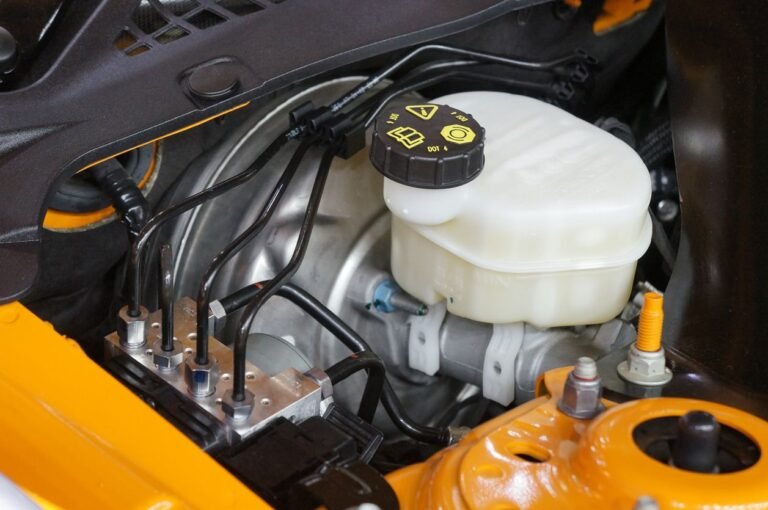
To check your brake fluid, park on a level surface and turn off the engine. Locate the master cylinder reservoir under the hood—it is usually mounted on the driver’s side firewall. The reservoir is typically translucent, allowing you to see the fluid level without opening the cap.
If the reservoir is dark plastic and you cannot see the fluid, you can open the cap to inspect it. Be careful not to spill brake fluid on painted surfaces, as it is highly corrosive to automotive paint. If the fluid is black, do not drive the vehicle unless absolutely necessary.
If you must drive, do so with caution, avoiding hard braking and maintaining a greater following distance.
The Bottom Line on Fluid Color
Brake fluid turns black because it is contaminated with moisture, oxidation byproducts, and rubber or metal particles. This contamination compromises the fluid’s boiling point and its ability to protect the hydraulic system. It is a clear indicator that the fluid has reached the end of its service life and must be replaced.
Conclusion
Black brake fluid is a definitive warning that your braking system is compromised. The color change results from thermal breakdown, moisture absorption, and internal corrosion, all of which reduce the fluid’s boiling point and threaten the integrity of seals and lines. Do not attempt to fix this by topping off the reservoir; the entire system needs to be flushed with fresh fluid.
If you see black fluid in your reservoir, schedule a brake fluid flush immediately. If the pedal feels soft or sinks to the floor, do not drive the car—have it towed to a qualified mechanic to prevent a potentially catastrophic brake failure.