Are Brake Calipers Universal: Key Facts and Helpful Explanations
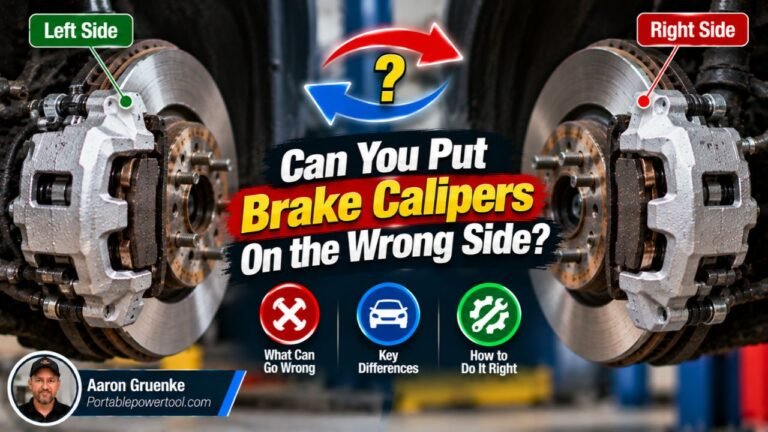
No, brake calipers are not universal. They are vehicle-specific components designed to match your car’s exact make, model, year, and trim level, along with its brake rotor size and type.
Are Brake Calipers Universal? The Short Answer
This article explains why calipers differ, what happens if you try to install the wrong part, and how to find the correct replacement for your vehicle. I will also cover the differences between loaded, semi-loaded, and bare calipers, plus the risks of using used or remanufactured parts.
Why Brake Calipers Cannot Be One-Size-Fits-All
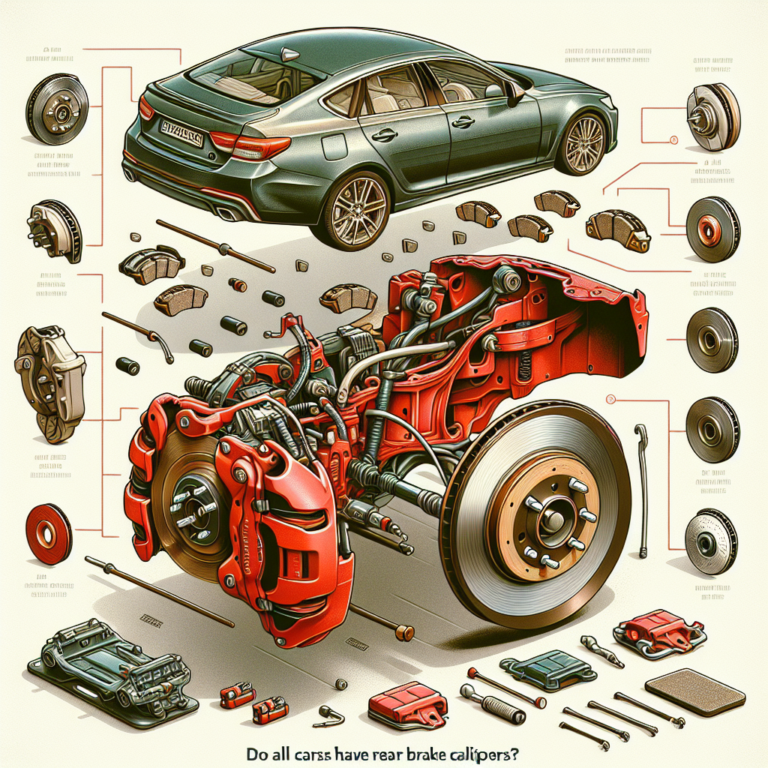
Brake calipers are precision components that must fit within your wheel assembly and align perfectly with the brake rotor. A caliper designed for a different vehicle may have the wrong mounting bracket spacing, piston diameter, or fluid inlet location. Even a small misalignment can cause uneven pad wear, reduced braking power, or a caliper that contacts the wheel rim.
Manufacturers engineer calipers for specific brake system requirements. A compact sedan with a 10-inch rotor uses a much smaller caliper than a heavy-duty pickup truck with a 14-inch rotor. The hydraulic pressure, brake pad size, and heat dissipation needs all differ between vehicles.
Mounting Bracket and Bolt Pattern Variations
The caliper mounting bracket bolts to the steering knuckle or spindle. The distance between these bolt holes, called the bolt spacing, varies widely across manufacturers. Even within the same brand, different models often use different bolt patterns.
For example, a caliper from a Honda Civic will not bolt onto a Honda Accord because the mounting ears are positioned differently.
Some calipers use a sliding design with a single piston, while others use a fixed design with multiple pistons on both sides of the rotor. These designs require different brackets, slides, and hardware. You cannot interchange them without replacing the entire mounting assembly.
Rotor Diameter and Thickness Compatibility
Brake calipers are sized to match the rotor’s diameter and thickness. A caliper made for a thicker rotor will clamp down on a thinner rotor, causing the pads to sit too far away from the friction surface. This increases pedal travel and may prevent the parking brake from engaging properly on rear calipers.
Conversely, a caliper designed for a thin rotor will not fit over a thicker one. The pads will contact the rotor even when the brake is released, causing constant drag, overheating, and premature pad wear.
Key Differences That Make Calipers Vehicle-Specific
Several design attributes ensure a caliper works correctly with one particular brake system. Understanding these differences helps explain why universal fitment is impossible.
- Piston size and count: Single-piston calipers are common on everyday vehicles, while performance cars may use two, four, or six pistons. The piston bore diameter affects clamping force and brake feel.
- Brake pad shape: Each caliper is machined to accept a specific pad shape. Pads differ in length, height, and friction material attachment method.
- Fluid inlet thread: The banjo bolt or hard line fitting has a specific thread pitch and size. Using the wrong fitting can strip threads or cause a fluid leak.
- Bleeder screw position: The bleeder screw must be at the highest point of the caliper to remove air from the system. A caliper from another vehicle may have the bleeder in the wrong location, making it impossible to bleed properly.
- Integrated parking brake: Many rear calipers include a mechanical parking brake mechanism. The cable attachment and internal adjuster are unique to each model.
What Happens If You Install the Wrong Caliper
Attempting to fit a caliper from a different vehicle is not a minor mistake. The consequences range from poor braking performance to complete brake failure. Here is what can go wrong.
Brake Fluid Leaks
If the fluid inlet does not match your brake line fitting, the connection will not seal properly. Brake fluid is corrosive and flammable. A leak reduces hydraulic pressure, causing a soft or spongy pedal.
In severe cases, you may lose braking entirely.
Uneven Pad Wear and Rotor Damage
A misaligned caliper applies pressure unevenly across the brake pad. One edge of the pad may wear down quickly while the other remains thick. This creates a tapered pad that reduces contact area and braking efficiency.
The uneven pressure can also score or warp the rotor, requiring expensive resurfacing or replacement.
Wheel Clearance Problems
An oversized caliper may contact the inner barrel of your wheel. This produces a grinding noise while driving and can damage both the caliper and the wheel. In some cases, the caliper may prevent the wheel from mounting at all.
Brake Drag and Overheating
A caliper with the wrong piston size or internal dimensions may not retract fully when you release the brake pedal. This keeps the pads in constant contact with the rotor. The resulting friction generates extreme heat, which can boil brake fluid, warp rotors, and damage wheel bearings.
How to Find the Correct Caliper for Your Vehicle
Finding the right caliper requires more than knowing your car’s make and model. You must also consider the brake package installed at the factory. Many vehicles offer multiple brake options depending on engine size, towing package, or performance trim.
Check Your Vehicle Identification Number
The VIN contains information about the original brake system. You can find the VIN on the dashboard near the windshield or on the driver’s side door jamb sticker. Parts retailers and dealerships use this number to identify the exact caliper specifications for your car.
Measure the Rotor Diameter
If you are unsure which brake package your vehicle has, measure the rotor diameter. Remove the wheel and measure from one edge of the rotor to the opposite edge, across the center. Compare this measurement to the specifications listed for your vehicle.
A difference of even half an inch can indicate a different caliper requirement.
Look for the Caliper Part Number
Most calipers have a part number cast into the housing. This number corresponds to the original equipment manufacturer’s part. You can use this number to cross-reference with aftermarket replacements.
If the number is worn or difficult to read, clean the area with a wire brush and use a flashlight.
Loaded, Semi-Loaded, and Bare Calipers
When purchasing replacement calipers, you will encounter three main types. Each serves a different purpose depending on how much of the brake assembly you want to replace at once.
Loaded Calipers
A loaded caliper comes with brake pads and hardware already installed. This is the most convenient option because you simply bolt it on and connect the brake line. Loaded calipers are ideal for DIY mechanics who want to replace the caliper and pads together.
However, the included pads may not be the same quality as the premium pads you would select separately.
Semi-Loaded Calipers
Semi-loaded calipers include the mounting bracket and hardware but do not come with brake pads. You must transfer your existing pads or install new ones. This option gives you more control over pad selection while still providing the necessary bracket and clips.
Bare Calipers
A bare caliper includes only the caliper housing and internal piston mechanism. You must transfer the bracket, pads, clips, and any other hardware from your old caliper. Bare calipers are the most affordable option but require more labor and mechanical knowledge.
They are best for situations where your original bracket and hardware are still in good condition.
Remanufactured vs. New Calipers
Most auto parts stores sell remanufactured calipers rather than brand-new ones. Remanufactured calipers are rebuilt from used cores. The process involves disassembling the caliper, cleaning all components, replacing worn seals and pistons, and testing the unit for leaks and proper operation.
Quality remanufactured calipers can perform as well as new units at a lower price. However, the quality varies between manufacturers. Some remanufacturers only replace the minimum number of parts, which can lead to premature failure.
Look for a warranty and choose a reputable brand with positive reviews.
Can You Use Calipers From a Different Trim Level?
Sometimes, calipers from a higher trim level of the same vehicle model can fit a lower trim. For example, if a sports trim has larger rotors and calipers, those parts may physically bolt onto a base model of the same generation. However, this is not a simple bolt-on upgrade.
You would also need to replace the rotors, brake pads, and possibly the brake lines and master cylinder. The larger calipers require more brake fluid volume, which the base model’s master cylinder may not supply adequately. This can result in a low or spongy brake pedal.
Unless you are prepared to upgrade the entire brake system, stick with the calipers designed for your specific trim.
When to Replace Brake Calipers
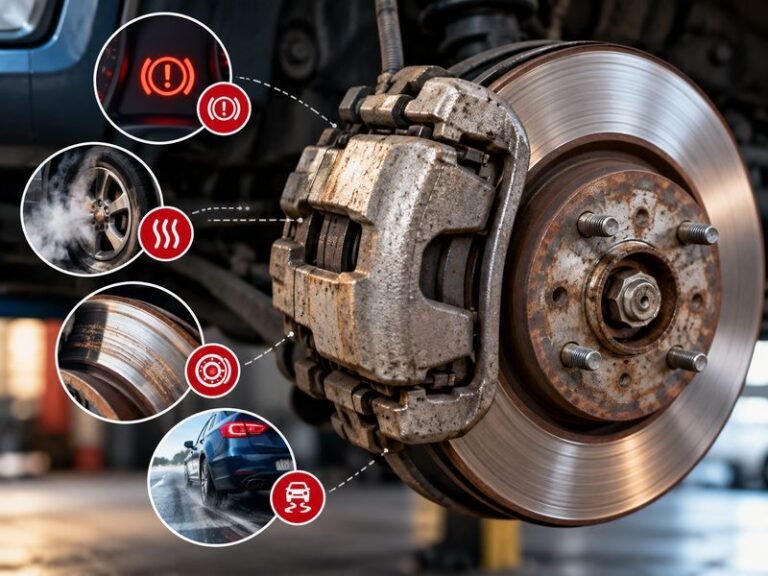
Brake calipers are durable components that can last 100,000 miles or more. However, they do wear out eventually. Knowing the warning signs helps you address problems before they become safety hazards.
- Brake fluid leaks: Fluid pooling inside the wheel or along the caliper body indicates a failed piston seal.
- Sticking caliper: The vehicle pulls to one side during braking, or the wheel feels hot after driving.
- Uneven brake pad wear: One pad is significantly thinner than the other on the same axle.
- Low brake pedal: The pedal sinks toward the floor, suggesting internal fluid bypass.
- Visible corrosion: Heavy rust on the caliper body can cause the piston to seize.
Professional Installation vs. DIY
Replacing brake calipers is a job that many experienced DIY mechanics can handle. The process involves removing the wheel, disconnecting the brake line, unbolting the caliper, and installing the new unit. You must then bleed the brake system to remove air from the lines.
However, this job requires attention to detail and the right tools. If you are not comfortable working with hydraulic brake systems, professional installation is worth the cost. A mistake during installation can lead to brake failure and a serious accident.
Always torque the caliper bolts to the manufacturer’s specification and double-check all connections before driving.
Conclusion
Brake calipers are not universal, and attempting to force a mismatched part onto your vehicle is dangerous. The correct caliper depends on your vehicle’s specific brake system, including the rotor size, mounting bracket design, piston configuration, and brake pad shape. Always verify the part number against your VIN or the original caliper before purchasing a replacement.
If you are unsure which caliper fits your car, consult a professional mechanic or use the VIN lookup service at a reputable parts retailer. Taking the time to source the right part ensures your brakes perform reliably and keeps you safe on the road.