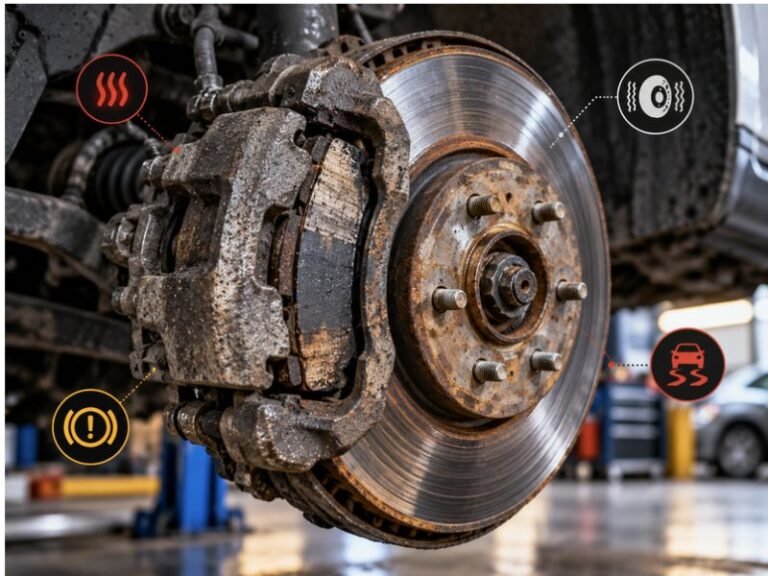
Are Brake Calipers Covered Under Ford Warranty: Explained Clearly
Brake calipers are covered under the Ford warranty, but only under specific conditions and timeframes. Generally, Ford’s bumper-to-bumper warranty covers calipers for 3 years or 36,000 miles, while the powertrain warranty does not cover them. This article explains the coverage details, common exclusions, and the practical steps you need to take if your calipers fail.
Think of a warranty like a homeowner’s insurance policy: it protects you against sudden, unexpected damage, but it does not pay for routine upkeep or wear caused by normal aging. If a tree falls on your roof, you are covered; if the shingles simply wear out after a decade, you pay out of pocket. Brake calipers follow the same logic, and knowing the difference between a defect and wear is the key to avoiding an unexpected bill.
Understanding Ford’s Warranty Structure
Ford provides several layers of protection for new vehicles, and knowing which layer applies to your brake calipers is essential. The coverage is not a single blanket promise; it is divided into specific categories with different durations and parts lists.
The Bumper-to-Bumper Warranty (New Vehicle Limited Warranty)
This is the primary coverage for brake calipers. It lasts for 3 years or 36,000 miles, whichever comes first. During this period, Ford will repair or replace any caliper that fails due to a manufacturing defect in materials or workmanship.
This includes the caliper housing, the piston, the seals, and the internal hydraulic components.
If your car is within this window and you experience a sticking caliper, a fluid leak from the piston seal, or a seized slider pin, the dealership should cover the repair. You will typically pay nothing for the part or the labor, provided the failure is not caused by external factors.
The Powertrain Warranty (5 Years/60,000 Miles)
Many owners mistakenly assume that because the powertrain warranty is longer, it covers everything related to stopping. It does not. The powertrain warranty specifically covers the engine, transmission, and drive axles.
Brake calipers are not part of the powertrain system.
Even if your vehicle has only 40,000 miles and is well within the 5-year powertrain window, a failed caliper will not be covered under this section. You must rely on the shorter bumper-to-bumper coverage for that repair.
Emissions and Other Warranties
Ford also offers specific warranties for emissions components and corrosion. Neither of these applies to brake calipers. The corrosion warranty covers perforation of the body panels from rust, not the surface rust that may form on a caliper bracket or housing.
What Causes Caliper Failure and What Is Covered?
To determine if your claim will be approved, the dealership technician must diagnose the root cause of the failure. Ford will cover failures that are clearly defects in manufacturing, but they will deny claims for parts that have simply worn out or been damaged by neglect.
Covered: Internal Leaks and Defective Seals
A caliper relies on a rubber piston seal to keep brake fluid inside and to retract the piston when you release the brake pedal. If this seal is improperly installed at the factory or fails prematurely due to a material defect, fluid will leak onto the brake pad and rotor. This is a classic warranty failure.
The dealership will replace the caliper and flush the brake system.
Covered: Sticking Pistons from Corrosion (Sometimes)
This is a gray area. If the caliper piston seizes because of internal corrosion caused by moisture in the brake fluid, Ford may cover it if the vehicle is young and the fluid is uncontaminated. However, if the corrosion is due to the owner neglecting to change the brake fluid at the recommended intervals, the claim can be denied.
The technician will often check the condition of the fluid to determine if maintenance neglect caused the issue.
Not Covered: Wear and Tear
Brake calipers are not considered a “wear item” like pads or rotors, but they do wear over time. The rubber dust boots can crack from heat and age, allowing dirt and water into the slider pins. If this happens after the 3-year/36,000-mile warranty has expired, the repair is your responsibility.
Ford will not cover a caliper that has failed simply because the vehicle has high mileage and the rubber components have deteriorated.
Not Covered: External Damage and Neglect
If you hit a curb, were involved in an accident, or had a wheel weight fly off and damage the caliper, the warranty is void. Similarly, if a brake hose collapses and causes the caliper to overheat, the warranty claim will likely be denied because the caliper did not fail on its own. The warranty covers the part, not the consequences of other failed parts or external forces.
The Role of Maintenance in Your Claim
Ford can deny a warranty claim if you cannot prove that you followed the scheduled maintenance. While brake calipers do not have a specific service interval for replacement, they are affected by the condition of the brake fluid.
Brake Fluid Flushes
Ford recommends changing the brake fluid at specific intervals, usually every 2 to 3 years or 30,000 miles. Brake fluid is hygroscopic, meaning it absorbs moisture from the air over time. This moisture lowers the boiling point of the fluid and can cause internal corrosion in the caliper piston bore.
If your caliper seizes and the technician finds that the fluid is dark, contaminated, or has never been changed, they have grounds to deny the repair. Keep your receipts for fluid flushes to protect yourself.
Pad and Rotor Replacement
If you let your brake pads wear down to the metal, the piston will extend further than it is designed to. This can cause the piston seal to tear or the piston to cock sideways in the bore. A caliper damaged by severely worn pads is not a warranty defect.
It is a maintenance failure.
What to Do If Your Caliper Fails
If you suspect a caliper issue, your actions can determine whether the repair is covered. Follow these steps to give yourself the best chance of a warranty approval.
1. Document the Symptoms
A failing caliper usually causes the car to pull to one side when braking, a burning smell, or excessive heat coming from one wheel. You may also notice that the brake pedal feels spongy or that one wheel is covered in brake dust. Write down when the symptom started and how the car behaves.
This information helps the technician diagnose the issue quickly.
2. Visit a Ford Dealership
While independent mechanics can fix the problem, only a Ford dealership can process a warranty claim. If you take your car to a local shop, you will pay for the repair yourself and then have to seek reimbursement from Ford, which is a difficult process. Schedule an appointment with the service department of a Ford dealer.
3. Bring Your Maintenance Records
Even if the vehicle is under the mileage limit, the service advisor will ask about maintenance. Bring records showing that the brake fluid was flushed at the recommended intervals and that the brake pads were replaced before they wore out. This documentation proves that you did not contribute to the failure.
4. Understand the Diagnosis
The technician will inspect the caliper, the brake fluid, and the surrounding components. If they determine the failure is due to a defect, they will order a replacement part. If they determine it is due to wear or neglect, they will provide you with a quote for the repair.
Ask for a detailed explanation of why the claim was denied.
Warranty Coverage for Used and Certified Pre-Owned Vehicles
The coverage rules change slightly if you do not own a brand-new Ford.
Certified Pre-Owned (CPO) Vehicles
Ford’s CPO program extends the bumper-to-bumper warranty. A CPO vehicle typically gets a 12-month/12,000-mile comprehensive warranty that begins at the time of purchase. This coverage is often bumper-to-bumper in nature, meaning it should cover brake calipers if they fail during that period.
However, the vehicle must pass a 172-point inspection before certification, so a caliper with a known issue should have been caught before you bought the car.
Used Vehicles with Remaining Factory Warranty
If you buy a used Ford that is still within the original 3-year/36,000-mile window, the warranty transfers to you. The coverage is the same as it would be for the original owner. You do not need to pay a fee to transfer the warranty.
However, the clock started when the vehicle was first sold, not when you bought it. If the car is 2 years old with 20,000 miles, you have one year and 16,000 miles of coverage left.
Extended Service Plans (ESP)
Ford offers extended warranties called Vehicle Service Contracts. These plans have different levels of coverage. The “Premium” and “ExtraCare” plans usually cover brake calipers.
The “PowertrainCare” plan does not. If you purchased an extended plan, check your contract paperwork to see if the brake system is listed. If it is not listed, you are not covered.
Common Denial Reasons and How to Avoid Them
Understanding why claims are denied helps you prepare for the dealership visit. Here are the most frequent reasons a Ford caliper warranty claim is rejected.
The Vehicle Is Out of Time or Mileage
This is the most common reason. The warranty is based on whichever comes first. If you have 37,000 miles on the odometer but the car is only 2 years old, you are out of coverage.
If you have 35,000 miles but the car is 4 years old, you are also out of coverage. There is no grace period.
The Caliper Shows Signs of Overheating
If the caliper is blue from heat or the brake fluid has boiled, the technician will assume the brakes were abused. This could be from towing heavy loads without the proper equipment or from riding the brakes down a long mountain grade. Overheating damage is not a defect.
Aftermarket Modifications
If you installed larger aftermarket wheels or a lift kit that changed the brake system’s geometry, Ford can deny the claim. They will argue that the modification caused abnormal stress on the caliper. If you have modified your braking system, expect a fight over the warranty claim.
The Cost of Replacement Without Warranty
If your caliper fails outside the warranty window, you will face a significant repair bill. A single remanufactured caliper typically costs between $50 and $100 for the part, but the labor to replace it and bleed the brake system can bring the total to $200 to $400 per wheel. If both front calipers fail simultaneously, you could be looking at $600 to $800.
This is why it is important to act quickly if you suspect a problem while you are still covered.
Conclusion
Ford’s warranty covers brake calipers only under the bumper-to-bumper plan, which lasts for 3 years or 36,000 miles. The longer powertrain warranty does not apply to braking components, and any failure caused by neglected maintenance, worn brake pads, or external damage will be denied. If your caliper fails within the coverage window and you have records proving proper care, a Ford dealership should replace it at no cost to you.
Act promptly at the first sign of pulling, leaking fluid, or a burning smell, because delaying the repair can allow the defect to damage the rotor and pads, which may complicate your claim. Check your owner’s manual for the exact mileage and date of your coverage, and schedule a diagnostic appointment at a dealership before the warranty expires.