How to Upgrade Brake Calipers: A Complete Guide for Better Stopping Power
Learning how to upgrade brake calipers is a common goal for drivers who want stronger braking, better pedal feel, or improved track performance. In the United States, many enthusiasts upgrade brakes on sports cars, trucks, and daily drivers to handle heavier loads or more demanding driving.
From my experience working with brake systems, the biggest lesson is that calipers are only one part of the braking system. A smart upgrade considers rotors, pads, brake lines, fluid, and vehicle use before buying new parts. This approach helps avoid expensive mistakes and keeps the vehicle safe.

What Brake Calipers Do and Why Upgrade Them
Brake calipers squeeze the brake pads against the rotor to slow your vehicle. They convert hydraulic pressure from the brake fluid into clamping force. A stronger caliper design can improve control during hard braking.
When researching how to upgrade brake calipers, it is important to understand that bigger is not always better. A large caliper that does not match your rotor size, wheel space, or brake balance may reduce performance.
- ✦ Better heat control
Performance calipers often manage heat better during repeated stops.
- ✦ Improved brake feel
Quality calipers can provide a firmer and more predictable pedal response.
Signs You May Need a Brake Upgrade
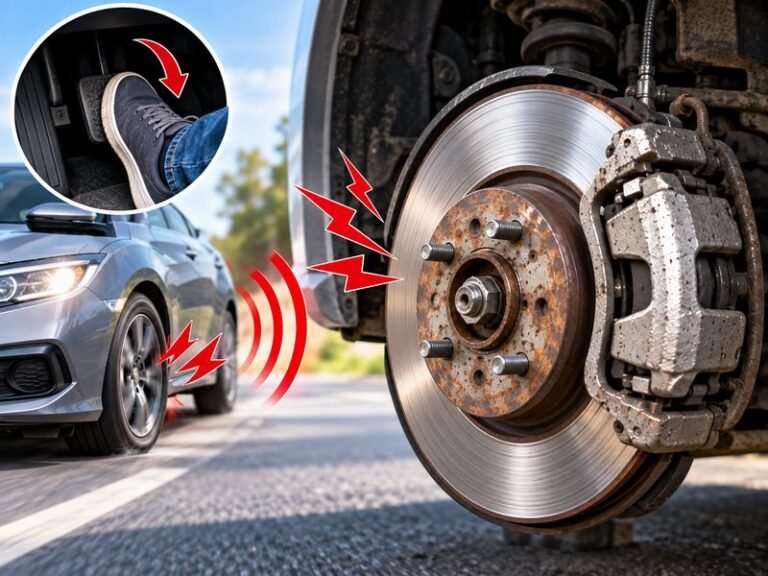
Common signs include brake fade during repeated stops, uneven braking, or a soft pedal after heavy use. A worn factory system may also struggle after adding larger wheels or carrying heavier loads.
- ✦ Brake fade
Heat can reduce braking power during aggressive driving.
Choose the Right Brake Calipers Before Starting the Upgrade
The first step in how to upgrade brake calipers is choosing parts that fit your vehicle. Check the mounting points, rotor diameter, wheel clearance, and brake system design.
Many drivers choose between fixed and floating calipers. Fixed calipers usually offer stronger performance, while floating calipers are common on everyday vehicles because they cost less and work well for normal driving.
- ✦ Fixed calipers
These use pistons on both sides of the rotor for balanced clamping force.
- ✦ Floating calipers
These move slightly to apply pressure and are common on many factory vehicles.
Match Calipers With Other Brake Parts
A complete brake upgrade should include compatible rotors and pads. Many performance builds also use stainless steel brake lines and high-temperature brake fluid.
- ✦ Brake pad selection
Choose pads based on street driving, towing, racing, or mixed use.
Tools and Parts Needed for a Brake Caliper Upgrade
Before starting how to upgrade brake calipers, gather the correct tools and replacement parts. Preparation reduces mistakes and keeps the job safer.
Brake work requires care because a small error can affect stopping ability. Always follow vehicle service instructions and use quality components.

- ✦ Basic tools
Common tools include a jack, jack stands, socket set, torque wrench, and brake bleeding equipment.
- ✦ Replacement parts
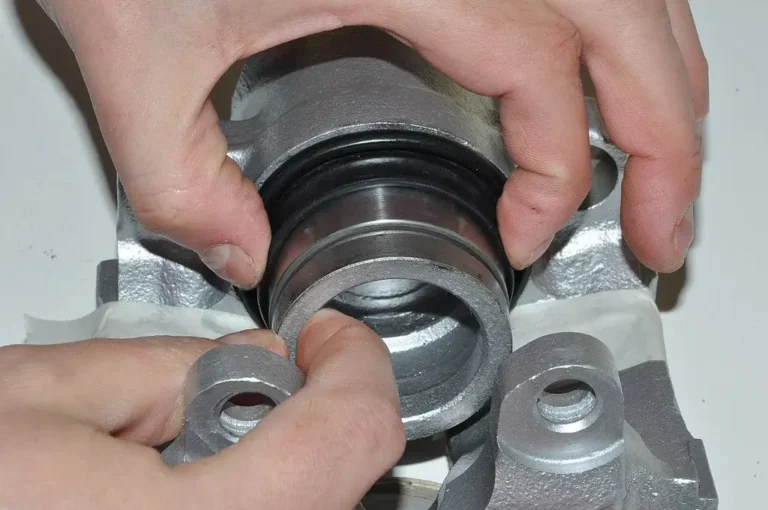
You may need calipers, pads, rotors, brake fluid, hardware, and seals.
Safety Equipment
Wear eye protection and gloves. Support the vehicle with proper stands and never rely only on a jack.
- ✦ Vehicle support
Secure the vehicle on a stable surface before removing wheels.
Step-by-Step Guide on How to Upgrade Brake Calipers
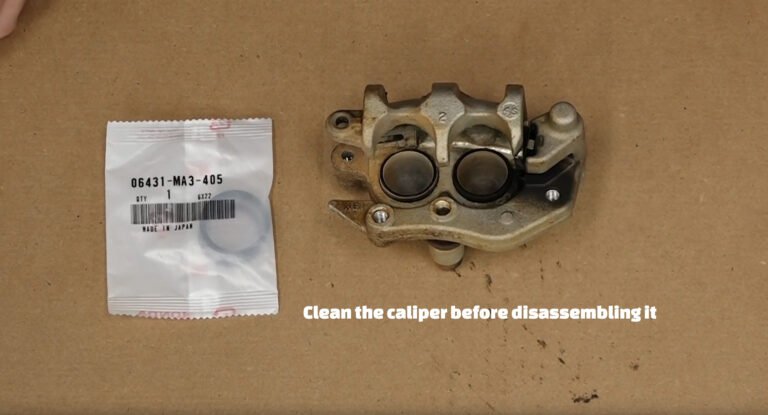
The process begins by removing the wheels and inspecting the current brake system. Clean the mounting areas and compare the new calipers before installation.
Install the new calipers with the correct hardware and torque settings. After connecting brake lines, bleed the system to remove air and restore proper pedal pressure.

- ✦ Remove old components
Take off the existing calipers, inspect rotors, and check surrounding parts.
- ✦ Install new calipers
Mount the upgraded calipers securely and follow manufacturer instructions.
- ✦ Test the brakes
Perform careful low-speed tests before normal driving.
Brake Bleeding and Final Checks
Proper bleeding removes trapped air that can create a soft brake pedal. Check for leaks and confirm the brake fluid level before driving.
- ✦ Road test
Test braking gradually in a safe area before returning to regular driving.
Common Mistakes When Upgrading Brake Calipers
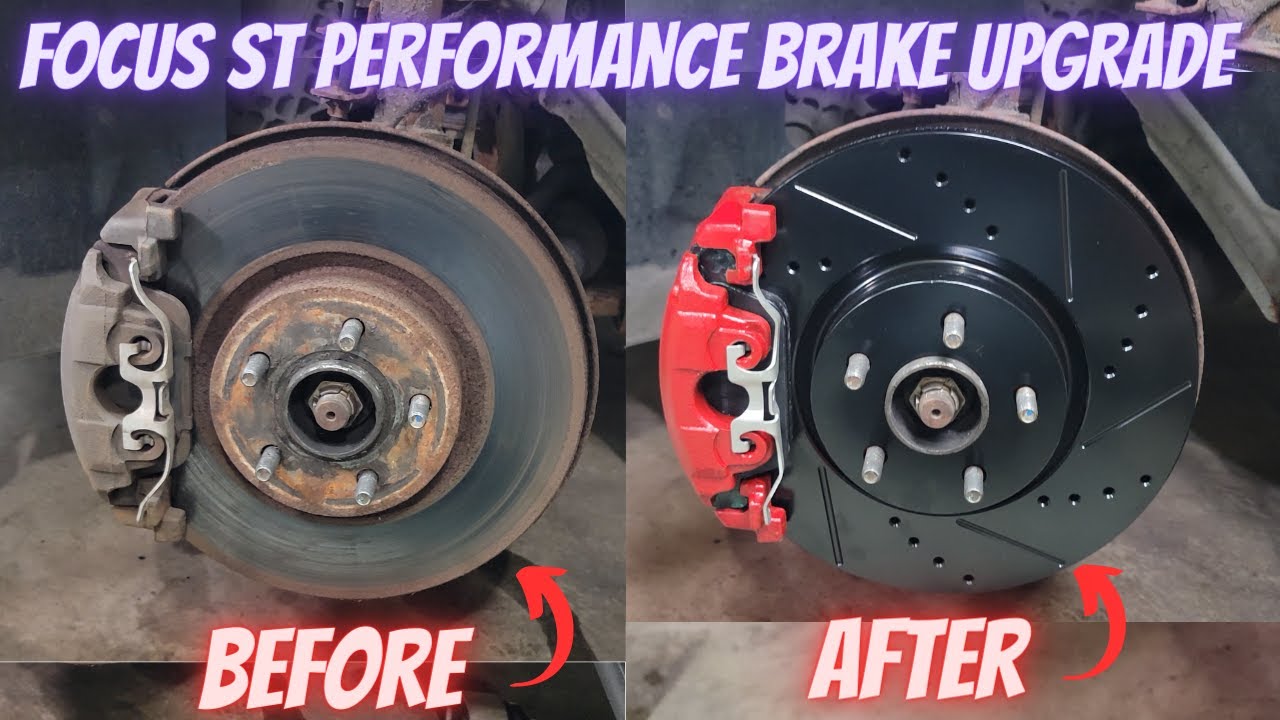
Many brake upgrades fail because drivers focus only on appearance. A painted caliper may look good, but performance depends on the entire brake system.
Another common mistake is skipping brake balance checks. Front and rear brakes must work together to maintain safe handling.
- ✦ Ignoring compatibility
Parts must fit the vehicle and work with existing brake components.
- ✦ Using poor quality parts
Low-quality brake parts can reduce reliability and safety.
When Professional Help Makes Sense
If you are unsure about hydraulic brake work, professional installation is a safer choice. Brake systems require precise installation and testing.
- ✦ Complex conversions
Large brake swaps may require brackets, custom parts, and expert knowledge.