How to Change a Brake Caliper on a Jeep Wrangler: Complete DIY Guide
Learning how to change a brake caliper on a Jeep Wrangler can save time and help you understand one of the most important safety systems on your vehicle. Many Wrangler owners in the United States perform this repair at home because the brake assembly is easy to access with basic tools.
This guide explains how to change a brake caliper on a Jeep Wrangler in a clear way. It covers preparation, removal, installation, brake bleeding, and common mistakes. Always follow your Jeep owner’s manual for exact torque values and specifications.
A careful approach matters more than speed. Good brake work means clean parts, secure connections, and a complete test before returning to normal driving.

Why You May Need to Replace a Jeep Wrangler Brake Caliper
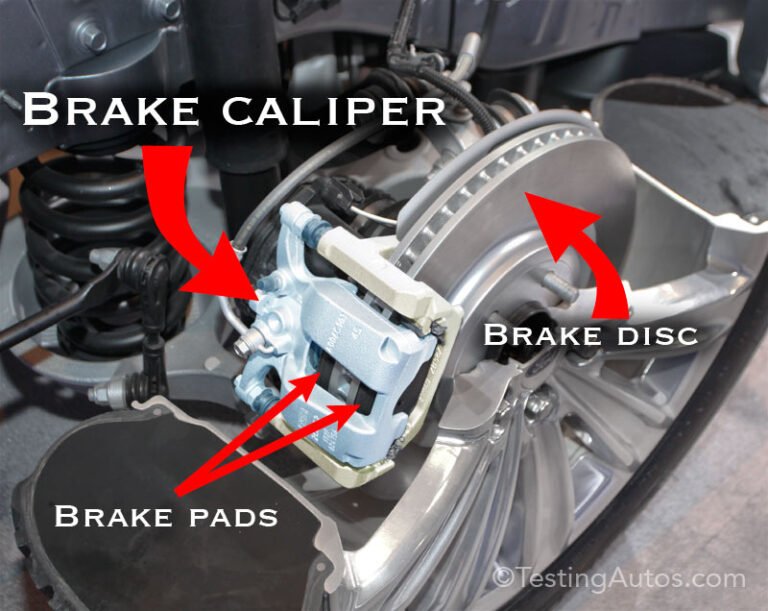
A brake caliper pushes the brake pads against the rotor to slow your Jeep. When the caliper fails, your Wrangler may pull to one side, make unusual noises, or show uneven brake wear.
Common problems include a stuck piston, damaged seals, leaking brake fluid, or seized slide pins. Off-road use can also expose brake parts to mud, water, and debris, which may speed up wear.
Before starting how to change a brake caliper on a Jeep Wrangler, confirm that the caliper is the actual problem. A worn pad, warped rotor, or brake hose issue can create similar symptoms.
- ✦ Uneven braking
A damaged caliper may apply pressure unevenly and cause the Jeep to pull during braking.
- ✦ Brake fluid leaks
Wet areas near the caliper can indicate a failed seal or loose brake connection.
Signs of a Bad Brake Caliper
Look for a burning smell, excessive heat from one wheel, reduced braking power, or brake pads wearing faster on one side. These signs suggest the caliper needs inspection.
- ✦ Hot wheel area
A sticking caliper can keep the brake applied and create extra heat.
Tools and Parts Needed Before Starting the Repair
Preparation makes how to change a brake caliper on a Jeep Wrangler easier and safer. Gather every tool before lifting the vehicle so you do not work under pressure.
Use quality replacement parts that match your Wrangler year and trim. Jeep Wrangler models such as the TJ, JK, JL, and newer versions may use different brake components.
- ✦ Basic tools
Prepare a jack, jack stands, socket set, wrenches, brake cleaner, gloves, and a torque wrench.
- ✦ Brake supplies
Have new brake fluid, replacement washers if needed, and a brake bleeding kit ready.
Step-by-Step: How to Change a Brake Caliper on a Jeep Wrangler
Start by parking on a flat surface and setting the parking brake. Loosen the wheel nuts slightly before lifting the Jeep. Support the vehicle with jack stands placed at approved support points.
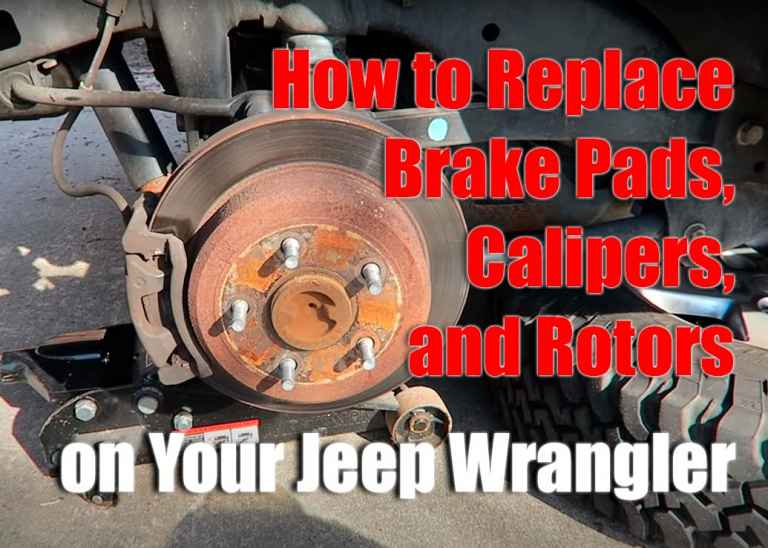
Remove the wheel to access the brake assembly. Take pictures before removing parts because they can help during reassembly.
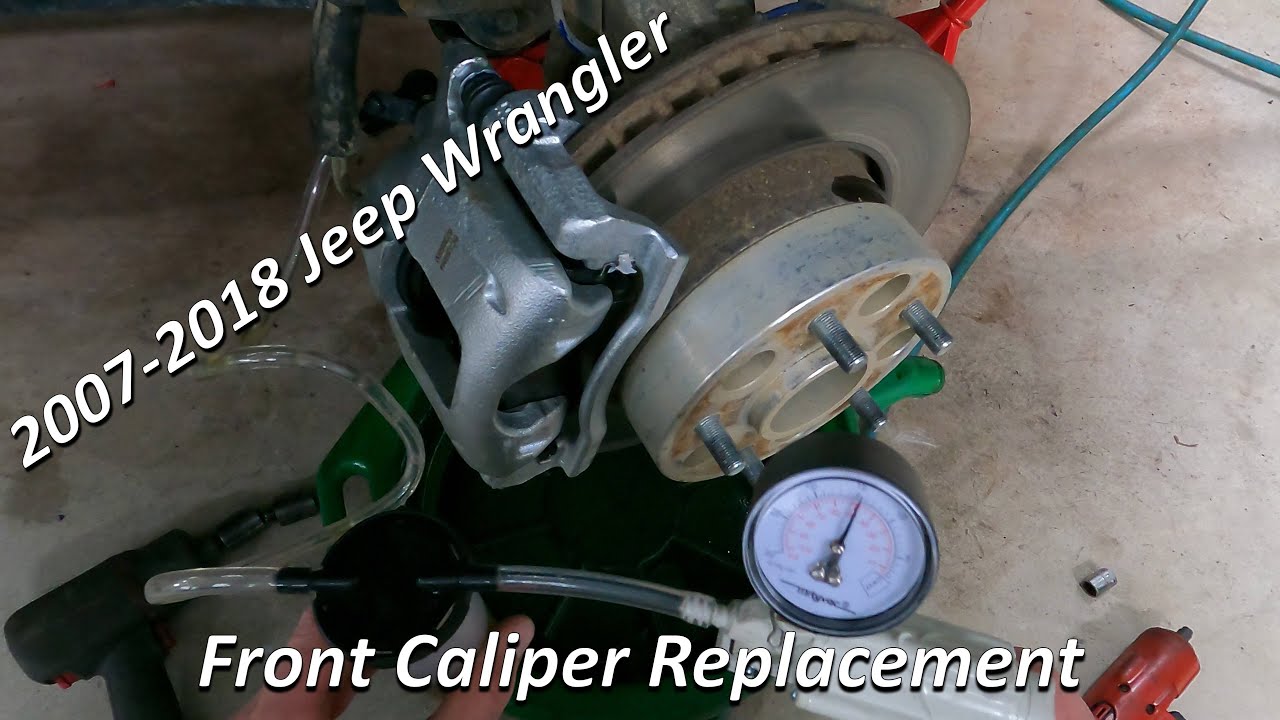
Disconnect the brake hose from the old caliper and remove the caliper mounting bolts. Keep the brake hose clean and avoid letting the line hang in a way that can cause damage.
Install the new caliper in the reverse order. Tighten all fasteners to the correct factory specifications and check that the brake pads sit correctly.
- ✦ Remove the wheel
Create clear access to the rotor, pads, brake hose, and caliper mounting area.
- ✦ Install the replacement caliper
Attach the new unit securely and reconnect the brake hose with proper sealing washers if required.
Removing the Old Caliper Safely
Support the caliper while removing bolts so the brake hose does not carry the weight. Keep brake fluid away from painted surfaces because it can damage vehicle paint.
- ✦ Protect the brake line
Avoid twisting or bending the hose during removal and installation.
Bleeding the Brakes After Caliper Replacement
After installing the caliper, air may be inside the brake system. Bleeding removes trapped air and restores a firm brake pedal.
When learning how to change a brake caliper on a Jeep Wrangler, brake bleeding is one of the most important final steps. A soft pedal means the system needs more attention before driving.

- ✦ Use fresh brake fluid
Use the fluid type listed in your Jeep owner’s manual.
- ✦ Check pedal feel
The brake pedal should feel firm after proper bleeding.
Basic Brake Bleeding Process
Attach a clear hose to the bleeder screw, open the screw, and allow old fluid and air to leave while keeping the reservoir filled. Many owners use a helper, while others use a pressure or vacuum bleeder.
- ✦ Prevent air entry
Never allow the brake fluid reservoir to run empty during bleeding.
Common Mistakes to Avoid During Caliper Replacement
Brake repairs require patience. Many problems happen because fasteners are not tightened correctly or air remains trapped in the brake lines.
A proper repair is not finished when the new caliper is installed. The system must be checked carefully before driving on public roads.
- ✦ Skipping a brake test
Always test pedal feel and braking performance in a safe area before normal driving.
- ✦ Using incorrect parts
Confirm the replacement caliper matches your exact Jeep Wrangler model year.
Testing Your Jeep Wrangler After the Repair
After completing how to change a brake caliper on a Jeep Wrangler, inspect every connection. Look for fluid leaks and confirm the brake pedal remains firm.
Take a slow test drive in a safe location. Apply the brakes gently first, then increase pressure as you confirm normal operation.

- ✦ Visual inspection
Check bolts, hoses, pads, and fluid levels before driving.
- ✦ Road test
Confirm the Jeep stops straight and does not create unusual sounds.