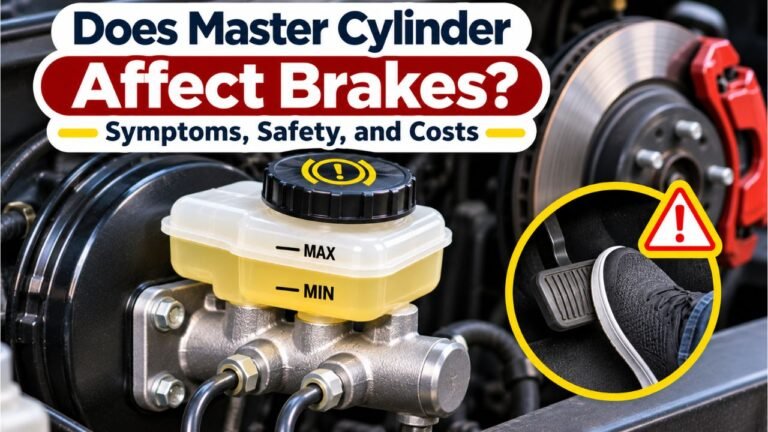
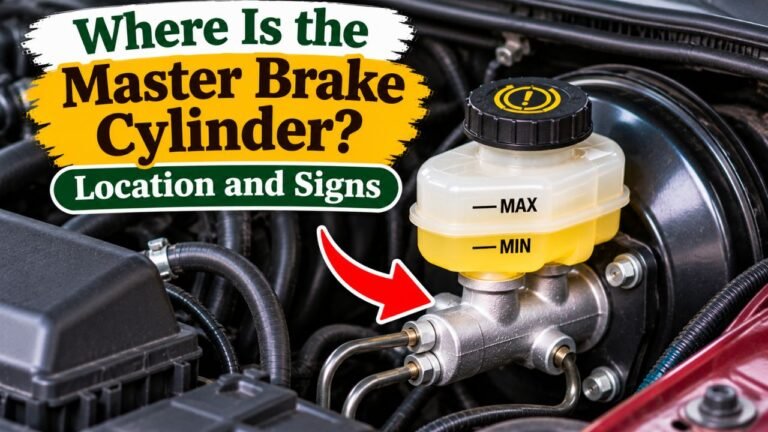
Can a Master Cylinder Cause Brakes Not to Release? Causes & Fixes
Yes, a faulty master cylinder can cause brakes to stay applied after you release the pedal. A blocked compensating port, a piston that cannot return fully, or incorrect brake-booster pushrod adjustment can trap hydraulic pressure in the brake lines. The pads may continue gripping the rotors, creating brake drag, excessive heat, and sometimes wheels that become difficult to turn.
However, the master cylinder is not the only possible cause. A collapsed flexible brake hose, seized caliper piston, corroded slide pin, stuck parking brake, or incorrectly adjusted drum brakes can produce similar symptoms. If just one wheel drags, a problem near that wheel is often more likely than a central master-cylinder fault. If several wheels gradually lock as you drive, an upstream hydraulic or pedal-return problem deserves closer attention.
Do not continue driving with brakes that will not release. Overheating can damage brake components, cause unpredictable braking, and create a fire hazard in severe cases. Arrange a professional inspection and towing when needed.
In this article, I explain how the master cylinder releases pressure, why brakes can remain engaged, the signs that distinguish hydraulic drag from mechanical binding, and how technicians diagnose and repair the problem safely.
Can a Master Cylinder Cause Brakes Not to Release Completely?

Yes. A brake master cylinder can prevent one or more brakes from releasing completely if hydraulic pressure remains trapped after the driver releases the brake pedal.
Under normal conditions, the master cylinder’s internal pistons return to their resting positions. Small passages called compensating ports allow brake fluid pressure to equalize with the reservoir.
If these passages remain blocked or the pistons do not return correctly, hydraulic pressure can remain in the brake circuits.
This pressure may keep caliper pistons pressing the brake pads against the rotors.
The result is known as brake drag.
In severe cases, the brakes can become progressively tighter or appear to lock as the vehicle warms up.
Master Cylinder Problems That Can Cause Brake Drag
| Master Cylinder or Related Problem | How It Affects Brake Release | Possible Symptoms |
| Blocked compensating port | Prevents hydraulic pressure from returning to reservoir | Brakes drag or remain applied |
| Master cylinder piston not returning | Keeps fluid return passage closed | Residual pressure and overheating |
| Incorrect booster pushrod adjustment | Holds master cylinder piston slightly forward | Brakes tighten after driving |
| Binding brake pedal linkage | Prevents complete piston return | Brakes remain partially engaged |
| Contaminated brake fluid | Can damage seals or obstruct passages | Dragging, hydraulic faults |
| Damaged internal components | May interfere with normal piston movement | Brake pressure or release problems |
| Incorrect replacement master cylinder | May create piston travel or clearance issues | Dragging after installation |
| Brake booster malfunction | May hold the master cylinder partly actuated | Multiple brakes dragging |
Not every case of brake drag originates in the master cylinder.
The number of affected wheels, when the problem occurs, and recent repair history help identify the most likely cause.
Key Takeaway: The master cylinder can cause brakes not to release when it fails to relieve hydraulic pressure. However, similar symptoms can come from the brake booster, hoses, calipers, or other components.
How Does the Master Cylinder Release the Brakes?
Understanding how the master cylinder normally operates makes it easier to recognize why brake drag occurs.
The master cylinder converts brake pedal force into hydraulic pressure.
That pressure travels through the hydraulic brake system to operate the wheel brakes.
What Happens When You Press the Brake Pedal?
In a conventional hydraulic braking system:
- The brake pedal moves a pushrod connected to the master cylinder, often through a brake booster.
- The pushrod moves one or more pistons inside the master cylinder.
- The pistons generate hydraulic pressure.
- Brake fluid transmits that pressure through brake lines and hoses.
- Caliper pistons move and press brake pads against the rotors.
- Friction slows the wheels.
Vehicles with drum brakes use hydraulic wheel cylinders to move the brake shoes.
The basic hydraulic principle is similar.
What Happens When You Release the Brake Pedal?
When the driver removes pressure from the brake pedal, the master cylinder pistons should return toward their resting positions.
Return springs and other mechanical components help restore the system.
As the pistons return, the compensating ports are uncovered.
This allows hydraulic pressure to equalize and accommodates fluid returning toward the reservoir.
The wheel brake mechanisms can then release.
The pads do not necessarily move far away from the rotor. Disc brake systems commonly maintain very small running clearances.
However, significant hydraulic pressure should not remain applied.
What Is the Master Cylinder Compensating Port?
The compensating port is a small passage connecting the master cylinder’s pressure chamber to the reservoir when the piston is in its resting position.
Its functions include:
- Allowing pressure to equalize after braking
- Accommodating thermal expansion of brake fluid
- Supporting correct hydraulic fluid movement
- Preventing unwanted residual pressure in the affected circuit
According to Underhood Service’s technical article on master cylinder diagnosis, the compensating port allows pressure to escape from the master cylinder bore when the brake pedal is released.
The article also explains that incorrect booster pushrod or pedal-switch adjustment can prevent the master cylinder piston from returning far enough to uncover this passage.
When that happens, the brakes may drag or lock.
Why Would a Master Cylinder Keep Brakes Engaged?
Several faults can prevent a master cylinder from releasing pressure normally.
Some involve internal problems.
Others involve components that control the position of the master cylinder piston.
1. Blocked Compensating Port
A blocked compensating port is one of the clearest ways a master cylinder can cause brakes to remain applied.
This port is small.
Over time, contamination, corrosion, or deteriorated internal components may restrict it.
When the passage is blocked, fluid pressure cannot equalize normally after the pedal is released.
The calipers may continue applying force to the brake pads.
As the braking components heat up, the trapped fluid can expand.
That may increase the hydraulic pressure and make the brakes drag even more.
Symptoms of a Blocked Compensating Port
Possible symptoms include:
- Brakes gradually tightening during driving
- Vehicle feeling increasingly sluggish
- Several wheels becoming unusually hot
- Brake pedal feeling unusually firm
- Brakes releasing after the vehicle cools
- Difficulty moving the vehicle after repeated braking
These symptoms can also have other causes.
The compensating port must be evaluated as part of a complete diagnosis.
2. Master Cylinder Piston Sticking
The master cylinder contains pistons that move inside accurately machined bores.
These pistons must return properly when the brake pedal is released.
Internal problems may interfere with their movement.
Potential contributing factors include:
- Corrosion
- Damaged seals
- Contamination
- Incorrect assembly
- Internal mechanical damage
If a piston remains slightly forward, it may keep the compensating port covered.
This can prevent hydraulic pressure from releasing normally.
Can a Worn Master Cylinder Cause Sticking Brakes?
Yes, certain internal faults can contribute to sticking brakes.
However, a worn master cylinder more commonly develops symptoms related to pressure loss or internal fluid bypass.
These may include a sinking or unusually soft pedal.
A master cylinder that cannot release pressure is a different failure mode from one that cannot maintain pressure.
Diagnosis must distinguish between the two.
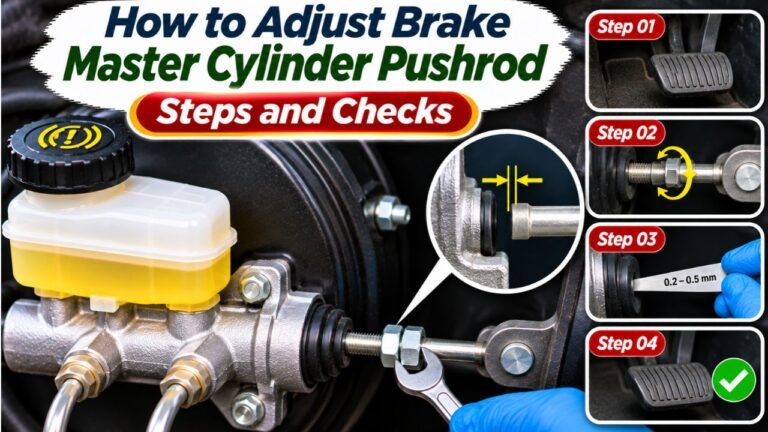
3. Incorrect Brake Booster Pushrod Adjustment
The brake booster is commonly mounted between the brake pedal mechanism and master cylinder.
A pushrod transfers force from the booster to the master cylinder piston.
The relationship between the pushrod and piston must meet the vehicle manufacturer’s specifications.
If the pushrod is too long or provides insufficient clearance, it may hold the master cylinder piston slightly forward.
That can prevent the compensating port from opening completely.
Consequently, hydraulic pressure may remain trapped.
This problem is particularly important after replacing the master cylinder or brake booster.
According to Centric Parts’ official Brake Drag Diagnostic technical bulletin, brake dragging or locking after a master cylinder replacement can result from the booster pushrod or pedal mechanism preventing the piston from returning fully.
The bulletin also identifies incorrect brake light switch and pedal stop adjustment as possible contributors.
Common Warning Signs
- Brakes operated normally before master cylinder replacement.
- Dragging began immediately after the repair.
- Several brakes become tight as the vehicle warms up.
- The brake pedal does not return fully.
- Brakes gradually release after the vehicle sits.
A technician should check the specified pushrod clearance and related components.
Do not adjust the pushrod by guesswork.
Incorrect adjustment can create insufficient braking, excessive pedal travel, or continued brake drag.
4. Brake Pedal Not Returning Completely
The problem may originate in the pedal mechanism rather than the master cylinder itself.
Possible causes include:
- Binding pedal linkage
- Incorrect brake pedal stop adjustment
- Brake light switch interference
- Damaged pedal return components
- Incorrectly installed aftermarket accessories
- Mechanical interference beneath the dashboard
If the brake pedal cannot return to its intended position, it may continue applying slight pressure through the booster and master cylinder.
Even a small amount of unwanted piston travel can interfere with the compensating port.
Can the Brake Light Switch Cause Brakes to Stick?
It can contribute on certain vehicle designs.
An incorrectly adjusted switch or pedal stop may prevent the brake pedal from returning fully.
This can maintain unwanted pressure through the master cylinder.
However, a brake light switch electrical fault alone does not necessarily apply hydraulic braking pressure.
The mechanical arrangement must be inspected.
5. Contaminated Brake Fluid
Brake fluid contamination can affect hydraulic components.
Most conventional DOT 3, DOT 4, and DOT 5.1 fluids are glycol-based.
Introducing incompatible petroleum products can damage rubber components designed for these fluids.
Affected seals may swell, deteriorate, or interfere with normal operation.
Moisture contamination can also contribute to corrosion over time.
Potential consequences include:
- Restricted compensating ports
- Sticking hydraulic pistons
- Deteriorated seals
- Brake hose problems
- Internal corrosion
However, ordinary fluid aging does not automatically mean the master cylinder is causing brake drag.
The actual fault must be identified.
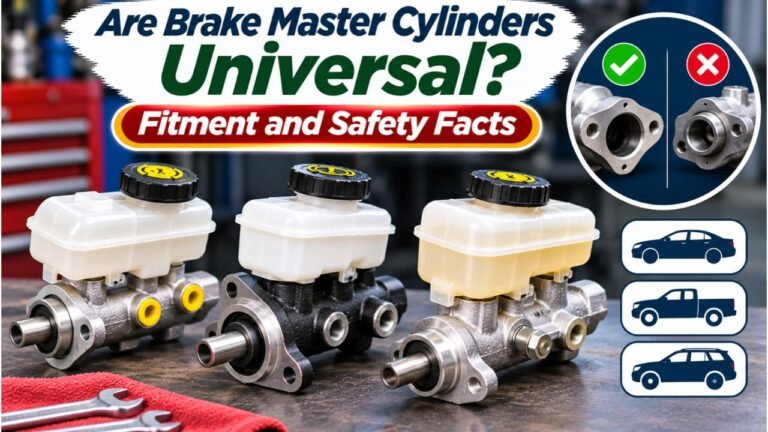
6. Incorrectly Installed Replacement Master Cylinder
An incorrect replacement component or installation error can cause braking problems.
Possible issues include:
- Wrong master cylinder specification
- Incorrect pushrod clearance
- Improper component alignment
- Assembly problems
- Pedal linkage interference
- Incorrect hydraulic system configuration
If brake drag begins immediately after master cylinder replacement, the installation should be carefully inspected before replacing additional wheel brake components.
What Are the Symptoms of a Master Cylinder That Won’t Release Brakes?
A master cylinder release problem can create several noticeable symptoms.
However, none of these symptoms alone proves that the master cylinder is defective.
Master Cylinder Brake Drag Symptoms
| Symptom | Why It May Happen | What It Suggests |
| Car slows without pressing brake | Pads remain in contact with rotors under excess pressure | Brake drag |
| Vehicle feels difficult to accelerate | Brakes resist wheel rotation | Dragging brake components |
| Several wheels become hot | Multiple brakes remain partially applied | Possible central hydraulic problem |
| Brake pedal feels unusually firm | Residual pressure may remain | Hydraulic release problem |
| Brakes tighten as driving continues | Heat expands trapped hydraulic fluid | Restricted pressure return |
| Brakes release after cooling | Hydraulic pressure decreases as temperature falls | Possible thermal pressure buildup |
| Burning smell near wheels | Excessive friction generates heat | Overheated brakes |
| Brake pads wear unusually quickly | Continued contact accelerates wear | Dragging or binding components |
| Fuel consumption increases | Engine must overcome brake resistance | Possible persistent drag |
| Drag began after master cylinder replacement | Pushrod or installation issue | Inspect recent repair |
1. Brakes Remain Applied After Releasing the Pedal
This is the most direct symptom.
The driver releases the pedal, but one or more wheel brakes continue producing significant friction.
In severe cases, the vehicle may be difficult to move.
2. Brakes Become Tighter as You Drive
A blocked fluid-return passage may cause progressive brake drag.
Initially, the vehicle may drive normally.
After several brake applications, the brakes become increasingly tight.
Heat buildup can worsen the condition.
This pattern is a useful diagnostic clue.
3. Wheels Become Excessively Hot
Dragging brakes continuously convert vehicle motion into heat.
The rotor, caliper, wheel, and nearby components can become extremely hot.
Severe overheating may damage friction material and other components.
Never touch a wheel or brake assembly to check its temperature when brake drag is suspected.
A qualified technician can use appropriate noncontact temperature-measuring equipment.
4. The Vehicle Feels Sluggish
A vehicle with dragging brakes may require more accelerator input than usual.
Acceleration may feel weak.
The vehicle may also slow rapidly when the accelerator is released.
However, sluggish acceleration can have many causes unrelated to brakes.
5. Brake Pads Wear Unevenly
Residual hydraulic pressure can cause continued pad contact.
That may increase pad and rotor wear.
However, uneven wear at only one wheel often points toward a local caliper or hardware problem rather than the master cylinder.
6. The Brake Pedal Does Not Return Normally
If the pedal stays slightly depressed, the master cylinder piston may remain partly actuated.
A binding pedal, booster problem, or incorrect adjustment may be responsible.
This requires inspection before the vehicle is driven.
Can a Bad Master Cylinder Make All Four Brakes Stick?
Yes, but the pattern depends on the hydraulic system.
A fault affecting pressure release in the master cylinder or booster assembly may influence multiple wheels.
However, not every master cylinder fault affects all four brakes equally.
Modern passenger vehicles usually have dual hydraulic circuits.
These circuits may be divided diagonally or according to another manufacturer-specific design.
A problem confined to one hydraulic circuit may affect only the wheels connected to that circuit.
If All Four Brakes Are Dragging
Possible causes include:
- Brake pedal not returning
- Incorrect booster pushrod adjustment
- Brake booster malfunction
- Master cylinder piston return problem
- Blocked pressure-compensation passages
- Certain hydraulic control faults
Multiple affected wheels make an upstream problem more plausible.
However, the vehicle’s actual hydraulic layout must be considered.
If Only One Wheel Is Dragging
A single dragging wheel more commonly suggests a problem near that wheel.
Potential causes include:
- Sticking caliper piston
- Seized slide pins
- Collapsed brake hose
- Brake pad binding in its bracket
- Drum brake hardware problem
- Parking brake malfunction
A master cylinder fault is generally less likely when only one wheel is affected.
If Two Wheels Are Dragging
The affected wheel combination may provide a clue.
For example, two diagonally opposite wheels may share a hydraulic circuit in certain vehicles.
However, some systems use different circuit layouts.
A technician should refer to the vehicle’s hydraulic diagram before interpreting the pattern.
Brake Drag Location Comparison
| Affected Wheels | More Likely Areas to Investigate |
| One front wheel | Caliper, hose, pad hardware |
| One rear wheel | Caliper, hose, parking brake, or drum components |
| Both front wheels | Shared hydraulic controls, master cylinder circuit, or separate front brake issues |
| Two diagonal wheels | Possible common hydraulic circuit |
| All four wheels | Pedal, booster, master cylinder, or upstream hydraulic fault |
| Wheels begin dragging after recent repair | Installation, pushrod clearance, or affected components |
This is a diagnostic starting point, not a definitive fault chart.
Can a Master Cylinder Cause Brakes to Lock Up When Hot?
Yes.
Thermal expansion can make a pressure-release problem more noticeable.
Under normal conditions, the compensating ports allow pressure to equalize as the hydraulic fluid expands.
If the ports remain closed, the expanding fluid may increase pressure in the brake circuits.
This can push the pads harder against the rotors.
Greater friction generates more heat.
That additional heat can worsen the pressure buildup.
Example: Progressive Brake Lockup
Imagine a vehicle with insufficient master cylinder pushrod clearance.
At the beginning of a trip, the brakes may appear normal.
After several stops:
- Brake components warm up.
- Fluid temperature increases.
- Fluid expands.
- The master cylinder cannot properly relieve pressure.
- Pads remain in contact with rotors.
- Dragging generates additional heat.
- The vehicle becomes increasingly difficult to drive.
The result may be significant brake drag or locking.
Why Do the Brakes Release After Cooling?
As the system cools, hydraulic pressure caused by thermal expansion may decrease.
The vehicle may appear to drive normally again.
However, this does not mean the fault has disappeared.
The same problem may return during the next trip.
If the brakes release after the car sits for a while, do not assume the vehicle is safe to drive again.
Can a Bad Master Cylinder Cause One Brake to Stick?
It is possible for a hydraulic fault to affect selected wheels, depending on the circuit design.
However, when only one brake drags, the master cylinder is generally not the first component to suspect.
Sticking Caliper Piston
A caliper piston may bind because of corrosion, damaged seals, or mechanical deterioration.
If it does not retract correctly, the pad may remain against the rotor.
This can generate heat and accelerated wear.
Seized Caliper Slide Pins
Floating calipers rely on suitable movement at their guide pins.
If the pins become corroded or seized, the caliper may not move as intended.
The result can include abnormal pad wear and brake drag.
Collapsed Flexible Brake Hose
An internally deteriorated brake hose may restrict fluid returning from a caliper.
Fluid can reach the caliper when the pedal is pressed, but pressure may remain trapped after release.
The brake can then continue dragging.
According to Moss Motors’ technical guide to brakes that will not release, internally deteriorated hoses can restrict hydraulic return flow. The guide also distinguishes trapped hydraulic pressure from mechanical binding at calipers and drum brakes.
Although the guide focuses on classic MG vehicles, the underlying hydraulic principle is relevant to conventional brake systems.
Sticking Parking Brake
A parking brake mechanism can fail to release completely.
Possible causes include:
- Corroded cables
- Binding linkage
- Damaged mechanical components
- Incorrect adjustment
- Faults in electronic parking brake systems
A parking brake problem usually requires different diagnosis and repair from a master cylinder fault.
How to Tell if the Master Cylinder Is Causing Brake Drag
A proper diagnosis identifies whether the brakes are being held by hydraulic pressure or by a mechanical component.
This is important because replacing the master cylinder will not fix a seized caliper or damaged brake hose.
The following describes how qualified technicians typically approach the problem.
Hydraulic brake testing can involve pressurized fluid and safety-critical components. These procedures should not be attempted without the correct equipment, service information, and training.
Step 1: Confirm the Brake Drag
A technician first confirms which brakes are affected.
The inspection may include checking for:
- Excessive resistance to wheel rotation
- Abnormal brake component temperatures
- Uneven wear
- Evidence of overheating
- Brake pedal return problems
The vehicle must be safely supported using appropriate lifting equipment.
It should not be supported by a hydraulic jack alone during under-vehicle inspection.
Step 2: Determine Which Wheels Are Affected
The technician identifies whether the problem affects:
- One wheel
- Two wheels
- Multiple wheels
- All four wheels
This helps narrow the possible causes.
For example, one dragging wheel often suggests a local fault.
Several wheels affected together can suggest a problem upstream.
Step 3: Check Brake Pedal Return
The pedal should return to its intended resting position.
The technician checks:
- Pedal linkage
- Return components
- Brake light switch position
- Pedal stop
- Aftermarket accessories
- Booster linkage
A pedal that remains slightly depressed can keep the master cylinder actuated.
Step 4: Check for Trapped Hydraulic Pressure
A qualified technician may perform manufacturer-approved hydraulic pressure tests.
These can help determine whether the brake remains applied because hydraulic pressure is trapped.
In some diagnostic procedures, pressure is relieved at an appropriate hydraulic point while the brake is dragging.
If the wheel releases immediately, trapped hydraulic pressure may be involved.
If the brake remains bound after pressure has been safely relieved, a mechanical problem becomes more likely.
However, a single pressure-release test does not automatically identify the master cylinder as the cause.
Further testing may be necessary.
Do not loosen a brake bleeder screw or hydraulic line as a roadside fix. This can release hot pressurized fluid, introduce air, create a leak, and leave the brakes unsafe.
Step 5: Inspect Master Cylinder and Booster Clearance
The technician may verify whether the booster pushrod allows the master cylinder piston to return fully.
The procedure depends on the vehicle.
The required clearance is manufacturer-specific.
Do not adjust pushrod length based on a universal measurement.
Some modern systems are not designed for manual pushrod adjustment.
Step 6: Check the Compensating Port
If the symptoms indicate a master cylinder pressure-release problem, the technician may inspect the compensating-port function according to the service manual.
Blocked ports or internal damage may require replacing the master cylinder.
Internal disassembly or improvised cleaning is not appropriate for every design.
Step 7: Inspect Calipers and Brake Hoses
If the hydraulic system appears to release pressure correctly, the technician may focus on:
- Caliper pistons
- Caliper slide pins
- Flexible brake hoses
- Pad mounting hardware
- Drum brake components
- Parking brake mechanisms
This prevents unnecessary master cylinder replacement.
Step 8: Verify the Repair
After correcting the fault, the technician should confirm that:
- Hydraulic pressure releases correctly.
- The pedal returns fully.
- The wheels rotate as specified.
- No hydraulic leaks remain.
- The correct brake fluid is present.
- Required bleeding has been completed.
- Braking performance meets the manufacturer’s specifications.
Only after appropriate verification should the vehicle return to normal service.
Bad Master Cylinder vs. Sticking Caliper: How to Tell the Difference
A master cylinder and brake caliper perform different functions.
The master cylinder generates hydraulic pressure.
The caliper uses hydraulic pressure to apply the brake pads.
Both can contribute to brakes that do not release.
Comparison Table
| Feature | Master Cylinder Release Problem | Sticking Brake Caliper |
| Main fault location | Central hydraulic system | Individual wheel brake |
| Number of wheels affected | May affect multiple wheels | Commonly one wheel |
| Trapped hydraulic pressure | Possible | Not necessary for mechanical seizure |
| Heat buildup | Possible at affected wheels | Common at affected wheel |
| Progressive drag after warming | Possible | Also possible |
| Pedal return problem | May be present | Usually unrelated |
| After master cylinder replacement | Strong diagnostic clue | Less directly related |
| Uneven pad wear at one wheel | Possible but less specific | Common |
| Typical repair | Diagnose master cylinder and controls | Repair or replace affected caliper or hardware |
The same vehicle can have more than one problem.
For example, a failing master cylinder and damaged caliper hardware could both contribute to abnormal braking.
Can a Brake Booster Cause Brakes Not to Release?
Yes.
A brake booster or its associated pushrod can contribute to brake drag.
The booster normally assists the driver in applying the brakes.
However, it must allow the master cylinder to return correctly after pedal release.
Incorrect Pushrod Length
If the booster pushrod keeps the master cylinder piston slightly depressed, the compensating port may remain closed.
This can trap pressure.
The issue may become apparent after replacing the master cylinder or booster.
Internal Booster Malfunction
Certain booster faults can interfere with normal release.
The exact failure depends on the type of booster.
A conventional vacuum booster operates differently from an electronically controlled brake-assist system.
Is a Bad Booster More Likely Than a Bad Master Cylinder?
There is no universal answer.
The diagnosis depends on:
- Vehicle design
- Pedal movement
- Pushrod clearance
- Hydraulic pressure
- Recent repair history
- Which brakes are affected
A technician should identify the actual fault before replacing either component.
Can a Faulty Brake Booster Cause a Hard Pedal?
Yes.
A booster that fails to provide adequate assistance can create a hard brake pedal.
However, loss of power assist is a different problem from a booster or pushrod condition that prevents brake release.
The two symptoms require different diagnostic approaches.
Can Dirty Brake Fluid Cause the Brakes to Stay On?
Contaminated brake fluid can contribute to hydraulic problems.
However, changing the fluid is not always enough to correct brake drag.
Moisture Contamination
Conventional glycol-based brake fluid absorbs moisture over time.
Moisture can contribute to corrosion within hydraulic components.
Corrosion may affect the master cylinder, calipers, or other parts.
If internal corrosion restricts a compensating port or causes a piston to stick, brake release may be affected.
Petroleum Contamination
Introducing incompatible petroleum-based fluid into a glycol-brake-fluid system can damage rubber seals.
Examples include accidentally adding:
- Engine oil
- Power steering fluid
- Automatic transmission fluid
- Other incompatible petroleum products
Such contamination can affect multiple hydraulic components.
Correcting severe contamination may require replacing affected rubber-containing parts and servicing the entire hydraulic system.
Simply changing the reservoir fluid may not be sufficient.
Will Flushing Brake Fluid Fix Sticking Brakes?
It depends on the cause.
If the problem is related to fluid deterioration but no components have been damaged, appropriate service may help.
However, a blocked master cylinder passage, swollen seal, seized caliper, or collapsed hose may require component replacement.
A fluid flush should not be treated as a guaranteed repair for brakes that remain applied.
Can a New Master Cylinder Cause Brakes to Drag?
Yes.
Brake drag can begin after installing a replacement master cylinder, even if the old system released normally.
This may be caused by installation or compatibility problems rather than defective brake pads.
Incorrect Pushrod Clearance
A replacement master cylinder may have different dimensional tolerances.
If the booster pushrod clearance is not correct, the master cylinder piston may remain slightly depressed.
This can interfere with pressure release.
Wrong Replacement Part
A master cylinder that does not match the required vehicle specification may have different internal dimensions or hydraulic characteristics.
Always use the correct part for the exact vehicle and braking system.
Improper Installation
Possible installation problems include:
- Incorrect component positioning
- Binding linkage
- Improper adjustment
- Incompatible parts
- Failure to follow manufacturer procedures
The technician should verify the installation before diagnosing unrelated components.
What if the Brakes Started Sticking Immediately After Replacement?
Contact the repair facility and explain the symptom.
Do not continue driving to see whether it improves.
Brake drag following master cylinder replacement warrants immediate inspection of the installation, booster pushrod, and related controls.
How to Fix a Master Cylinder That Keeps Brakes Applied
The proper repair depends on the confirmed cause.
Replacing the master cylinder without diagnosis may not solve the problem.
If the Compensating Port Is Blocked
A technician may determine that the master cylinder needs replacement or manufacturer-approved service.
The hydraulic system should also be inspected for contamination.
If contaminated fluid caused the problem, related components may need attention.
If the Master Cylinder Piston Is Sticking
A damaged or binding master cylinder typically requires appropriate repair or replacement.
The technician should verify that the replacement component meets the manufacturer’s specifications.
If the Booster Pushrod Is Incorrectly Adjusted
The pushrod clearance should be checked and corrected according to the vehicle’s service manual.
Some systems have adjustable pushrods.
Others require different repair procedures.
Do not change pushrod length without the specified tools and measurements.
If the Pedal Linkage Is Binding
The technician should identify the source of interference or binding.
Possible repairs include correcting the pedal mechanism, switch position, or damaged components.
If a Brake Hose Is Collapsed
The affected hose should be replaced.
The caliper and other related components should also be inspected for heat damage or abnormal wear.
If a Caliper Is Seized
The caliper may require professional repair or replacement.
The pads, rotor, hardware, and hydraulic system should also be evaluated.
Repair Comparison
| Confirmed Cause | Typical Repair Direction |
| Blocked master cylinder compensating port | Replace or service master cylinder as approved |
| Master cylinder piston binding | Repair or replace master cylinder |
| Incorrect booster pushrod clearance | Correct to manufacturer specifications |
| Binding brake pedal mechanism | Repair linkage or related components |
| Faulty brake booster | Repair or replace affected booster assembly |
| Collapsed brake hose | Replace hose and service hydraulics |
| Seized brake caliper | Repair or replace caliper |
| Sticking drum brake hardware | Repair adjustment and affected hardware |
| Fluid contamination | Repair damage and replace contaminated fluid/components as required |
| ABS hydraulic control fault | Manufacturer-specific diagnosis and repair |
After any hydraulic component replacement, the system may require proper bleeding.
Some ABS-equipped vehicles require diagnostic equipment during certain bleeding procedures.
Is It Safe to Drive With Brakes That Won’t Release?
No.
Persistent brake drag can create serious safety problems.
Excessive Heat
Brake pads and rotors generate heat whenever they produce friction.
If the brakes remain applied continuously, temperatures can rise substantially.
This may damage brake pads, rotors, calipers, seals, and nearby components.
Reduced Braking Performance
Overheated brakes may lose effectiveness.
This is commonly called brake fade.
The driver may experience reduced stopping performance after sustained overheating.
Unexpected Wheel Locking
In severe cases, hydraulic pressure buildup can make one or more brakes apply much more force than intended.
This may affect vehicle control.
Increased Fire Risk
Severe brake overheating can create a fire hazard.
Burning smells, smoke, or extreme wheel temperatures require immediate attention.
What Should You Do if the Brakes Begin Dragging While Driving?
If you notice significant brake drag:
- Reduce speed smoothly when safe.
- Avoid unnecessary acceleration or braking.
- Move to a safe location away from traffic.
- Stop the vehicle and secure it.
- Do not touch the wheels or brakes.
- Avoid continuing to drive, even if the brakes appear to release after cooling.
- Arrange roadside assistance and towing.
If smoke or fire is present, move away from the vehicle and contact emergency services.
Do not pour water onto extremely hot brake components.
How to Prevent Master Cylinder and Brake Drag Problems
Not every mechanical failure can be prevented, but appropriate maintenance helps reduce avoidable problems.
Replace Brake Fluid as Recommended
Follow the vehicle manufacturer’s brake fluid replacement schedule.
Use the specified fluid.
Do not mix incompatible products.
Inspect the Braking System Regularly
Routine brake inspections should consider:
- Brake pad condition
- Rotor wear
- Caliper movement
- Hydraulic hoses
- Brake lines
- Fluid leaks
- Parking brake operation
Brake drag may originate from several components.
Watch for Changes in Pedal Feel
Unusual pedal movement, excessive firmness, or failure to return should be investigated.
A pedal that sinks toward the floor is also a serious warning, although it suggests a different hydraulic problem.
Use Correct Replacement Parts
The master cylinder and booster must match the vehicle’s specifications.
Incorrect components or installation can create hydraulic release problems.
Verify Pushrod Clearance After Relevant Repairs
When a service procedure requires checking master-cylinder pushrod clearance, the technician should use the specified measurement method.
Do not assume the clearance is correct simply because the components fit together.
Investigate Overheating Early
A brake that runs unusually hot can suffer progressive damage.
Address dragging symptoms before replacing only the visibly worn pads.
Avoid Improper Lubricants
Never apply engine oil, general-purpose grease, or brake fluid to pad and rotor friction surfaces.
Use approved brake-specific lubricant only where the vehicle or brake component manufacturer specifies.
Common Mistakes When Diagnosing Brakes That Won’t Release
Avoiding these mistakes can prevent unnecessary repairs and further damage.
1. Replacing the Master Cylinder Without Testing
A stuck caliper or collapsed hose can create similar symptoms.
Identify the fault before replacing parts.
2. Assuming One Hot Wheel Means a Bad Master Cylinder
A localized problem is often more likely.
Inspect the affected wheel brake and hose.
3. Ignoring the Booster Pushrod
Incorrect pushrod clearance can prevent the master cylinder from releasing pressure.
This is especially important after recent replacement work.
4. Overlooking the Compensating Port
A blocked compensating port can trap hydraulic pressure and cause progressive brake drag.
5. Blaming the Brake Booster for Every Hard Pedal
Loss of power assist and failure to release braking pressure are different problems.
6. Changing Brake Fluid Without Inspecting Components
A fluid change cannot repair a severely damaged seal, seized caliper, or collapsed hose.
7. Opening Brake Lines as a Roadside Fix
Releasing hydraulic pressure may temporarily free a dragging brake, but it does not repair the fault.
Opening the hydraulic system can introduce air and create serious safety hazards.
8. Continuing to Drive After the Brakes Cool
A cooling-related release does not mean the master cylinder or hydraulic system has recovered.
The problem may return.
9. Ignoring Heat-Damaged Parts
Even after the original fault is corrected, overheated pads, rotors, and seals may need further inspection or replacement.
10. Failing to Verify the Repair
After hydraulic brake service, correct operation must be confirmed.
A normal pedal feel alone does not prove that every wheel brake releases correctly.
Master Cylinder Brake Drag Troubleshooting Chart
| What You Notice | Possible Cause | Recommended Next Step |
| All brakes gradually tighten while driving | Compensating port or pushrod problem | Inspect upstream hydraulic controls |
| Brakes began dragging after master cylinder replacement | Incorrect installation or pushrod clearance | Return to installer for inspection |
| Only one front wheel overheats | Caliper, hose, or pad binding | Inspect that wheel assembly |
| One rear wheel remains applied | Caliper or parking brake problem | Inspect rear brake mechanisms |
| Brakes release after cooling | Trapped hydraulic pressure or heat-related binding | Diagnose hydraulic return path |
| Pedal does not return fully | Pedal linkage or booster problem | Inspect mechanical controls |
| Brake lights stay on with pedal released | Switch or pedal return issue | Inspect switch and pedal mechanism |
| Brake pedal slowly sinks | Hydraulic leak or master cylinder pressure loss | Stop driving and diagnose |
| Brakes are hot and vehicle smells burnt | Severe brake drag | Stop safely and arrange towing |
| Brake drag remains after replacing pads | Caliper, hose, or upstream hydraulic issue | Perform complete brake diagnosis |
These symptoms help direct diagnosis but do not replace physical inspection and manufacturer-approved testing.
Conclusion
So, can a master cylinder cause brakes not to release? Yes. A faulty master cylinder can trap hydraulic pressure and prevent the brakes from releasing properly.
The most relevant causes include blocked compensating ports, pistons that cannot return fully, and incorrect brake booster pushrod adjustment.
These problems can create brake drag, excessive heat, rapid pad wear, and progressive brake locking.
However, a master cylinder is not responsible for every sticking brake.
A collapsed hose, seized caliper, binding hardware, or parking brake problem can produce similar symptoms.
I recommend paying particular attention to how many wheels are affected and whether the problem began after master cylinder or brake booster replacement.
If several brakes become tighter as the vehicle warms up, the master cylinder and related pressure-release mechanisms deserve close inspection.
If only one wheel drags, the local caliper, hose, and brake hardware may be more likely causes.
Most importantly, do not continue driving with brakes that remain applied.
A qualified technician should identify the cause, perform the appropriate repair, and verify that the entire braking system releases and operates correctly.
FAQs About Can a Master Cylinder Cause Brakes Not to Release
Can a Bad Master Cylinder Make Brakes Stick?
Yes. A blocked compensating port or master cylinder piston that cannot return properly may trap hydraulic pressure.
This can keep the brake pads applied after the driver releases the pedal.
However, sticking calipers and restricted brake hoses can cause similar symptoms.
Can a Master Cylinder Cause All Four Brakes to Lock Up?
Yes, depending on the hydraulic system and the fault.
A problem involving the pedal, booster pushrod, or master cylinder pressure-release mechanism may affect multiple wheels.
However, some master cylinder faults affect only one hydraulic circuit.
The vehicle’s brake circuit layout must be considered.
Why Do My Brakes Lock Up After Driving for a While?
One possible cause is trapped hydraulic pressure that increases as brake fluid and components warm up.
A blocked compensating port or incorrect pushrod clearance may contribute.
Sticking calipers and other faults can also worsen with heat.
Stop driving and arrange an inspection.
Can a Brake Booster Cause Brakes to Stay On?
Yes. Incorrect booster pushrod clearance or certain booster faults may prevent the master cylinder piston from returning fully.
This can interfere with hydraulic pressure release.
A technician should inspect the booster and master cylinder together.
Can a New Master Cylinder Cause Brakes to Drag?
Yes. Brake drag can develop after a master cylinder replacement if the pushrod clearance is incorrect, the replacement part is unsuitable, or installation problems prevent full piston return.
If the symptoms began after replacement, have the installation inspected.
Will a Brake Fluid Flush Fix Brakes That Won’t Release?
Not necessarily.
A fluid replacement may be part of the repair when contamination is present.
However, a damaged master cylinder, stuck piston, collapsed brake hose, or seized caliper may require component replacement.
The underlying cause must be identified.
How Do You Know if It’s the Master Cylinder or Caliper?
A master cylinder pressure-release problem may affect several wheels, while a seized caliper often affects one wheel.
However, these patterns are not absolute.
A qualified technician can use hydraulic pressure testing and mechanical inspection to distinguish the faults.
Can a Master Cylinder Cause Brakes to Stay On Without Pressing the Pedal?
Yes. If hydraulic pressure remains trapped after a previous brake application, the brakes may continue dragging even when the pedal is released.
An incorrectly adjusted pushrod or blocked compensating port can contribute to this condition.
Can Brakes Release After Cooling if the Master Cylinder Is Bad?
Yes. If trapped hydraulic pressure is increased by heat, cooling may temporarily reduce the pressure and allow the brakes to release.
However, the fault remains and may return during the next drive.
Do not consider the vehicle safe simply because the brakes release after sitting.
Is It Dangerous to Drive With a Master Cylinder That Keeps Brakes Applied?
Yes. Persistent brake drag can cause overheating, excessive component wear, unpredictable braking, and potentially serious loss of control or braking effectiveness.
Stop driving and arrange professional diagnosis and repair before returning the vehicle to service.