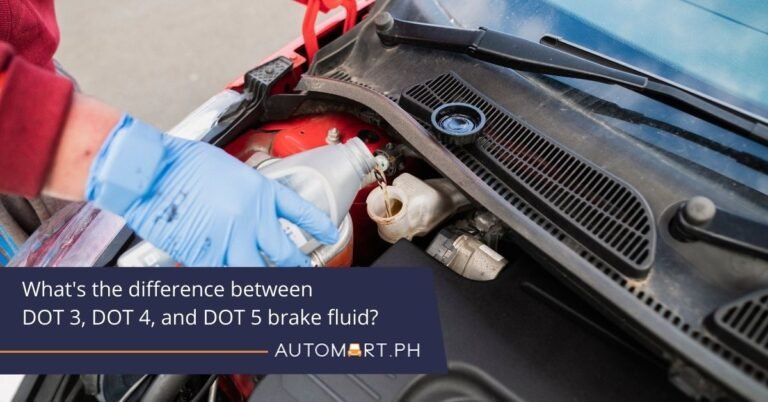
How to Dispose of Old Brake Fluid: Recycling and Safety Tips
The safest way to dispose of old brake fluid is to take it to a household hazardous waste (HHW) collection facility or another program that explicitly accepts brake fluid. Keep it in a sealed, labeled, compatible container. Never pour brake fluid down a drain, onto the ground, or into a storm sewer, and do not mix it with other automotive chemicals.
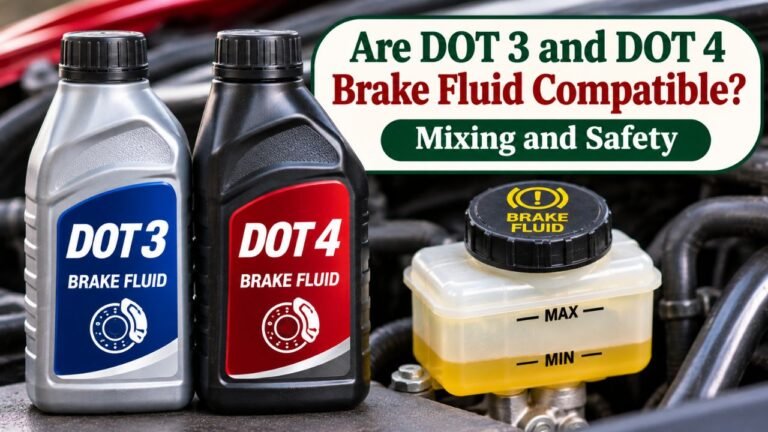
Fluid drained during a brake flush, collected while bleeding brakes, or left in an expired bottle needs proper handling. DOT 3, DOT 4, and DOT 5.1 fluids are generally glycol-based, while DOT 5 is silicone-based. Their different compositions can affect waste processing, so identify the type when possible and tell the collection facility what you have.
Disposal options vary by location. Some county programs accept small household quantities without a fee, but auto parts stores and repair shops do not necessarily accept brake fluid. Calling ahead prevents wasted trips and improper disposal.
In this guide, I explain how to package and transport used brake fluid, locate an approved drop-off, avoid dangerous disposal methods, handle small spills, and deal with empty bottles. I also cover mixing rules and the different requirements that can apply to commercial repair shops.
How to Dispose of Old Brake Fluid Safely: Step-by-Step Guide

Collect used brake fluid in a sealed, clearly labeled container and deliver it to a local household hazardous waste collection program that confirms it accepts brake fluid.
This is generally the most practical approach for homeowners performing brake maintenance.
Step 1: Collect the Used Brake Fluid
When bleeding brakes or replacing hydraulic fluid, collect the waste in a clean, suitable container.
Do not allow it to drain directly onto the ground.
Use a brake bleeding bottle, fluid collection equipment, or another chemically compatible container designed to hold automotive fluids.
The container should be:
- Resistant to the fluid
- Clean and dry before use
- Free of unrelated chemical residues
- Stable enough to avoid tipping
- Suitable for temporary chemical storage
Do not reuse collected brake fluid in the vehicle.
Once fluid has been removed from the hydraulic system, it may contain moisture, debris, or other contaminants.
Step 2: Transfer It Into a Suitable Storage Container
If necessary, transfer the waste into a secure, leak-resistant container compatible with brake fluid.
The original brake fluid container may be suitable when empty and in good condition, provided it can be safely reused for waste storage.
However, do not pour used fluid back into a bottle containing fresh brake fluid.
Choose a container with a tightly fitting cap.
Avoid:
- Beverage bottles
- Food containers
- Thin or damaged plastic containers
- Unlabeled chemical bottles
- Open buckets
- Containers previously used for incompatible chemicals
The U.S. Environmental Protection Agency’s household hazardous waste guidance recommends keeping hazardous household products in their original containers whenever possible and never storing them in food containers.
Step 3: Label the Container
Clearly identify the contents before storing or transporting the fluid.
A suitable label might read:
USED BRAKE FLUID — DO NOT USE
Add the fluid type if known.
For example:
- Used DOT 3 brake fluid
- Used DOT 4 brake fluid
- Used DOT 5 silicone brake fluid
- Used brake fluid — type unknown
Accurate labeling helps waste collection personnel identify and process the material.
If the container holds an unknown mixture, do not guess about its contents.
Contact the disposal facility and explain what you know.
Step 4: Keep Brake Fluid Separate From Other Chemicals
Do not combine old brake fluid with motor oil, gasoline, antifreeze, or cleaning solvents unless the waste facility specifically instructs you to.
Mixing chemicals can:
- Complicate recycling
- Increase disposal costs
- Create unexpected reactions
- Introduce additional safety hazards
- Make waste unsuitable for certain collection programs
Some jurisdictions have specialized waste-processing rules, but homeowners should not assume that all automotive fluids belong in the same container.
Step 5: Find an Approved Collection Site
Contact your city, county, or local waste-management authority.
Ask whether it operates a household hazardous waste facility or collection event that accepts brake fluid.
If there is no permanent facility, look for scheduled hazardous waste collection events.
You can also contact auto repair shops or recycling businesses, but verify acceptance before visiting.
Step 6: Transport the Fluid Safely
Keep the container upright with its lid secured.
Place it in a sturdy secondary tray or plastic tub to catch accidental leakage.
Transport it in a vehicle cargo area where it cannot tip over.
Keep it away from:
- Children
- Food
- Pets
- Excessive heat
- Incompatible chemicals
Do not leave chemical waste unattended in a hot vehicle.
Step 7: Hand It Over to the Collection Facility
Follow the facility’s check-in and unloading instructions.
Some programs require residents to remain inside their vehicles while staff remove waste.
Others may ask you to identify each container.
Tell the staff if:
- The brake fluid is mixed with another chemical.
- The container has leaked.
- The original fluid type is unknown.
- The waste contains brake cleaner or other solvents.
- You are bringing a larger quantity.
Key Takeaway: Proper disposal requires more than putting brake fluid into a bottle. The container, labeling, chemical separation, transportation, and receiving facility all matter.
Where Can You Dispose of Old Brake Fluid?
There are several possible disposal options, but acceptance varies.
The most reliable starting point is your local household hazardous waste program.
1. Household Hazardous Waste Collection Centers
Household hazardous waste facilities are designed to receive certain chemicals that should not enter ordinary household waste streams.
They may accept:
- Brake fluid
- Antifreeze
- Used motor oil
- Automotive cleaning chemicals
- Paints and solvents
- Household pesticides
- Other approved hazardous household products
However, not every facility accepts every material.
Check the published acceptance list before visiting.
For example, King County’s automotive fluid disposal guide specifically lists brake fluid among the automotive liquids accepted at its household hazardous waste collection sites.
King County also instructs residents not to mix these fluids with used motor oil.
This is an example of local guidance, not a rule specifying identical handling in every U.S. jurisdiction.
2. Local Hazardous Waste Collection Events
Some communities organize periodic collection events instead of maintaining a permanent drop-off facility.
These events may take place:
- Monthly
- Seasonally
- On designated weekends
- At temporary municipal collection locations
Look for announcements from your city’s public works department or county solid waste agency.
Before attending, verify that brake fluid is accepted.
Some collection events accept household chemicals but exclude certain automotive products.
3. Auto Parts Stores
Certain auto parts stores participate in automotive fluid recycling or collection programs.
However, a store that accepts used motor oil does not necessarily accept brake fluid.
Do not bring brake fluid to a motor-oil recycling tank without explicit permission.
Call the store and ask:
“Do you accept used brake fluid for disposal, separately from used motor oil?”
If the answer is no, contact a household hazardous waste facility.
4. Auto Repair Shops
Some automotive repair businesses may accept small quantities of waste fluids from residents.
Others only handle waste generated through their own repair operations.
A shop may also use a commercial hazardous waste contractor.
Call ahead instead of leaving old brake fluid at the business.
Never place a container outside a closed repair shop.
5. Automotive Recycling Facilities
Some specialized recycling companies can process automotive fluid waste.
However, facilities that advertise used-oil recycling may not accept brake fluid.
Confirm:
- Whether brake fluid is accepted
- Whether the service is available to households
- Whether fluid types must be separated
- Container-size restrictions
- Any disposal fees
Brake Fluid Disposal Options Compared
| Disposal location | May accept brake fluid? | What to confirm |
| Household hazardous waste facility | Often yes | Acceptance list and quantity limits |
| Municipal hazardous waste event | Often yes | Event schedule and restrictions |
| Auto parts store | Sometimes | Whether brake fluid is specifically accepted |
| Auto repair shop | Sometimes | Public drop-off policy |
| Specialized automotive fluid recycler | Depends on service | Waste types and fees |
| Used motor oil recycling tank | Not without explicit approval | Fluid acceptance rules |
| Curbside recycling bin | Generally no | Do not place liquid brake fluid inside |
| Regular household drain | No | Never pour brake fluid into drains |
Can You Throw Old Brake Fluid in the Trash?
The recommended approach is not to put liquid brake fluid in ordinary household trash.
Brake fluid may contain substances that require controlled handling.
Disposal rules differ by state and municipality, so the legal classification of a particular household waste may vary.
However, household hazardous waste collection is generally a safer and more responsible choice.
Why Ordinary Trash Is a Problem
A container may crack or leak during collection.
Leaked automotive fluid may expose sanitation workers or contaminate surrounding materials.
Chemical waste can also create complications during transportation and waste processing.
The EPA advises residents to use appropriate hazardous waste collection services rather than disposing of potentially hazardous household chemicals improperly.
What if the Bottle Is Tightly Sealed?
A tightly sealed container reduces leakage risk.
However, it does not automatically make the contents suitable for ordinary trash disposal.
Use the collection method recommended by your local waste authority.
Can You Put a Small Amount in the Trash?
Do not assume a small quantity is exempt from local handling requirements.
Even a few ounces should be managed appropriately.
If you have only a small amount, keep it safely stored until you can deliver it to a facility that accepts brake fluid.
Can You Pour Brake Fluid Down the Drain?
No. Never pour old brake fluid into a household drain, toilet, storm drain, or outdoor drainage system.
Brake fluid is an automotive chemical, not ordinary wastewater.
Why Brake Fluid Should Not Go Down the Sink
Household drains may lead to municipal wastewater treatment systems or septic systems.
Chemical disposal can interfere with wastewater management and contribute to environmental contamination.
Can You Flush Brake Fluid Down the Toilet?
No.
Diluting it with toilet water does not make it safe for wastewater disposal.
Even small amounts should be handled through an appropriate waste collection program.
What About Storm Drains?
Storm drains often carry runoff toward streams, rivers, lakes, or other receiving waters.
They generally are not intended to treat automotive chemicals.
Pouring brake fluid into a storm drain can contaminate waterways.
Can You Pour It Into Gravel or Dirt?
No.
Do not use soil or gravel as a disposal method.
Brake fluid can migrate into soil and potentially affect groundwater or nearby water sources.
Unsafe Disposal Methods
| Method | Recommended? | Reason |
| Household sink | No | Potential wastewater contamination |
| Toilet | No | Not an appropriate chemical disposal route |
| Storm drain | No | Can pollute waterways |
| Backyard soil | No | May contaminate soil and groundwater |
| Gravel driveway | No | Can migrate into underlying ground |
| Open burning | No | Dangerous and inappropriate chemical disposal |
| Evaporation outdoors | No | Uncontrolled release and exposure |
| Regular trash without local authorization | No | Leakage and waste-handling concerns |
| Approved hazardous waste collection | Yes | Proper collection and handling |
Is Used Brake Fluid Considered Hazardous Waste?
Used brake fluid is commonly managed through household hazardous waste programs.
However, its exact regulatory classification can depend on the composition, contamination, source, and applicable laws.
What Makes Old Brake Fluid a Concern?
Conventional DOT 3, DOT 4, and DOT 5.1 brake fluids commonly contain glycol ethers and related chemicals.
Used fluid may also contain:
- Moisture
- Metal particles
- Corrosion products
- Degraded additives
- Other contaminants
These substances may pose environmental or health concerns when handled improperly.
Is All Brake Fluid Legally Classified as Hazardous Waste?
Not necessarily.
U.S. federal rules contain a household hazardous waste exclusion for qualifying residential waste.
State and local rules may impose additional requirements.
Therefore, the phrase household hazardous waste describes a recommended collection category without necessarily meaning every bottle meets the same federal hazardous waste classification.
The practical recommendation remains consistent: use a facility that specifically accepts brake fluid.
Is Brake Fluid Toxic?
Brake fluid can be harmful if swallowed, and some formulations may irritate the skin or eyes.
The hazards depend on the product.
Check the manufacturer’s Safety Data Sheet (SDS) for the actual formulation.
Keep used brake fluid away from children and animals.
Do not store it in drink containers or leave open collection pans unattended.
Can You Mix Brake Fluid With Used Motor Oil for Disposal?
Do not mix brake fluid with used motor oil unless the receiving waste-management program explicitly authorizes it.
This is a particularly important point because many automotive retailers accept used motor oil but not other fluids.
Why Mixing Is a Problem
Used motor oil is commonly collected for reprocessing or recycling.
Adding other automotive chemicals can complicate processing or make a collection batch unacceptable.
King County specifically directs household users to keep brake fluid and other listed automotive fluids separate from used motor oil.
Are There Exceptions?
Yes.
Some waste-management systems and jurisdictions have specific rules allowing certain uncontaminated automotive hydraulic fluids to be managed with used oil.
However, these exceptions depend on the applicable regulations and the facility’s procedures.
Homeowners should not assume that a policy used by a commercial recycler applies to a local retail collection tank.
What if Brake Fluid Was Already Mixed With Oil?
Do not attempt to separate the fluids using household methods.
Keep the mixture contained.
Label the container to describe the contents.
Contact the waste facility and explain the situation before transporting it.
Never pour a known mixture into a used-oil collection tank without authorization.
Can You Mix Brake Fluid With Antifreeze for Disposal?
No, not as a general disposal method.
Brake fluid and antifreeze have different formulations and waste-processing requirements.
Although some conventional brake fluids and coolants contain chemically related compounds, this does not make them interchangeable.
Why Keep Them Separate?
Mixing can:
- Complicate recycling
- Change waste characteristics
- Make identification harder
- Increase handling costs
- Lead to rejection by a collection program
Use separate, clearly labeled containers.
What About Gasoline or Diesel Fuel?
Never deliberately mix brake fluid with gasoline or diesel for disposal.
Fuel introduces additional hazards and may require a different disposal procedure.
If accidental mixing has occurred, contact a qualified waste-management facility.
Can You Mix Brake Fluid With Brake Cleaner?
Do not combine them.
Brake cleaner may contain aggressive solvents, including flammable or chlorinated ingredients.
A mixture can have different hazards from brake fluid alone.
Store the waste safely and obtain instructions from a collection facility.
How to Dispose of DOT 3, DOT 4, DOT 5, and DOT 5.1 Brake Fluid
The general household disposal approach is similar, but the fluid chemistry differs.
DOT Brake Fluid Disposal Comparison
| Fluid type | Typical chemistry | Recommended household disposal |
| DOT 3 | Glycol-based | Approved brake-fluid or HHW collection |
| DOT 4 | Glycol-based | Approved brake-fluid or HHW collection |
| DOT 5 | Silicone-based | Approved collection; identify silicone fluid |
| DOT 5.1 | Glycol-based | Approved brake-fluid or HHW collection |
| Unknown brake fluid | Unknown | Contact the facility for instructions |
How to Dispose of DOT 3 Brake Fluid
Collect used DOT 3 fluid in a suitable sealed container.
Label it clearly and take it to an approved collection program.
Do not pour it into drains or combine it with used motor oil without permission.
How to Dispose of DOT 4 Brake Fluid
DOT 4 should be handled similarly.
Its glycol-based composition does not mean it is safe for ordinary wastewater disposal.
Use a collection service that accepts brake fluid.
How to Dispose of DOT 5 Silicone Brake Fluid
DOT 5 differs chemically because it is silicone-based.
It does not readily absorb moisture like glycol-based fluid, but that does not make it environmentally harmless.
Tell the collection facility that the waste is silicone-based DOT 5.
Do not deliberately combine it with glycol-based brake fluid.
How to Dispose of DOT 5.1 Brake Fluid
DOT 5.1 is glycol-based despite its similar name to silicone DOT 5.
Collect and label it for disposal through an appropriate automotive fluid or hazardous waste program.
What if You Don’t Know the DOT Grade?
Do not attempt to identify an unknown chemical by tasting, smelling, or mixing it with another substance.
Label it as unknown used brake fluid.
Ask the receiving facility whether it accepts unidentified automotive hydraulic fluid.
How to Store Old Brake Fluid Before Disposal
Proper temporary storage can reduce the risk of leaks and accidental exposure.
Use a Compatible Container
Choose a container intended for the chemical and capable of being sealed.
If the original bottle is intact and appropriate, keeping the waste in that container can simplify identification.
Do not transfer brake fluid into an untested household plastic container.
Secure the Lid
Make sure the cap is tightly closed.
Check for cracks, seepage, or damage.
If a container is leaking or deteriorating, contact the waste facility for instructions on safe overpacking.
Do not pour unknown or mixed fluids into another container without considering compatibility.
Store Upright
Place the container upright in a secondary tray or tub.
This provides an additional barrier against small leaks.
Keep the storage area dry and protected from accidental impacts.
Keep Away From Children and Pets
Store the fluid where children and animals cannot reach it.
Do not leave brake fluid in food or beverage bottles, even when labeled.
Avoid Unnecessary Heat
Keep containers away from excessive heat and ignition sources.
Different brake-fluid formulations have different chemical properties.
Follow the product’s SDS and storage instructions.
Avoid Long-Term Accumulation
Do not collect old brake fluid indefinitely.
Arrange disposal when a suitable collection service becomes available.
How to Transport Used Brake Fluid to a Disposal Facility
Transporting household chemicals requires care.
Before Leaving
Confirm:
- The facility accepts brake fluid.
- It is open on the intended day.
- Your quantity is within its limits.
- The container is compatible and properly labeled.
- No leakage is present.
- The fluid has not been mixed with prohibited substances.
Secure the Container
Place the container in a sturdy tub or tray.
Keep it upright.
Prevent it from moving or tipping during sudden braking or turning.
Use an appropriate vehicle cargo area rather than placing an unsecured chemical bottle on a passenger seat.
Keep Different Chemicals Separate
If you are also transporting oil, antifreeze, batteries, or other waste, keep the materials in separate suitable containers.
Do not combine them to save space.
Follow Staff Instructions
At the collection site, follow the receiving staff’s directions.
Do not pour brake fluid into an unidentified tank.
Some facilities require staff to collect the entire sealed container.
Others may have specific handling procedures.
How to Clean Up a Brake Fluid Spill Before Disposal
Small spills should be handled promptly to prevent spreading or exposure.
However, cleanup methods depend on the spill size, product, location, and surrounding materials.
Step 1: Protect Yourself
Avoid direct skin and eye contact.
Use suitable chemical-resistant gloves and eye protection.
Check the product’s SDS for recommended protective equipment.
Keep children and pets away.
Step 2: Stop the Leak if Safe
If the container can be safely uprighted or secured, prevent additional leakage.
Do not handle a damaged chemical container if doing so would expose you to significant danger.
Step 3: Contain the Spill
For a small spill on a hard, nonporous surface, use an appropriate absorbent material, such as a compatible commercial spill absorbent.
Some household absorbents may also be suitable for minor spills.
Prevent the fluid from reaching drains or soil.
Step 4: Collect the Contaminated Material
Place used absorbent into a suitable container or bag according to the waste authority’s instructions.
Clearly identify it as brake-fluid-contaminated waste.
Do not automatically place contaminated absorbent in ordinary trash.
Ask the local hazardous waste program how it should be handled.
Step 5: Follow Appropriate Surface-Cleaning Guidance
Brake fluid can damage painted and coated surfaces, particularly glycol-based products.
Remove spilled material promptly using a method compatible with the surface.
Do not hose the brake fluid into a storm drain.
What if Brake Fluid Spills on Soil?
Do not attempt to wash the chemical deeper into the ground.
For a small spill, prevent further spreading and contact the local environmental or waste-management authority for advice on contaminated soil removal.
Larger spills may require professional cleanup.
What if the Spill Reaches a Drain?
Do not add more water in an attempt to dilute it.
Contact the relevant local environmental or utility authority.
For substantial releases or an immediate hazard, follow local emergency reporting instructions.
How to Dispose of Empty Brake Fluid Bottles
An empty brake fluid bottle may still contain residue.
Its disposal depends on the container material, remaining contents, and local recycling rules.
Can Empty Bottles Go in Curbside Recycling?
Not automatically.
Some recycling programs exclude containers that held automotive chemicals.
Others may permit certain empty containers under specified conditions.
Check your municipal recycling guidance.
Should You Rinse the Bottle?
Do not rinse brake fluid containers into a sink, toilet, or storm drain.
That would transfer chemical residue into the wastewater system.
Ask the local waste program whether the empty container is accepted and how it should be prepared.
What if the Bottle Still Contains Fluid?
Keep the remaining fluid contained and deliver it through an approved collection program.
Do not pour it out simply to make the bottle recyclable.
Can You Reuse an Empty Brake Fluid Bottle?
An appropriate empty original container may sometimes be reused temporarily to collect waste of the same type, provided it is in good condition and is clearly relabeled.
However, do not use it to store drinking water, food, household cleaners, or unrelated chemicals.
Can Old Brake Fluid Be Recycled?
Some facilities can recover or process used brake fluid through specialized waste-management operations.
However, recycling options vary.
How Brake Fluid Recycling Differs From Motor Oil Recycling
Used motor oil is commonly collected and processed through established recycling programs.
Brake fluid may require different handling because of its chemical formulation and possible contaminants.
A facility that accepts used motor oil should not be assumed to accept used brake fluid.
Does Every Hazardous Waste Center Recycle Brake Fluid?
No.
Some facilities send collected brake fluid for specialized recovery.
Others arrange treatment or disposal through an approved contractor.
The waste facility determines the appropriate processing method.
How Can You Find a Recycling Program?
Contact your local solid waste or hazardous waste office.
Ask whether used brake fluid is:
- Accepted for recycling
- Accepted for treatment or disposal
- Collected at scheduled events
- Subject to special labeling or separation rules
You do not need to identify the exact processing method yourself, but you should confirm the facility accepts your material.
Is Brake Fluid Disposal Free?
Sometimes.
Fees vary depending on the location, quantity, and whether the waste comes from a household or business.
Free Household Collection Programs
Many local hazardous waste programs provide no-fee drop-off services for eligible residents.
For example, Hennepin County’s automotive fluids disposal guide confirms that its drop-off facilities accept brake fluid from households without a charge.
It also states that containers must be labeled and no larger than five gallons.
These are Hennepin County’s rules, not nationwide requirements.
When Might You Pay a Fee?
A fee may apply when:
- The facility is privately operated.
- You are not a resident of the service area.
- You exceed a collection limit.
- The waste was generated by a business.
- You require a specialized collection service.
How Much Does Brake Fluid Disposal Cost?
There is no reliable national fixed price.
Check the local program’s fee schedule or ask the receiving facility.
For a small quantity of household brake fluid, a publicly funded collection event may be the most economical option.
How to Dispose of Large Amounts of Brake Fluid
Disposal requirements change when larger quantities are involved.
For example, a professional repair shop may generate much more brake-fluid waste than a homeowner.
Household Quantities
A homeowner performing occasional brake maintenance generally produces relatively small amounts.
For these quantities:
- Use a compatible sealed container.
- Label the fluid.
- Keep it separate from unrelated chemicals.
- Find an accepting HHW collection service.
- Follow local transport and quantity restrictions.
Commercial Repair Shop Waste
Brake fluid generated by a repair business may be subject to different waste rules than household-generated fluid.
Commercial facilities may need:
- Appropriate waste identification
- A designated storage area
- Secondary containment
- Approved waste collection services
- Documentation or records
- Applicable permits or manifests
The exact obligations depend on federal, state, and local regulations and the waste’s characteristics.
Can a Business Use a Household Hazardous Waste Center?
Not necessarily.
Many household collection programs do not accept business-generated waste.
Some communities have separate programs for eligible small businesses.
A repair shop should verify eligibility and use a licensed or otherwise authorized waste-management provider when required.
Why Documentation Matters
Commercial waste records can help establish:
- Waste type
- Quantity collected
- Collection date
- Transporter identity
- Receiving facility
- Disposal or recycling method
Businesses should follow the documentation requirements that apply to their operations.
How to Dispose of Expired but Unused Brake Fluid
Expired brake fluid should be handled similarly to used brake fluid when it is no longer suitable for its intended use.
Unopened Expired Brake Fluid
If a bottle is beyond the manufacturer’s recommended shelf life, do not assume it is safe for brake maintenance.
Rather than pouring it away, keep it sealed and arrange suitable disposal.
Partially Used Brake Fluid Bottles
Brake fluid may absorb moisture after the bottle has been opened.
If the manufacturer recommends discarding old opened stock, place it in the appropriate waste stream.
Do not combine it with fresh brake fluid.
Can You Donate Unused Brake Fluid?
Only consider giving away a product if it is still within its usable shelf life, properly sealed, and suitable for the intended application.
Do not donate expired or questionable brake fluid for automotive use.
For unwanted or outdated fluid, hazardous waste collection is the preferable choice.
Can You Dispose of Brake Fluid by Evaporating It?
No. Do not intentionally leave brake fluid exposed outdoors or heat it to make it evaporate.
This is not a reliable or appropriate household disposal method.
Why Evaporation Is Not Recommended
Brake fluid formulations contain different chemicals with varying evaporation characteristics.
Leaving a container open can create exposure and spill risks.
Heating brake fluid can introduce additional hazards.
Even if some liquid evaporates, potentially harmful residues may remain.
Can You Burn Old Brake Fluid?
No.
Do not burn brake fluid in a fire pit, stove, burn barrel, or improvised heater.
Combustion and heating may produce hazardous fumes.
Only appropriately authorized waste-processing facilities should determine how collected brake fluid is treated.
Can You Mix Brake Fluid With Kitty Litter and Throw It Away?
Do not use this as a general bulk-disposal method.
Absorbent materials may be useful for containing a small accidental spill.
However, contaminated absorbent still requires appropriate handling.
Follow the local hazardous waste authority’s instructions rather than assuming absorption makes chemical waste safe for ordinary trash.
Common Mistakes When Disposing of Old Brake Fluid
| Mistake | Why it is a problem | Correct approach |
| Pouring fluid down the sink | May contaminate wastewater | Use an approved collection program |
| Dumping it on soil | May contaminate soil or groundwater | Keep it contained |
| Using a storm drain | Can pollute waterways | Never discharge automotive chemicals |
| Mixing brake fluid with motor oil | May make waste unsuitable for recycling | Separate unless explicitly authorized |
| Mixing different waste chemicals | Can create hazards or complicate processing | Use separate labeled containers |
| Storing it in a drink bottle | Creates ingestion and identification risks | Use a chemical-compatible container |
| Leaving a container unlabeled | Makes identification difficult | Label accurately |
| Assuming every auto parts store accepts it | Many only accept specific fluids | Call first |
| Throwing liquid brake fluid into household trash | Can leak and expose waste handlers | Use HHW collection |
| Leaving it uncovered for evaporation | Creates uncontrolled chemical exposure | Keep it sealed |
| Rinsing an empty bottle into the sink | Transfers residues to wastewater | Follow container disposal rules |
| Ignoring commercial disposal requirements | Business waste may be regulated differently | Use the correct commercial program |
Mistake 1: Assuming All Automotive Fluids Are Recycled Together
Different fluids have different compositions and recycling processes.
Do not combine them simply because they came from a vehicle.
Mistake 2: Keeping Old Brake Fluid in an Open Container
Open containers increase the risk of spills, contamination, and accidental exposure.
Use a properly sealed, suitable container.
Mistake 3: Disposing of Brake Fluid Based Only on Quantity
A few ounces may seem insignificant.
However, small quantities still require appropriate handling.
Check local collection options instead of pouring the liquid away.
Mistake 4: Confusing Brake Fluid With Brake Cleaner
Brake fluid and brake cleaner are different products.
Brake cleaner may contain aggressive solvents and require different waste handling.
Do not mix them.
Mistake 5: Assuming a Nationwide Disposal Rule Applies Everywhere
Collection systems and regulations vary.
Use the actual disposal guidance published by your city, county, or state.
Conclusion
The safest way to dispose of old brake fluid is to collect it in a sealed, clearly labeled container and take it to a household hazardous waste facility or another approved collection program.
Never pour brake fluid down household drains, storm sewers, or onto the ground.
Do not mix it with used motor oil, antifreeze, gasoline, or other chemicals unless the receiving facility specifically permits that combination.
I recommend contacting your local waste-management authority before making a trip. Ask whether brake fluid is accepted, what container restrictions apply, and whether the service is free for residents.
For old DOT 3, DOT 4, DOT 5, or DOT 5.1 fluid, identify the type whenever possible.
If the fluid is unknown or contaminated with another substance, tell the collection staff rather than trying to separate the chemicals yourself.
Proper disposal helps protect waterways, sanitation workers, and the surrounding environment while keeping unwanted automotive chemicals out of household waste streams.
FAQs About How to Dispose of Old Brake Fluid
Where Can I Dispose of Old Brake Fluid Near Me?
Start with your city’s or county’s household hazardous waste collection program.
Some facilities accept brake fluid at permanent drop-off locations, while others collect it during scheduled events.
Auto repair shops and auto parts stores may also accept it, but call first to confirm.
Can You Throw Old Brake Fluid in the Garbage?
The recommended approach is to avoid putting liquid brake fluid in ordinary household garbage.
A sealed container can still leak or be damaged.
Use an approved hazardous waste collection program and follow local disposal regulations.
Can You Pour Brake Fluid Down the Drain?
No.
Do not pour brake fluid into sinks, toilets, storm drains, or other drainage systems.
It should be collected and delivered through an appropriate automotive fluid or hazardous waste disposal program.
Does AutoZone Accept Old Brake Fluid?
Acceptance policies can differ by retailer, store, and collection program.
Do not assume a location that accepts used motor oil also accepts brake fluid.
Contact the specific store before visiting.
If it does not accept brake fluid, use your local hazardous waste collection service.
Can You Mix Brake Fluid With Motor Oil for Recycling?
Not without explicit approval from the receiving facility.
Many household waste programs instruct residents to keep brake fluid separate from used motor oil.
If the fluids are already mixed, disclose the mixture and ask the facility for appropriate instructions.
Can You Put Brake Fluid in a Plastic Bottle?
Only use a container that is chemically compatible with brake fluid and suitable for secure storage.
The original brake-fluid bottle may be appropriate if it is in good condition and properly labeled for waste.
Never store brake fluid in beverage or food containers.
Is Old Brake Fluid Hazardous Waste?
Used brake fluid is commonly accepted through household hazardous waste programs.
Its exact legal classification depends on the fluid, contamination, source, and applicable regulations.
For practical household disposal, use an approved collection facility.
Can Brake Fluid Be Recycled?
Some specialized facilities can process or recover used brake fluid.
However, not all automotive recyclers accept it.
Ask the local collection program whether it sends brake fluid for recycling, treatment, or disposal.
How Do I Dispose of DOT 3 Brake Fluid?
Collect the used fluid in a suitable sealed container.
Label it as DOT 3 brake fluid and take it to an approved collection service.
Do not pour it into drains or mix it with motor oil without specific authorization.
How Do I Dispose of DOT 5 Silicone Brake Fluid?
Collect it in a compatible sealed container and identify it as DOT 5 silicone-based brake fluid.
Use a facility that accepts this type of automotive waste.
Do not deliberately combine silicone DOT 5 with glycol-based brake fluids.
Can You Dispose of Brake Fluid With Kitty Litter?
Do not use kitty litter as a routine way to dispose of an entire bottle of brake fluid.
Absorbents may help contain small spills, but the contaminated material still needs appropriate disposal.
Follow local hazardous waste instructions.
What Happens if You Pour Brake Fluid on the Ground?
Brake fluid may contaminate soil and potentially reach groundwater or nearby waterways.
Do not attempt to wash it away.
For a spill, contain the material if safe and contact the local environmental or waste-management authority for cleanup guidance.
Is Brake Fluid Disposal Free?
Some household hazardous waste facilities accept small quantities without charging eligible residents.
Other programs may impose fees or limits.
Check the local collection program before transporting the fluid.
Can I Leave Old Brake Fluid at an Auto Repair Shop?
Only if the shop explicitly agrees to accept it.
Do not leave waste containers outside a closed repair facility.
A shop may have its own commercial waste-management arrangements and may not accept materials from the public.
How Should I Store Brake Fluid Until Collection Day?
Use a sealed, compatible, labeled container.
Store it upright in a secondary tray, away from children, pets, heat, food, and incompatible chemicals.
Check regularly for leaks and arrange disposal when a suitable collection service is available.