What to Do If Brake Fluid Is Low: Clear Answers and Key Facts
Driving with low brake fluid can reduce braking performance, hide a hydraulic leak, and create a serious safety risk. In most cases, the safest response is to stop, check the brake-fluid reservoir and brake-pedal feel, then arrange repair instead of simply adding fluid and continuing to drive.
Knowing what to do if brake fluid is low helps separate a minor fluid-level issue from a problem that requires immediate towing. The correct action depends on how low the reservoir is, whether the brake warning light is on, and whether the pedal feels normal.
What to Do If Brake Fluid Is Low
Park on a level surface, turn off the engine, and allow the vehicle to cool enough to inspect safely. Locate the brake-fluid reservoir under the hood. It is usually a small, translucent plastic container mounted near the rear of the engine compartment, close to the firewall and above the brake master cylinder.
Check the fluid level against the “MIN” and “MAX” marks on the reservoir. Do not rely only on the dashboard warning light; the light may appear after the fluid has already fallen significantly, and some vehicles use the same warning light for the parking brake or other brake-system faults.
Check the brake pedal first
Before moving the vehicle, press the brake pedal with the engine off and then with the engine running. A pedal that feels firm and responds normally is less urgent than one that feels soft, spongy, sinks toward the floor, or requires pumping.
If the pedal is soft, the vehicle pulls while braking, braking distance seems longer, or the red brake warning light remains on, do not drive to a repair shop. Have the vehicle towed or request qualified roadside assistance. Low fluid can indicate that air has entered the hydraulic system or that fluid is escaping through a leak.
Look for obvious leaks
Inspect the area around the reservoir, master cylinder, brake lines, flexible hoses, and the inside of each wheel for wetness. Brake fluid may appear clear, pale yellow, or light brown, depending on its age and type. A damp area or dripping fluid is a reason to stop driving.
Fluid on the ground is not always easy to identify, so the absence of a visible puddle does not prove that the system is safe. A leak can occur inside a wheel, along a brake line, or within the master cylinder.
How to Add Brake Fluid Safely
If the fluid is only slightly below the recommended level, the brake pedal feels firm, and there is no sign of a leak, adding the correct brake fluid may be a temporary step before inspection. Topping off does not repair the reason the level became low.
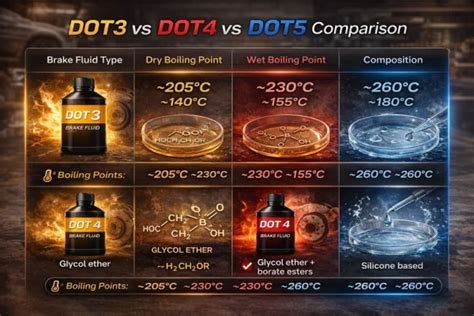
- Use the correct specification. Read the label on the reservoir cap or check the owner’s manual. Common types include DOT 3 and DOT 4, but the required specification varies by vehicle. Do not guess based on color or use power-steering fluid, transmission fluid, motor oil, or water.
- Clean around the cap. Wipe away dust and dirt before opening the reservoir. Keeping debris out of the brake system is important because contamination can affect valves, seals, and braking operation.
- Open the cap carefully. Avoid allowing dirt, water, or other fluids to enter. Brake fluid absorbs moisture from the air, so do not leave the container or reservoir open longer than necessary.
- Add only enough fluid to reach the correct mark. Do not fill above “MAX.” Overfilling can cause fluid to spill, and brake fluid can damage painted surfaces.
- Secure the cap and clean spills immediately. Use the cleaning method recommended in the vehicle manual, and keep brake fluid away from paint, plastic trim, skin, and eyes.
- Have the braking system inspected soon. If the level dropped noticeably, the cause still needs to be identified even when the pedal feels normal.
Do not pump the brake pedal repeatedly to make the vehicle feel safer if the fluid is low. Pumping may temporarily change the pedal feel, but it does not fix a leak or restore proper hydraulic pressure.
Why Brake Fluid Gets Low
Brake fluid does not normally disappear during routine driving. A low level usually points to brake-pad wear, a leak, or maintenance performed incorrectly. Identifying the likely cause helps determine whether topping off is reasonable or unsafe.
Worn brake pads
As disc-brake pads wear, the caliper pistons extend farther to keep the pads against the rotors. More fluid remains in the calipers, so the reservoir level can gradually fall. This can happen without an external leak.
However, a low reservoir should not automatically be blamed on worn pads. The vehicle still needs an inspection, especially if the level is near empty, the brake warning light is on, or braking performance has changed. Replacing pads can also push fluid back toward the reservoir, causing an overfilled condition if someone topped it off beforehand.
A hydraulic leak
A leak can develop in the master cylinder, steel brake line, rubber hose, caliper, wheel cylinder, or a connection. A leak may cause a low reservoir, a soft pedal, reduced braking force, or fluid around a wheel. Severe leaks can cause a rapid loss of braking ability.
Never assume that adding fluid makes a leaking system safe. New fluid may leave the reservoir quickly, and air can enter the lines. A technician must locate the leak, replace the failed component, refill the system, and usually bleed the brakes to remove air.
Old or contaminated fluid
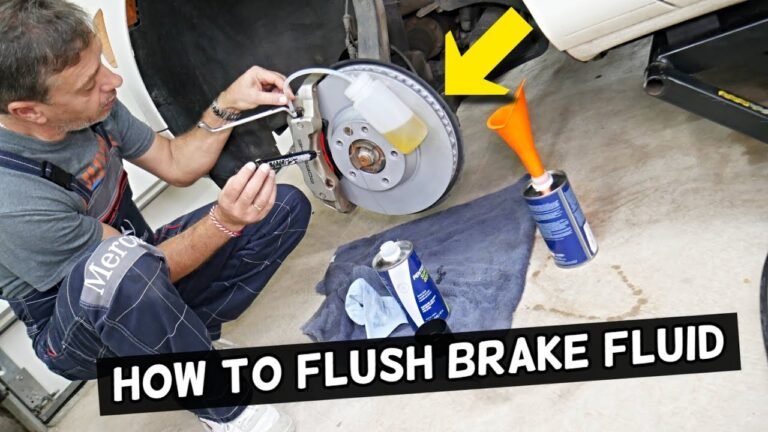
Brake fluid absorbs moisture over time. It can also become dirty or degraded, particularly if the reservoir cap was left loose or the wrong substance entered the system. Old fluid is not necessarily the direct reason for a low level, but it can reduce system reliability and may require a fluid exchange according to the vehicle manufacturer’s maintenance guidance.
Can You Drive With Low Brake Fluid?
Driving may be acceptable only for a very short trip to a repair facility when the level is slightly low, the pedal is firm, the brakes operate normally, and there is no warning sign of a leak. Even then, adding the correct fluid is not a substitute for inspection.
Do not drive if any of these conditions apply:
- The reservoir is empty or nearly empty.
- The brake pedal feels soft, spongy, low, or inconsistent.
- The pedal sinks while steady pressure is applied.
- The red brake warning light stays on after releasing the parking brake.
- Brake fluid is leaking or wetness appears near a wheel or brake line.
- The vehicle pulls, shudders, or takes longer than usual to stop.
- You hear grinding or other severe brake noises along with the low fluid.
If the vehicle must be moved a short distance to get out of immediate danger, use extreme caution, avoid traffic, and stop as soon as it is safely positioned. A vehicle with questionable braking should not be driven on public roads simply because the engine starts or the pedal still moves.
What to Do After Topping Off
After adding fluid, recheck the level and confirm that the cap is secure. Start the vehicle and press the brake pedal several times. The pedal should remain firm and should not slowly sink under steady pressure.
Check the dashboard for warning lights. If the brake warning light remains on, the fluid level falls again, or the pedal feel changes, stop driving and arrange an inspection. Some vehicles require a scan tool to identify an electronic brake-system fault, but an inspection of the mechanical and hydraulic components is still necessary.
A professional brake inspection may include checking pad and shoe thickness, rotors or drums, calipers or wheel cylinders, hoses, steel lines, the master cylinder, the parking-brake system, and the condition of the fluid. If air entered the lines, the system may need to be bled after the underlying problem is repaired.
Common Mistakes to Avoid
Several quick fixes can create additional problems:
- Do not use the wrong fluid. Brake-fluid specifications are not interchangeable with other automotive fluids. Using the wrong product can damage seals and other components.
- Do not mix unknown substances into the reservoir. If oil, water, cleaner, or another fluid was added by mistake, do not drive the vehicle. The system may need to be drained, flushed, and repaired.
- Do not ignore a repeated low level. A reservoir that keeps dropping needs diagnosis, even if the vehicle still stops.
- Do not fill above the maximum line. The level can rise when brake components are serviced, and excess fluid can spill.
- Do not leave an opened brake-fluid bottle for future use. Moisture can enter the container and reduce the fluid’s condition. Follow the product label for storage and disposal.
- Do not use fluid to cover up brake-pad wear. A low level may be a maintenance warning, not a complete repair.
When Professional Service Is Necessary
Professional service is necessary when the reservoir is very low, a leak is suspected, the pedal is abnormal, or the warning light remains illuminated. Brake hydraulics are safety-critical, and improper bleeding, incorrect fluid, or an overlooked leak can leave the vehicle with inadequate stopping power.
A qualified technician can determine whether the level changed because of normal pad wear or because a component failed. The technician can then repair the cause, install the correct fluid, bleed the system when needed, and verify that the vehicle stops properly.
Conclusion
Knowing what to do if brake fluid is low starts with safety: check the reservoir and pedal, look for leaks, use only the specified fluid, and avoid driving when braking performance is questionable. Topping off may help briefly when the level is only slightly low, but a falling level or warning light requires prompt brake-system inspection.