What Happens If You Drink Brake Fluid: Detailed Guide and Facts
Brake fluid is not simply a slippery automotive liquid; swallowing it can cause a medical emergency. The risk depends on the product, amount, and person, but even a small or uncertain ingestion should be treated as a poisoning concern rather than watched casually at home.
If you are searching for what happens if you drink brake fluid because someone may have swallowed it, move quickly: remove the product, rinse the mouth, do not induce vomiting, and contact Poison Control in the United States at 1-800-222-1222. Call 911 immediately for trouble breathing, seizures, collapse, severe confusion, or inability to wake the person.
Why brake fluid is dangerous
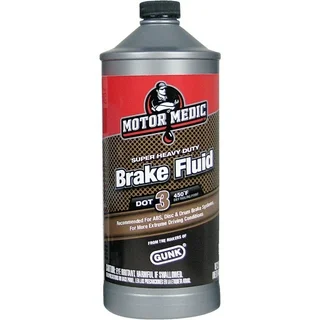
Most conventional brake fluids, including many labeled DOT 3, DOT 4, and DOT 5.1, contain glycol-based chemicals and performance additives. These substances can irritate the mouth and stomach and may affect the brain, breathing, blood chemistry, and kidneys after enough is swallowed.
DOT 5 brake fluid is generally silicone-based rather than glycol-based, but that does not make it safe to drink. It may still contain additives and can cause harmful effects, choking, vomiting, or aspiration into the lungs. Because formulas differ by brand and type, the product label is important when Poison Control or emergency clinicians assess the exposure.
Brake fluid is also not manufactured as a food, beverage, or medicine. A person cannot reliably judge its danger from its color, smell, thickness, or taste. A small-looking sip may be more significant for a child, a smaller adult, or someone with a medical condition.
What can happen after ingestion
Early effects may include burning or irritation in the mouth and throat, nausea, vomiting, stomach pain, dizziness, headache, drowsiness, or a feeling of intoxication. Some people may appear unsteady, confused, or unusually sleepy. These symptoms can be mistaken for ordinary stomach upset or alcohol intoxication.
More serious poisoning can interfere with the body’s acid-base balance. This may lead to rapid breathing, weakness, worsening confusion, low blood pressure, or reduced alertness. Severe cases can progress to seizures, coma, breathing failure, or shock.
Depending on the ingredients and dose, kidney injury is another major concern. Kidney damage may not be obvious immediately. A person might initially seem normal and then develop reduced urination, increasing weakness, vomiting, swelling, or other signs of illness later. A delayed lack of symptoms does not prove that the ingestion was harmless.
Vomiting creates an additional danger. Brake fluid can enter the lungs during vomiting or while a drowsy person is lying down. This is called aspiration and can injure the lungs, causing coughing, choking, wheezing, or breathing difficulty. For that reason, making someone vomit is unsafe.
How fast do symptoms start?
Symptoms may begin soon after swallowing, but timing varies with the chemical formula, concentration, amount, food in the stomach, and the person’s age and health. Nausea, irritation, dizziness, or sleepiness may appear first. Dangerous metabolic or kidney effects can develop later, even if the person initially feels fine.
Do not use the absence of immediate symptoms as a reason to wait until the next day. Poison Control can determine whether home observation is reasonable or whether an emergency department should evaluate the person. Medical professionals may use repeated examinations and laboratory tests because some complications are not visible from the outside.
What to do immediately
- Take the container away. Stop further exposure and keep the person in a safe position. If the person is sleepy or vomiting, place them on their side while waiting for help, when possible.
- Remove remaining fluid from the mouth. Have the person spit it out and gently rinse the mouth with water. Do not force large amounts of water down the throat.
- Call Poison Control. In the United States, call 1-800-222-1222. The service is free and confidential. Poison Control can provide product-specific instructions based on the person’s age, weight, symptoms, amount, and time of exposure.
- Call 911 for severe symptoms. Emergency signs include trouble breathing, choking that does not quickly resolve, seizure, collapse, severe confusion, blue or gray lips, or inability to wake the person.
- Keep the label available. Have the brand, product type, DOT rating, ingredient information, estimated amount, and time of ingestion ready. Do not delay an emergency call while searching for every detail.
If the exposure happened at work, during vehicle repair, or in a household accident, tell the responder exactly what happened. Avoid guessing that the fluid was harmless because it was diluted, mixed with another liquid, or only tasted rather than swallowed. If the amount is unknown, say that clearly.
What not to do
- Do not induce vomiting with fingers, syrup, salt water, or any other method.
- Do not give activated charcoal unless Poison Control or a medical professional specifically instructs you to use it.
- Do not give alcohol, milk, oil, or home “neutralizing” remedies.
- Do not force food or drinks into a person who is drowsy, confused, seizing, or having trouble swallowing.
- Do not let the person drive to seek care if they are dizzy, sleepy, confused, or symptomatic.
- Do not wait for severe symptoms before making the call.
Drinking water is not a treatment that reverses poisoning. A poison specialist may recommend a small amount of water for a fully alert person in certain circumstances, but the correct advice depends on the product and exposure. Follow the instructions given by Poison Control rather than relying on a general home remedy.
When emergency care is needed
Call 911 immediately if the person has trouble breathing, repeated vomiting with reduced alertness, a seizure, fainting, severe agitation or confusion, loss of coordination, or cannot be awakened normally. Emergency help is also appropriate when the amount swallowed is large, the product is unknown, or a child may have consumed any meaningful amount.
A person who appears intoxicated after drinking brake fluid should not be left alone. Keep monitoring breathing and responsiveness while waiting for help. Do not give anything by mouth to someone who cannot sit upright and swallow normally.
Even without dramatic symptoms, prompt Poison Control guidance is important after a deliberate swallow, an unknown amount, or ingestion of a product with unclear ingredients. A healthcare professional may recommend an emergency evaluation to check vital signs, blood chemistry, kidney function, and other effects of the specific chemical.
What information affects the risk
Brake fluid type
The DOT classification helps identify the general formulation, but it is not a complete toxicity assessment. DOT 3, DOT 4, and DOT 5.1 products commonly use glycol-based fluids. DOT 5 products commonly use silicone-based fluid. Additives and regional formulations can vary, so the exact label or safety data is more useful than the DOT number alone.
Amount swallowed
Risk increases with the amount, but a precise “safe sip” cannot be established for every product and person. A child may receive a much larger dose relative to body weight than an adult. People sometimes underestimate the volume because brake fluid may be transferred from a rag, cup, bottle, or reservoir rather than measured directly.
Age and health
Children, older adults, and people with kidney, liver, breathing, or neurological conditions may be more vulnerable to complications. Pregnancy, medications, alcohol use, and other substances can also affect the evaluation. Provide this information to Poison Control without delaying the call.
Other exposure routes
If brake fluid gets into the eyes, flush with clean, lukewarm running water for at least 15 minutes and seek product-specific advice. Remove contaminated clothing and wash exposed skin with soap and water. Move to fresh air after inhalation of mist or fumes, particularly if coughing or breathing discomfort occurs.
How clinicians may evaluate ingestion
Medical staff will usually begin by checking breathing, circulation, mental status, and vital signs. They may ask when the ingestion occurred, how much was swallowed, whether vomiting happened, and whether alcohol, medication, or another chemical was involved.
Depending on the exposure, clinicians may order blood and urine tests to look for abnormal acid levels, changes in kidney function, electrolyte problems, or other evidence of toxic effects. Monitoring may be needed because symptoms and laboratory abnormalities can evolve over time.
Treatment is based on the product and the person’s condition. It may include observation, fluids, oxygen, treatment for seizures or vomiting, and other hospital care. There is no universal home antidote for brake fluid, and treatment should not be improvised from automotive or household advice.
Accidental taste versus intentional drinking
A brief taste or a small accidental mouthful may involve less exposure than intentionally drinking a larger quantity, but the difference cannot be judged reliably without knowing the product and amount. Spitting it out promptly lowers the swallowed dose, yet it does not eliminate the need for advice if any fluid was swallowed.
Intentional ingestion should be treated as an emergency even if the person currently feels well. Tell emergency responders or Poison Control that the ingestion was intentional so they can address both the toxic exposure and immediate safety needs. If the person may harm themselves again, stay with them and call 911 or the 988 Suicide & Crisis Lifeline in the United States.
Preventing another exposure
Keep brake fluid in its original, clearly labeled container with the cap tightly closed. Never transfer it to a drinking bottle, cup, food container, or unlabeled jar. Store it away from children, pets, food, and medications, and return the container to storage immediately after vehicle maintenance.
During repairs, use gloves and eye protection, avoid eating or drinking, and wash hands afterward. Dispose of contaminated rags and leftover fluid according to local hazardous-waste or automotive-fluid rules. These steps reduce the chance that someone mistakes the liquid for a beverage or contacts it during cleanup.
Conclusion
What happens if you drink brake fluid depends on the formula, dose, and individual, but possible effects include gastrointestinal irritation, nervous-system symptoms, dangerous blood-chemistry changes, kidney injury, and breathing complications. Rinse the mouth, never induce vomiting, contact Poison Control at 1-800-222-1222, and call 911 for severe symptoms or reduced responsiveness.