Can You Drive With a Seized Caliper? Safety, Distance, and Risks
If you are asking can you drive with a seized caliper, the safest answer is that you should avoid driving the vehicle except when absolutely necessary to move it a very short distance to a safe location.
A seized or stuck brake caliper can keep a brake pad pressed against the rotor, create excessive heat, reduce braking performance, and make the vehicle pull to one side.
There is no reliable answer to how long can you drive with a seized caliper or how far can you drive with a stuck caliper. A mildly sticking caliper may allow the vehicle to move, while a severely seized caliper can overheat quickly or even prevent a wheel from turning normally.
Continuing to drive can damage the brake pads, rotor, wheel bearing, brake fluid, tire, and surrounding components. In severe cases, braking ability can become unpredictable.
This guide explains what a seized caliper is, whether you can drive with one, how to recognize the warning signs, what can happen if you keep driving, and when the vehicle should be towed instead.
Can You Drive With a Seized Caliper?
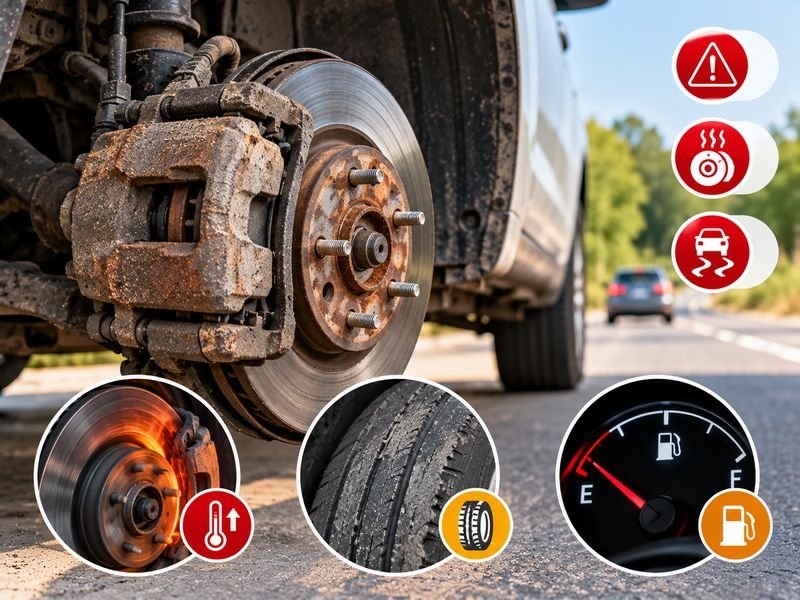
Technically, a vehicle may still move with a seized brake caliper, but driving with a seized caliper is unsafe and should be avoided.
A brake caliper contains one or more pistons that push the brake pads against the rotor when you press the brake pedal. When the brake is released, the pads should move away enough to let the rotor turn freely.
If the caliper piston, slide pins, or another part of the mechanism sticks, one or both brake pads can remain pressed against the rotor.
That creates continuous friction.
Depending on how badly the caliper is seized, you may experience:
- Vehicle pulling to one side
- Burning smell
- Excessive heat from one wheel
- Reduced acceleration
- Poor fuel economy
- Smoke near a wheel
- Uneven braking
- Grinding or scraping noises
- Premature pad and rotor wear
If you suspect a seized caliper, the safest option is to stop driving and have the brake system inspected.
Can You Drive With a Stuck Caliper?
A stuck caliper and a seized caliper are often used to describe the same basic problem: the brake is not releasing correctly.
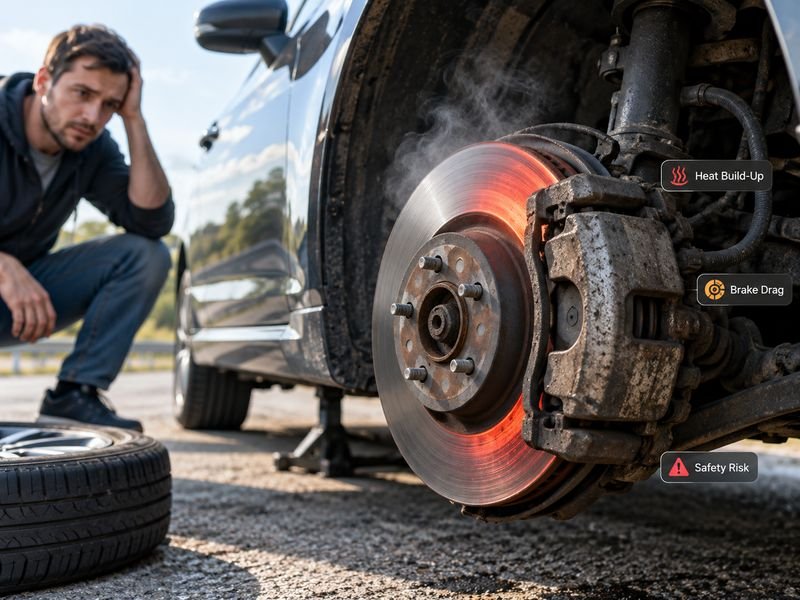
You should not continue normal driving with a stuck caliper.
The severity can vary. A caliper may be:
- Slightly dragging
- Intermittently sticking
- Partially seized
- Completely locked
A mildly sticking brake may not feel dramatic at first. That does not mean it is safe to ignore.
Brake friction generates heat, and the problem can worsen as the components become hotter.
A caliper that only drags slightly when cold may begin binding much more severely after several miles of driving.
How Long Can You Drive With a Seized Caliper?
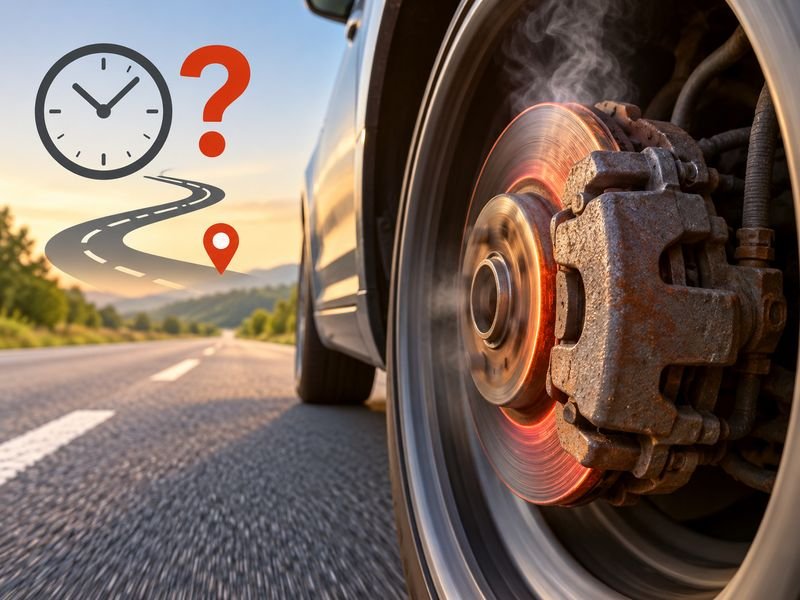
There is no safe number of minutes, hours, or days you can reliably drive with a seized caliper.
How quickly the situation becomes dangerous depends on factors such as:
- How tightly the brake is dragging
- Vehicle weight
- Driving speed
- Road conditions
- Ambient temperature
- Brake rotor condition
- Brake pad condition
- Whether the problem is at the front or rear
- How often you use the brakes
One vehicle might develop extreme brake heat within a short drive, while another may have a mild drag that progresses more slowly.
Because you cannot easily predict when a sticking caliper will become severely overheated, it is better to treat the problem as something that needs immediate attention rather than something you can drive with for several days.
How Far Can You Drive With a Stuck Caliper?
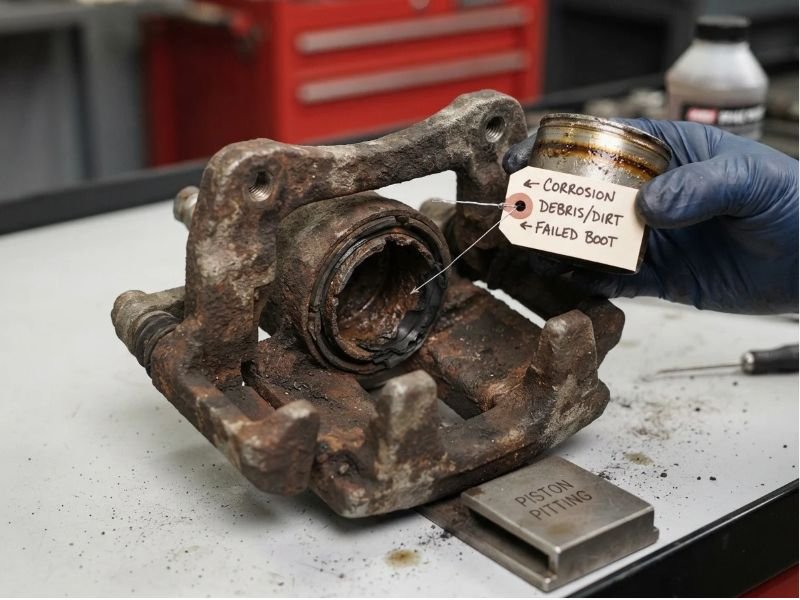
There is no dependable safe mileage for a stuck caliper.
You should not plan to drive:
- 5 miles
- 10 miles
- 20 miles
- To work and back
- Until the weekend
- Until the next scheduled service
The safe distance may effectively be zero miles if the wheel is already very hot, smoking, grinding, or difficult to rotate.
If the brake is only lightly dragging and the vehicle must be moved out of traffic, drive only as far as needed to reach a safe place.
For anything beyond that, towing is the safer choice.
When Should You Stop Driving Immediately?
Certain symptoms suggest the brake is overheating or the caliper is severely seized.
Stop driving as soon as it is safe if you notice:
- Smoke coming from a wheel
- Strong burning smell
- Vehicle pulling sharply
- Significant loss of acceleration
- Grinding noises
- Brake pedal behaving unusually
- Wheel or brake area becoming extremely hot
- Vehicle struggling to move
- Warning lights combined with abnormal braking
- One wheel appearing locked
Do not touch the brake rotor, caliper, or wheel immediately after stopping. Brake components can become hot enough to cause burns.
What Is a Seized Brake Caliper?
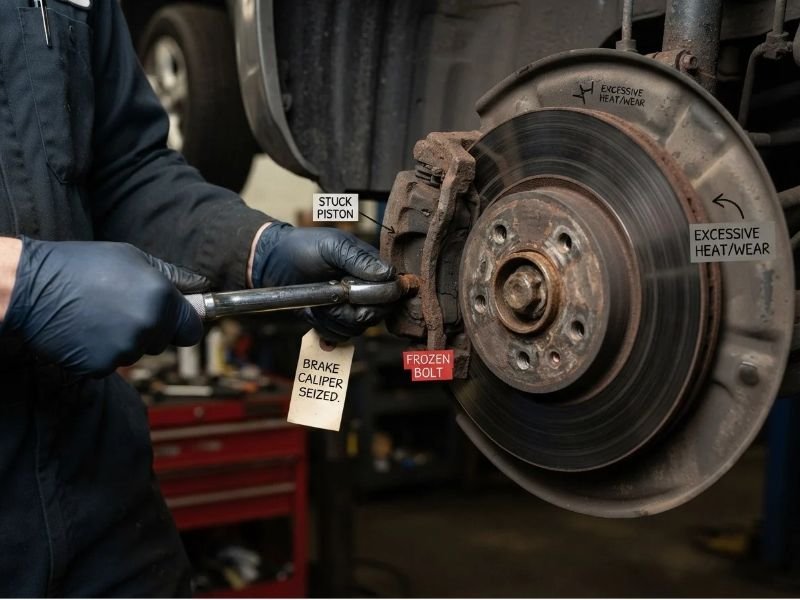
A brake caliper is the part of a disc brake system that presses the brake pads against the rotor.
When you press the brake pedal, hydraulic pressure moves the caliper piston outward. The piston presses the pad against the spinning brake rotor, creating friction that slows the wheel.
When you release the pedal, pressure drops and the brake should release.
A seized caliper occurs when part of this mechanism does not move freely.
The problem can involve:
- Caliper piston
- Slide pins
- Caliper bracket
- Brake hose
- Parking brake mechanism on some rear calipers
The result is often a brake pad that continues contacting the rotor even when you are not braking.
What Causes a Brake Caliper to Seize?
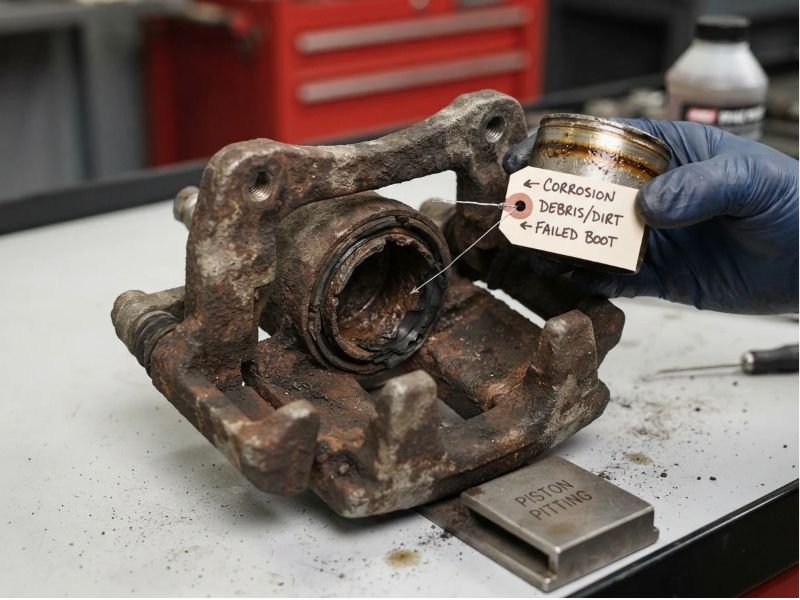
Several problems can cause a caliper to stick.
Corroded Caliper Piston
The piston must move smoothly inside the caliper.
If moisture or corrosion damages the piston or bore, the piston can become difficult to retract.
A damaged piston dust boot can allow dirt and moisture inside, increasing the risk of corrosion.
Stuck Caliper Slide Pins
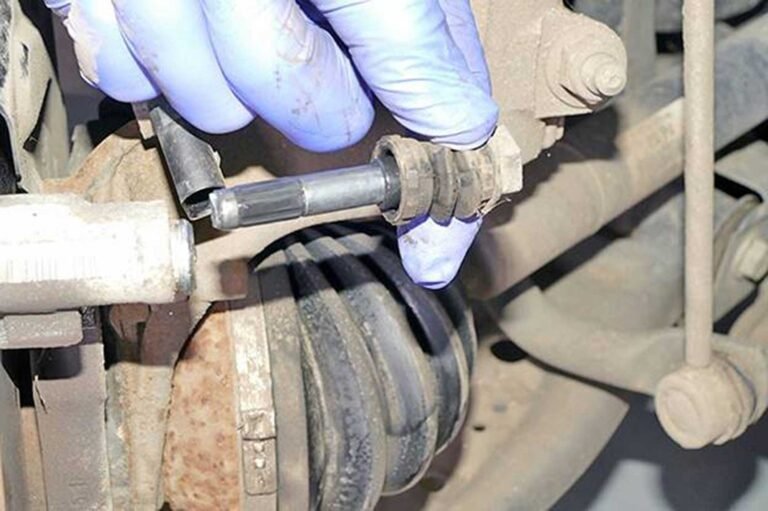
Many floating calipers use slide pins that allow the caliper to move sideways.
If the pins become dry, rusty, or contaminated, the caliper may not release evenly.
One brake pad can remain pressed against the rotor.
Collapsed Brake Hose
A damaged flexible brake hose can sometimes act like a one-way valve.
Hydraulic pressure reaches the caliper when you press the brake pedal, but pressure does not release normally when you let go.
This can make the brake behave like the caliper is seized even when the caliper itself is not the original cause.
Corrosion
Brake components are exposed to:
- Water
- Road salt
- Dirt
- Heat
- Temperature changes
Corrosion can develop around the piston, slide pins, pad hardware, and mounting surfaces.
Damaged Parking Brake Mechanism
Some rear brake calipers incorporate the parking brake mechanism.
If this mechanism sticks, the rear brake may remain partially applied after you release the parking brake.
Signs of a Seized or Stuck Brake Caliper
A seized caliper can produce several recognizable symptoms.
Vehicle Pulls to One Side
A dragging brake creates more resistance on one wheel.
The vehicle may pull toward the side with the sticking brake, especially while driving or braking.
However, pulling can also result from:
- Tire problems
- Alignment issues
- Suspension problems
- Other brake faults
The symptom should be diagnosed rather than assumed to be a caliper.
Burning Smell From One Wheel
A brake pad rubbing continuously against the rotor creates heat.
You may smell something similar to:
- Burning friction material
- Hot metal
- Overheated brakes
A strong burning smell after normal driving is a warning sign.
One Wheel Is Much Hotter Than the Others
A dragging brake can make one wheel noticeably hotter.
You may feel heat radiating from the area without touching it.
Do not place your hand directly on the rotor or caliper.
If one brake is dramatically hotter than the others after a short drive, a dragging caliper is one possible cause.
Poor Acceleration
A severely dragging brake works against the engine.
The vehicle may feel:
- Sluggish
- Heavy
- Slow to accelerate
You may need more throttle than usual to maintain speed.
Reduced Fuel Economy
Because the engine must overcome constant brake drag, fuel consumption can increase.
This may be subtle with a mildly sticking brake.
Grinding or Scraping Noise
Continuous friction can quickly wear through brake pad material.
Once the friction material is gone, the metal backing plate may contact the rotor.
That can produce a grinding sound and severe rotor damage.
Smoke From a Wheel
Smoke is a serious sign of overheating.
If you see smoke near a brake, safely stop the vehicle and do not continue driving.
What Happens If You Keep Driving With a Seized Caliper?
Continuing to drive can turn a caliper problem into a much larger brake repair.
Brake Pads Wear Out Rapidly
A pad that remains against the rotor experiences constant friction.
It may wear much faster than the pad on the opposite side.
Rotor Can Overheat
The brake rotor absorbs the heat produced by friction.
Excessive heat can cause:
- Discoloration
- Surface damage
- Cracking in extreme cases
- Uneven wear
- Reduced braking performance
A damaged rotor may need replacement.
Brake Fluid Can Overheat
Brake heat can transfer into the caliper and brake fluid.
Extremely high temperatures can reduce braking effectiveness and may contribute to brake fade.
Brake fade means the brakes become less effective as temperature increases.
Wheel Bearing May Be Exposed to Excessive Heat
Heat generated at the brake can spread to nearby components.
Long-term or severe overheating may affect seals, grease, and wheel-bearing components.
Tire and Wheel Components Can Become Hot
Extreme brake heat can spread into the wheel.
That is another reason not to continue driving a vehicle with a smoking or severely overheated brake.
Can a Seized Caliper Cause a Fire?
In severe cases, an extremely overheated brake assembly can present a fire risk, particularly if nearby combustible material, leaking fluids, or debris is involved.
A normal mildly dragging brake does not automatically catch fire, but smoke, intense heat, or a strong burning smell should be treated seriously.
If smoke or flames are visible, move away from the vehicle and contact emergency services if necessary.
Do not continue driving in an attempt to cool the brake.
Can a Seized Caliper Lock the Wheel?
Yes.
A severely seized caliper can apply enough braking force that the affected wheel becomes difficult or impossible to rotate normally.
If this happens while driving, vehicle stability can be affected.
A partially seized brake can also worsen as heat increases, potentially creating more drag over time.
Can a Stuck Caliper Release by Itself?
A sticking caliper may occasionally appear to release temporarily, but that does not mean the problem is repaired.
For example, changes in:
- Temperature
- Brake pressure
- Road vibration
- Piston position
may allow the brake to move temporarily.
The underlying corrosion, damaged hose, stuck pin, or piston problem remains.
Intermittent symptoms should still be inspected.
Is It Safe to Drive to a Mechanic With a Seized Caliper?
Towing is the safer option when a caliper is clearly seized.
A very short drive may sometimes be physically possible when the brake is only lightly dragging, but there is no reliable way to guarantee it will remain mild during the trip.
Do not attempt to drive to a repair shop if you notice:
- Smoke
- Severe pulling
- Grinding
- Strong burning odor
- Extremely hot wheel
- Wheel lockup
- Major loss of braking performance
Arrange a tow instead.
What Should You Do If a Caliper Seizes While Driving?
If you notice symptoms while driving:
- Reduce speed gradually.
- Avoid unnecessary hard braking.
- Find a safe place to pull over.
- Park away from traffic.
- Turn the vehicle off.
- Do not touch hot brake components.
- Inspect for smoke or obvious damage from a safe distance.
- Arrange assistance or towing if the brake appears overheated or seized.
Avoid pouring cold water onto an extremely hot brake rotor.
Rapid cooling can create significant thermal stress in hot metal components.
How Do You Confirm a Brake Caliper Is Stuck?
A proper brake inspection is the best way to identify the problem.
A technician may check:
- Wheel rotation
- Pad wear
- Caliper piston movement
- Slide pin movement
- Brake hose condition
- Rotor temperature
- Rotor condition
- Brake fluid
- Parking brake mechanism
Uneven pad wear can provide useful clues.
For example, one pad wearing much faster than the other may indicate a sliding or piston problem.
However, accurate diagnosis matters because a restricted brake hose can sometimes produce symptoms similar to a seized caliper.
Can You Fix a Seized Caliper Without Replacing It?
Sometimes, but it depends on the cause and condition of the caliper.
Sticking Slide Pins
If the problem is limited to dry or corroded slide pins, cleaning, inspecting, and properly lubricating or replacing the pins and boots may restore normal operation.
Only use a lubricant suitable for brake components.
Seized Piston
A heavily corroded or damaged piston often makes caliper replacement or professional rebuilding more practical.
Simply forcing the piston backward does not repair corrosion or damaged seals.
Restricted Brake Hose
If hydraulic pressure is being trapped by a damaged hose, replacing the caliper alone may not solve the problem.
The hose must be correctly diagnosed and replaced if defective.
Should You Replace Both Brake Calipers?
Brake calipers do not always have to be replaced in axle pairs in every situation, but the overall brake condition should be inspected on both sides.
A technician may recommend additional repairs depending on:
- Vehicle mileage
- Corrosion
- Condition of the opposite caliper
- Brake pad wear
- Rotor condition
- Manufacturer guidance
Brake pads and rotors are generally serviced in axle pairs so braking characteristics remain consistent from side to side.
Will You Need New Brake Pads After a Seized Caliper?
Often, yes, especially if the brake has been dragging for a significant period.
A seized caliper can cause the affected pads to become:
- Excessively worn
- Overheated
- Glazed
- Unevenly worn
Brake pads are normally replaced as a set across the same axle.
The rotor should also be inspected for excessive heat damage, scoring, thickness, and uneven wear.
Can a Seized Caliper Damage the Rotor?
Yes.
Constant pad contact generates heat and friction even when you are not pressing the brake pedal.
The rotor may develop:
- Deep scoring
- Heat spots
- Discoloration
- Uneven surfaces
- Excessive wear
In severe cases, replacement may be necessary.
Can a Stuck Caliper Cause the Car to Shake?
It can.
An overheated or unevenly damaged rotor may eventually contribute to vibration, particularly during braking.
However, vehicle shaking can have many causes, including:
- Tire imbalance
- Suspension problems
- Wheel issues
- Other brake defects
A proper inspection is needed before blaming the caliper.
Can a Seized Caliper Affect Gas Mileage?
Yes.
A dragging brake creates continuous resistance.
The engine has to produce extra power to overcome that resistance, which can increase fuel consumption.
A severely dragging caliper may also make the vehicle noticeably slower or less responsive.
Front vs. Rear Seized Caliper
A seized caliper can occur at either axle.
Front Caliper
Front brakes usually handle a large portion of the vehicle’s braking work.
A stuck front caliper may produce noticeable:
- Pulling
- Heat
- Steering effects
- Brake wear
Rear Caliper
A stuck rear caliper may sometimes be less obvious to the driver.
Rear-caliper problems can involve the parking brake mechanism on vehicles where it is integrated into the caliper.
Both conditions require attention.
Seized Caliper vs. Stuck Brake Pad
Not every dragging brake means the entire caliper has failed.
Brake pads can become stuck in their bracket because of:
- Corrosion
- Rust buildup
- Damaged hardware
- Improper fitment
The pad can remain against the rotor even if the caliper piston itself is capable of moving.
This is why brake diagnosis should include the entire caliper and pad assembly.
How to Reduce the Chance of Caliper Problems
Brake calipers can last a long time, but maintenance can help prevent some sticking problems.
Useful practices include:
- Have brakes inspected periodically.
- Replace damaged caliper boots.
- Service corroded or dry slide pins correctly.
- Use proper brake lubricant where specified.
- Replace brake fluid according to vehicle maintenance recommendations.
- Address uneven brake wear early.
- Repair damaged brake hoses.
- Do not ignore a wheel that repeatedly becomes hotter than the others.
Vehicles driven where road salt is common may require additional attention to corrosion.
FAQs About Can You Drive With a Seized Caliper
How long can you drive with a seized caliper?
There is no safe time limit. A seized caliper can overheat rapidly, and the severity may worsen without warning. Stop driving and arrange an inspection or tow.
How far can you drive with a stuck caliper?
There is no guaranteed safe distance. If the caliper is severely stuck, smoking, grinding, or causing strong pulling, the vehicle should not be driven.
Can you drive with a stuck caliper for a few miles?
A lightly dragging brake may physically allow the vehicle to travel a few miles, but doing so is not considered a safe plan. The brake can overheat quickly, so towing is safer.
Can you drive with a seized rear brake caliper?
You should avoid it. A seized rear caliper can still overheat the brake, damage components, and negatively affect braking performance.
Can you drive with a seized front brake caliper?
Driving with a seized front caliper is unsafe. The vehicle may pull strongly, overheat the brake, and experience reduced or unpredictable braking.
How quickly can a seized caliper damage a rotor?
There is no fixed time. A severely dragging pad can generate damaging heat quickly, while a mild sticking condition may progress more slowly.
How do I know if my caliper is completely seized?
Possible signs include a wheel that is difficult to rotate, severe pulling, intense heat, smoke, a burning smell, and extremely rapid brake-pad wear. A brake inspection is needed for confirmation.
Can a seized caliper free itself after cooling down?
It may temporarily move more freely after cooling, but the underlying problem is still present. A caliper that sticks once should be diagnosed rather than assumed to be repaired.
Conclusion
So, can you drive with a seized caliper? A vehicle may still move with a partially stuck brake, but continuing to drive is unsafe because the brake can overheat, damage the rotor and pads, reduce braking performance, or become more severely seized.
There is also no dependable answer to how long can you drive with a seized caliper or how far can you drive with a stuck caliper. The condition can worsen quickly, and a brake that seems mildly stuck at first may become dangerously hot after driving.
If you notice severe pulling, smoke, grinding, a burning smell, or excessive heat from one wheel, stop driving as soon as it is safe. Have the brake system inspected and use a tow when necessary rather than risking additional damage or loss of braking performance.