How to Remove Brake Caliper Slide Pins: A Complete Step-by-Step Guide
Learning how to remove brake caliper slide pins is a useful skill for many vehicle owners in the United States. These small pins play a major role in disc brake operation. When they stick, brakes may wear unevenly or create noise.
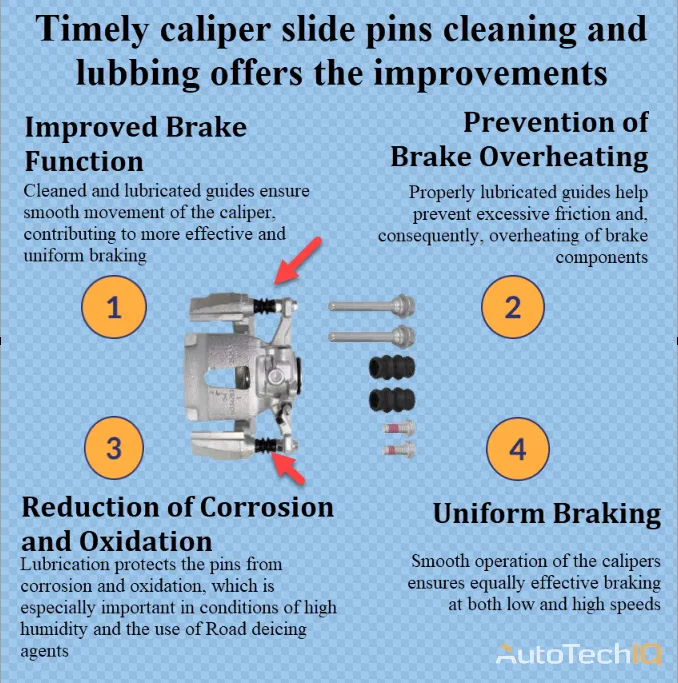
In my experience working with brake systems, most slide pin problems come from rust, old grease, damaged rubber boots, or moisture. A careful cleaning job often restores smooth movement without replacing the entire caliper.

What brake caliper slide pins do and why they matter
Brake caliper slide pins are metal guide pins that allow a floating caliper to move back and forth. This movement helps both brake pads press against the rotor evenly.
When you understand how to remove brake caliper slide pins, you can inspect one of the most common causes of brake problems. A stuck pin can cause one pad to wear faster than the other.

- ✦ Smooth caliper movement
Clean slide pins help the caliper move freely during braking.
- ✦ Even pad wear
Working pins help both brake pads contact the rotor correctly.
Tools needed before removing brake caliper slide pins
Before starting, gather the right tools. Good preparation makes the job safer and prevents damage to brake parts.
The exact tools vary by vehicle model, but most cars use common hand tools found in many home garages.

- ✦ Basic tools
Use a jack, jack stands, socket set, wrench set, and a torque wrench.
- ✦ Cleaning supplies
Have brake cleaner, a wire brush, clean towels, and brake lubricant ready.
Safety items to use
Always support the vehicle with jack stands. Never rely only on a hydraulic jack while working under a vehicle.
- ✦ Protective gear
Wear gloves and eye protection to avoid contact with dirt and brake cleaner.
How to remove brake caliper slide pins step by step
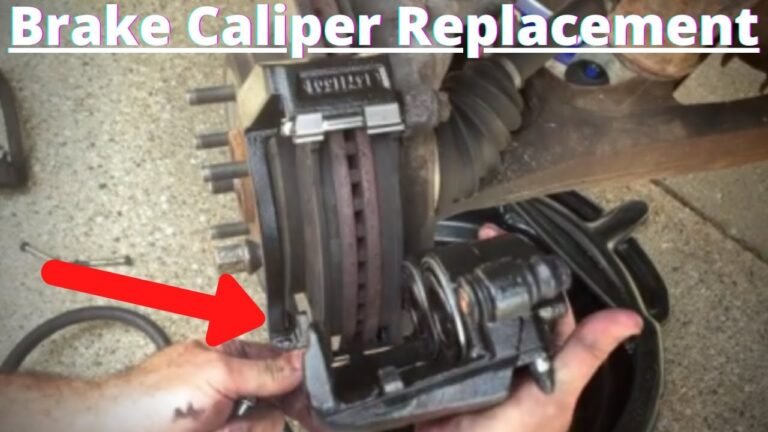
To learn how to remove brake caliper slide pins, begin with a cool vehicle parked on a flat surface. Remove the wheel after safely lifting and supporting the car.
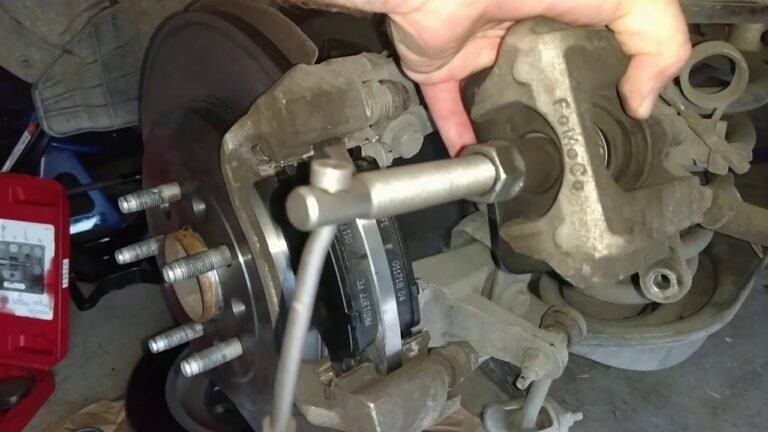
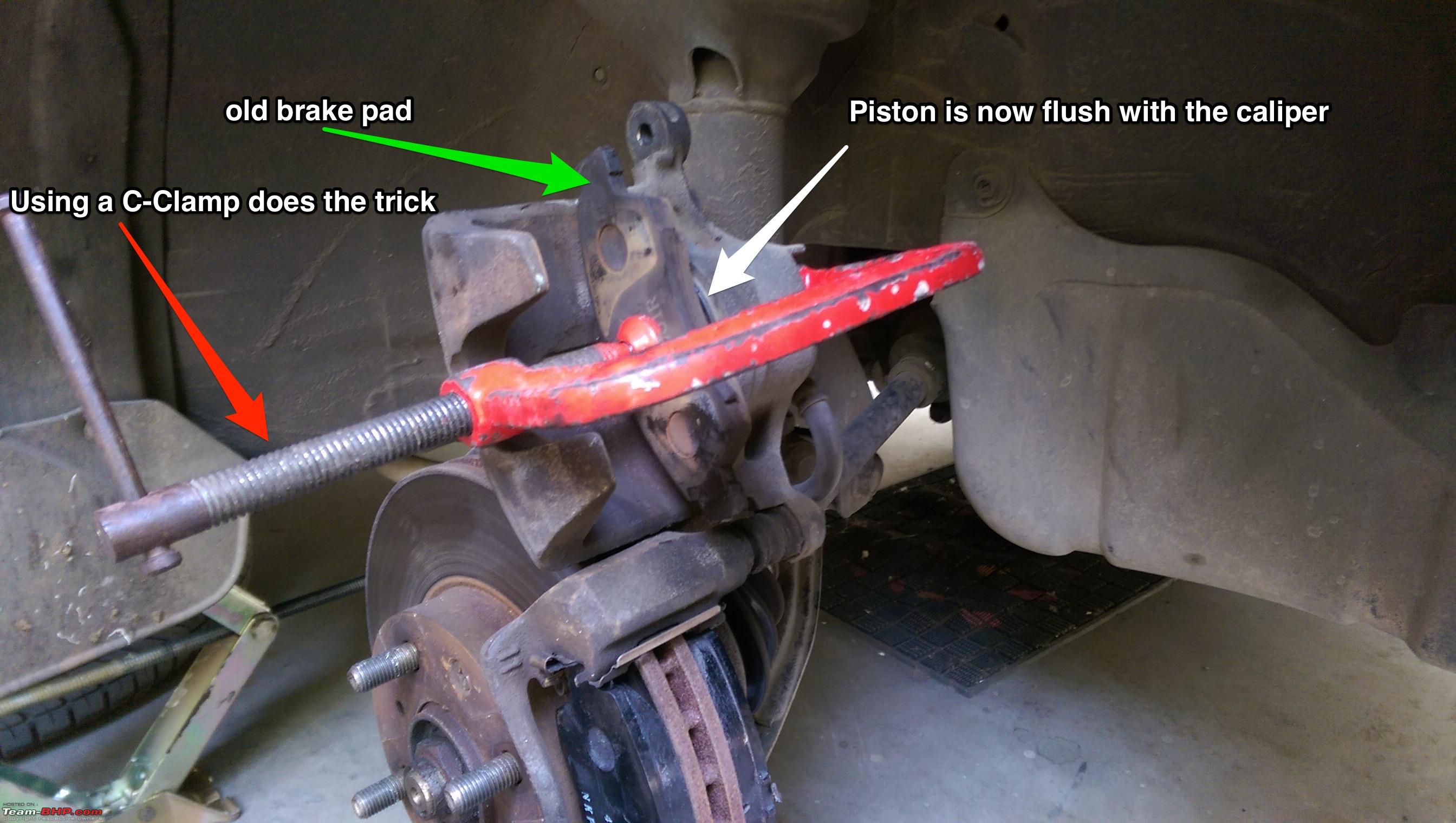
Locate the caliper bolts that hold the sliding section in place. Remove the bolts carefully, then move the caliper away from the rotor without hanging it by the brake hose.
Pull the slide pins from their rubber boots. If they resist, avoid forcing them with excessive pressure because the pin or boot can become damaged.
- ✦ Step one
Remove the wheel and locate the brake caliper slide pins.
- ✦ Step two
Remove caliper hardware and carefully access the guide pins.
- ✦ Step three
Pull out the pins and inspect them for rust or damage.
Removing a stuck brake caliper slide pin
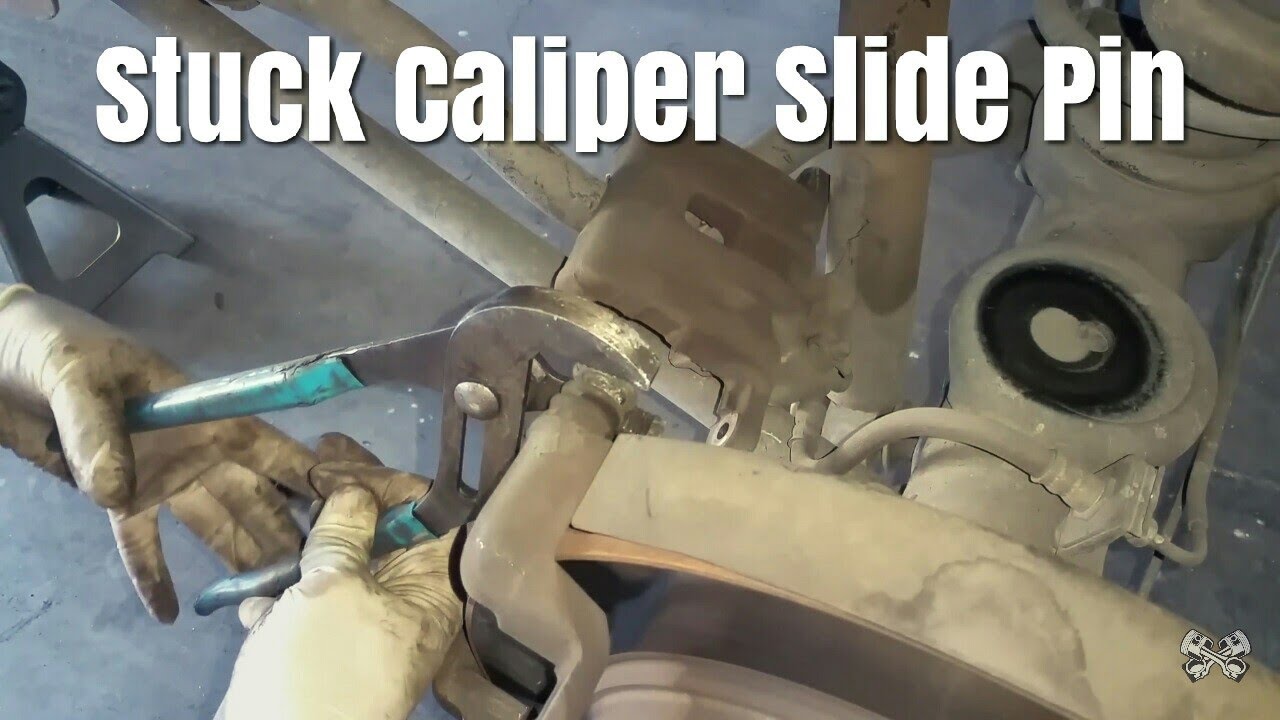
A stuck slide pin may need extra care. Apply penetrating oil around the pin area and allow time for it to work.
Light tapping and gentle twisting can help loosen corrosion. Replace damaged pins instead of reusing unsafe parts.
- ✦ Avoid excessive force
Aggressive pulling can damage the caliper bracket or rubber boot.
Cleaning and lubricating brake caliper slide pins
After removing the pins, clean away old grease, rust, and dirt. The pin surface should be smooth before installation.
Use brake-specific lubricant made for caliper slide pins. Regular grease may break down from brake heat and cause problems.
Knowing how to remove brake caliper slide pins is only part of the repair. Proper cleaning and lubrication are what restore normal movement.
- ✦ Inspect rubber boots
Replace torn boots because they allow moisture and dirt inside.
- ✦ Use correct lubricant
Choose high-temperature brake lubricant designed for guide pins.
Common mistakes when removing caliper slide pins
Many brake issues happen because slide pins are serviced incorrectly. Small mistakes can create repeat problems.
Take your time and check each part before putting the brake system back together.
- ✦ Using the wrong grease
Some general greases can damage rubber parts and reduce brake performance.
- ✦ Ignoring worn parts
Bent pins, damaged boots, or damaged brackets should be replaced.