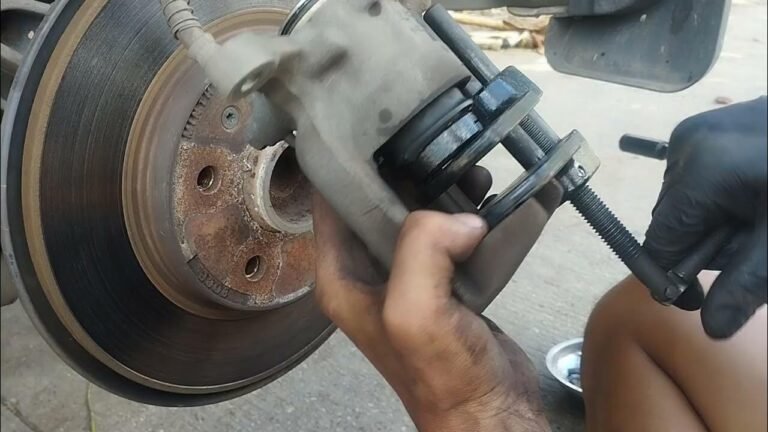
How to Replace Brake Caliper Bracket: A Complete Step-by-Step Guide
Learning how to replace brake caliper bracket is useful for many vehicle owners who want to understand brake repairs. The bracket holds the brake caliper in place and keeps the brake pads aligned with the rotor.
From years of automotive repair experience, one key lesson stands out: careful work matters more than speed. Brake parts handle extreme forces, so every bolt, clip, and mounting surface must be checked before driving.
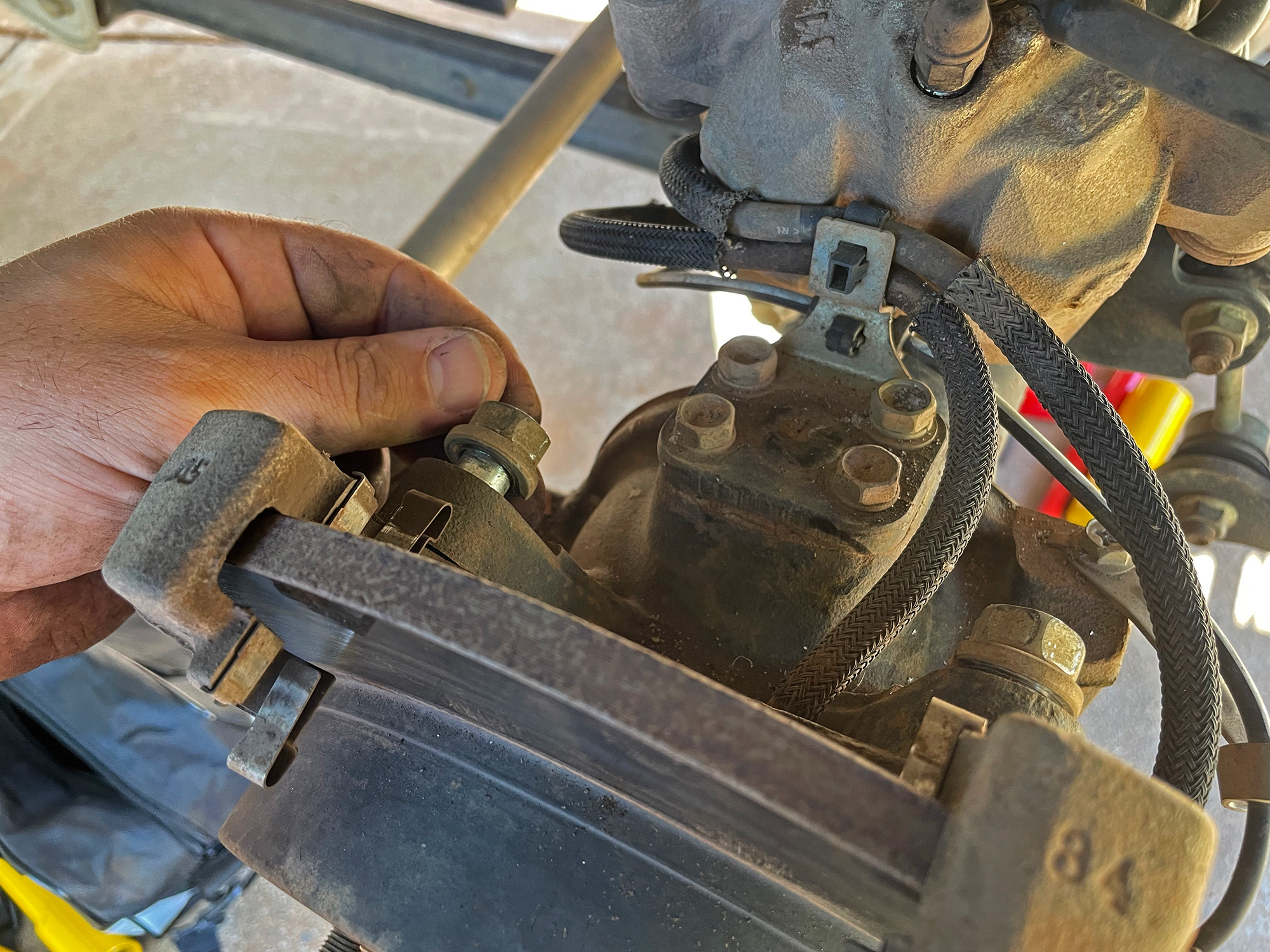
What Is a Brake Caliper Bracket and Why Does It Matter?
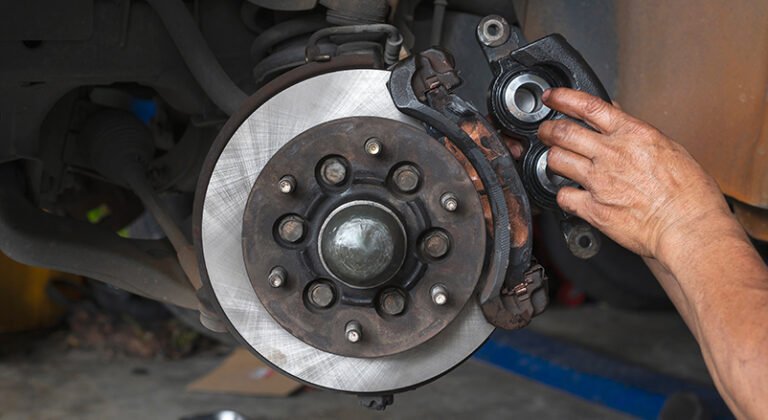
A brake caliper bracket is a metal mount that attaches the brake caliper assembly to the steering knuckle or axle area. It also guides the brake pads and keeps them positioned correctly around the rotor.
When learning how to replace brake caliper bracket, it helps to understand its role. A weak, cracked, or damaged bracket can affect brake performance and may create unsafe driving conditions.
- ✦ Supports the caliper
The bracket keeps the brake caliper secure while the vehicle slows down.
- ✦ Holds brake pads
The bracket provides the contact points where brake pads slide and rest.
- ✦ Maintains alignment
A good bracket helps the pads wear evenly against the brake rotor.
Common Reasons for Brake Caliper Bracket Replacement
Most brackets last a long time, but rust, impact damage, worn hardware, or incorrect previous repairs can create problems. Vehicles in areas with road salt may experience faster corrosion.
A mechanic may suggest replacing the bracket if the mounting holes are damaged, the bracket is bent, or the caliper does not move correctly.
- ✦ Visible rust or cracks
Severe corrosion can weaken the metal structure.
- ✦ Brake noise
Loose or damaged bracket parts can create clunking or rattling sounds.
Tools and Parts Needed Before You Replace a Brake Caliper Bracket
Before starting the job, gather all tools and replacement parts. Good preparation makes the process smoother and reduces the chance of mistakes.
The exact tools vary by vehicle, but most cars use common hand tools. Always check your vehicle service manual for correct bolt sizes and torque values.
- ✦ Basic tools
Use a jack, jack stands, lug wrench, socket set, torque wrench, and screwdrivers.
- ✦ Safety equipment
Wear gloves and eye protection. Work on a flat surface with the parking brake applied.
- ✦ Replacement parts
Buy the correct brake caliper bracket and inspect related hardware before installation.
Important Safety Checks
Never rely only on a vehicle jack while working underneath a car. Use strong jack stands and confirm the vehicle is stable before removing parts.
Brake dust and old components may contain harmful materials, so avoid creating dust clouds during cleaning.
- ✦ Secure the vehicle
Chock the wheels and place the vehicle on stable supports.
Step-by-Step: How to Replace Brake Caliper Bracket
The process of how to replace brake caliper bracket starts with safely removing the wheel and accessing the brake assembly. Take photos before removal to help remember the correct position of parts.
Work slowly and keep removed bolts organized. Many brake problems after repairs happen because parts are installed incorrectly or bolts are not tightened properly.
- ✦ Step 1: Remove the wheel
Lift the vehicle safely and remove the wheel to expose the brake assembly.
- ✦ Step 2: Remove the caliper
Unbolt the caliper and support it with a hanger or wire without pulling on the brake hose.
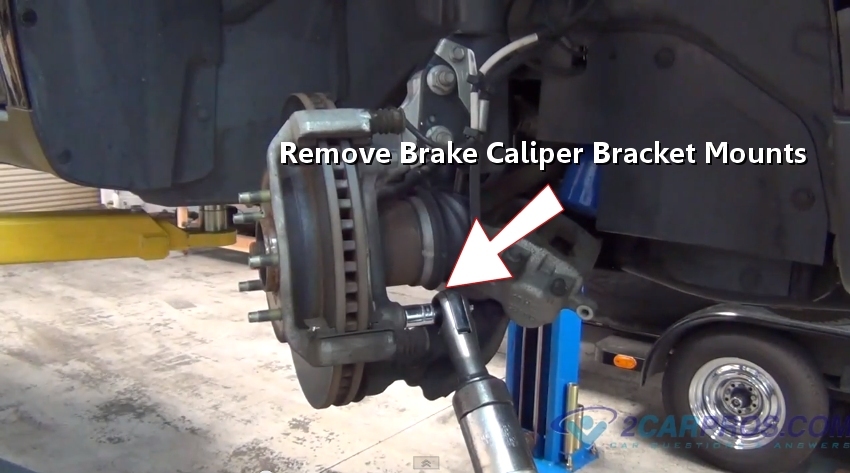
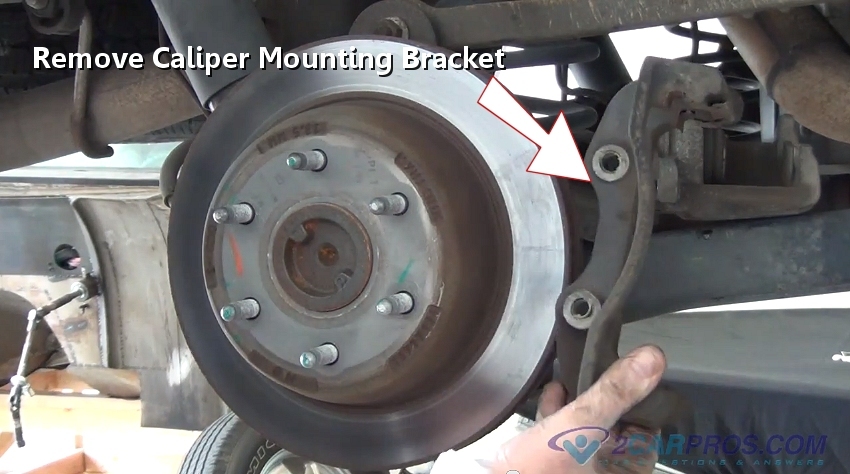
- ✦ Step 3: Remove the old bracket
Remove the bracket mounting bolts and inspect the mounting surface.
- ✦ Step 4: Install the new bracket
Place the replacement bracket correctly and tighten bolts to manufacturer specifications.
Cleaning and Inspecting the Mounting Area
Before installing the new bracket, clean rust and debris from the mounting surface. A dirty surface can prevent proper alignment.
Check nearby brake parts such as pads, rotors, and slide pins. Replacing a bracket may reveal other worn components.
- ✦ Check brake pad movement
Pads should move smoothly without binding.
How to Install and Test the New Brake Caliper Bracket Correctly
After installing the bracket, reinstall the caliper and brake pads in the correct order. Tighten every fastener using the recommended torque specification.
Knowing how to replace brake caliper bracket also means knowing how to verify the repair. A careful inspection after installation protects both your vehicle and passengers.

- ✦ Torque all bolts
Proper torque prevents bolts from loosening or being damaged.
- ✦ Pump the brake pedal
Press the pedal until it feels firm before moving the vehicle.
- ✦ Perform a road test
Test braking at low speed in a safe area.
Signs the Repair Was Successful
A successful repair should produce quiet braking, smooth pedal feel, and even stopping power. Any unusual sound or pulling should be checked before normal driving.
If problems continue after replacing the bracket, inspect the entire brake system for additional faults.
- ✦ Smooth operation
The brakes should engage evenly without vibration.
Common Mistakes When Replacing a Brake Caliper Bracket
Many DIY repairs fail because small details are overlooked. Brake systems require precision, and simple mistakes can lead to noise or poor braking.
When researching how to replace brake caliper bracket, focus on correct installation rather than rushing through the repair.

- ✦ Skipping torque specifications
Overtightening or undertightening bolts can damage components.
- ✦ Hanging the caliper by the hose
The brake hose can become damaged if it supports the caliper weight.
- ✦ Ignoring rust buildup
Rust can prevent proper fit and alignment.
Cost of Replacing a Brake Caliper Bracket
The cost of brake caliper bracket replacement depends on the vehicle model, part quality, and labor rates in your area. Many drivers pay more when additional brake parts need replacement.
DIY replacement can reduce labor costs, but professional service may be better if you lack tools or brake repair experience.
- ✦ Parts cost
Replacement brackets vary in price based on vehicle type and brand.
- ✦ Labor cost
Professional shops charge for inspection, removal, installation, and testing.