Can You Drive with a Bad Brake Caliper: Key Facts and Guidance
A bad brake caliper can make a vehicle unsafe to drive, even if the car still appears to stop. A caliper that is seized, leaking, or failing to apply pressure correctly can cause uneven braking, overheating, rapid pad wear, or a sudden loss of braking ability.
If you are asking, can you drive with a bad brake caliper, the safest answer is no. I recommend stopping in a safe location, avoiding unnecessary driving, and arranging a professional inspection or tow. The exact risk depends on how the caliper has failed, but brake problems can worsen quickly without warning.
What a brake caliper does
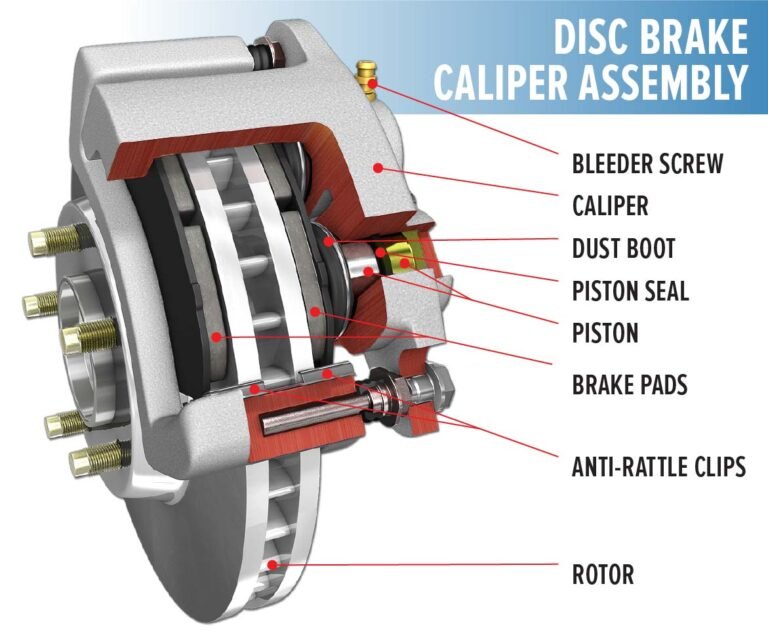
A brake caliper is part of a vehicle’s disc brake system. When you press the brake pedal, hydraulic brake fluid pushes a piston inside the caliper. The piston presses the brake pads against the rotor, creating friction that slows the wheel.
The caliper must release the pads when you let off the pedal. It must also apply pressure evenly and remain securely mounted. A problem with any of these functions can affect braking performance on that wheel.
Common caliper failures include:
- A seized piston that keeps the brake pad pressed against the rotor
- A piston that will not move enough to apply the brakes properly
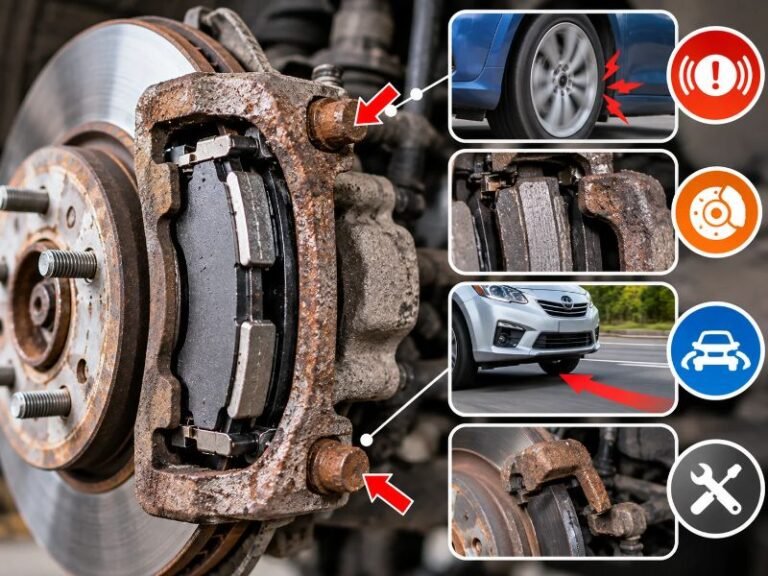
- Sticking or corroded slide pins on a floating caliper
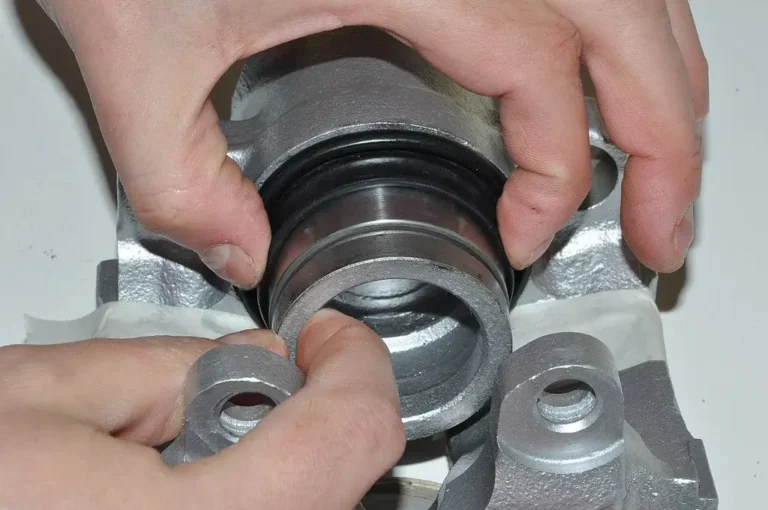
- A damaged caliper seal that allows brake fluid to leak
- Loose or damaged mounting hardware
Why driving with a bad caliper is dangerous
Brakes must work evenly from side to side. A defective caliper can make one wheel brake harder or weaker than the others. That imbalance can cause the vehicle to pull left or right, especially during hard braking or on a wet road.
A caliper that remains partially applied can create continuous friction. This produces excessive heat in the rotor, brake pads, wheel hub, and nearby components. Severe heat can damage the rotor, boil brake fluid, destroy the pads, or affect the wheel bearing.
A leaking caliper presents a different but equally serious danger. A loss of brake fluid can reduce hydraulic pressure throughout the brake system. If enough fluid escapes, the brake pedal may become soft or sink toward the floor, and stopping power can be greatly reduced.
Even when the vehicle still stops normally, the faulty caliper may cause:
- Longer stopping distances
- Reduced control during emergency braking
- Uneven brake pad and rotor wear
- Brake fade after repeated stops
- Damage to the tire, wheel, or suspension from excessive heat
- Smoke or, in extreme cases, a fire near the wheel
Because the driver cannot always tell how much braking capacity remains, continuing to drive is a poor way to “test” the problem.
Signs of a failing brake caliper
A bad caliper often produces noticeable warning signs. One symptom alone does not prove that the caliper is defective, because brake pads, rotors, hoses, wheel bearings, and other parts can create similar symptoms. Still, these signs require prompt attention.
Vehicle pulling while braking
If the vehicle pulls to one side when you press the brake pedal, one caliper may be applying more force than the caliper on the opposite side. A caliper that sticks can also cause the vehicle to pull while you are driving, not only while braking.
One wheel becomes unusually hot
A dragging caliper can make one wheel, rotor, or tire area much hotter than the others. You may notice a hot-metal smell, smoke, or heat radiating from a wheel after a short drive.
Do not touch the wheel or rotor to check the temperature. Brake components can remain hot enough to cause a serious burn. If smoke is present, stop away from traffic, turn off the engine, keep clear of the wheel, and arrange emergency assistance.
Uneven or rapid pad wear
A caliper that does not move correctly may wear one brake pad much faster than the other pad on the same wheel. Uneven wear can also occur between the left and right sides of the vehicle.
Brake fluid around the caliper
Wetness or oily fluid around the caliper, brake hose connection, or inside of the wheel may indicate a hydraulic leak. Brake fluid is usually clear to light brown when clean, although dirt can change its appearance.
Do not assume that adding brake fluid makes the vehicle safe to drive. Topping off the reservoir does not repair a leak, and continued fluid loss can still lead to brake failure.
Grinding, squealing, or rubbing
Abnormal noise may occur when a caliper keeps a pad against the rotor or allows the pad to wear excessively. A grinding sound can mean the friction material is gone and the metal backing plate is contacting the rotor.
Soft pedal or warning lights
A soft, spongy, or sinking brake pedal can indicate air or fluid loss in the hydraulic system. The brake warning light or ABS warning light may also appear. These warnings should be treated as safety issues, particularly when combined with poor braking or a visible leak.
Can you drive a short distance to a repair shop?
In most cases, no. A short trip does not eliminate the risk because the caliper can overheat, the vehicle can pull into another lane, or a fluid leak can become worse during those few miles.
A vehicle with mild noise but normal braking may still have a problem that needs immediate inspection. However, no driver can reliably confirm from the driver’s seat that a caliper is only slightly faulty. The safest option is a tow truck or roadside service.
Do not drive the vehicle if any of these conditions exist:
- The brake pedal is soft, sinks, or feels different from normal
- The vehicle pulls sharply when braking
- There is visible brake fluid
- A wheel is smoking or extremely hot
- The brakes grind severely or the vehicle struggles to stop
- The brake or ABS warning light is on with braking symptoms
- The caliper, brake hose, or mounting hardware appears loose or damaged
If the vehicle must be moved to prevent immediate danger, move it only the minimum distance needed to reach a safer location. Use low speed, leave substantial space, avoid traffic when possible, and do not continue toward a repair shop if braking changes. These precautions reduce exposure to danger; they do not make the vehicle safe for normal driving.
What to do when a caliper may be bad
- Stop safely. Pull off the road as soon as it is safe. Turn on the hazard lights if the vehicle is stopped near traffic.
- Let the brakes cool. Do not handle the wheel, rotor, caliper, or brake pad immediately after driving.
- Look without touching. Check for smoke, fluid, a damaged wheel, or obvious parts hanging near the brake assembly.
- Check the pedal only while parked. A soft or sinking pedal is a reason not to drive.
- Arrange an inspection or tow. Tell the repair facility about the symptoms, warning lights, heat, noise, and any fluid leak.
Avoid spraying lubricant on the brake rotor or pads. Do not loosen a brake line, push the caliper piston back without proper knowledge, or continue driving after removing a wheel. Brake repairs involve hydraulic pressure and safety-critical mounting components.
How a technician confirms the problem
A qualified technician normally inspects the caliper, pads, rotor, brake hose, slide pins, mounting bracket, and surrounding components. The inspection may also include a brake fluid check and a comparison of brake temperatures or pad wear from side to side.
The technician must determine whether the caliper itself is faulty or whether another component is creating similar symptoms. A restricted brake hose, seized slide pin, worn pad, damaged rotor, contaminated friction surface, or problem elsewhere in the hydraulic system can mimic a bad caliper.
Proper diagnosis matters because replacing only the caliper may not correct the underlying issue. If a caliper has overheated, the technician may also need to evaluate the rotor, pads, brake hose, wheel bearing, and brake fluid.
What repair may be required
The correct repair depends on the failure. A sticking slide pin may require cleaning or replacement, while a leaking or seized caliper generally requires replacement or professional rebuilding. The brake system should then be checked for leaks and properly bled if air entered the hydraulic circuit.
Brake pads are often replaced in axle pairs so braking remains balanced from side to side. Rotors may also need replacement or resurfacing when heat damage, deep scoring, cracking, or excessive wear is present. The technician should verify that the repaired wheel turns freely when the brake pedal is released and that the vehicle stops evenly during a controlled road test.
Do not judge a repair only by whether the noise disappears. A vehicle can be quiet while still having uneven braking, a hydraulic leak, or a damaged rotor.
How urgent is a bad brake caliper?
A suspected bad caliper is an immediate safety concern, not a routine maintenance item. A vehicle may remain drivable for a limited time with some faults, but a brake caliper affects the system responsible for stopping the vehicle and controlling it during emergency maneuvers.
The urgency is highest when there is a fluid leak, severe heat, smoke, a soft pedal, sudden pulling, or major loss of braking. In those situations, do not drive the vehicle. Have it towed and inspected before it returns to the road.

Conclusion
So, can you drive with a bad brake caliper? You should not drive it as normal, and you should not rely on a short trip to determine whether it is safe. Stop when possible, avoid touching hot brake parts, and arrange a professional inspection or tow. Prompt action can prevent brake failure, additional damage, and a dangerous loss of vehicle control.