How to Measure Brake Caliper Size: A Complete Guide for Accurate Brake Fitment
Knowing how to measure brake caliper size helps drivers and mechanics choose the right brake parts without costly mistakes. In the United States, many vehicle owners measure calipers before brake upgrades, wheel changes, or replacement projects.
From years of working with brake systems, one lesson stands out: accurate measurements matter more than guessing from a vehicle model. Even similar vehicles can use different caliper designs, rotor sizes, and mounting setups.
This guide explains how to measure brake caliper size step by step. You will learn what dimensions matter, which tools to use, and how to avoid common fitment problems.
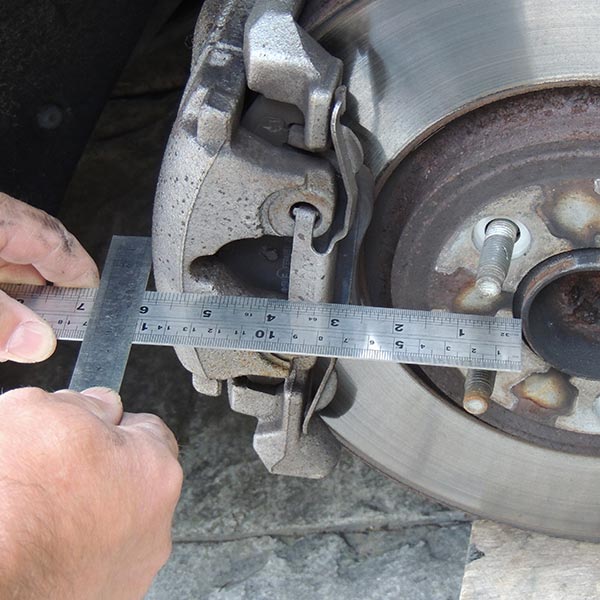
What Brake Caliper Size Means
Brake caliper size refers to the physical dimensions and performance-related measurements of a caliper. It includes the caliper body size, piston diameter, mounting location, and clearance requirements.
Many people think caliper size only means the outside length or width. However, proper brake fitment depends on several measurements working together.
When learning how to measure brake caliper size, focus on the dimensions that affect installation and braking performance.
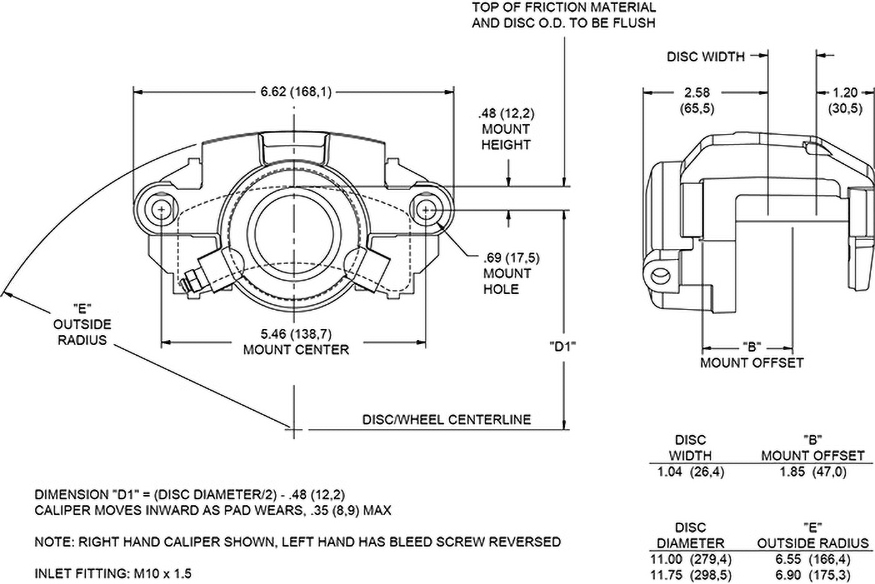
- ✦ Piston diameter
The piston diameter affects hydraulic force and brake pressure.
- ✦ Caliper body dimensions
The height, width, and length determine physical clearance.
- ✦ Mounting measurements
Mounting bolt spacing ensures the caliper fits the correct bracket.
Why Accurate Measurements Matter
Incorrect brake caliper measurements can cause poor fitment, wheel interference, or unsafe brake operation. A small measurement difference can prevent a caliper from fitting correctly.
Professional installers measure every important point before ordering performance brake parts. This simple step saves time and avoids unnecessary returns.
- ✦ Better part selection
Accurate measurements help match replacement calipers with existing brake systems.
Tools Needed to Measure Brake Caliper Size
Before measuring, collect simple tools that provide accurate results. Most brake measurements do not require expensive equipment.
A digital caliper gives the best accuracy for small measurements like piston diameter. A tape measure or ruler works well for larger outside dimensions.
- ✦ Digital caliper
Used for precise measurements of piston diameter and smaller brake parts.
- ✦ Tape measure
Useful for checking overall caliper length and height.
- ✦ Straight ruler
Helps measure simple distances and mounting areas.
- ✦ Notebook or phone
Record each measurement to compare with replacement parts.
Step-by-Step Guide on How to Measure Brake Caliper Size
The best way to understand how to measure brake caliper size is to check each important area separately. Do not rely on one measurement alone.
Start with a clean brake caliper. Dirt, rust, or brake dust can hide edges and create inaccurate readings.
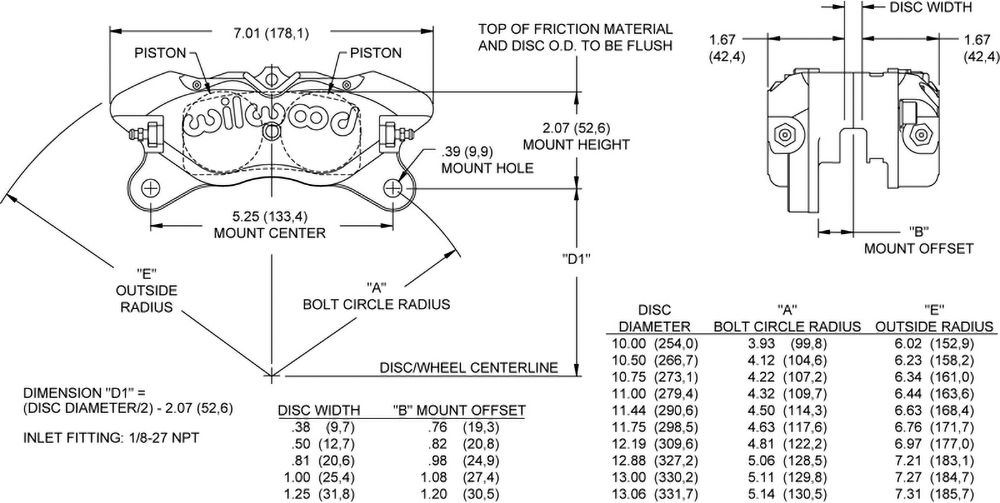
- ✦ Step 1: Measure piston diameter
Measure the visible piston or check manufacturer specifications when direct measurement is not possible.
- ✦ Step 2: Measure caliper height and width
Check the outside dimensions to understand clearance needs.
- ✦ Step 3: Measure mounting points
Record bolt spacing and mounting style before replacement.
- ✦ Step 4: Check rotor clearance
Measure the space needed around the rotor and wheel.
Measuring Brake Caliper Piston Size
The piston size is one of the most important brake caliper measurements. Larger pistons can change hydraulic balance and braking feel.
Use a digital caliper when possible. Measure across the piston surface carefully and record the result in inches or millimeters.
- ✦ Common measurement units
Brake parts are often listed in inches or millimeters depending on the manufacturer.
How to Measure Brake Caliper Clearance for Wheels and Rotors
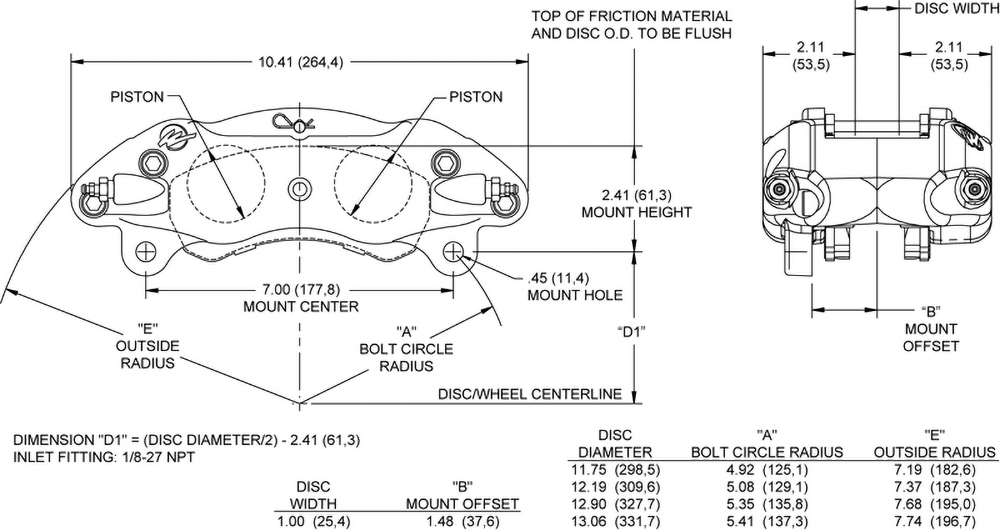
A caliper can have the correct mounting size but still fail to fit because of wheel clearance issues. This is common during aftermarket wheel upgrades.
Measure the distance between the wheel barrel and the caliper body. Also check rotor thickness and diameter compatibility.
When learning how to measure brake caliper size for upgrades, always include clearance checks.
- ✦ Wheel spoke clearance
Make sure the wheel spokes do not touch the caliper.
- ✦ Rotor clearance
Confirm the caliper matches the rotor thickness and diameter.
Common Mistakes When Measuring Brake Calipers
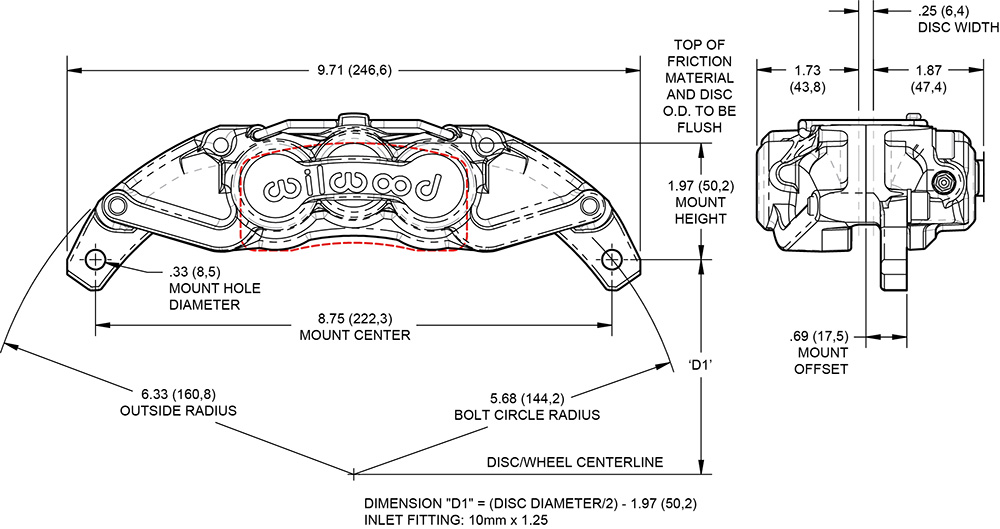
Many brake fitment problems happen because people measure only one part of the caliper. Complete measurements give a much clearer picture.
Avoid rushing the process. A few extra minutes spent measuring can prevent buying the wrong brake components.
- ✦ Only measuring outside length
Outside length alone does not show piston size or mounting compatibility.
- ✦ Ignoring mounting style
Different calipers may use different mounting brackets.
- ✦ Skipping wheel checks
A correctly mounted caliper may still interfere with the wheel.
Checking Manufacturer Specifications
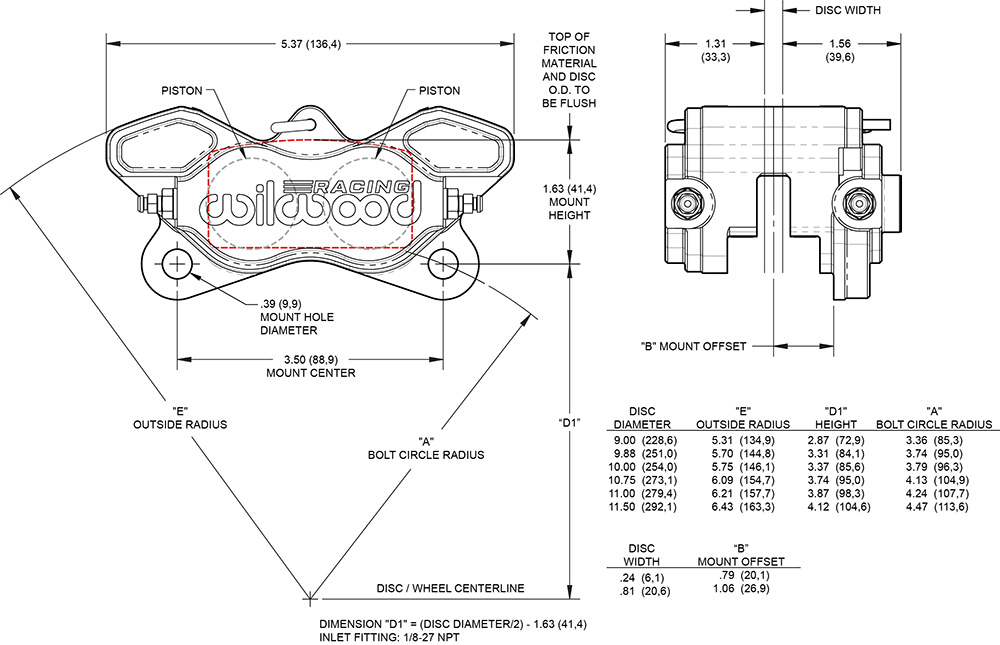
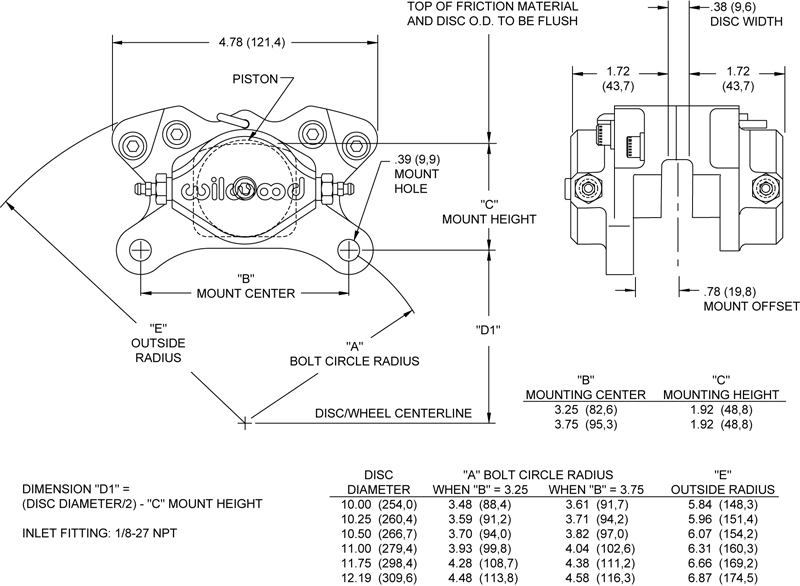
After measuring your brake caliper, compare your numbers with official specifications when available. This helps confirm your results.
Professional brake suppliers often provide detailed drawings that show mounting and clearance information.
Benefits of Knowing Your Brake Caliper Measurements
Understanding how to measure brake caliper size gives vehicle owners more confidence when replacing or upgrading brake parts.
Accurate measurements help you compare products, communicate with suppliers, and make safer choices for your vehicle.
- ✦ Saves money
Correct measurements reduce the chance of buying incompatible parts.
- ✦ Improves safety
Proper brake fitment supports reliable braking performance.
- ✦ Supports upgrades
Measurements help match performance calipers with wheels and rotors.