Are Power Stop Brake Calipers Any Good: Detailed Guide and Facts
Power Stop brake calipers are generally a good choice when you need a properly matched replacement or want a cleaner, more performance-oriented upgrade than a basic stock caliper. Their value depends on the specific product line, vehicle fitment, installation quality, and whether your driving actually requires more braking hardware.
If you are asking, are power stop brake calipers any good, the short answer is yes for many daily drivers, trucks, and street-performance vehicles—but they are not automatically better in every situation. A correctly selected caliper can improve appearance, consistency, and corrosion resistance, while an incorrect or poorly installed caliper can create brake noise, uneven wear, or unsafe braking.
Are Power Stop Brake Calipers Any Good?
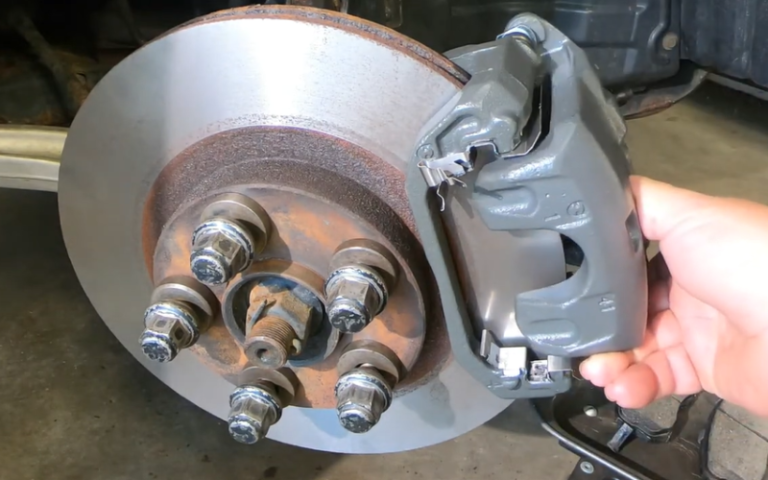
Power Stop calipers are reputable aftermarket components designed to replace worn original-equipment calipers or support a matched brake upgrade. Depending on the application, the company offers replacement-style and performance-focused calipers with features such as protective finishes, new seals, pistons, bleeder screws, and mounting hardware.
The most important distinction is that a caliper does not work alone. Braking performance depends on the complete system, including the brake pads, rotors, brake fluid, hoses, master cylinder, tires, and vehicle stability systems. Installing a more attractive or larger caliper will not automatically shorten stopping distances if the rest of the system is the limiting factor.
For normal street use, a Power Stop caliper can be a sensible choice when it matches the original equipment specifications or is part of a complete Power Stop brake kit. It should be viewed as a replacement or system component, not as a universal performance solution.
What Makes Power Stop Calipers Appealing?
Protective finishes
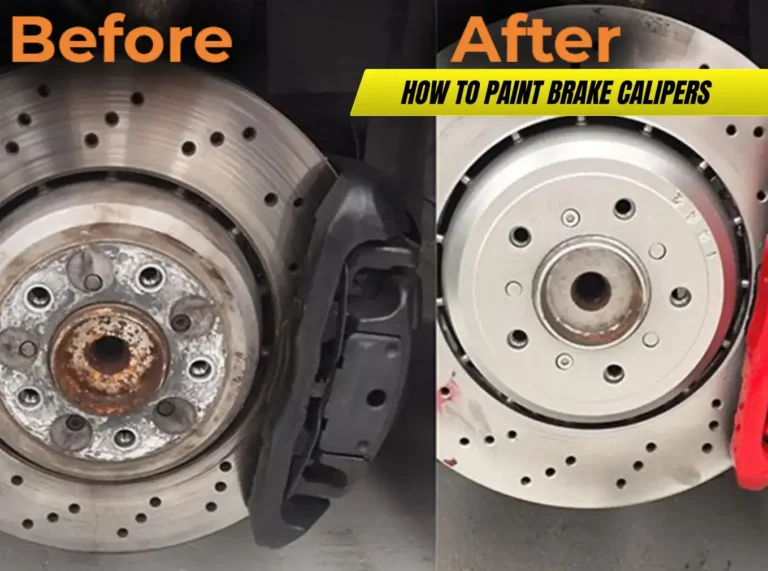
Many Power Stop performance calipers use a painted or powder-coated finish. This gives them a cleaner appearance than a plain cast-iron replacement caliper and can help protect the exterior from moisture, road salt, and surface corrosion.
The finish is mainly an appearance and durability feature. It does not, by itself, make a caliper create more hydraulic force or guarantee shorter stops. In regions where winter salt is common, protective coating can be useful, but the caliper still needs regular inspection.
Application-specific designs
Power Stop lists calipers for specific years, makes, models, engines, axle positions, and brake configurations. That application-based design is important because vehicles that look similar may use different piston sizes, brackets, hose connections, or electronic parking-brake systems.
A correct fit helps preserve the factory balance between front and rear braking. It also reduces the chance of clearance problems with the wheel, brake rotor, brake hose, or suspension components.
Replacement components
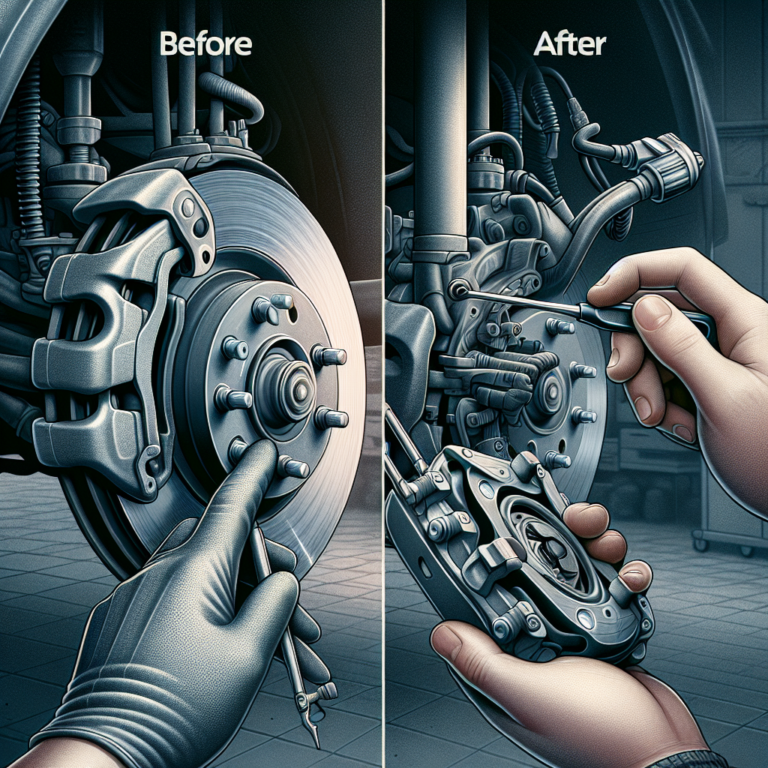
Depending on the listing, a caliper may include some combination of a piston, dust boot, seals, bleeder screw, slide hardware, bracket, or brake pads. The exact contents vary, so I would not assume that every Power Stop caliper is a fully loaded assembly.
New seals and properly prepared internal components can be valuable on an older vehicle. However, buyers should confirm whether the part is new, remanufactured, loaded with pads, or supplied with a bracket. Those details affect both price and installation time.

How They Compare With Factory Calipers
A properly matched Power Stop caliper should provide braking function comparable to the original caliper when it uses the same basic piston arrangement, mounting position, and hydraulic connection. In that situation, the main differences may be finish, included hardware, availability, price, and warranty rather than a dramatic change in stopping power.
Factory calipers have the advantage of guaranteed compatibility with the vehicle as delivered. An aftermarket caliper can offer better value, a coated exterior, or a convenient replacement option, but the buyer must verify the application more carefully.
Performance-oriented Power Stop calipers may be part of a larger brake system designed around specific rotors and pads. Using one component from a performance setup with unrelated stock parts may produce little measurable benefit. It can also create a mismatch in friction characteristics, piston area, or thermal capacity.
For most drivers, the better comparison is not simply brand versus factory. It is a comparison of the complete, correctly matched brake system, the condition of the old parts, and the type of driving the vehicle receives.
Do Power Stop Calipers Improve Braking?
They can improve braking when the original caliper is sticking, leaking, seized, badly corroded, or otherwise unable to apply and release the pads correctly. Replacing a failing caliper may restore normal braking, reduce pulling, and help prevent uneven pad wear.
A replacement caliper usually will not transform a healthy stock braking system by itself. Stopping distance is strongly influenced by tire grip, road conditions, pad friction, rotor condition, brake temperature, and the vehicle’s anti-lock braking system. On public roads, those factors often matter more than a cosmetic upgrade.
Performance calipers can offer advantages under repeated heavy braking if they are designed with suitable piston capacity, rigidity, pad area, and heat management. This is more relevant to towing, mountain driving, autocross, track use, or other demanding conditions than to ordinary commuting.
It is also important to separate brake fade from a weak initial stop. Fade occurs when repeated braking overheats the friction materials or fluid. A larger or better-designed caliper may contribute to a stronger system, but rotors, pads, cooling, and fluid condition are also central to heat control.
Potential Drawbacks to Consider
Fitment mistakes
The most serious risk is ordering the wrong caliper. A vehicle may have different brakes based on trim level, drivetrain, production date, towing package, wheel size, or rear parking-brake design. A part that appears compatible in a general catalog may still be wrong for the vehicle’s exact configuration.
Before ordering, compare the vehicle identification number when possible and verify the caliper position, rotor dimensions, piston count, hose fitting, bracket design, and parking-brake arrangement. Do not rely only on a photograph or a broad “fits many vehicles” description.
Finish damage
Coated calipers can develop chips or corrosion if they are struck by tools, exposed to harsh chemicals, or installed with excessive force. The finish should not be treated as permanent armor. Wheel cleaners should be used according to their labels, and the caliper should not be scraped during pad or rotor service.
Installation quality
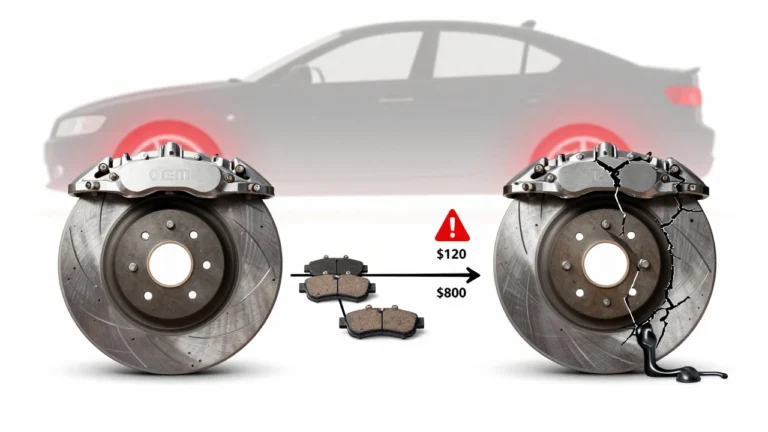
A high-quality caliper cannot compensate for an installation error. Common problems include contaminated friction surfaces, incorrectly routed brake hoses, loose fasteners, damaged slide pins, trapped air, and brake fluid leaks.
Caliper bolts and hose fittings must be tightened according to the vehicle manufacturer’s specifications. The brake system must be bled correctly, and the pedal should be firm before the vehicle is driven. If the caliper uses an electronic parking brake, the required service procedure should be followed rather than forcing the mechanism.
Uneven system matching
Replacing only one caliper can be appropriate when the other caliper is in good condition and the replacement is an exact match. However, replacing calipers as an axle pair may provide more consistent appearance and operation, especially when both original parts are similarly aged.
Front and rear calipers should not be mixed casually. The braking system is engineered around a specific front-to-rear balance. An oversized or incompatible component can affect pedal feel, electronic brake control, and wheel clearance.
When Power Stop Calipers Make Sense
- Replacing a failed caliper: A leaking, seized, or dragging caliper should be repaired promptly, and Power Stop may be a practical replacement option.
- Refreshing an older vehicle: New calipers can be worthwhile when corrosion and worn hardware make the original units difficult to service.
- Improving appearance: Coated calipers provide a neater look behind open-style wheels.
- Completing a matched brake kit: A caliper designed to work with specific Power Stop pads and rotors is more logical than mixing unrelated performance parts.
- Frequent heavy use: Drivers who tow, descend long grades, or repeatedly brake hard may benefit from a system designed for higher heat demands.
They may not be worth the extra cost if the goal is simply to improve a healthy commuter vehicle’s braking performance. In that case, quality stock-style replacement parts, fresh brake fluid, properly serviced slide pins, and good tires may address the real need more effectively.
What to Check Before Buying
Start with exact vehicle fitment. Confirm the year, make, model, engine, drivetrain, trim, axle position, and brake package. If the vehicle has multiple factory brake options, measure or verify the existing rotor and caliper configuration instead of guessing.
Next, read the product description carefully. Check whether the caliper is new or remanufactured, whether a bracket is included, whether pads and hardware are included, and whether the finish is applied to the listed part. Also check the return policy and warranty terms from the seller.
Inspect the surrounding brake parts before deciding. A damaged brake hose can restrict fluid return and make a replacement caliper appear defective. Worn slide pins, a contaminated rotor, a collapsed hose, or a failing wheel bearing can also cause symptoms that are incorrectly blamed on the caliper.
If you are upgrading rather than replacing, confirm wheel clearance. Larger calipers or different brackets can interfere with the inside of the wheel even when the part is listed for the vehicle. Clearance should be checked before final assembly, not after forcing the wheel into place.
Installation and Break-In Essentials
Brake work should be performed with the vehicle safely supported and with clean, compatible tools. Keep grease, oil, and brake fluid off the pad and rotor friction surfaces. Any damaged hose, banjo washer, bleeder screw, or mounting hardware should be replaced as required by the service instructions.
After installation, bleed the system using the vehicle-specific procedure. Check for leaks, confirm that the brake pedal feels firm, and verify that the wheel turns normally without unusual drag. A small amount of normal pad contact is expected, but a wheel that becomes excessively hot indicates a problem.
New pads and rotors typically require a controlled bedding process. Follow the instructions supplied with the pads or kit, and avoid repeated panic stops immediately after installation. Proper bedding helps establish an even transfer layer and can reduce noise and uneven friction.
During the first drives, pay attention to pulling, vibration, grinding, a soft pedal, burning odors, or abnormal heat. Any of these symptoms should be investigated before normal driving continues.
Final Verdict
So, are power stop brake calipers any good? Yes, they can be dependable and worthwhile when the exact application is verified and the caliper is installed as part of a properly matched brake system. They are especially appealing for replacing damaged components, improving caliper appearance, or supporting a complete street-performance setup. They are not a guaranteed braking upgrade by themselves, and careful fitment, installation, pad-and-rotor matching, and inspection matter more than the brand name alone.