Why Would Brake Fluid Leak: Key Facts and Helpful Explanations
Brake fluid leaks are almost always caused by a damaged seal, a corroded brake line, or a loose connection in the hydraulic braking system. The article below explains the specific reasons these failures happen, the signs to watch for, and the practical steps you need to take to address them safely.
Most drivers assume a puddle under the car is just condensation from the air conditioning or normal water runoff. That assumption is reasonable until you notice the fluid is clear or light brown, feels slightly oily to the touch, and the brake pedal has started to feel soft or spongy. The context of a brake fluid leak changes entirely depending on where the fluid is coming from, how fast it is escaping, and what components are involved.
Understanding why the leak is happening matters more than simply topping off the reservoir, because the underlying cause determines whether you are facing a minor repair or a serious safety hazard.
The Hydraulic System and Why It Leaks
Brake fluid is the lifeblood of your car’s braking system. When you press the brake pedal, the master cylinder pushes fluid through steel lines and flexible rubber hoses to the calipers or wheel cylinders at each wheel. That fluid pressure forces the brake pads or shoes against the rotors or drums, slowing the vehicle.
Because the system relies on precise hydraulic pressure, any loss of fluid reduces braking effectiveness.
The system is completely sealed under normal operating conditions. Brake fluid does not burn off like engine oil or evaporate like fuel. If the fluid level in the reservoir is dropping, there is a leak somewhere in the system.
The only exception is worn brake pads, which cause the caliper pistons to extend further and pull more fluid from the reservoir, but that does not create an external leak.
Common Causes of Brake Fluid Leaks
Worn or Damaged Seals
The most frequent source of a brake fluid leak is a failed seal. Seals are rubber components located inside the master cylinder, calipers, and wheel cylinders. They keep fluid contained while allowing pistons to move smoothly.
Over time, heat, contamination, and normal wear cause these seals to harden, crack, or lose their shape.
When a seal fails inside a caliper, fluid typically seeps past the piston and drips down onto the brake pad, rotor, or the inside of the tire. You might notice a greasy film on the wheel or a puddle forming near the tire after the car has been parked. A failing master cylinder seal often causes fluid to leak into the brake booster or down the firewall behind the engine.
Corroded Brake Lines
Brake lines run underneath the vehicle from the master cylinder to each wheel. These are usually made of steel and are exposed to road salt, moisture, gravel, and debris. Corrosion is the primary enemy of brake lines.
Rust can eat through the metal from the outside, creating pinholes that allow fluid to spray or drip out.
The worst part about corroded lines is that the damage is often hidden. The rust may be on the top side of the line, shielded from view, or covered by a protective coating that has cracked and trapped moisture against the metal. A small pinhole can suddenly become a larger rupture under high pressure, causing a rapid loss of brake fluid and a potentially dangerous loss of braking power.
Damaged or Aged Rubber Hoses
Flexible rubber hoses connect the steel brake lines to the calipers and wheel cylinders. These hoses allow the suspension to move while maintaining fluid pressure. Rubber hoses degrade over time due to heat, ozone, and road chemicals.
They can develop cracks, bulges, or weak spots.
A cracked hose may leak fluid slowly, leaving a damp spot on the suspension or inner tire. A bulging hose is a sign of internal separation and can burst without warning. Hoses are also vulnerable to physical damage from road debris, improper lifting, or accidents.
Loose or Failing Connections
Brake lines are joined at various points using fittings and banjo bolts. These connections are designed to be tight and leak-free, but they can loosen over time due to vibration or improper installation. A loose fitting allows fluid to escape around the threads rather than flowing through the line.
Corrosion can also affect the fitting itself, causing the threads to seize or the sealing surface to become pitted. If someone previously worked on the brakes and did not properly torque the fittings, a leak can develop weeks or months later.
Faulty Master Cylinder
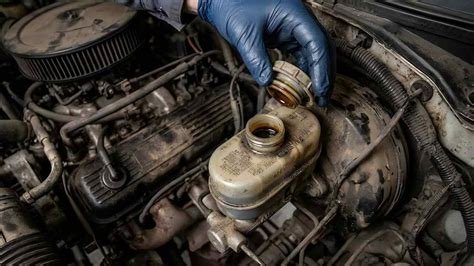
The master cylinder is the component that converts pedal pressure into hydraulic pressure. It contains a reservoir for brake fluid and internal pistons with seals. The master cylinder can fail in several ways.
External leaks often appear at the point where the reservoir attaches to the cylinder body, or where the cylinder mounts to the brake booster.
A leaking master cylinder usually leaves fluid on the firewall, on the top of the brake booster, or dripping down the engine block. You may also notice the brake pedal slowly sinks toward the floor while you are stopped at a light, which indicates internal leakage past the seals.
Failed Wheel Cylinders
Vehicles with rear drum brakes use wheel cylinders instead of calipers. A wheel cylinder contains two pistons that push the brake shoes outward against the drum. The rubber seals inside the cylinder can fail, allowing fluid to leak out.
You might find fluid on the inside of the drum, on the backing plate, or running down the inside of the tire.
Wheel cylinder leaks are common on older vehicles and on cars that sit for extended periods. Moisture in the brake fluid can cause internal corrosion, which damages the cylinder bore and destroys the seals.
Signs That You Have a Brake Fluid Leak
Identifying a brake fluid leak early can prevent more expensive damage and keep you safe on the road. Look for these warning signs:
- Visible fluid under the car: Brake fluid is usually clear, light yellow, or light brown. It is thinner than engine oil and has a slightly oily feel. It may be difficult to distinguish from other fluids, but its location near the wheels or under the engine bay is a clue.
- Soft or spongy brake pedal: Air entering the system through a leak reduces hydraulic pressure. The pedal may feel mushy or travel further toward the floor than normal.
- Brake warning light: Many vehicles have a low fluid level sensor in the master cylinder reservoir. If the fluid drops below a certain point, the warning light on the dashboard will illuminate.
- Braking distance increases: A slow leak may not trigger the warning light but can still reduce braking performance. If the car takes longer to stop or the pedal feels less responsive, have the system inspected.
- Visible wetness on components: Check the inside of the tires, the brake hoses, the calipers, and the area around the master cylinder for any dampness or residue.
What to Do If You Suspect a Leak
If you notice any signs of a brake fluid leak, do not simply add fluid and continue driving. Brake fluid is not consumed during normal operation, so a drop in level always indicates a problem. Driving with a leak is dangerous because braking performance can deteriorate suddenly and without warning.
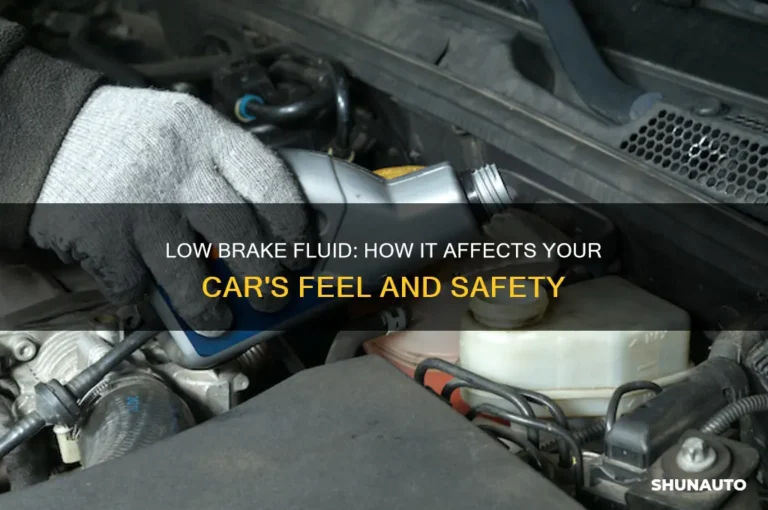
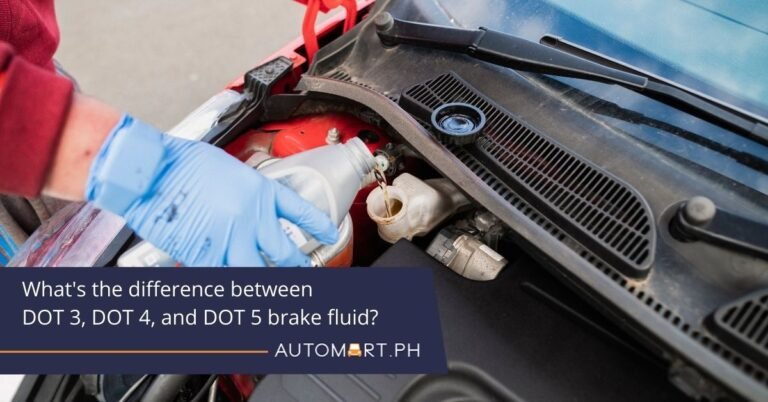
First, check the fluid level in the master cylinder reservoir. If it is low, top it off with the correct type of fluid specified in your owner’s manual. Most modern vehicles use DOT 3 or DOT 4 fluid, but using the wrong type can damage seals and worsen the leak.
Next, visually inspect the obvious areas. Look under the car for drips, check the inside of the wheels for wet streaks, and examine the rubber hoses for cracks or bulges. If you can safely do so, have someone press the brake pedal while you watch the connections for fluid escaping.
Do not touch hot components or put your face near moving parts.
If you cannot identify the source of the leak, or if the leak is significant, do not drive the vehicle. Have it towed to a qualified mechanic. Brake repairs require specialized knowledge and tools, and a mistake can lead to brake failure.
Why You Should Not Ignore a Leak
Brake fluid is hygroscopic, meaning it absorbs moisture from the air over time. This moisture lowers the boiling point of the fluid and can cause internal corrosion. A leak that allows air into the system also allows moisture in, which accelerates damage to expensive components like the master cylinder and ABS modulator.
Ignoring a small leak often leads to a larger, more costly repair. A pinhole in a brake line can become a rupture. A weeping caliper seal can eventually cause the brake pad to become contaminated, requiring replacement of both the pad and the rotor.
More importantly, a sudden loss of brake fluid can result in a complete loss of braking power, putting you and others at risk.
Professional Repair and Prevention
Most brake fluid leaks require professional repair. Replacing brake lines, rebuilding calipers, or replacing a master cylinder involves bleeding the entire hydraulic system to remove air. This procedure requires specific tools and careful attention to detail.
If air remains in the lines, the brakes will not function properly even after the leak is fixed.
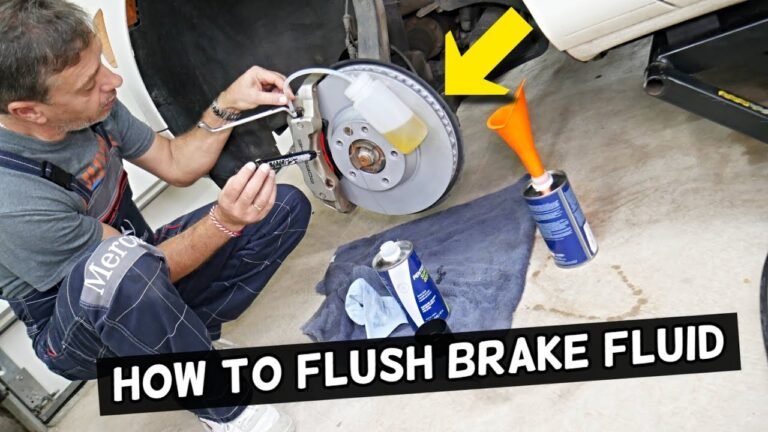
A qualified mechanic will pressure-test the system, inspect all lines and hoses, and replace any worn components. They will also flush the brake fluid if it is contaminated or has been low for an extended period. Regular brake inspections, including checking fluid level and condition, can catch leaks before they become serious.
Conclusion
A brake fluid leak is never a normal condition, and it should never be ignored. The most common causes are worn seals, corroded steel lines, damaged rubber hoses, loose connections, and failures in the master cylinder or wheel cylinders. Each of these issues compromises the hydraulic pressure that makes your brakes work, and the result can range from a soft pedal to a complete loss of braking ability.
If you see fluid under your car, notice a change in pedal feel, or see a dashboard warning light, address the issue immediately. Do not rely on topping off the fluid as a long-term fix. Have a professional inspect the entire system, repair the source of the leak, and bleed the brakes to restore safe operation.
Your safety depends on a sealed, properly functioning hydraulic system, and catching a leak early is the most important step you can take.