When Should You Flush Brake Fluid: Clear Answers and Key Facts
Many drivers assume brake fluid only needs attention when the brakes feel soft. In reality, brake fluid absorbs moisture over time, so the correct service point depends mainly on the vehicle manufacturer’s schedule, the fluid’s age and condition, and the vehicle’s operating environment.
If you are asking when should you flush brake fluid, the practical answer is usually every two to three years unless the owner’s manual gives a different interval. A flush may be needed sooner if testing shows excessive moisture, the fluid is contaminated, the hydraulic system has been opened, or the vehicle has a brake-related warning sign.
When should you flush brake fluid?
Check the owner’s manual first. Automakers specify different brake-fluid service intervals, and some do not list a fixed replacement schedule. When no interval is provided, many repair professionals use a guideline of approximately two to three years, although driving conditions and the vehicle’s brake system can shorten or extend that period.
The important distinction is that brake fluid can deteriorate even when the brake pedal still feels normal. It is not usually replaced because of mileage alone. Time, heat, moisture exposure, contamination and brake-system repairs are more useful factors when deciding whether a flush is due.
A brake-fluid flush is generally appropriate when:
- The manufacturer’s replacement interval has arrived.
- The fluid is several years old and its service history is unknown.
- A moisture or boiling-point test indicates deterioration.
- The fluid appears dark, cloudy or contaminated.
- A brake hose, caliper, wheel cylinder, master cylinder or other hydraulic component has been replaced.
- The hydraulic system was opened or air entered the lines.
- The vehicle has been exposed to unusually severe heat, moisture or demanding braking conditions.
Why brake fluid needs replacement
Most modern brake fluids are hygroscopic, meaning they attract and absorb water from the surrounding air. Moisture can enter through microscopic amounts of permeability in rubber components, through the reservoir vent, or during maintenance when the reservoir is left open.
As water content rises, the fluid’s boiling point falls. Braking creates heat at the calipers or wheel cylinders, and repeated hard braking can transfer that heat into the fluid. If contaminated fluid becomes hot enough, it can produce vapor. Vapor compresses more easily than liquid, which may cause a soft or spongy pedal and reduce braking confidence.
Moisture can also contribute to corrosion inside the master cylinder, brake lines, calipers, wheel cylinders and other hydraulic parts. Replacing old fluid helps remove contaminated fluid and lowers the risk associated with internal corrosion and reduced high-temperature performance.
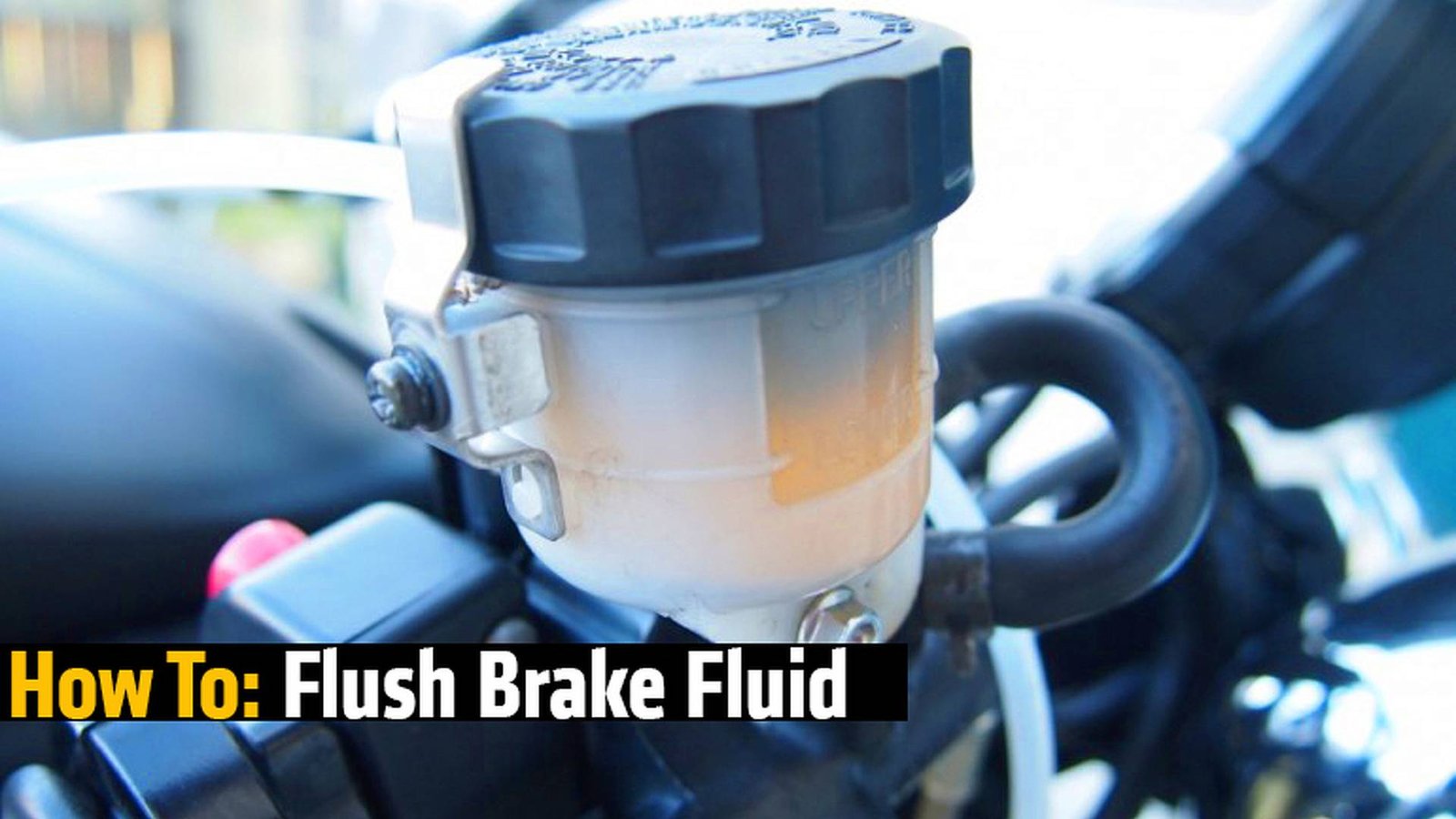
Brake fluid does not become unsafe simply because it changes from clear to amber. Many fluids darken naturally with age. However, a major color change, cloudiness, visible particles or an oily appearance deserves professional inspection rather than a color-based diagnosis alone.
Does mileage determine the service interval?
Usually, no. Brake-fluid replacement is primarily time-based, not mileage-based. A vehicle driven only a few thousand miles may still have old, moisture-laden fluid. Conversely, a vehicle driven many miles in a short period may reach its scheduled service based on time before the fluid has deteriorated severely.
Driving conditions still matter. Frequent stop-and-go traffic, mountain driving, towing, track use, heavy loads and repeated hard braking create more heat. A humid climate can increase moisture exposure, while a vehicle that sits for long periods may still age normally because the hydraulic system remains exposed to ambient conditions.
These conditions do not replace the manufacturer’s recommendations. They simply provide reasons to have the fluid checked sooner if the vehicle works harder than the service schedule assumes.
What are the signs of old or contaminated fluid?
Brake-fluid condition cannot be confirmed reliably by pedal feel or appearance alone. A brake pedal that feels firm does not prove that the fluid is fresh, and a soft pedal does not automatically mean the fluid needs only a flush.
Possible signs that warrant inspection include:
- A soft, spongy or unusually long-travel brake pedal.
- A change in pedal feel after repeated braking.
- Visible darkening, cloudiness or debris in the reservoir.
- A brake-fluid warning light or low-fluid warning.
- Evidence of a leak around the master cylinder, brake lines, calipers or wheel cylinders.
- Brake work that recently opened the hydraulic system.
A soft pedal can also result from air in the lines, a hydraulic leak, worn components, a failing master cylinder or another mechanical problem. A flush alone will not correct those faults. Any sudden loss of braking performance requires immediate attention, and the vehicle should not be driven if safe braking is in doubt.
Flush versus bleed
A brake-fluid bleed removes air from a hydraulic circuit and may replace some old fluid. A brake-fluid flush is a more complete service intended to remove old fluid from the reservoir and brake lines and replace it with the correct new fluid.
Bleeding is commonly performed after a brake component is replaced or whenever air has entered the system. It may also be part of a flush. The exact procedure depends on the vehicle’s design, including the master cylinder, anti-lock braking system and brake-line layout.
Adding new fluid to the reservoir is not a flush. It may temporarily improve the fluid’s appearance at the top of the reservoir while leaving older fluid in the lines and other hydraulic components. A proper service should account for the entire system and avoid introducing air or contamination.
How brake-fluid service is performed
A qualified technician normally begins by confirming the required fluid specification and inspecting the system for leaks or damaged components. The old fluid is removed from the reservoir and replaced with the correct type. New fluid is then moved through the hydraulic circuits until the exiting fluid is clean and free of air.
The technician must maintain the reservoir level during the procedure. Allowing it to run dry can draw air into the system and create additional bleeding work. The technician also checks for a firm pedal, leaks and proper operation before returning the vehicle to service.
Some vehicles require a scan tool or a specific procedure to cycle the anti-lock braking system hydraulic unit. This is one reason a routine-looking flush is not identical for every vehicle. The owner’s manual or factory service information should determine the procedure.
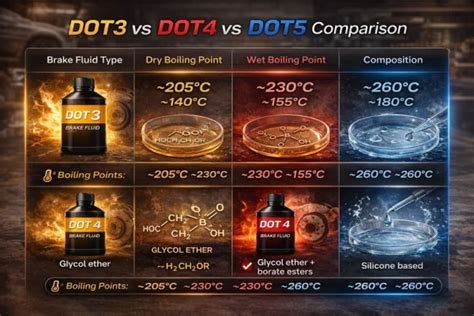
Brake fluid damages many painted surfaces, and different fluid types are not automatically interchangeable. The fluid specification printed on the reservoir cap, listed in the owner’s manual or provided by the manufacturer should be followed exactly. Common glycol-based fluids include DOT 3, DOT 4 and DOT 5.1, while silicone-based DOT 5 is chemically different and should not be substituted unless the vehicle is specifically designed for it.
Can you test brake fluid?
Yes. A shop can estimate moisture content or evaluate the fluid’s boiling point with suitable equipment. These tests can help when the service history is uncertain or when the vehicle operates under severe conditions.
Testing is useful, but it does not always replace the manufacturer’s interval. A test may not identify every form of contamination, and results can vary depending on where and how the sample is taken. If the scheduled replacement date has arrived, replacing the fluid is often more straightforward than relying on a borderline reading.
Visual inspection is less precise. Fluid color may provide a clue, but it cannot reliably measure moisture content or boiling-point performance. I would treat appearance as a reason for inspection, not as the sole basis for deciding whether service is necessary.
When is a flush urgent?
A routine overdue flush is different from an immediate brake-system problem. If the pedal suddenly sinks, braking distance increases, the vehicle pulls sharply while braking, the brake warning light appears, or fluid is visibly leaking, the priority is diagnosis and safe repair.
Do not assume that flushing will solve a low pedal or warning light. A leak can quickly reduce hydraulic pressure, and worn pads can lower the reservoir level. The technician should identify and repair the underlying issue before completing the fluid service.
After a major brake repair, the system may need bleeding or flushing to remove air and replace fluid that was exposed to contamination. The service should be completed before normal driving, with special attention to pedal firmness and leakage.
How often should most drivers plan service?
For many vehicles, a two- to three-year interval is a reasonable general planning point when the manufacturer does not specify another schedule. Some manufacturers recommend a different period, and some vehicles may use a maintenance-monitoring procedure rather than a universal interval.
Record the date and mileage after service, then keep the vehicle’s fluid specification with the maintenance records. If the vehicle’s history is unknown, having the fluid inspected during the next brake inspection is sensible. A technician can check for leaks, contamination and pedal concerns while determining whether replacement is appropriate.
Do not wait for a warning sign if the scheduled interval has passed. Brake fluid can lose moisture resistance and high-temperature performance without producing an obvious dashboard warning or dramatic change in pedal feel.
Conclusion
In most cases, when should you flush brake fluid is answered by the owner’s manual, with two to three years serving as a common general guideline when no manufacturer interval is available. Flush sooner after hydraulic repairs, contamination, severe use or an unfavorable fluid test. Because a soft pedal or warning light may indicate a leak or another serious fault, treat those symptoms as a brake-system inspection issue rather than assuming a fluid flush is the complete fix.