Will Low Brake Fluid Cause Brake Light to Come on: Key Facts
Yes, low brake fluid will cause the brake light to come on. This warning is triggered by a sensor in the master cylinder reservoir, and it is designed to alert you to a drop in fluid level that could compromise your braking power.
However, the light does not always mean you simply need a top-off. In this article, I will explain the specific conditions that cause the warning, the difference between low fluid and a mechanical failure, and the critical steps you need to take to ensure your vehicle remains safe to drive.
The most dangerous aspect of a glowing brake light isn’t the possibility that you need to buy a quart of fluid; it is the high probability that the fluid is disappearing due to a leak or that your brake pads have worn down to the metal. Many drivers assume the warning is a minor maintenance reminder, but it often serves as the first sign of a hydraulic problem that can fail without further notice. Understanding whether your situation is a harmless fluid-level fluctuation or a symptom of a serious system fault is the difference between a quick fix and a costly, potentially hazardous repair.
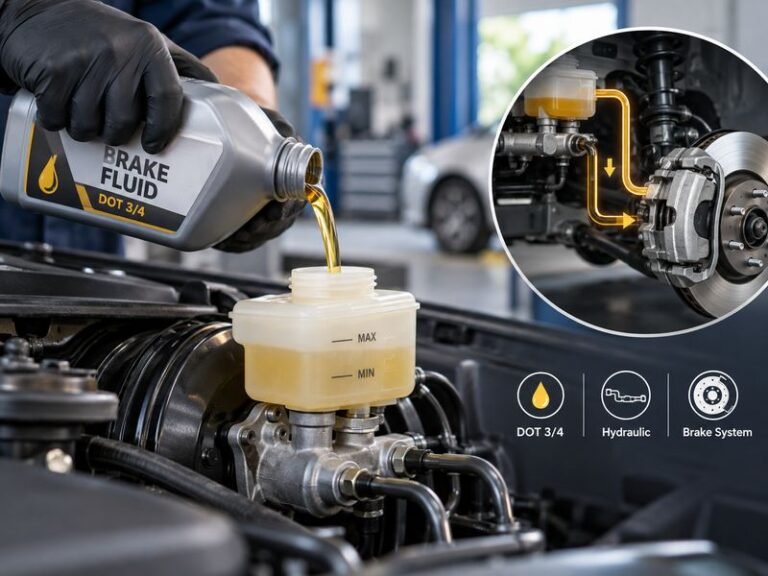
When you press the brake pedal, fluid is forced from the master cylinder through steel lines and flexible hoses to the calipers or wheel cylinders at each corner of the car. This system is completely sealed. If the fluid level is dropping, it means the volume of fluid in the reservoir is decreasing.
The only ways that volume can decrease are if the system is leaking externally, if fluid is bypassing internal seals, or if the brake pads are wearing down and the calipers are extending further to compensate.
The Direct Link Between Fluid Level and the Warning Light
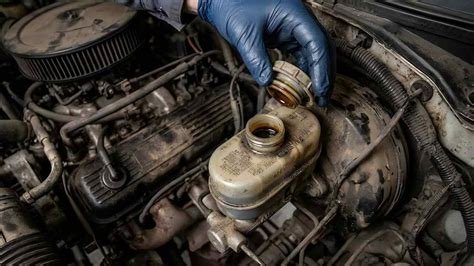
The brake fluid reservoir sits directly on top of the master cylinder, usually mounted on the driver’s side of the engine bay firewall. Inside the reservoir, there is a float mechanism or a set of electrical contacts. When the fluid level drops to a specific minimum threshold—typically when the reservoir is about one-quarter full or lower—the float drops and completes an electrical circuit.
This illuminates the red brake warning light on your dashboard.
It is important to note that this is the same light that illuminates when you engage the parking brake. On most modern vehicles, the light is labeled with a circle and an exclamation point, or the word “BRAKE.” If the light is on and the parking brake is fully released, the most common cause is indeed a low fluid condition.
Why the Fluid Level Drops: Normal Wear vs. A Leak
You cannot assume that a low fluid level always indicates a leak. In fact, the most common reason for the brake light to come on is normal brake pad wear. As your brake pads wear down over thousands of miles, the brake caliper pistons must extend further outward to press the pads against the rotor.
This extension requires more brake fluid to fill the increased volume behind the piston. The fluid is drawn from the master cylinder reservoir, causing the level to drop.
This is a slow, gradual process. If you notice the brake light flickering on during a hard turn or a steep incline, it is often because the fluid is sloshing away from the sensor. However, if the light comes on and stays on steadily, you need to investigate immediately.
A sudden drop in fluid level—such as going from “Full” to “Low” in a matter of days—almost always points to a leak in a brake line, hose, or caliper seal.
The Critical Danger of Driving with Low Fluid
Driving with low brake fluid is not like driving with a low fuel tank. You cannot simply “risk it” to get to the next gas station. Brake fluid is the lifeblood of your hydraulic braking system.
If the fluid level drops too low, air can be introduced into the master cylinder. Unlike liquid, air is compressible. When you press the brake pedal with air in the lines, the pedal will feel spongy or may travel all the way to the floor without effectively engaging the brakes.
If the fluid level drops to the point where the master cylinder cannot draw fluid from the reservoir, you will experience a complete loss of braking power. This is a catastrophic safety failure. Therefore, when the brake light comes on due to low fluid, you should not drive the vehicle until the cause is identified and corrected.
Checking the Fluid Level Safely
If your brake light comes on, the first step is to find a safe, level place to park. Do not simply open the hood immediately after driving; let the engine cool down for a few minutes. Locate the master cylinder reservoir.
It is usually a translucent plastic tank with “MIN” and “MAX” markings on the side. Check the fluid level against these lines.
If the fluid is between the MIN and MAX lines, the sensor may be faulty, or the issue could be related to the parking brake switch or a wiring problem. If the fluid is below the MIN line, you have identified the cause of the warning light. However, your job is not done.
Adding fluid is a temporary fix, not a solution.
The Correct Fluid Type Matters
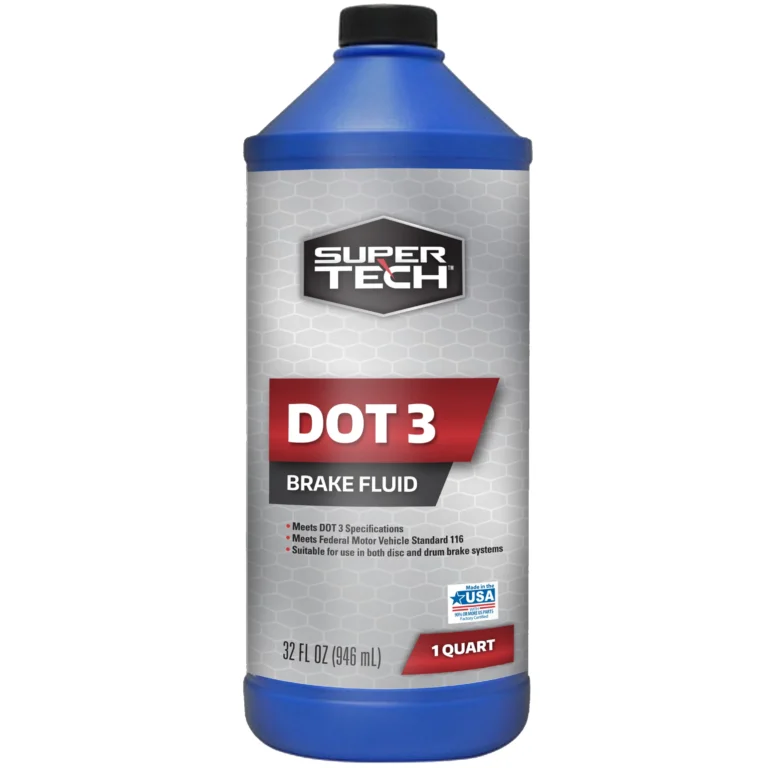
If you must add fluid to get the vehicle to a repair shop, you must use the correct type. The required specification is usually printed on the reservoir cap. It will likely be DOT 3, DOT 4, or DOT 5.1.
Mixing different types of fluid can cause seal damage and brake failure. Do not use DOT 5 silicone-based fluid in a system designed for DOT 3 or DOT 4, as this can cause severe corrosion and brake failure.
When topping off, use fluid from a sealed container. Brake fluid is hygroscopic, meaning it absorbs moisture from the air. An opened bottle of fluid that has been sitting on your garage shelf for years will have absorbed significant moisture, which lowers its boiling point and can lead to internal corrosion.
If you have to top off the fluid, do so carefully to avoid spilling it on painted surfaces, as brake fluid is highly corrosive to automotive paint.
Distinguishing Between Low Fluid and Brake Pad Wear
To determine if your low fluid is due to pad wear or a leak, you need to look at the brake pads themselves. If the fluid is low and the brake pads are thin (less than 3mm of friction material), the low fluid is likely a symptom of the worn pads. When you install new brake pads, the caliper pistons are pushed back into their bores, which forces the old fluid back up into the master cylinder.
This will bring the fluid level back up to the “Full” line.
If the brake pads have plenty of material left, but the fluid is low, you have a leak. Inspect the inside of the front tires, the area around the master cylinder, and the rear brake drums or calipers for signs of wetness or dark, oily residue. A leak can be slow and leave no puddle on the ground, but it will leave a wet trail along the brake line or a damp backing plate.
The Role of the ABS System
Many modern vehicles have a separate warning light for the Anti-lock Braking System (ABS). This light is usually amber and says “ABS.” If the ABS light is on, it indicates a problem with the electronic components, such as a faulty wheel speed sensor or a failed ABS pump. Low brake fluid can sometimes trigger the ABS light, but it is not the primary cause.
If both the red brake light and the amber ABS light are illuminated, it often points to a low fluid condition that has allowed air into the ABS pump. This requires a specialized scan tool to bleed the system properly. This is not a DIY job for most drivers, as air trapped in the ABS module can only be removed using a bidirectional scanner to cycle the valves.
What Happens If You Ignore the Light?
Ignoring the brake light is a gamble with your safety. Initially, you may notice that the brake pedal feels fine. The brakes may still bite hard because there is enough fluid in the system to operate.
However, as the fluid level continues to drop, the pedal will begin to feel lower or softer. You may also notice that the brake pedal slowly sinks toward the floor while you are stopped at a red light. This is a classic sign of an internal master cylinder leak or an external leak, and it requires immediate professional attention.
Driving with low fluid also increases the risk of brake fade. The fluid is responsible for transferring heat away from the brake pads and rotors. If the fluid level is low, the remaining fluid may overheat and boil, creating gas bubbles in the line.
Since gas is compressible, the pedal will become spongy, and your stopping distance will increase dramatically.
Practical Steps to Resolve the Issue
If you have determined that the fluid is low and you suspect normal pad wear, you can schedule a brake inspection. A mechanic will measure the rotor thickness and pad depth. If the pads are worn, they will be replaced, and the system will be bled to remove any air that may have entered.
If you suspect a leak, do not drive the vehicle. Have it towed to a professional. A brake line leak is a critical failure.
Driving on a leaking brake line can lead to a sudden loss of hydraulic pressure, leaving you with no brakes at the worst possible moment. The cost of a tow is far less than the cost of a collision or the repair of a completely locked-up caliper.
The Sensor and Wiring Exception
There is a possibility that the brake light is on due to a faulty sensor, even if the fluid level is correct. The float switch inside the reservoir can stick or fail over time. Additionally, a short in the wiring harness that connects to the reservoir can cause the light to illuminate intermittently.
If the fluid is at the correct level and the parking brake is off, you may need to test the sensor by unplugging the connector at the reservoir. If the light goes out, the sensor is likely faulty and needs replacement. If the light stays on, the issue is in the wiring or the instrument cluster.
The Parking Brake Switch
Before you start diagnosing a sensor issue, always check the parking brake. The same warning light is used for the parking brake engagement. If the brake light is on, ensure the parking brake pedal or lever is fully released.
Sometimes, the switch on the parking brake mechanism fails to disengage, leaving the light on even though the brake is off. A simple adjustment or replacement of this switch can solve the problem.
Why You Should Never Just Top Off the Fluid
The most common mistake drivers make is simply topping off the brake fluid when the warning light comes on. This is dangerous because it masks the underlying problem. If you add fluid to a system with worn brake pads, the light will go off, but the pads are still worn.
You will eventually drive until the metal backing plate grinds into the rotor, causing thousands of dollars in damage and creating a serious safety hazard.
If you add fluid to a system with a leak, the light will go off temporarily, but the fluid will leak out again. You are essentially driving with a ticking time bomb. The only time you should add fluid is to safely drive the vehicle to a repair facility or to determine if the leak is severe.
Final Considerations for Your Brake System
Your vehicle’s brake warning light is a direct communication tool. It is telling you that the hydraulic balance is off. Whether it is a simple matter of worn brake pads or a complex issue with the ABS module, the light requires immediate attention.
Regular maintenance, including checking the fluid level during oil changes, can prevent most of these issues. However, if the light comes on while you are driving, reduce your speed, avoid hard braking, and find a safe place to stop.
Conclusion
The brake light coming on is a clear indicator that your brake fluid level is low, but the root cause dictates the severity of the problem. While worn brake pads are a common and relatively benign reason for the drop, a leak or a failing master cylinder is a critical safety issue that demands immediate professional service. Never rely solely on topping off the fluid to resolve the warning.
Instead, inspect the brake pads for wear and look for signs of leakage. If you are unsure about the condition of your brakes, or if the pedal feels soft or sinks to the floor, have the vehicle towed to a qualified mechanic. Your safety depends on addressing the cause of the low fluid, not just silencing the dashboard light.
The Relationship Between Brake Fluid and the ABS
Modern vehicles often have a single master reservoir that feeds both the standard hydraulic brakes and the **Anti-lock Braking System (ABS)**. When the fluid level drops below a certain threshold, it can trigger a warning light on your dashboard—sometimes the brake light, sometimes the ABS light, and occasionally both simultaneously.
The ABS module relies on consistent hydraulic pressure to function correctly. If the fluid level is too low, the system cannot generate the necessary pressure to modulate the brakes during an emergency stop, which is why the computer will alert you rather than risk a malfunction.
How Temperature and Driving Conditions Affect the Warning Light
Brake fluid expands as it heats up during normal driving. If your fluid level is borderline, you may notice the brake light stays off during short trips but illuminates after extended highway driving or repeated hard braking. This is because the fluid expands slightly when warm, which can temporarily raise the level above the sensor’s trigger point.
Conversely, on a cold morning, the fluid contracts, and the level may dip just low enough to activate the light. If you see the warning light flicker on and off based on temperature or driving conditions, it is a strong indicator that your fluid level is marginal and needs immediate attention.
The Hidden Cost of Neglecting Minor Fluid Loss
Many drivers assume that adding a small amount of fluid is a cheap fix that can wait until the next oil change. However, **low fluid caused by a leak** means air can enter the hydraulic system. Air is compressible, unlike brake fluid, which leads to a spongy brake pedal and significantly reduced stopping power.
Over time, moisture can also contaminate the fluid, lowering its boiling point. Under heavy braking, this moisture can vaporize, creating gas bubbles that cause a complete loss of brake pressure—a scenario that often ends in a collision. The cost of addressing a minor leak early is almost always far less than the cost of replacing damaged calipers, wheel cylinders, or the master cylinder.
Understanding the Master Cylinder Reservoir Markings
When you open the hood to inspect the fluid, you will see a translucent plastic reservoir with markings labeled “MIN” and “MAX” or “FULL” and “ADD.” The fluid should sit between these lines when the vehicle is on level ground and the engine is off.
If the level is at or below the “MIN” line, the warning light will likely activate. However, do not assume that filling to the “MAX” line is always correct. Overfilling can cause fluid to overflow when it expands, which can damage paint and rubber components under the hood.
Always fill to the midpoint or slightly below the “MAX” line for optimal performance.
When the Light Comes On But the Fluid Is Full
If you check the reservoir and the fluid level is perfectly normal, the issue may not be the fluid level at all. A faulty brake light switch, a blown fuse, or a failing wheel speed sensor can all cause the brake warning light to illuminate falsely. In this case, the problem is electrical rather than hydraulic.
You should also inspect the brake pedal position sensor and the wiring harness near the master cylinder for signs of corrosion or damage. If the fluid is full and the brakes feel firm, a professional diagnostic scan is the safest way to identify the underlying fault without guessing.
The Importance of a Brake Fluid Flush Schedule
While topping off fluid addresses an immediate low-level warning, it does not address fluid degradation. Brake fluid is hygroscopic, meaning it absorbs moisture from the air over time. This moisture lowers the boiling point and can cause internal corrosion of brake lines and calipers.
Most manufacturers recommend a **complete brake fluid flush every two to three years** or every 30,000 to 45,000 miles, regardless of the fluid level. If your brake light has come on due to low fluid, it is an excellent opportunity to have the entire system flushed and replaced with fresh fluid, ensuring reliable performance for years to come.
Conclusion
Yes, low brake fluid will absolutely cause the brake light to come on, and it is one of the most critical warnings your vehicle can provide. The light serves as an early indicator of either normal pad wear or a potentially dangerous leak. Never ignore this signal, and never simply top off the fluid without investigating why the level dropped.
A quick visual inspection, a careful check of the reservoir markings, and a prompt visit to a qualified mechanic can mean the difference between a routine maintenance item and a catastrophic brake failure. Your safety depends on addressing this warning immediately and thoroughly.