What Happens When Brake Pads Wear Out? Symptoms, Damage & Risks
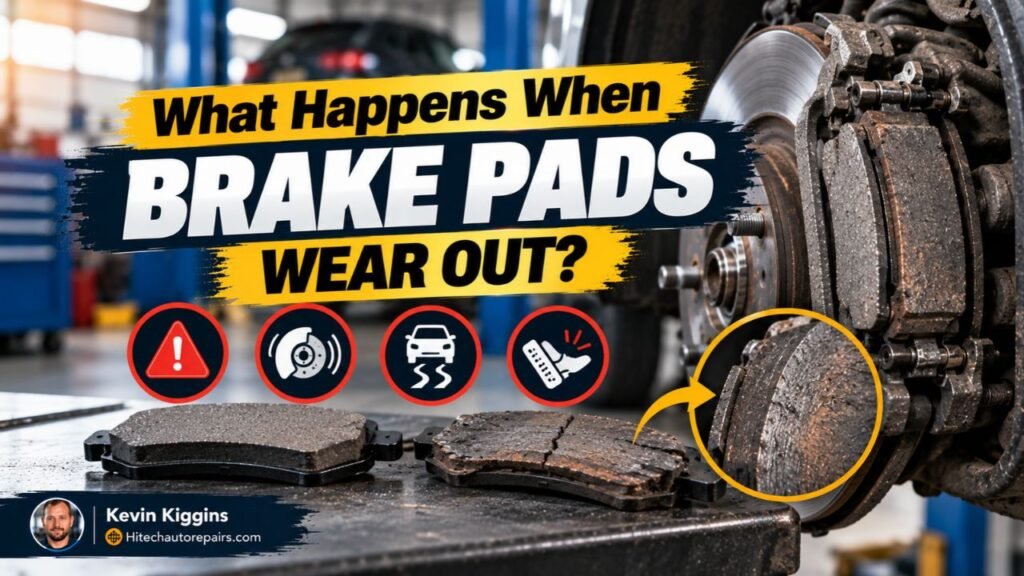
As brake pads wear down, the friction material becomes thinner until the wear indicator may begin squealing. If wear continues, the friction material can disappear completely, leaving the metal backing plate to grind against the rotor. Braking may become noisier, less predictable, and more damaging to other brake parts.
Ignoring worn pads can turn routine brake service into a larger repair. Once metal starts contacting the rotor, deep scoring and heat damage may develop quickly. A driver may also notice longer stopping distances, pulling, vibration, or a change in pedal response.
Replacing pads before they reach that stage protects the rotor and keeps the braking system operating within its intended range. It also reduces the chance that a small maintenance job becomes a pad, rotor, and caliper repair.
A National Highway Traffic Safety Administration functional-safety assessment reported that 32,477 crashes, or 0.58% of crashes in the reviewed U.S. GES data, were at least partly attributed to braking issues. The data covered braking problems broadly rather than worn pads alone, so it should not be treated as a brake-pad-specific crash rate.
The question what happens when brake pads wear out is best answered as a progression rather than a single event. Pads first become thin, warning symptoms may appear, braking surfaces can begin contacting metal-to-metal, and continued driving can damage the rotor and place added stress on the caliper.
From the technical information I reviewed, the clearest warning that pad wear has gone too far is metallic grinding. At that point, the friction material may already be gone, so delaying service risks damage far beyond the pads themselves. Brembo lists rotor damage, noise, and reduced braking capability among the concerns linked with excessive pad wear.
The sections below explain each stage of wear, the symptoms you may notice, what happens to the rotors and calipers, how braking can change, and the signs that mean the vehicle should be inspected before it is driven again.
What Happens When Brake Pads Wear Out?
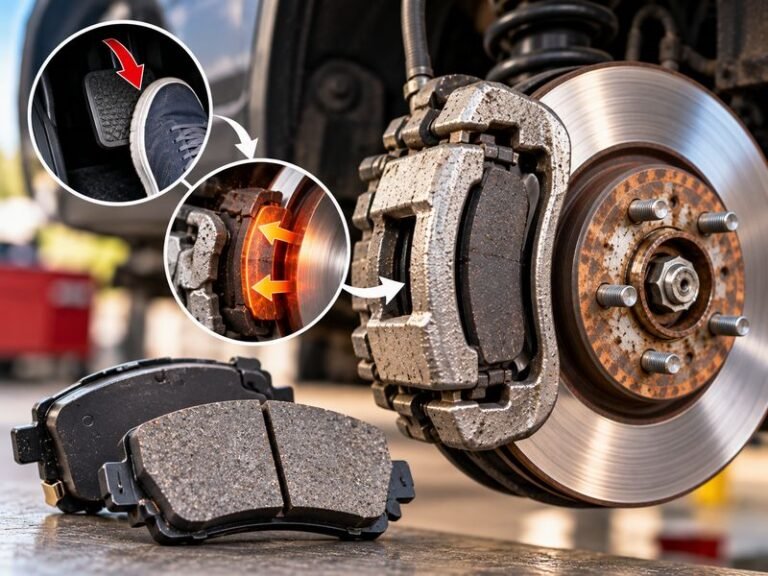
Brake pads are designed to wear. Every time you press the brake pedal, the caliper squeezes the pads against the rotating brake rotor. Friction slows the wheel while gradually removing a small amount of pad material.
Problems begin when the remaining friction material becomes too thin or disappears completely.
The Friction Material Gets Thinner
A brake pad has friction material attached to a metal backing plate. The friction material is the part intended to contact the rotor.
Normal braking slowly reduces its thickness. City traffic, repeated hard stops, heavier vehicles, towing, mountain driving, and a sticking caliper may speed up that process.
Thin pads do not automatically mean the brakes have failed. They do mean the pads are approaching their service limit and need inspection or replacement based on the specifications for the vehicle and brake components.
The Wear Indicator May Start Squealing
Many pads use a small metal wear indicator positioned so it contacts the rotor once the friction material reaches a low level.
This contact often creates a high-pitched squeal during braking. The noise is meant to warn the driver before the backing plate begins grinding directly against the rotor.
Some vehicles use electronic pad-wear sensors instead. In those systems, a dashboard warning may appear when the pads reach their sensor point.
A squeal does not always mean worn pads. Moisture, surface rust, glazing, debris, pad composition, or another brake problem may create similar noises. Persistent braking noise still deserves an inspection.
The Metal Backing Plate Can Contact the Rotor
If the pads continue wearing after the usable friction material is gone, the steel backing plate may begin pressing directly against the rotor.
This is the metal-on-metal stage.
The sound is usually deeper and harsher than a wear-indicator squeal. Drivers often describe it as grinding, scraping, or growling.
Bridgestone states that once the friction material is completely worn away, exposed steel components can contact the brake discs and cause both longer braking distances and disc damage.
Braking Can Become Less Predictable
Brake pads are engineered to create controlled friction against the rotor. Bare metal rubbing against a damaged rotor does not provide the same braking characteristics.
Stopping distance may increase, pedal feel may change, and the vehicle may react differently during harder stops.
Brembo’s technical material on completely worn pads lists very long braking distances and problems with caliper operation among the possible consequences once pad friction material has disappeared.
Key Takeaway: Brake-pad wear progresses from thinning friction material to warning symptoms and, if ignored, metal-to-metal rotor contact. Grinding usually indicates that the repair has moved beyond normal pad wear.
Signs Your Brake Pads Are Wearing Out
Not every worn pad produces the same symptom. Some drivers hear noise first, while others notice a dashboard warning or discover thin pads during inspection.
Squealing or Screeching While Braking
A consistent high-pitched sound during braking may come from a mechanical wear indicator touching the rotor.
This is different from an occasional squeak after rain or after a vehicle has been parked. Moisture can create temporary surface rust that disappears after a few brake applications.
If the squeal returns regularly, inspect pad thickness rather than assuming the sound is harmless.
Grinding or Scraping
Grinding deserves faster attention.
The sound may mean the pad material has worn through and the backing plate is rubbing against the rotor. That contact can cut grooves into the rotor surface.
My preference is to treat a new metallic grinding sound as a stop-and-inspect symptom, not something to monitor for another week.
Longer Stopping Distance
A worn braking system may require more distance to slow the vehicle, especially once pad material is severely depleted or components have been damaged.
A change in stopping response should never be blamed automatically on pads. Brake fluid problems, contaminated pads, worn rotors, hydraulic faults, tires, and other defects may create similar behavior.
Brake Warning or Pad-Wear Light
Some vehicles monitor brake-pad wear electronically.
If a pad-wear warning appears, check the owner’s manual and arrange an inspection. The warning system may differ among makes and models, and not every vehicle uses a dedicated pad sensor.
Do not confuse a pad-wear message with a red hydraulic brake-system warning. A red brake warning combined with a soft pedal, fluid loss, or poor braking may indicate a more serious fault.
Visible Thin Pad Material
On some wheel designs, part of the outside brake pad can be seen through the spokes. A full inspection usually provides a better picture because the inner and outer pads may not wear at exactly the same rate.
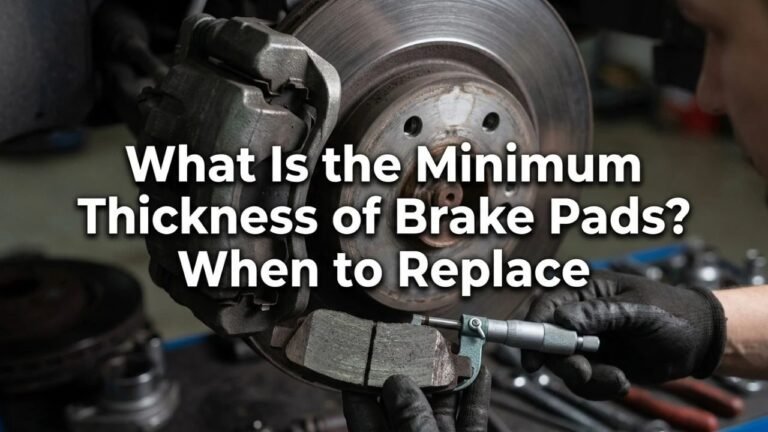
Brembo’s current installation guidance for its automotive pads states that pads should be replaced when the remaining friction material is below 2 mm, or when the wear indicator activates. Vehicle and brake-component specifications still take priority because service limits are not identical in every application.
Pulling or Uneven Braking
A vehicle that pulls during braking may have unequal braking force from one side to the other.
Uneven pad wear can be linked with a sticking caliper piston or guide pins. Ferodo’s brake troubleshooting information connects excessive wear on one side with sticking caliper components and notes that the vehicle may pull during braking.
Pulling has several other possible causes, so pad replacement alone may not fix it.
Key Takeaway: Squealing can warn that pads are getting low, while grinding may mean the friction material is already gone. Pulling, reduced stopping response, or unusual pedal behavior calls for a brake-system inspection rather than a pad-only assumption.
What Happens to the Rotors When Brake Pads Wear Out?
Rotors are meant to work against pad friction material, not the steel backing plate underneath it.
Once the backing plate reaches the rotor, damage may progress quickly.
Rotor Surfaces Become Scored
Metal-to-metal contact can carve circular grooves into the rotor face.
Minor surface marks and deep scoring are not the same thing. A technician needs to inspect rotor condition and measure rotor thickness against the manufacturer’s minimum specification.
Brembo recommends rotor replacement when deep circular scoring is present or the rotor has reached its specified minimum thickness.
Heat Can Increase
Braking naturally produces heat. Severely worn pads and damaged rotors may manage that heat poorly.
High temperatures can contribute to pad deterioration, rotor discoloration, cracking, vibration, or brake fade during demanding braking conditions.
A dragging pad caused by a seized or restricted caliper can make heat problems worse because the pad stays in contact with the rotor even after the pedal is released.
A Simple Pad Job Can Become a Rotor Job
Replacing pads before the backing plates reach the rotors may leave the rotors serviceable if they meet the vehicle manufacturer’s specifications.
Waiting until grinding starts raises the chance that rotor replacement will also be needed.
This is one reason I would not use remaining mileage guesses once a brake begins grinding. The condition of the rotor can worsen with continued metal contact, and mileage alone does not show how quickly that damage is occurring.
Key Takeaway: Fully worn pads can score and overheat rotors. Early pad replacement may preserve usable rotors, while continued metal-to-metal braking often adds rotor inspection or replacement to the repair.
Can Worn Brake Pads Damage the Calipers?
Yes, extreme pad wear can create problems that extend beyond the rotor.
The caliper piston moves outward as pad material becomes thinner. This movement is normal within the operating range of the brake system.
Severe wear can force the piston farther outward than it normally travels.
The Caliper Piston Extends Farther
As the pad gets thinner, the piston must travel farther to keep the pad close to the rotor.
That is one reason brake-fluid level can gradually change as brake pads wear. It does not mean the system should simply be topped off without checking the brakes.
In extreme conditions, excessive component wear may place the piston near the limits of its intended movement.
Brembo warns that severely worn rotors can contribute to increased pedal travel and, in extreme cases, problems with caliper-piston sealing or pad positioning.
Existing Caliper Problems Can Accelerate Pad Wear
The relationship also works in the opposite direction.
A sticking piston or seized guide pin may keep one pad against the rotor. That pad then wears much faster than the matching pad on the other side.
If one pad is almost gone while its partner still has substantial material, replacing the pads without checking the caliper may allow the same wear pattern to return.
Key Takeaway: Worn pads make the caliper piston travel farther, while a faulty caliper can cause pads to wear prematurely. Uneven wear calls for diagnosis of the caliper and slide mechanism before new pads are installed.
Can Worn Brake Pads Cause Longer Stopping Distances?
Yes, severely worn pads can contribute to longer stopping distances, especially once the friction material has disappeared or the rotor has been damaged.
Brake response is affected by more than pad thickness alone, though. Tires, road conditions, rotor condition, brake fluid, calipers, ABS operation, vehicle load, and hydraulic faults all influence how the vehicle stops.
A thin pad that is still above its service limit may continue to brake normally. The bigger concern is allowing wear to progress beyond that limit.
Once the backing plate is contacting the rotor, the system is no longer operating with the intended friction pair. Bridgestone specifically warns that steel-to-disc contact after the friction material is gone can produce excessively long braking distances.
Do not wait for the vehicle to take noticeably longer to stop before servicing worn pads. Pad thickness, wear indicators, and inspection findings provide earlier warning.
Can Brake Pads Wear Out Completely?
Yes. If they are not replaced, the friction material can wear away until little or none remains.
At that stage, the pad’s steel backing plate becomes the contact surface.
The vehicle may still produce some braking force, which can give a driver false confidence. That does not mean the brake is safe to continue using.
What Metal-on-Metal Braking Feels Like
Common signs may include:
- Loud grinding or scraping
- Harsh vibration through the pedal or steering wheel
- Rough braking feel
- Reduced braking response
- Pulling during braking
- Visible rotor scoring
- Brake warning messages on some vehicles
A burning smell or unusual heat from one wheel may point to a dragging brake or another brake fault rather than wear alone.
Can a Pad Actually Separate?
Pad friction material can sometimes crack, crumble, or separate from its backing plate because of corrosion, overheating, contamination, sticking components, or other damage.
Ferodo notes that friction-material separation can lead to loss of braking action at the affected pad.
That type of failure is different from gradual, even wear and deserves immediate inspection.
Key Takeaway: Brake pads can wear all the way to their steel backing plates. Grinding, material separation, or major changes in braking response mean the system has moved beyond normal maintenance wear.
How Long Can You Drive With Worn Brake Pads?
There is no safe universal mileage answer.
Remaining pad life changes with pad thickness, pad material, driving conditions, vehicle weight, caliper condition, rotor condition, terrain, traffic, and braking style.
A pad that is merely approaching its service limit is very different from a pad that is already grinding.
If an inspection finds that the pads have reached the manufacturer’s replacement limit, arrange replacement rather than trying to calculate how many miles remain.
If you hear metal-on-metal grinding, experience a major change in braking, see a red brake-system warning, or notice a pedal that suddenly becomes soft or sinks unusually far, avoid continuing normal driving. Have the braking system inspected and use towing or roadside assistance when the vehicle cannot be driven safely.
Safety Tip: A brake pedal that suddenly sinks, major brake-fluid loss, or sharply reduced braking force may indicate a hydraulic problem rather than ordinary pad wear. Those symptoms require immediate attention.
What Should You Do When Brake Pads Are Worn Out?
Replacing worn pads is only part of the job. The condition and wear pattern can reveal problems elsewhere in the brake system.
Replace Pads as an Axle Set
Brake pads are normally replaced on both wheels of the same axle rather than replacing only one worn pad.
Brembo’s current automotive installation instructions state that its pads should be replaced as complete axle sets.
This keeps compatible new friction material on the left and right sides.
Inspect the Rotors
Check both rotor faces for:
- Deep scoring
- Cracks
- Heavy rust or pitting
- Heat spots or discoloration
- Uneven surfaces
- Thickness below the manufacturer’s limit
Rotor thickness should be measured correctly rather than judged only by appearance.
Check for Uneven Wear
Compare the inner and outer pads and compare the left side with the right side.
Large differences may point to a sticking piston, seized slide pin, pad binding in the bracket, damaged hardware, or another mechanical problem.
I would want the cause identified before installing a fresh set of pads. New friction material does not correct a seized caliper.
Inspect Brake Hardware and Calipers
Caliper slides should move as intended, pad contact areas should be in suitable condition, and damaged hardware should be corrected during brake service.
Brake friction surfaces must stay free of oil and grease. Brembo warns that contamination of pad friction material with lubricants can impair braking and may require pad replacement.
Follow Vehicle Service Information
Pad thickness limits, caliper procedures, torque specifications, electronic parking-brake procedures, and bedding instructions differ among vehicles.
Use service information for the exact year, make, model, brake package, and installed components.
Key Takeaway: A worn-pad repair should include rotor inspection and a check for uneven wear, caliper problems, damaged hardware, and contamination. Replacing pads alone may miss the reason they wore abnormally.
What Happens If You Ignore Worn Brake Pads?
Ignoring low pads tends to move the repair through several stages.
First, the pads become thin and may trigger a squealer or electronic sensor.
Next, the friction material may disappear. The backing plate can then contact the rotor.
Continued driving may score the rotor, create more heat, cause vibration, reduce braking quality, and place extra demand on caliper components.
At that point, the job that might have required pads alone may also require rotors, hardware, or caliper work.
The more serious concern is braking response. If the vehicle no longer slows consistently, driving should stop until the fault is inspected.
Conclusion
What happens when brake pads wear out starts with gradual loss of friction material and can end with metal backing plates grinding directly against the rotors. The first warnings may be squealing, a pad-wear light, or visibly thin material. Grinding means the situation is much farther along.
Replacing pads before metal-to-metal contact gives the rotor a better chance of remaining serviceable. Once grinding begins, the rotor should be checked for scoring, thickness loss, heat damage, and other defects. Uneven pad wear also calls for caliper and slide inspection.
I would treat pad-wear warnings as maintenance signals and grinding as a reason for prompt brake inspection. If braking response changes sharply, the pedal becomes abnormal, or a serious brake warning appears, do not rely on the pads alone as the diagnosis.
FAQs About Worn-Out Brake Pads
What Happens If Brake Pads Wear Down to Metal?
The pad’s steel backing plate can begin rubbing directly against the brake rotor. This usually creates loud grinding or scraping and can cut grooves into the rotor.
Braking response may also worsen because the brake is no longer using the intended friction material against the rotor.
Can Worn Brake Pads Damage Rotors?
Yes. If pad material wears away far enough, the backing plate may contact and score the rotor.
Deep scoring, excessive rotor wear, cracking, or other damage may mean the rotor needs replacement rather than just new pads.
Will Worn Brake Pads Make a Grinding Noise?
They can. Grinding is commonly associated with severe wear after the friction material has become extremely thin or disappeared.
Brake grinding can also have other causes, so the system should be inspected rather than diagnosed by sound alone.
Can Worn Brake Pads Cause a Soft Brake Pedal?
Pad wear can change piston position and pedal travel, but a distinctly soft or sinking pedal should not automatically be blamed on pads.
Air in the hydraulic system, leaking brake fluid, master-cylinder faults, overheated fluid, or other hydraulic problems may produce a soft pedal. A sudden pedal change deserves prompt inspection.
Can Worn Brake Pads Make the Car Pull to One Side?
Yes, uneven pad wear may contribute to pulling during braking.
A sticking caliper piston or slide can cause one side to wear faster than the other. Tire problems, alignment faults, hydraulic restrictions, and suspension issues may also cause pulling, so a full diagnosis is needed.
Do Brake Pads Stop Working When They Reach the Wear Indicator?
No. A wear indicator normally warns that the pads are approaching replacement condition rather than instantly removing all braking ability.
The warning should still be taken seriously because continued wear can expose the backing plate and damage the rotor.
Should I Drive If My Brakes Are Grinding?
Normal driving is a poor choice once the brakes produce persistent metal-on-metal grinding. The pads may already be worn through, and continued use can damage rotors and reduce braking quality.
If braking feels weak, the pedal behaves abnormally, or the vehicle does not feel safe to stop, arrange towing or roadside service instead of driving it to a repair shop.