Will Low Brake Fluid Cause Squeaking: Clear Answers and Key Facts
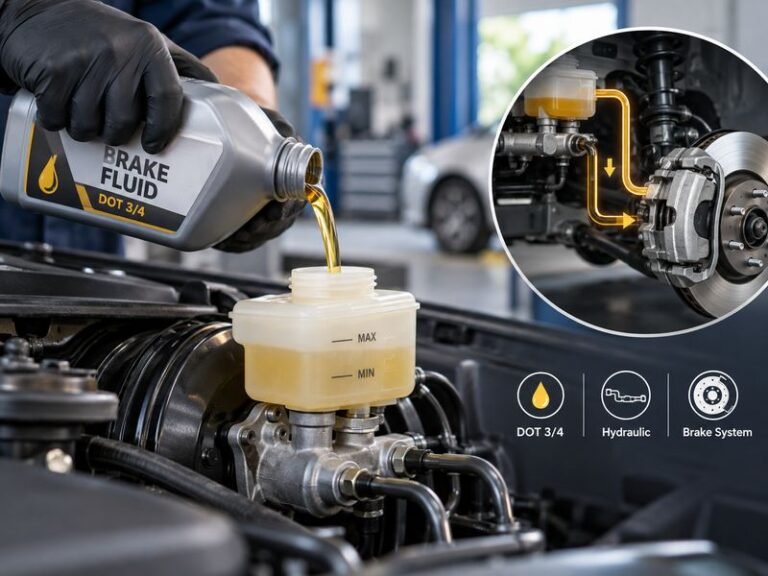
To understand why low brake fluid might cause squeaking, it helps to know what the fluid actually does. Your braking system relies on hydraulic pressure, and brake fluid is the medium that transfers the force from your foot on the pedal to the brake calipers or wheel cylinders. This pressure forces the brake pads or shoes against the rotors or drums, creating the friction that slows your vehicle.
Brakes often make noise for reasons that seem obvious at first, but the real cause is frequently hiding in a detail you didn’t consider. A high-pitched squeal can send you searching for the most dramatic explanation, yet the truth is usually tied to how the entire hydraulic system behaves under pressure. When you press the pedal, you are not just squeezing a pad against a rotor; you are relying on a sealed column of fluid to transmit every ounce of force. If that fluid level drops, the physics of the system changes in ways that are easy to misread.
Most drivers assume that a squeak means the brake pads are worn down to the metal indicator. That is certainly a common culprit, but it is not the only one. The condition of the brake fluid affects pedal feel, stopping distance, and even the angle at which the brake pads meet the rotor. When the fluid level is low, the caliper pistons have to travel further to generate the same clamping force, which can alter the vibration and noise characteristics of the entire braking event.
The key to understanding this issue lies in recognizing that brake fluid does not simply disappear. If the reservoir is low, the fluid has gone somewhere, usually out of a leak or into a component that has worn past its service limit. That underlying loss is what creates the conditions for noise, not the fluid itself acting as a lubricant or dampener. The squeak is a symptom of a mechanical problem that was triggered by a hydraulic failure, and treating the noise without addressing the fluid loss is a temporary fix at best. The following sections break down exactly how these systems interact, what sounds to listen for, and when a squeak points directly to a fluid problem rather than a pad issue.
Understanding the Role of Brake Fluid in Your
When the fluid level drops, the system loses hydraulic pressure and can behave unpredictably. However, the fluid itself is not what makes the squeaking noise. Instead, the noise is almost always a secondary symptom of a deeper mechanical issue that is often accompanied by low fluid.
Recognizing this distinction is critical for proper diagnosis.
The Direct Link
Low brake fluid rarely causes a squeak on its own, but it creates the perfect environment for squeaking to occur. The most common scenario involves **worn brake pads**. As brake pads wear down, the caliper piston must extend further to maintain contact with the rotor.
This extension requires more brake fluid to remain in the reservoir. If your fluid level is low, it is often a sign that your pads are significantly worn and have reached the point where their built-in wear indicators—small metal tabs—are now scraping against the rotor.
That scraping is the high-pitched squeal you hear. In this case, the low fluid is a warning sign, not the direct cause. The actual squeak comes from metal-on-metal contact or from the vibration of the worn pad against the rotor surface.
Ignoring this combination of symptoms can lead to costly rotor damage or complete brake failure.
Other Squeaking Causes Unrelated to Fluid Level
It is equally important to recognize that squeaking can happen with a perfectly full brake fluid reservoir. Several other factors can produce identical noises, which is why you should not assume low fluid is the culprit without a visual inspection.
- Glazed brake pads: Hard braking can create a shiny, hardened surface on the pad material, causing a squeal during normal stops.
- Moisture or corrosion: Humidity can cause a thin layer of rust to form on the rotor surface overnight. This is often a brief morning squeal that disappears after a few stops.
- Loose hardware: Missing anti-rattle clips or worn shims allow the caliper or pads to vibrate, producing a metallic squeak.
- Contaminated fluid: Brake fluid absorbs moisture over time, lowering its boiling point and potentially causing vapor lock, which can lead to unusual noises and a spongy pedal.
Because these issues do not necessarily consume fluid, a squeak with normal fluid levels points to a different repair path. Always check the fluid level first, but be prepared to investigate the pads, rotors, and hardware if the reservoir is full.
When Low Fluid Causes a Different Noise: The Grinding Distinction
While squeaking is often the first audible clue, severely low brake fluid can lead to a much more ominous sound: a deep grinding or growling noise. This occurs when the brake pads are completely worn through, and the metal backing plate directly contacts the metal rotor. This is not a squeak but a harsh, continuous scraping sound that occurs even without applying the brakes.
If you hear grinding, your fluid level is likely very low because the caliper pistons have extended to their maximum limit. At this stage, the brake system has lost its ability to generate adequate clamping force, and the vehicle’s stopping distance increases dramatically. **Do not drive the vehicle** if you hear grinding; have it towed to a professional immediately, as the rotors are likely beyond resurfacing and will need replacement.
How to Check Your Brake Fluid Safely and Accurately
Properly checking your brake fluid is a simple task that can prevent misdiagnosis. First, park on a level surface and ensure the engine is off. Locate the master cylinder reservoir, usually a translucent plastic container mounted on the driver’s side firewall near the back of the engine bay.
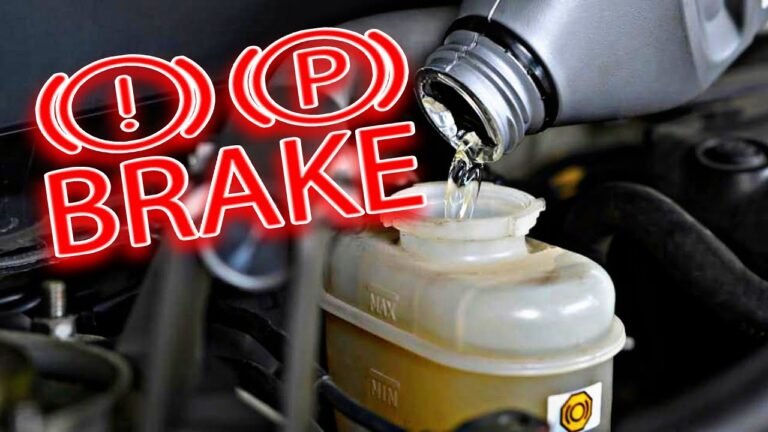
Most reservoirs have “MIN” and “MAX” markings on the side.
Clean the area around the cap before opening it to prevent dirt from entering the system. The fluid should be between the two lines. If it is below the “MIN” line, you have a leak or severely worn pads.
Also, inspect the fluid’s color: fresh fluid is light amber or clear, while old fluid turns dark brown or black, indicating contamination that may require a flush.
Warning: Brake fluid is highly corrosive and will damage painted surfaces. Use a clean rag and avoid spilling any fluid on your vehicle’s body panels. Also, never mix different types of brake fluid (DOT 3, DOT 4, DOT 5) unless specified by your owner’s manual.
Practical Steps to Address Low Fluid and Squeaking
If you confirm that your brake fluid is low and you hear squeaking, do not simply top off the reservoir and assume the problem is solved. Topping off the fluid without addressing the root cause can mask a dangerous condition and lead to brake failure. Instead, follow this practical sequence of steps.
- Inspect for visible leaks: Check the inside of your wheels, the brake lines, and the master cylinder for wet spots or drips. A leak requires immediate professional repair.
- Examine brake pad thickness: Look through the spaces between the wheel spokes. The outer pad should have at least 1/4 inch of friction material. If it is thinner, replacement is necessary.
- Do not drive if pedal feels soft: If the brake pedal sinks to the floor or feels spongy, you have air in the lines or a hydraulic failure. This is an emergency condition.
- Schedule a brake inspection: If the pads look fine and there are no leaks, have a mechanic inspect the caliper slides and hardware for wear.
Adding fluid is only a temporary measure to get you to a repair shop. The correct long-term solution involves replacing worn components and bleeding the system to remove any air that may have entered due to the low level.
Safety Limitations and When to Seek Professional Help
Understanding the relationship between low fluid and squeaking is useful, but it does not replace a professional diagnosis. Brake systems are safety-critical, and a misdiagnosis can have fatal consequences. If you are not confident in your ability to inspect the pads, rotors, and hydraulic lines, you should not rely on guesswork.
Certain symptoms demand immediate professional attention, regardless of what you read online. These include a brake warning light illuminated on your dashboard, a pedal that feels hard and unresponsive, or any visible fluid pooling under the vehicle. Additionally, if your vehicle pulls to one side during braking, you may have a seized caliper or a collapsed brake hose, which are not related to fluid level but require specialized tools to fix.
Remember that DIY brake fluid top-offs are only acceptable if you have confirmed a slow evaporation loss over several months, which is rare. Most modern brake systems are sealed, so any significant fluid drop indicates a leak or component wear. When in doubt, err on the side of caution and have a certified technician evaluate the entire system.
Preventive Maintenance to Avoid Future Squeaks and Fluid Loss
The best way to avoid the anxiety of low fluid and squeaking brakes is to adhere to a regular maintenance schedule. Most manufacturers recommend a brake fluid flush every two years or 30,000 miles, but you should visually inspect the fluid level at every oil change. This simple habit allows you to catch slow leaks before they become emergencies.
Additionally, replace your brake pads proactively before they reach the wear indicators. Premium ceramic pads tend to produce less dust and noise than semi-metallic pads, but they also wear differently. Always use the pad type recommended by your vehicle’s manufacturer to ensure proper fit and noise-free operation.
Regular cleaning of the caliper slide pins and applying high-temperature brake grease during pad replacement will also eliminate most squeaks caused by vibration.
Conclusion: Low Fluid Is a Warning, Not the Noise Source
In summary, low brake fluid does not directly cause squeaking, but it is a reliable indicator that your brake pads are likely worn to the point where they are producing noise. The squeak originates from metal wear indicators or vibrating components, not from the hydraulic fluid itself. Always treat a low fluid level as an urgent warning to inspect the entire braking system for leaks and pad wear.
Addressing the root cause—whether worn pads, a leak, or contaminated fluid—will resolve the squeak and, more importantly, keep you safe on the road. Never delay a brake inspection when you notice this combination of symptoms, as the cost of neglect is far higher than the cost of timely repair.