Why Does My Parking Brake Keep Automatically Engaging? Causes
Your parking brake may keep automatically engaging because the vehicle is programmed to apply its electronic parking brake (EPB) when you shift into Park, turn off the ignition, or leave Auto Hold active. Opening the driver’s door, unfastening the seat belt, or stopping for an extended period can also trigger automatic application on certain models. Repeated activation under unexpected conditions, however, may indicate a switch, sensor, wiring, or brake-actuator fault.
The important clue is when it happens. An electric parking brake that applies each time you select Park may be functioning exactly as intended. One that applies unexpectedly while moving, refuses to release, or displays a malfunction warning needs a different response. The dashboard message also matters because automatic brake hold and the parking brake are related but separate functions.
Understanding those differences can save you from replacing working parts or overlooking a dangerous brake problem. Below are the usual automatic triggers, possible faults, safe checks you can make while parked, and situations that call for professional diagnosis.
Why Does My Parking Brake Keep Automatically Engaging?
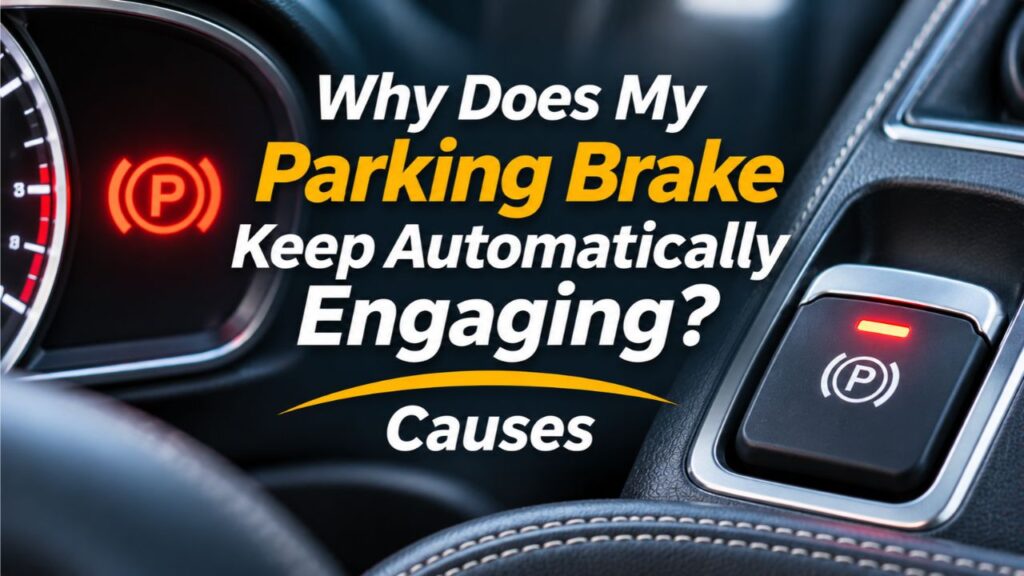
On many newer cars, the electronic parking brake is linked to the transmission, brake-hold controls, and driver-exit safeguards. The car may apply it automatically even when you never touch the parking-brake switch. These features are intended to keep a stopped or parked vehicle from rolling.
Automatic Parking Brake Application When Shifting Into Park
Some vehicles have an automatic EPB mode that engages the parking brake whenever the shifter moves into P (Park). It may also release automatically when the driver selects a driving gear and the required conditions are met. This is normal behavior, not proof of a sticking caliper or faulty switch.
For example, Toyota’s official parking-brake instructions describe a selectable automatic mode that applies the parking brake when the transmission enters Park. The document also lists automatic application during certain vehicle-exit conditions. Features and settings vary by model, so check your specific owner’s manual.
Auto Hold Hands Control to the Parking Brake
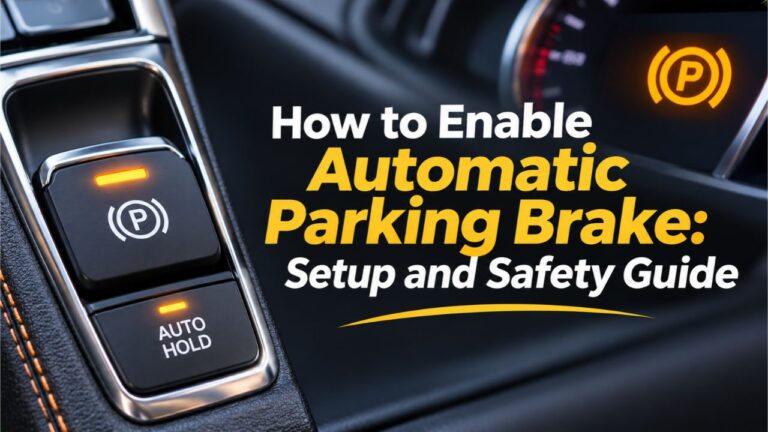
Auto Hold keeps a stopped vehicle stationary after you release the regular brake pedal. Depending on the design, it initially holds hydraulic brake pressure rather than applying the parking-brake mechanism. If the vehicle remains stopped too long or detects another condition, it can transfer the holding job to the EPB.
Hyundai’s Auto Hold owner’s manual describes automatic EPB application after more than 10 minutes at a standstill, on a steep slope, or when a door or hood is opened while Auto Hold is operating. That 10-minute condition applies to the documented system, not every vehicle.
Door, Seat Belt, and Vehicle Shutdown Safeguards
Some cars apply the parking brake when the driver’s door opens, the seat belt is released, or the ignition is switched off while the car is stopped. The exact combination of conditions differs among manufacturers, and opening a door does not automatically engage every vehicle’s parking brake.
If the brake engages each time you prepare to exit, first look for an auto-apply or exit-protection feature. If it suddenly begins engaging while the door is firmly closed, a faulty door-latch status signal is one possible cause.
Hill Parking and Driver-Assistance Conditions
An EPB may apply or adjust its clamping force when the vehicle is parked on a slope. Some driver-assistance functions also hand over to the parking brake after a prolonged stop or a change in operating conditions. These events should occur under the rules in the owner’s manual; they are not permission for the brake to engage unpredictably during normal driving.
Automatic Brake Hold vs. an Electronic Parking Brake
The two functions can display different indicators and feel similar from the driver’s seat. Knowing which one is active helps explain repeated engagement.
| Feature | Auto Hold | Electronic Parking Brake |
| Main purpose | Keeps the vehicle stopped during a driving pause | Secures the vehicle when parked |
| Typical activation | Brake-hold button, followed by a complete stop | EPB switch or automatic vehicle command |
| How it commonly holds | Hydraulic service brakes | Electric motor and mechanical parking mechanism |
| Typical release | Accelerator input when driving conditions permit | Switch or approved automatic release |
| Possible handover | May transfer to EPB after set conditions | May engage when Auto Hold ends |
A green AUTO HOLD indicator commonly means the vehicle is actively being held. A red parking-brake indicator usually means the EPB is applied. Colors and symbols are not identical across all cars; use the manual to identify yours. Automatic emergency braking, which responds to a potential collision, is another separate system and should not be confused with the parking brake.
Problems That Can Cause Unexpected Parking Brake Engagement
If the brake applies repeatedly outside its documented automatic conditions, inspect the system rather than assuming its automatic feature is responsible.
Faulty Door-Latch or Seat-Belt Status Sensor
The EPB controller may receive information about the driver’s door and seat belt. An intermittent door-latch switch can report that the door is open when it is closed, potentially triggering a protective response on vehicles programmed for that behavior. Check whether the dashboard also displays a door-open or seat-belt warning at the same moment.
Damaged Parking-Brake Switch or Wiring
A sticking EPB switch, spilled liquid around the switch, loose electrical connections, or damaged wiring may create unexpected commands or fault warnings. These symptoms need proper electrical testing. Avoid removing switch trim or shorting electrical terminals in an attempt to stop the brake from engaging.
Sticking Caliper Motor or Mechanical Actuator
Sometimes the brake isn’t engaging again; it never fully released. A binding parking-brake mechanism, seized rear caliper component, or faulty actuator can leave the rear brakes dragging after the dashboard says release was requested. Resistance when accelerating, unusual rear-wheel heat, or a scraping sound needs immediate attention.
Low Battery Voltage or Electrical System Problems
Electronic parking brakes depend on electrical power and control modules. A weak 12-volt battery, poor connection, or charging problem may cause fault messages or prevent normal operation. Low voltage does not automatically mean the system is commanding the brake on, so test the battery and fault codes rather than making that assumption.
Ford’s electric parking brake owner’s manual warns that insufficient battery charge can prevent application or release and explains that automatic drive-away release depends on conditions such as a closed driver’s door and no detected parking-brake fault.
Control Module, Sensor, or Software Faults
The parking-brake module may use information from the transmission, stability-control system, vehicle-speed signals, and driver-assistance controls. An incorrect input or software fault can cause unusual warnings or behavior. A technician should read EPB, ABS, and related module codes using equipment compatible with the vehicle before replacing expensive parts.
How to Check Why Your Parking Brake Keeps Engaging
These checks are observational and should be done while safely parked. They do not involve disabling the system or bypassing a safety interlock.
Step 01: Identify the Exact Moment It Engages
Think about whether the brake applies as you shift into Park, switch off the engine, open the driver’s door, release the seat belt, or sit at a red light. Write down the order of events and any dashboard message. A repeatable trigger tied to parking is more consistent with an automatic setting than random activation during motion.
If it engaged unexpectedly while the vehicle was moving, do not recreate that event for testing. Arrange a professional inspection instead.
Step 02: Check Whether Auto Hold Is Turned On
With the vehicle stationary and your foot on the brake pedal, inspect the Auto Hold indicator or menu. If the feature is enabled, consult the manual to see when it transfers control to the EPB. Some systems remember the last selected Auto Hold setting after restart.
You may disable Auto Hold using the normal owner control where permitted, then observe its behavior during ordinary parking. Do not turn off a function you need to keep the vehicle safely stationary on a slope.
Step 03: Look for an Automatic Parking Mode Setting
Check the owner’s manual or vehicle settings for wording such as automatic parking brake, auto apply, or EPB automatic mode. If the brake comes on whenever you select Park and the manual describes that action, the system is likely working normally.
Only change a setting using the model’s approved procedure while parked and holding the brake pedal. Some vehicles do not offer a permanent off setting, and others restore the feature after a restart.
Step 04: Confirm Doors, Hood, and Seat Belt Status
Make sure the driver’s door, hood, and liftgate are securely closed and the driver is properly belted before attempting an authorized release. Watch for incorrect open-door or seat-belt alerts. If an alert remains despite the correct physical condition, that signal deserves diagnosis.
Never defeat a door sensor, buckle sensor, or wiring harness to stop the automatic parking brake. Such changes can interfere with more than one vehicle safety function.
Step 05: Read the Warning Message and Indicator
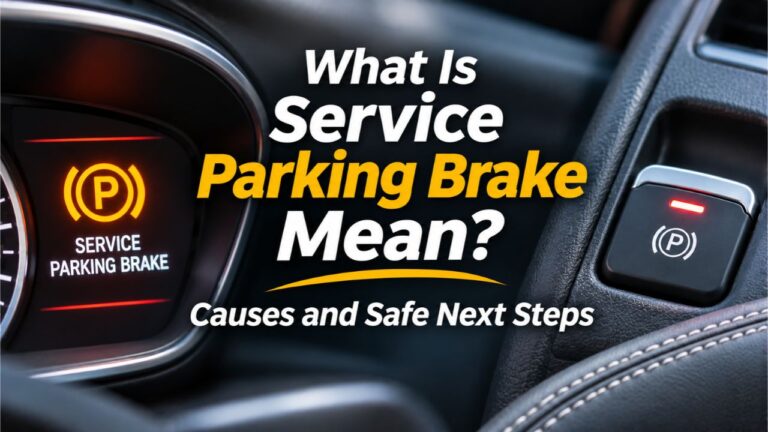
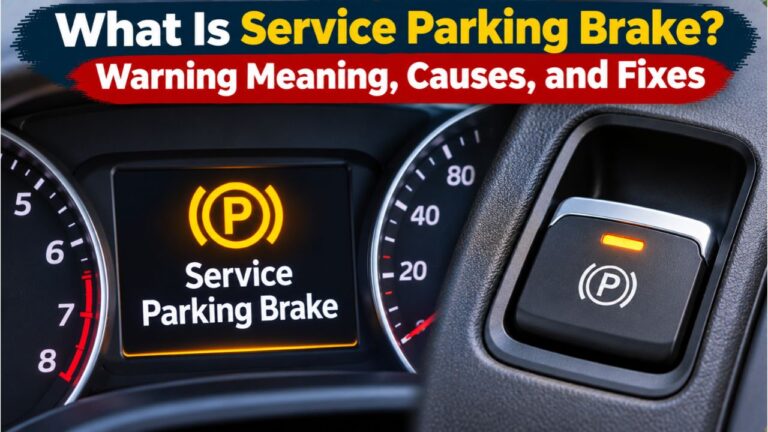
Distinguish a normal Parking Brake Applied message from warnings such as Service Parking Brake, EPB Malfunction, or Parking Brake Unavailable. A red indicator while parked can be normal; a flashing malfunction symbol or warning that stays on after release may indicate a problem.
Record the exact wording, whether ABS or stability-control lights are also illuminated, and whether the brake feels physically applied. An indicator does not always tell you whether the caliper fully released.
Step 06: Try Only the Manufacturer-Approved Release
When the vehicle is secured and it is safe to move, follow the owner’s manual: typically switch the vehicle on, press and hold the service-brake pedal, and use the EPB switch as directed. Some automatic-release systems also require a closed door, buckled seat belt, and selected driving gear.
Do not overpower resistance with the accelerator. If the switch cannot release the brakes, the warning continues, or the car drags, stop trying and arrange assistance.
Step 07: Have Recurring Unexplained Activation Diagnosed
A qualified technician can check stored trouble codes, live door and seat-belt signals, switch commands, battery voltage, module communication, and actuator operation. Those results help separate a normal automatic command from an electrical fault or a mechanically sticking rear brake.
Ask for diagnosis before replacing calipers or EPB motors. A component that remains clamped after a release command needs a different repair from a controller that keeps issuing new apply commands.
Can You Turn Off the Automatic Parking Brake Feature?
Sometimes, but not on every vehicle. Some models let you select manual EPB operation through a switch sequence or vehicle menu. Others apply the brake automatically as part of a nonadjustable safeguard. The correct procedure may differ even between model years of the same vehicle.
Do not disable an essential parking safeguard merely because the brake applies when you shift into Park. If you need a special neutral or brake-release mode for a conveyor car wash, towing, or servicing rear brakes, use the exact procedure in the owner’s manual. Never leave an unattended vehicle unsecured or rely only on a transmission’s Park position when the parking brake is required.
What if the Parking Brake Applies While Driving or Won’t Release?
An EPB that unexpectedly clamps while the vehicle is moving is not a normal parking convenience. Reduce speed safely, move out of traffic, and stop where possible. If braking response changes, the vehicle pulls, you notice a burning smell, or the wheels remain dragged, do not continue driving. Arrange towing and qualified brake-system diagnosis.
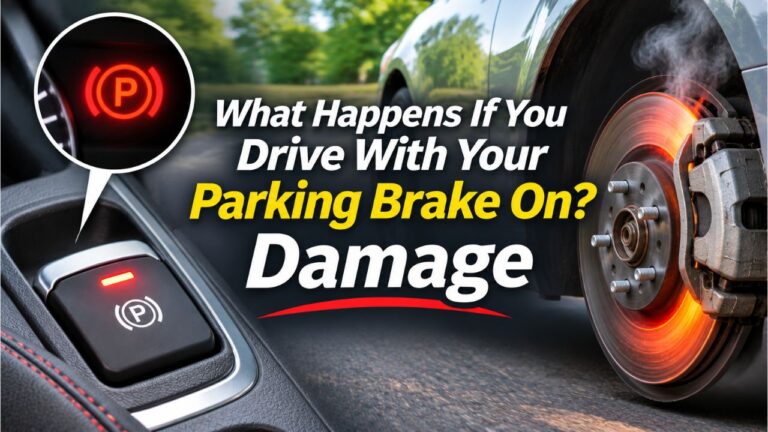
Likewise, if the parking brake will not release, do not force the vehicle to move. Dragging rear brakes can overheat pads, rotors, and nearby components. In freezing weather, a mechanism can also become stuck even though the switch sends a normal release command.
A warning that stays on after the EPB is released might indicate a separate brake-system fault, including a hydraulic warning on vehicles that share dashboard indicators. The actual vehicle behavior and diagnostic messages matter more than the warning symbol by itself.
FAQs About Why Does My Parking Brake Keep Automatically Engaging
Why Does My Parking Brake Turn On Every Time I Put the Car in Park?
Your vehicle may have automatic EPB mode enabled. Many systems intentionally apply the brake when the transmission enters Park. Check the owner’s manual before treating that behavior as a fault.
Why Does the Parking Brake Come On at a Red Light?
Auto Hold may have transferred control to the EPB after a prolonged stop or another programmed trigger. The brake-hold indicator and dashboard message can help explain the change. It is not normal to assume any sudden braking while moving is caused by Auto Hold.
Can Opening the Driver’s Door Activate the Parking Brake?
Yes, on certain vehicles and under specified conditions. Some systems use door and seat-belt status to protect against unintended rolling. A faulty door-latch signal may also create repeated unexpected commands.
Will a Weak Battery Make the Electronic Parking Brake Act Up?
Yes. Inadequate voltage can interfere with normal EPB operation or release, but it does not prove the battery commanded the brake to apply. Check charging-system condition and stored fault codes.
Why Does My Parking Brake Reapply After I Release It?
The car might still be in automatic mode, Auto Hold may be active, or a driver-exit trigger may remain present. If there is no matching programmed condition, check for switch, sensor, actuator, or control-system trouble.
Can I Drive if the Parking Brake Keeps Engaging?
Do not drive if it applies unexpectedly while moving, will not release, causes drag, or changes braking performance. If it engages only as designed when you park, that is generally normal. Uncertain or recurring abnormal behavior warrants inspection.
Stop Unwanted Parking Brake Engagement by Identifying the Trigger
If you’re wondering why does my parking brake keep automatically engaging, first notice exactly when it happens. Selecting Park, ending an Auto Hold session, or triggering a driver-exit safeguard can explain completely normal behavior on many vehicles. The owner’s manual will tell you which features your model actually has.
Repeated engagement without a documented trigger calls for a closer look at door and seat-belt signals, EPB switch commands, electrical supply, and actuator condition. A parking brake that physically stays applied may have a release problem rather than an automatic-command problem.
Use approved settings and release controls only while safely parked. If engagement occurs while driving, warning lights persist, or the brakes drag, stop using the vehicle and have the system professionally diagnosed before returning to the road.