How to Adjust Brake Calipers on a Car: A Complete Step-by-Step Guide
Learning how to adjust brake calipers on a car starts with understanding the brake system. Modern disc brakes use calipers that move automatically as pads wear. In many cases, the correct repair is not turning an adjustment screw but checking for sticking parts, worn pads, or alignment problems.
From years of working around vehicle maintenance, one common mistake is adjusting a caliper that is actually damaged. A sticking slide pin, rusty piston, or worn brake hardware can create the same symptoms as a bad adjustment. A careful inspection saves time and keeps braking safe.
This guide explains how to adjust brake calipers on a car, what tools you may need, when adjustment is possible, and when a professional repair is the safer choice for drivers in the United States.

Understanding How Car Brake Calipers Work
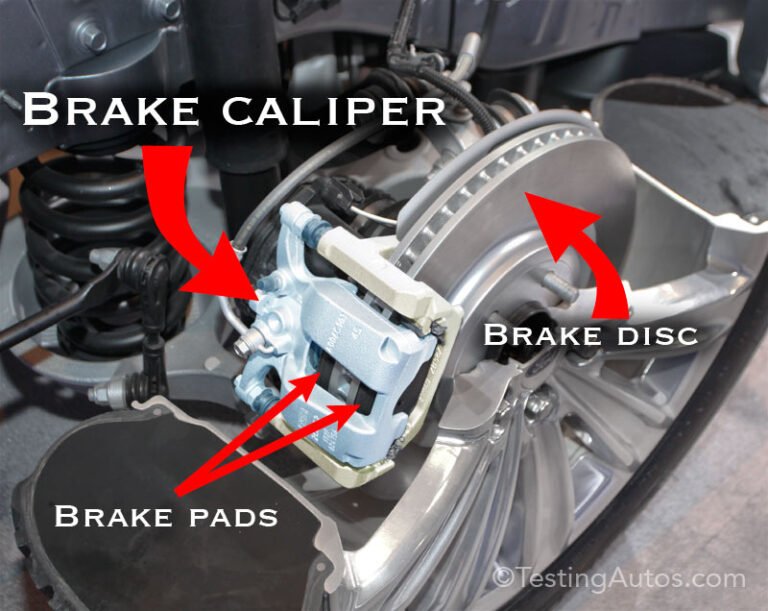
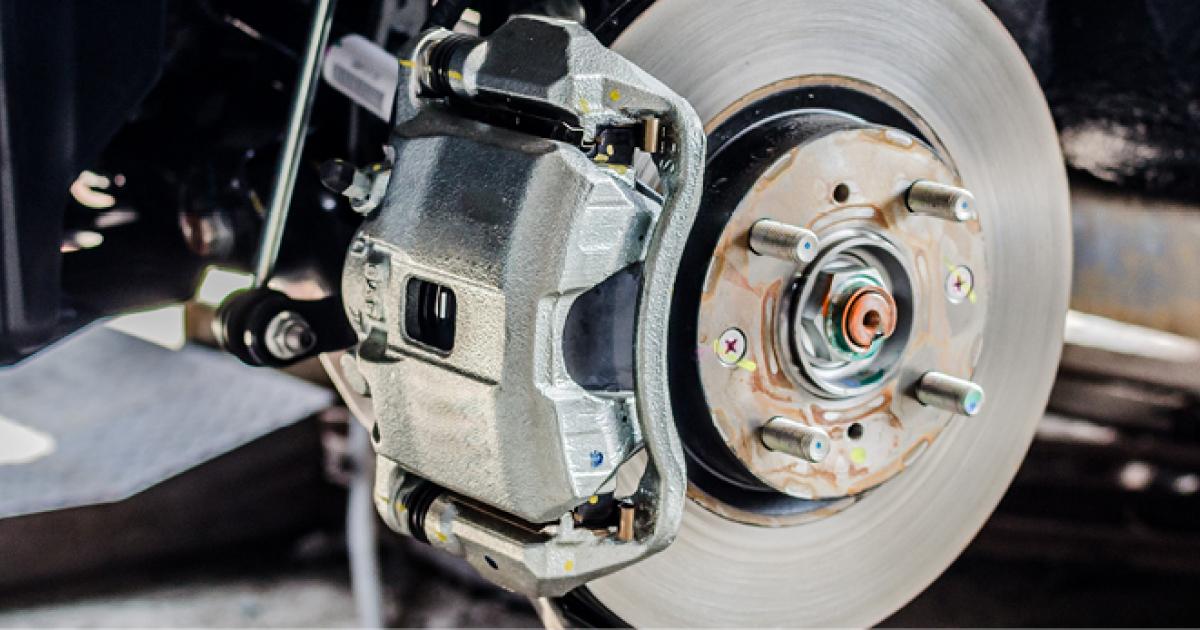
Before learning how to adjust brake calipers on a car, it helps to know what the caliper does. The caliper holds the brake pads and pushes them against the rotor when you press the brake pedal. This friction slows the vehicle and brings it to a stop.
Most modern vehicles use floating calipers. These calipers slide on pins and move slightly to apply equal pressure on both sides of the rotor. Because of this design, the caliper usually adjusts itself as the brake pads become thinner.
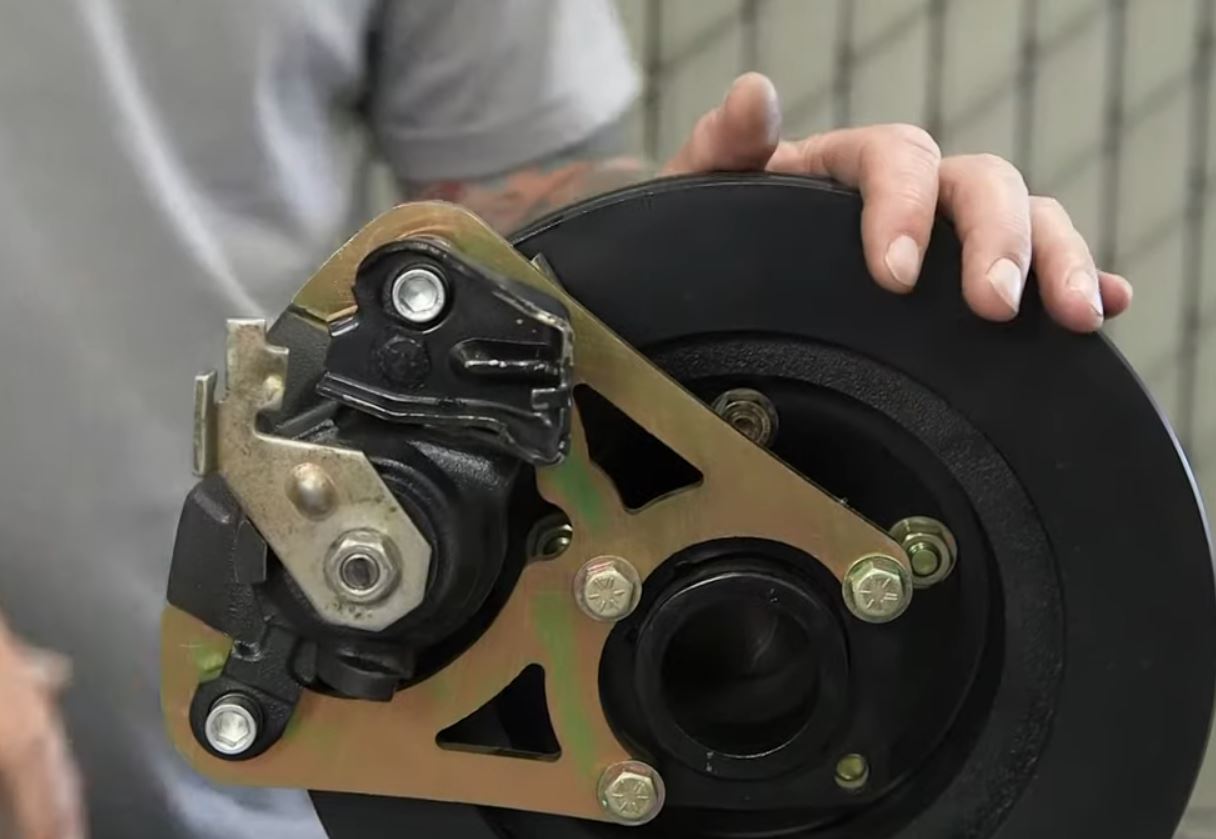
- ✦ Brake piston
The piston pushes the inner brake pad toward the rotor when hydraulic pressure reaches the caliper.
- ✦ Slide pins
These pins allow floating calipers to move smoothly and keep brake pressure balanced.
- ✦ Brake pads and rotor
These parts create the friction needed to slow the car and must stay evenly worn.
Why Most Calipers Self Adjust
Hydraulic brake calipers are designed to maintain the correct distance between the pads and rotor. As the pads wear, the piston moves slightly outward to keep braking response consistent.
- ✦ Automatic adjustment
The piston movement compensates for normal brake pad wear without regular driver adjustment.
Signs Your Brake Calipers Need Adjustment or Service
Many drivers search for how to adjust brake calipers on a car because they notice braking problems. The issue may not be a simple adjustment. It may point to worn parts or a caliper that cannot move correctly.
Pay attention to changes in braking feel. Early repairs can prevent more expensive problems and help maintain safe stopping performance.
- ✦ Vehicle pulls to one side
A stuck caliper or uneven pad contact can cause the car to pull during braking.
- ✦ Uneven brake pad wear
Pads that wear differently from side to side may indicate caliper movement problems.
- ✦ Grinding or dragging noise
Constant contact between the pad and rotor may mean the caliper is not releasing correctly.
- ✦ Soft or unusual brake pedal
Hydraulic problems or air in the brake system may create pedal issues.
Tools Needed Before Adjusting Brake Calipers
The tools needed for how to adjust brake calipers on a car depend on the vehicle design. Basic inspection requires simple hand tools, while some repairs need special equipment.
Always work on a cool brake system. Brake parts become extremely hot after driving, and touching them too soon can cause serious burns.
- ✦ Basic hand tools
A socket set, wrenches, screwdrivers, and a torque wrench are common tools for brake work.
- ✦ Safety equipment
Use wheel chocks, gloves, eye protection, and properly rated jack stands.
- ✦ Brake cleaning supplies
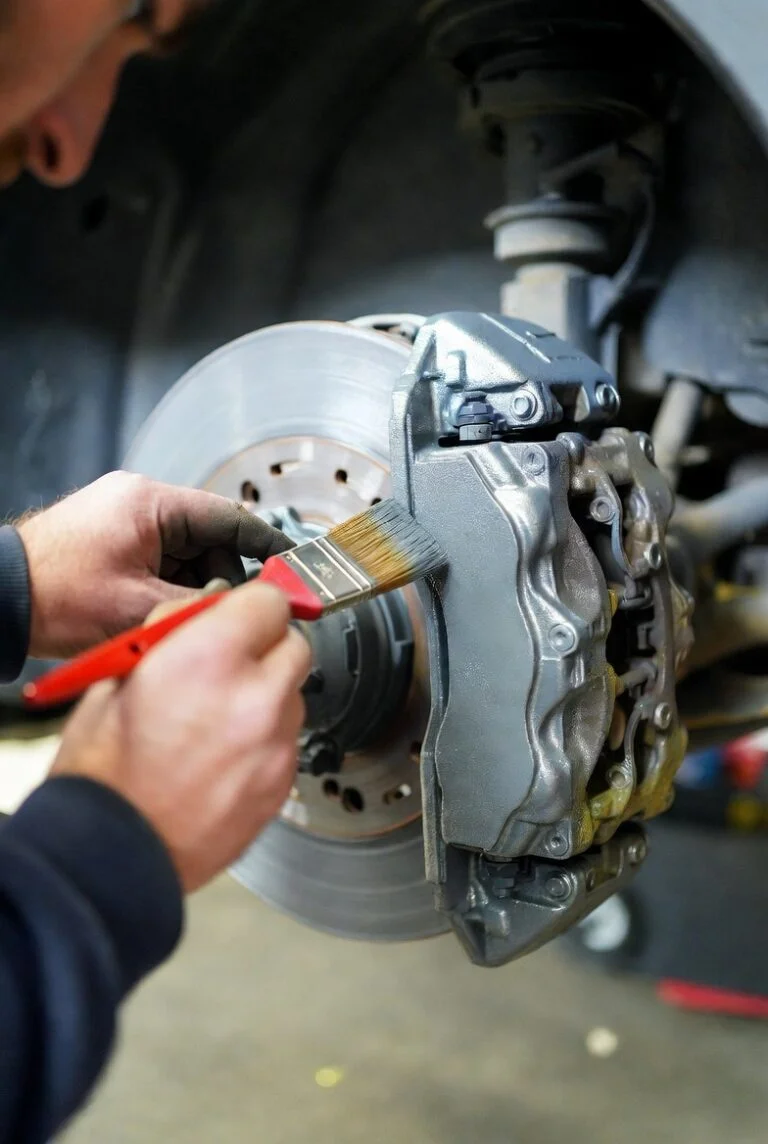
Brake cleaner and a clean brush help remove dirt from caliper parts.
Safety First When Working on Brakes
Never rely only on a vehicle jack while working underneath a car. Support the vehicle with proper stands and follow the manufacturer’s lifting points.
- ✦ Stable workspace
A flat surface reduces the chance of vehicle movement during repairs.
How to Adjust Brake Calipers on a Car Step by Step
The process for how to adjust brake calipers on a car begins with inspection. Many vehicles only need cleaning, lubrication, or replacement of worn hardware instead of a direct adjustment.
Always check your vehicle manual before changing brake components. Brake systems vary between makes and models, especially rear calipers with integrated parking brakes.

- ✦ Step 1: Inspect the brake assembly
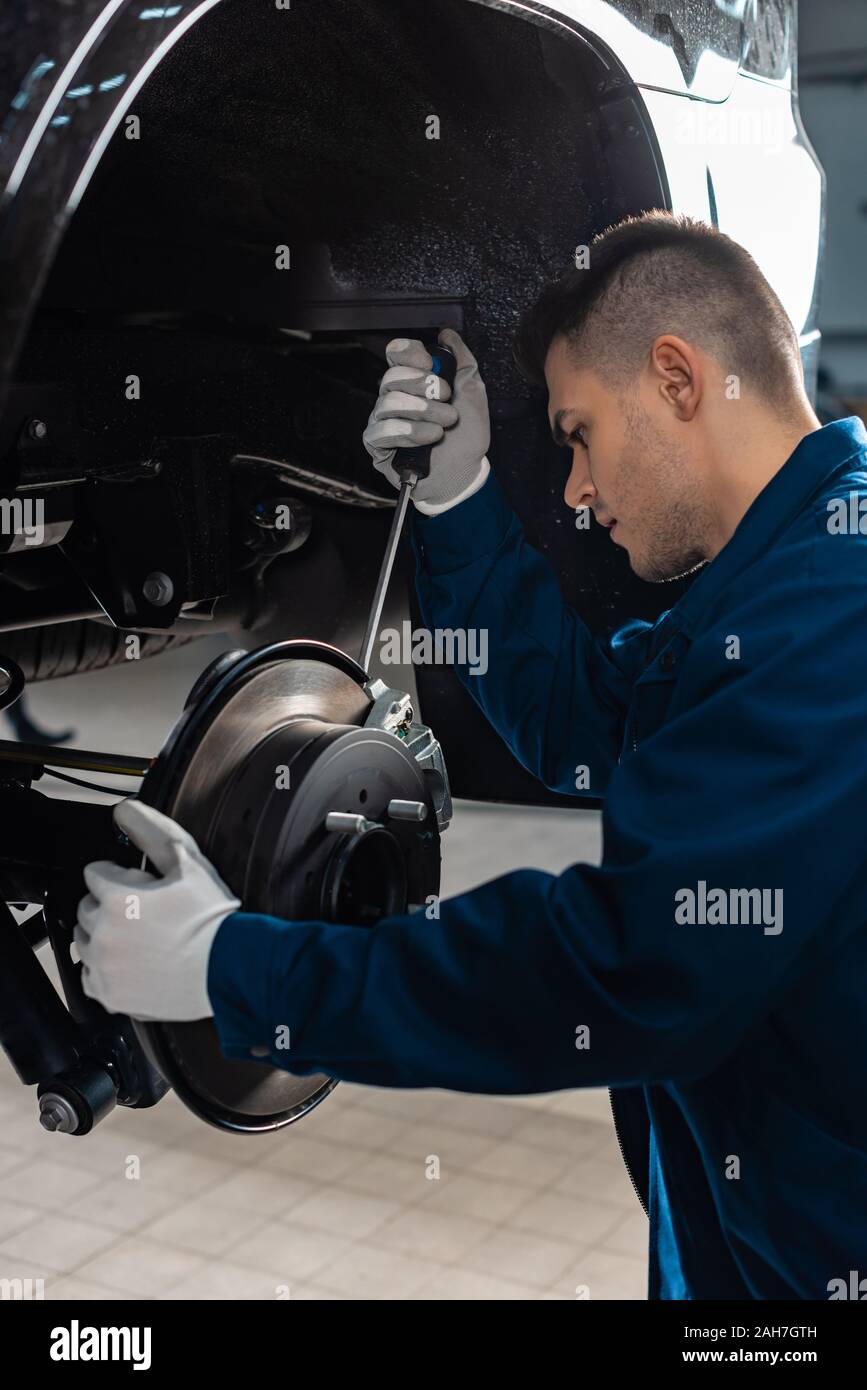
Remove the wheel and check the caliper, pads, rotor, and mounting hardware for damage or unusual wear.
- ✦ Step 2: Check caliper movement
Confirm that floating calipers slide smoothly and that the piston is not stuck.
- ✦ Step 3: Clean and lubricate moving parts
Use correct brake lubricant on approved contact points to improve movement.
- ✦ Step 4: Check brake operation
After service, test braking carefully at low speed before normal driving.
Adjusting Rear Brake Calipers With Parking Brake Systems
Some rear calipers combine the service brake and parking brake mechanism. These designs may need a special procedure to reset the piston position after replacing brake pads.
- ✦ Follow model-specific instructions
The correct adjustment method depends on the vehicle’s rear brake design.
Common Mistakes When Adjusting Brake Calipers
A key part of learning how to adjust brake calipers on a car is knowing what not to do. Incorrect adjustments can reduce braking performance or damage expensive components.
Professional technicians often spend more time diagnosing than replacing parts. Finding the real cause prevents unnecessary repairs.
- ✦ Adjusting without inspection
A worn or damaged caliper cannot be fixed with simple adjustment.
- ✦ Using the wrong lubricant
Some general oils can damage rubber seals and brake components.
- ✦ Ignoring uneven wear
Uneven pads often signal a deeper mechanical issue.
When to Replace a Brake Caliper Instead of Adjusting It
Sometimes the answer to how to adjust brake calipers on a car is that adjustment is not possible. A seized piston, damaged housing, or severe corrosion may require caliper replacement.
Replacing a faulty caliper restores proper movement and helps protect other brake parts from extra wear.
- ✦ Frozen piston
A piston that cannot move smoothly may prevent proper braking and release.
- ✦ Leaking brake fluid
Fluid leaks can reduce hydraulic pressure and require immediate repair.
- ✦ Severe corrosion
Heavy rust can weaken parts and prevent safe operation.