How to Fix a Dragging Brake Caliper: Complete Step-by-Step Guide
A dragging brake caliper keeps pressure on the brake pad even after you release the brake pedal. This creates extra heat, faster pad wear, poor fuel economy, and possible safety risks. Many drivers notice the issue after feeling a burning smell, pulling to one side, or hearing brake noise.
When learning how to fix a dragging brake caliper, the first step is finding the real cause. In my experience working around brake systems, many calipers are blamed too quickly when the true problem is often a rusty slide pin, worn rubber seal, or restricted brake hose.
This guide explains how to fix a dragging brake caliper with practical steps for U.S. vehicle owners. It covers diagnosis, repair methods, tools, and signs that tell you when professional help is needed.

What Causes a Dragging Brake Caliper?
A brake caliper drags when it cannot release the brake pad fully. The caliper should squeeze the rotor during braking and then move back slightly when you let go. If it stays engaged, friction continues while you drive.
Understanding the cause makes it easier to learn how to fix a dragging brake caliper. Different failures need different repairs, so replacing parts without testing can waste money.
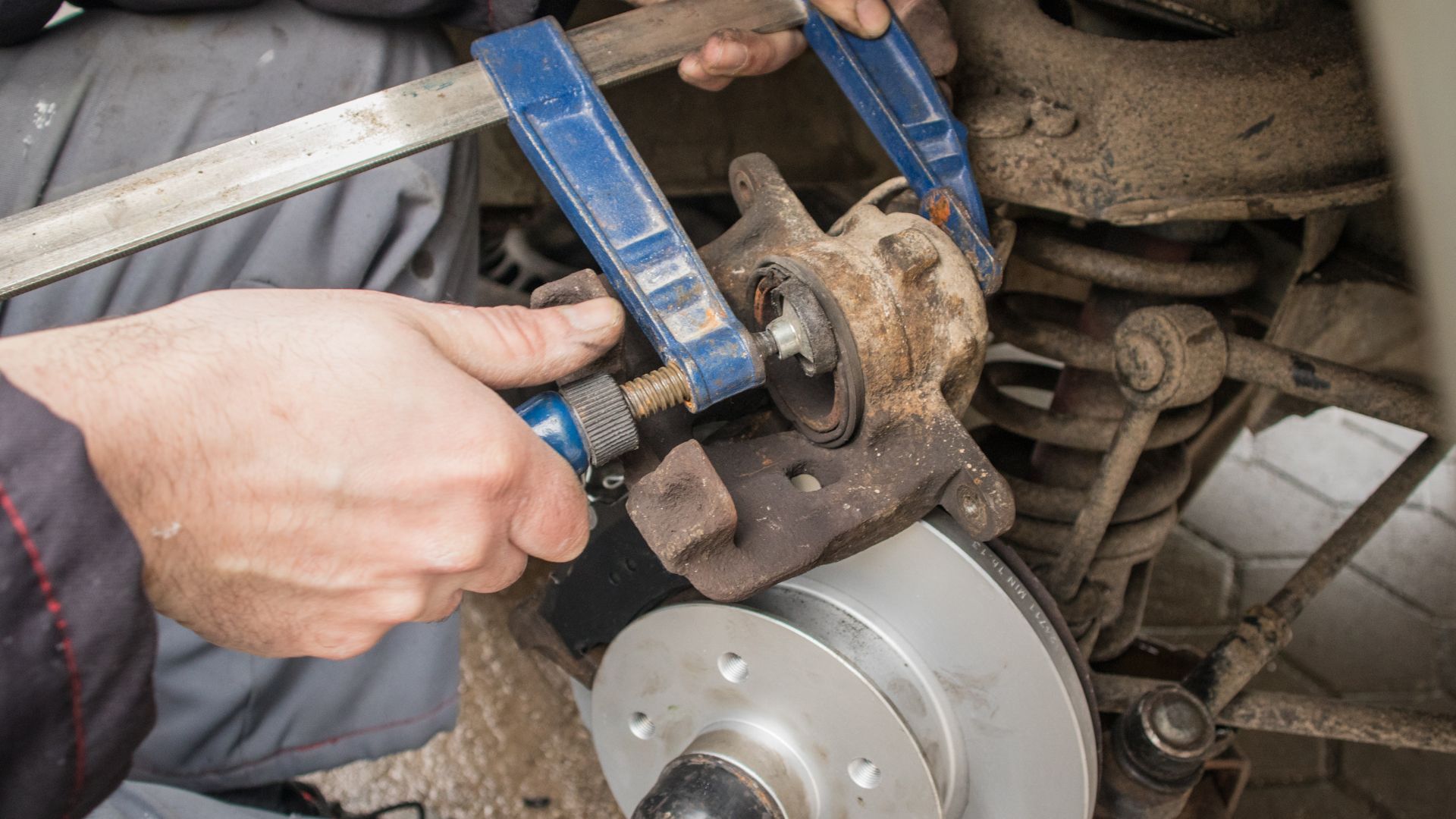
- ✦ Stuck caliper piston
Rust, dirt, or damaged seals can prevent the piston from moving back into the caliper body.
- ✦ Frozen slide pins
Dry or corroded slide pins stop the caliper from moving freely across the brake bracket.
- ✦ Blocked brake hose
A damaged brake hose can trap pressure and keep the brake applied after pedal release.
- ✦ Incorrect brake parts
Wrong pads, poor fit, or damaged hardware can prevent proper brake movement.
Why Heat Is a Major Warning Sign
A dragging caliper creates heat because the brake pad keeps rubbing against the rotor. Excess heat can damage pads, rotors, wheel bearings, and nearby components.
- ✦ Hot wheel
One wheel that feels much hotter than the others may point to a brake dragging issue.
Common Symptoms of a Dragging Brake Caliper
Before learning how to fix a dragging brake caliper, confirm that the caliper is actually the problem. Brake issues can feel similar, so careful testing matters.
Most drivers notice changes while driving. These signs often appear slowly and become worse over time.

- ✦ Vehicle pulls to one side
A stuck caliper on one wheel can create uneven braking force and make the car drift.
- ✦ Burning smell
Overheated brake pads often produce a sharp chemical smell after driving.
- ✦ Reduced fuel economy
Constant brake friction forces the engine to work harder.
- ✦ Uneven brake pad wear
One pad may wear much faster than the pad on the opposite side.
Tools Needed to Fix a Dragging Brake Caliper
The right tools make brake repairs safer and easier. Before starting, park on a flat surface and use proper safety equipment.
When learning how to fix a dragging brake caliper at home, avoid rushing. Brake parts are safety parts, and careful work matters.
- ✦ Basic hand tools
Use a socket set, wrenches, screwdrivers, and a torque wrench for proper installation.
- ✦ Brake cleaner
Brake cleaner removes dirt and residue from brake components.
- ✦ Brake lubricant
Use brake-safe lubricant on approved moving areas such as slide pins.
- ✦ Safety equipment
Wear gloves and eye protection, and always support the vehicle with jack stands.
Safety Steps Before Starting
Never work under a vehicle supported only by a jack. Confirm the car is stable before removing wheels or brake parts.
- ✦ Use wheel chocks
Chocks help prevent unwanted vehicle movement during repairs.
How to Fix a Dragging Brake Caliper Step by Step
The best way to fix a dragging brake caliper is to inspect each possible failure point. Start with simple problems before replacing expensive parts.
These steps explain how to fix a dragging brake caliper in a logical order used by many technicians.
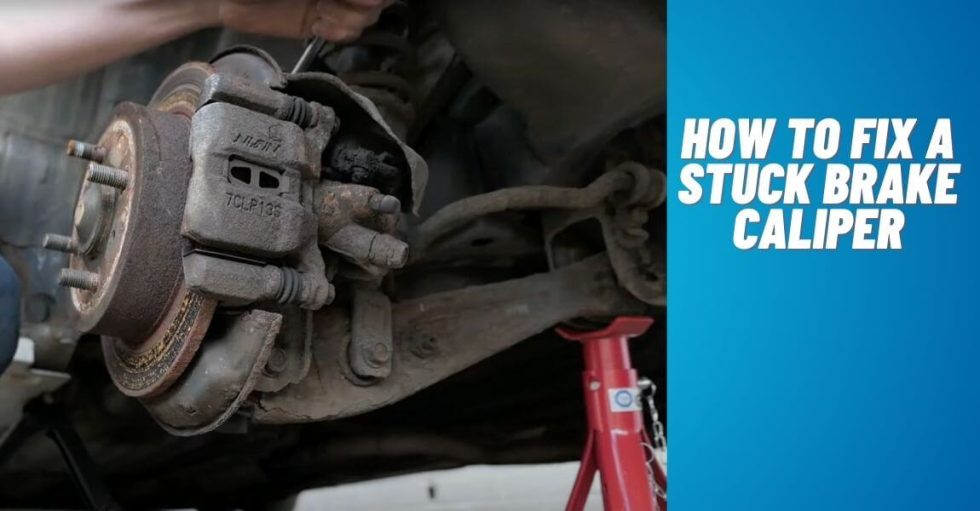
- ✦ Step 1: Check brake temperature
Compare wheel temperatures after a short drive. A much hotter wheel may identify the problem side.
- ✦ Step 2: Remove and inspect brake pads
Look for uneven wear, damaged pads, and signs that the caliper is not releasing.
- ✦ Step 3: Inspect slide pins
Clean and lubricate slide pins if they are dry or stuck.
- ✦ Step 4: Test caliper piston movement
A piston that will not retract smoothly may require rebuilding or replacement.
- ✦ Step 5: Check the brake hose
A restricted hose may hold hydraulic pressure and keep the brake applied.
Cleaning and Lubricating a Sticking Caliper
Many dragging calipers only need cleaning and lubrication. Remove rust and debris, then apply the correct brake lubricant to moving contact points.
- ✦ Avoid regular grease
Common grease may damage rubber parts and may not handle brake temperatures.
When Replacement Is the Better Option
A severely corroded caliper or damaged piston often costs more to rebuild than replace. A new or remanufactured caliper can restore reliable brake operation.
- ✦ Replace damaged parts
Replace parts that have deep rust, leaks, or permanent damage.
Mistakes to Avoid When Repairing a Dragging Brake Caliper
Brake repairs require care because small mistakes can reduce braking performance. Many DIY repairs fail because the root problem is not fully checked.
Knowing what not to do is an important part of understanding how to fix a dragging brake caliper correctly.

- ✦ Ignoring the brake hose
Replacing a caliper without checking hydraulic pressure problems may leave the issue unresolved.
- ✦ Using the wrong lubricant
Non-brake lubricants can damage seals and create future problems.
- ✦ Skipping brake bleeding when needed
Opening the hydraulic system may require bleeding to remove air.
How to Prevent Future Brake Caliper Problems
Prevention is easier than repair. Regular brake checks help catch small problems before they create heat and damage.
Drivers in areas with road salt, heavy rain, or harsh weather should inspect brake components more often because corrosion can develop faster.
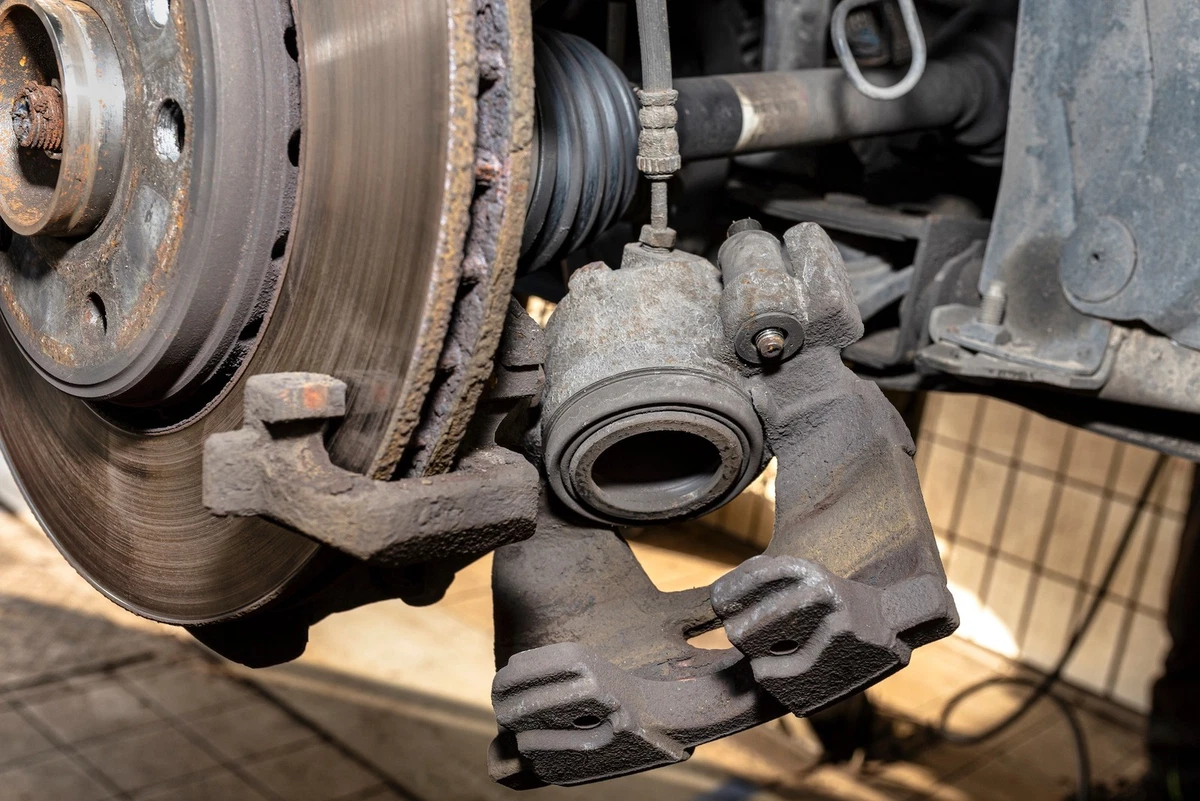
- ✦ Inspect brakes during service
Check pads, rotors, hardware, and caliper movement during routine maintenance.
- ✦ Keep slide pins clean
Clean and lubricate slide pins at recommended service intervals.
- ✦ Replace worn brake parts early
Small repairs can prevent larger brake system failures.