Does Brake Fluid Help With Squeaky Brakes? Real Causes and Fixes
No, adding or changing brake fluid usually does not stop squeaky brakes. Brake fluid transfers hydraulic pressure from the brake pedal to the calipers or wheel cylinders; squeaking generally comes from friction and vibration involving brake pads, rotors, hardware, or related parts. Pouring brake fluid onto a rotor or brake pad is dangerous because it contaminates the surfaces that must grip to stop your car.
That does not mean brake fluid is unrelated to brake problems. Low fluid, leaks, air in the hydraulic system, or moisture-contaminated fluid can affect braking performance. Over time, internal corrosion may contribute to caliper problems and abnormal pad wear, which can sometimes create noise. But a fluid change will not repair a worn pad, damaged rotor, or loose clip.
Occasional squeaking after rain can be harmless; persistent squealing, grinding, or a change in pedal feel deserves prompt attention.
In this article, I explain what brake fluid actually does, the most common causes of squeaky brakes, when a fluid change helps, and how a mechanic diagnoses the noise. I also cover safe fixes, warning signs, and mistakes to avoid.
Does Brake Fluid Help With Squeaky Brakes?
Brake fluid does not directly eliminate squeaking from brake pads or rotors. Its primary purpose is to transmit hydraulic pressure, not lubricate the friction surfaces that stop your vehicle.
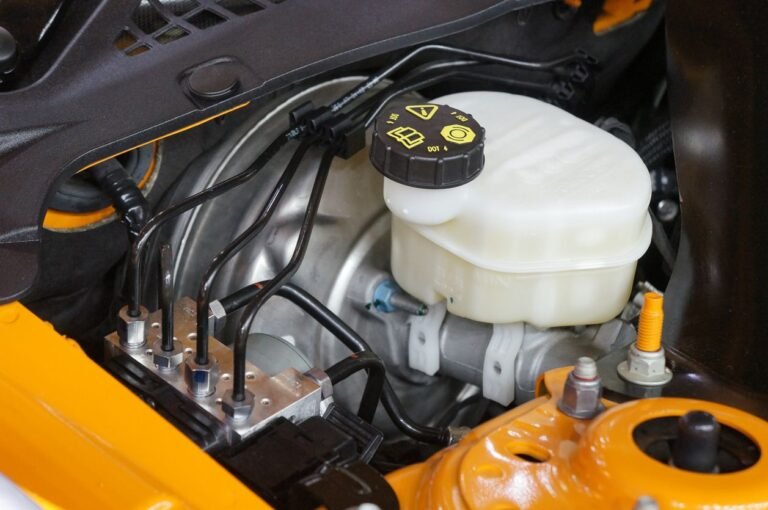
When you press the brake pedal, the master cylinder pressurizes brake fluid. That pressure travels through brake lines and hoses to the brake calipers or wheel cylinders.
In disc brakes, the caliper pistons press the brake pads against the rotors. Friction between these components slows the wheels.
Squeaking usually develops at the friction surfaces or from vibration involving the surrounding hardware.
Replacing brake fluid does not change the condition of a worn pad, damaged rotor, or loose brake component.
However, brake fluid maintenance can indirectly affect brake noise when hydraulic problems contribute to abnormal component movement.
Brake Fluid and Squeaky Brakes: Quick Comparison
| Brake Problem | Will Adding Brake Fluid Help? | What Usually Needs Attention |
| Worn brake pads | No | Pad inspection and replacement |
| Surface rust on rotors | No | Determine whether the noise is temporary |
| Dust or debris | No | Inspect and clean affected components |
| Loose brake hardware | No | Repair or replace affected hardware |
| Dry caliper contact points | No | Appropriate brake-specific lubrication |
| Glazed brake pads or rotors | No | Inspect friction surfaces |
| Sticking caliper | Not by itself | Diagnose caliper and hydraulic system |
| Low brake fluid | Fluid may need attention, but not as a squeal fix | Investigate pad wear or leaks |
| Contaminated brake fluid | Fluid replacement may be necessary | Inspect hydraulic components |
| Air in brake lines | Adding fluid alone is insufficient | Diagnose and bleed the system as required |
| Brake fluid leaking onto pads | No | Repair leak and address contaminated parts |
The important distinction is whether the problem involves the hydraulic system or the mechanical friction components.
Both are part of the braking system, but they serve different functions.
What Does Brake Fluid Actually Do?
Brake fluid is a specialized hydraulic fluid that helps transmit force through the braking system.
It operates inside a closed system consisting of the master cylinder, brake lines, hoses, calipers, and other hydraulic components.
According to Brembo’s official guide to brake fluid and its role in braking systems, brake fluid transmits the force applied at the brake pedal and must maintain suitable properties under demanding temperatures and operating conditions.
Brake Fluid Transfers Hydraulic Pressure
When the driver presses the brake pedal, hydraulic pressure develops inside the system.
Brake fluid transmits that pressure to the wheel brakes.
This allows the caliper pistons or drum-brake wheel cylinders to move the friction components into contact with the rotating braking surfaces.
The resulting friction slows the vehicle.
Without a functioning hydraulic system, normal braking performance can be severely compromised.
Brake Fluid Protects Internal Components
Brake fluid also contains additives designed to protect compatible hydraulic components.
These may help provide corrosion protection and suitable lubrication inside the hydraulic system.
However, this lubrication is different from the lubrication required at certain external brake hardware contact points.
Brake fluid is not a substitute for brake grease.
Brake Fluid Must Resist High Temperatures
Braking generates substantial heat.
Some of that heat reaches the calipers and hydraulic components.
Brake fluid must maintain suitable performance at elevated temperatures.
Most conventional DOT 3, DOT 4, and DOT 5.1 brake fluids are glycol-based and absorb moisture over time.
Moisture reduces the fluid’s boiling point.
Under severe braking conditions, excessive moisture can contribute to vapor formation and a loss of effective hydraulic pressure.
This can result in a soft pedal or reduced braking performance.
It does not usually create ordinary brake-pad squeaking directly.
Why Do Brakes Squeak if Brake Fluid Is Not the Cause?
Brake squeaking is usually caused by friction-related vibration, component wear, contamination, or hardware problems.
Sometimes the sound is temporary.
In other cases, it indicates that brake service is needed.
1. Worn Brake Pads
Worn brake pads are one of the most important causes to investigate.
Many disc brake pads include metal wear indicators.
As the friction material wears down, the indicator may contact the brake rotor.
This creates a high-pitched squeal intended to warn the driver that the pads need attention.
Not every brake pad uses the same indicator design.
Some vehicles also have electronic pad-wear sensors.
Replacing brake fluid will not stop a mechanical wear indicator from contacting the rotor.
A technician should inspect pad thickness and the condition of the surrounding braking components.
If the pads are worn beyond their service limits, they need replacement.
2. Moisture and Surface Rust
Brake rotors are exposed to air, water, and road conditions.
After rain, a car wash, or overnight humidity, a thin layer of surface rust can develop on many iron rotors.
When the brakes are first applied, the pads may contact that surface rust and produce a squeak or scraping noise.
The sound may disappear after a few normal brake applications.
According to Firestone Complete Auto Care’s guide to squeaky brakes, moisture-related surface rust is one cause of temporary brake noise, while persistent squealing may indicate worn pads, hardware issues, or other problems.
If the noise continues, becomes louder, or comes with poor braking, it should not be dismissed as surface rust.
3. Brake Dust and Road Debris
Dust and small road particles can accumulate around brake components.
Some debris may become trapped between a pad and rotor.
This can create squeaking, scraping, or other unusual noises.
Possible sources include:
- Road grit
- Small stones
- Brake friction dust
- Rust particles
- Other roadside debris
A technician may need to inspect the components and remove trapped material.
Brake fluid does not clean away these particles.
4. Glazed Brake Pads
Brake pads can develop a hardened or unusually smooth friction surface after excessive heat or unsuitable operating conditions.
This is often described as glazing.
Glazed surfaces may contribute to squeaking or reduced friction performance.
Possible contributing factors include sustained heavy braking, overheating, and other abnormal operating conditions.
The appropriate repair depends on the condition of the pads and rotors.
A fluid exchange will not remove glazing from the friction material.
5. Worn or Improperly Installed Hardware
Brake pads are held and guided by hardware that helps control their movement.
Examples include:
- Pad clips
- Anti-rattle springs
- Shims
- Caliper brackets
- Guide pins
- Other mounting components
If hardware becomes loose, damaged, corroded, or improperly installed, the pads may vibrate or move abnormally.
That can produce squeaking.
Replacing or correctly servicing the affected hardware may solve the problem.
6. Dry Brake Hardware Contact Points
Certain brake components require specialized lubrication at specific contact points.
For example, caliper guide pins may need a compatible lubricant to allow correct movement.
Some pad contact locations also require brake-specific lubricant.
When these areas become dry or corroded, abnormal movement can contribute to brake noise.
However, lubricant must be applied only where the brake manufacturer specifies.
Applying lubricant to the wrong location can reduce braking performance.
7. Sticking Brake Caliper
A caliper can develop problems that prevent the pads from moving or releasing normally.
Potential causes include:
- Corroded guide pins
- Damaged caliper hardware
- Seized caliper pistons
- Damaged seals
- Restricted brake hoses
- Other hydraulic or mechanical faults
A sticking caliper may cause a pad to remain in contact with the rotor.
This can lead to abnormal wear, heat buildup, and sometimes squeaking.
Brake fluid replacement alone will not necessarily free a seized caliper or correct a mechanical defect.
The affected components need proper diagnosis.
8. New Brake Pads
New brake pads may produce some noise while their friction surfaces seat against the rotors.
However, persistent squeaking after a recent brake job can also indicate:
- Incorrect installation
- Missing or damaged hardware
- Improper bedding-in
- Rotor surface problems
- Unsuitable friction material
- Caliper movement issues
Do not automatically assume that new brake noise is harmless.
The installer should inspect persistent or worsening noise.
Can Low Brake Fluid Make Brakes Squeak?
Low brake fluid does not normally cause brake squeaking directly.
Low fluid affects the hydraulic system.
Brake squeaking usually involves friction surfaces or mechanical components.
However, the two problems can occur at the same time.
Why Brake Fluid Levels Drop
A lower reservoir level can result from:
- Brake pad wear
- External hydraulic leaks
- Other hydraulic system problems
As disc brake pads wear, caliper pistons move farther outward to compensate for the reduced pad thickness.
More fluid remains in the caliper, which can lower the reservoir level.
That does not necessarily mean the system is leaking.
However, a significant or unexpected fluid-level drop must be investigated.
Can Worn Pads Cause Both Low Fluid and Squeaking?
Yes.
Worn brake pads may produce noise through a mechanical wear indicator.
The same pad wear may also contribute to a lower brake fluid reservoir level.
In that situation, the two symptoms have a common cause: brake pad wear.
Adding fluid does not restore the missing pad material.
Should You Top Off Brake Fluid if the Brakes Squeak?
Not simply to stop the noise.
If the reservoir level is low, the reason should be determined first.
Unnecessary topping off can also create an overfilled reservoir when caliper pistons are pushed back during future brake service.
Check the owner’s manual and have the system inspected when the fluid level is unexpectedly low.
If the reservoir is below the specified minimum or a leak is suspected, treat it as a potential braking safety issue.
Can Old or Dirty Brake Fluid Cause Squeaky Brakes?
Old or contaminated brake fluid can contribute indirectly to certain brake problems.
However, it is not a typical direct cause of pad squeal.
The distinction is important.
Moisture Can Contribute to Internal Corrosion
Glycol-based brake fluid absorbs moisture over time.
Excess moisture can contribute to corrosion in the hydraulic system.
Corrosion may affect components such as caliper pistons or other hydraulic mechanisms.
If these components begin sticking or moving abnormally, uneven pad wear or dragging may develop.
That can sometimes create noise.
However, this is an indirect relationship.
The actual squeak may come from the pads, rotors, or mechanical movement rather than the fluid itself.
Can Changing Fluid Fix a Sticking Caliper?
Not necessarily.
If a caliper has become mechanically seized or badly corroded, replacing the fluid alone is unlikely to restore it.
The technician may need to repair or replace the affected components.
Fluid replacement may be part of the overall repair.
Does Dirty Brake Fluid Always Make Noise?
No.
Brake fluid can deteriorate without producing any audible symptoms.
That is one reason fluid maintenance should follow the vehicle manufacturer’s recommendations rather than relying on sound alone.
Will a Brake Fluid Flush Stop Squeaking?
Usually not.
A brake fluid flush replaces old hydraulic fluid with the correct fresh fluid.
It does not:
- Replace worn pads
- Resurface damaged rotors
- Remove trapped debris
- Repair loose hardware
- Correct improper pad installation
If fluid contamination contributed to a hydraulic fault, servicing that fault may help resolve associated noise.
However, the mechanical cause must still be addressed.
Can Brake Fluid Be Used as a Lubricant for Squeaky Brakes?
No. Never apply brake fluid to brake pads or rotor friction surfaces to stop squeaking.
This is an unsafe practice.
Brake pads and rotors need controlled friction to slow the vehicle.
Fluid contamination can interfere with that friction.
What Happens if Brake Fluid Gets on Brake Pads?
Brake friction material can absorb or retain contamination.
Brake fluid on the pad surface may affect friction performance.
It can also contribute to uneven braking or other problems.
If pads are contaminated, a qualified technician should determine whether replacement is necessary.
Cleaning the surface does not necessarily remove fluid that has penetrated the friction material.
What Happens if Brake Fluid Gets on Rotors?
Brake fluid can contaminate the rotor’s braking surface.
That may interfere with proper contact between the pad and rotor.
The affected brake components should be inspected and cleaned or replaced as appropriate.
Do not simply drive the vehicle and assume normal braking will remove the contamination.
Is Brake Grease Different From Brake Fluid?
Yes.
Brake grease is formulated for specific mechanical contact points.
Brake fluid is designed for the hydraulic circuit.
They are not interchangeable.
PowerStop’s technical guide to squealing brake pads explains that brake-specific lubricant may be applied to designated hardware contact points but must never be applied to the rotor or pad friction surface.
Incorrect lubrication can create a dangerous braking condition.
Brake Fluid vs. Brake Grease vs. Brake Cleaner
| Product | Intended Purpose | Apply to Pad or Rotor Friction Surface? |
| Brake fluid | Transfer hydraulic pressure inside the brake system | No |
| Brake grease | Lubricate specified mechanical contact points | No |
| Brake parts cleaner | Remove certain contaminants from compatible brake components | Only according to product and component instructions |
| Anti-squeal compound | Control vibration at specified non-friction locations | No |
| Engine oil | Lubricate engine components | No |
| General-purpose grease | Lubricate suitable non-brake components | No |
Do not use oil, grease, WD-40, or brake fluid on the surfaces where brake pads contact rotors.
These substances can interfere with stopping performance.
How to Fix Squeaky Brakes Without Changing Brake Fluid
The correct repair depends on the cause of the noise.
There is no single treatment that solves every squeaking problem.
Step 1: Identify When the Noise Happens
Pay attention to when the squeak occurs.
For example:
- Only during the first few stops after rain
- During light braking
- During hard braking
- At low speeds
- After installing new pads
- While driving without pressing the pedal
- Continuously, even after the brakes warm up
This information can help a technician narrow down the possible causes.
Step 2: Check for Serious Warning Signs
Before focusing on noise, determine whether braking performance is normal.
Warning signs include:
- Soft or sinking brake pedal
- Increased stopping distance
- Brake warning light
- Grinding
- Strong vibration
- Vehicle pulling during braking
- Visible fluid leakage
- Smoke or a burning smell near a wheel
If braking performance is compromised, stop driving and arrange professional assistance.
Step 3: Inspect Brake Pad Wear
A technician can measure the remaining friction material.
If the pads are at or below the manufacturer’s service limit, they require replacement.
The rotor and hardware should also be inspected.
A new set of pads should not simply be installed without checking the condition of related components.
Step 4: Check the Brake Rotors
The rotor inspection may include checking for:
- Scoring
- Cracks
- Severe corrosion
- Uneven friction deposits
- Excessive thickness variation
- Wear below the minimum allowable thickness
Some rotor conditions may be corrected through appropriate service.
Others require replacement.
The repair must follow the vehicle and component manufacturer’s specifications.
Step 5: Inspect Caliper Hardware
Brake hardware should move and fit as designed.
A technician may inspect:
- Caliper guide pins
- Pad clips
- Shims
- Mounting brackets
- Caliper piston operation
- Dust boots
- Seals
Damaged parts should be repaired or replaced.
Step 6: Clean Appropriate Brake Components
Contamination or debris may require cleaning.
Use products and procedures suitable for the affected components.
Brake cleaner is not a universal solution for all brake noise.
A worn pad or seized caliper requires more than cleaning.
Step 7: Lubricate Only Approved Locations
Certain brake hardware contact points may require brake-specific lubricant.
The correct location and product depend on the brake design.
Some caliper guide pin systems require particular lubricants compatible with rubber components.
Do not apply lubricant to friction surfaces.
Step 8: Follow the Recommended Bedding-In Procedure
New brake pads and rotors may require a manufacturer-specific bedding-in process.
This helps establish an appropriate contact and friction surface.
Follow the brake component manufacturer’s instructions.
Avoid performing unnecessary aggressive braking in traffic.
Step 9: Test the Braking System
After brake service, the system should be verified for proper operation.
A qualified technician should confirm correct assembly and braking performance before the vehicle returns to normal use.
Brake Squeaking Symptoms and Likely Causes
Different noise patterns can provide useful clues.
However, the sound alone cannot confirm the exact fault.
| Symptom | Possible Causes | Recommended Action |
| Squeaking after rain | Surface moisture or light rotor rust | Monitor whether it disappears promptly |
| Squeaking every time you brake | Worn pads, vibration, or hardware problems | Schedule brake inspection |
| Squeaking only at low speeds | Pad vibration, material characteristics, or hardware | Inspect if persistent |
| Squeaking after new pads | Bedding-in or installation issues | Return to installer for evaluation |
| Constant squeaking without braking | Wear indicator, dragging pad, debris, or other faults | Prompt inspection |
| Grinding noise | Severe wear, debris, or damaged components | Stop driving if significant; arrange inspection |
| Squeaking with a soft pedal | Possibly separate mechanical and hydraulic issues | Do not continue driving until assessed |
| Squeaking and wheel overheating | Dragging brake or other component problem | Stop safely and arrange service |
| Squeaking and low brake fluid | Pad wear, leak, or multiple issues | Inspect both hydraulic and friction systems |
The most useful approach is to consider the full set of symptoms instead of diagnosing from the squeak alone.
Why Do Brakes Squeak When Pads Are Still Good?
Brake pads do not need to be completely worn out to make noise.
Even pads with sufficient friction material may squeak.
Brake Pad Material
Different brake friction materials have different characteristics.
Some formulations may be more prone to audible vibration under certain temperatures or braking conditions.
A squeak does not automatically mean a pad is defective.
However, persistent noise still warrants inspection.
Loose Shims or Clips
Brake hardware helps stabilize the pads.
If shims or clips become damaged or improperly positioned, the pads may vibrate.
Correct hardware installation is important.
Caliper Movement Problems
A caliper that does not move correctly can cause uneven pressure on the pads.
This may produce noise or abnormal wear.
The problem could involve guide pins, pistons, or related components.
Rotor Surface Conditions
A rotor may develop uneven deposits, corrosion, or other surface conditions.
These can affect pad contact.
The resulting vibration may create squeaking even when the pads have usable material remaining.
Normal Operating Conditions
Some brake systems make minor noises under particular weather or temperature conditions.
The important question is whether the sound is temporary and braking performance remains normal.
If noise becomes frequent or progressively worse, inspect the brakes.
Will Changing Brake Fluid Improve Braking Performance?
It can, when the existing fluid is unsuitable or overdue for replacement.
However, the benefits are different from curing a mechanical squeak.
Benefits of Proper Brake Fluid Maintenance
Changing brake fluid when required can help:
- Maintain appropriate fluid properties
- Reduce moisture-related problems
- Support hydraulic component protection
- Preserve suitable high-temperature performance
- Meet manufacturer maintenance requirements
These benefits concern hydraulic reliability and performance.
They do not guarantee quieter brakes.
When a Brake Fluid Change May Be Necessary
Fluid service may be appropriate when:
- The manufacturer specifies a replacement interval.
- Testing indicates the fluid is unsuitable.
- Hydraulic repairs require fluid replacement or bleeding.
- The wrong fluid or another contaminant has entered the system.
- A technician identifies a fluid-related problem.
The appropriate service procedure depends on the vehicle.
Some ABS systems require special equipment or scan-tool procedures.
How Often Should You Change Brake Fluid?
Follow the vehicle manufacturer’s maintenance schedule.
Some vehicles specify replacement approximately every two or three years.
Others have different requirements or maintenance strategies.
There is no universal interval that applies to every vehicle.
Use the owner’s manual and appropriate fluid testing or professional inspection.
Can Brake Fluid Leaks Cause Squeaky Brakes?
A brake fluid leak can indirectly contribute to unusual brake noise, especially if fluid reaches friction components.
However, the more serious concern is the possible loss of hydraulic braking pressure.
Brake Fluid Leaking From a Caliper
A damaged caliper seal may allow brake fluid to escape.
If fluid reaches the brake pads or rotor, the friction surfaces can become contaminated.
Possible consequences include:
- Unpredictable friction
- Uneven braking
- Brake noise
- Reduced stopping performance
- Hydraulic fluid loss
A leaking caliper requires proper repair.
A technician should also inspect the pads and rotor for contamination.
Brake Hose or Line Leaks
Brake lines and hoses carry hydraulic fluid between components.
Damage, corrosion, or deterioration can allow fluid to escape.
A hydraulic leak may result in a soft pedal or reduced braking performance.
Adding more fluid without repairing the leak is not a safe solution.
Can You Drive With a Brake Fluid Leak?
Do not continue driving a vehicle with a suspected hydraulic brake leak.
Brake pressure can deteriorate unexpectedly.
Arrange professional inspection and appropriate transport.
The absence of squeaking does not mean a leaking brake system is safe.
Should You Add Brake Fluid When Your Brakes Squeak?
Only if inspection shows that the fluid level requires correction and the reason for the low level has been addressed.
Squeaking alone is not a reason to add fluid.
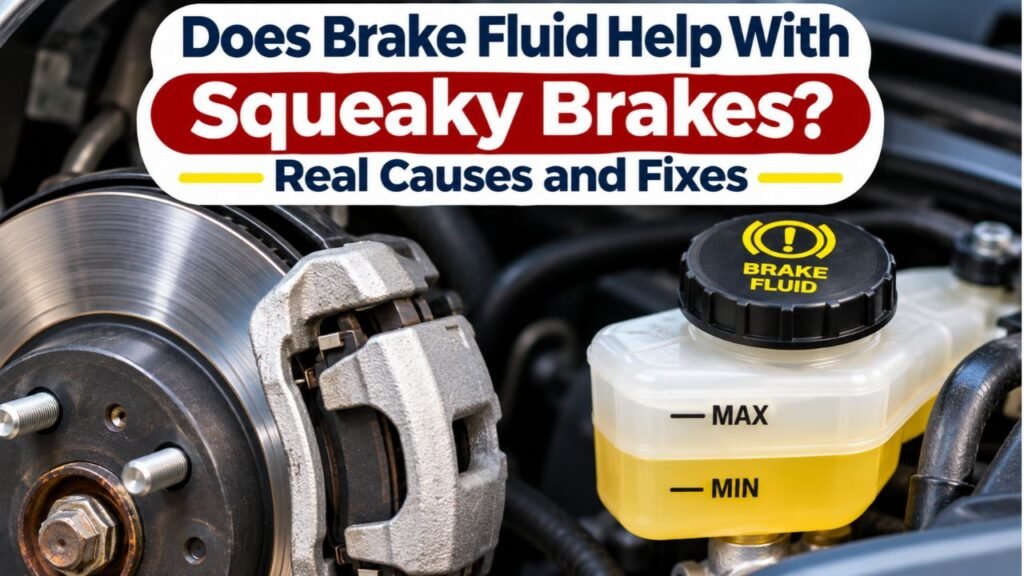
How to Check Brake Fluid Level
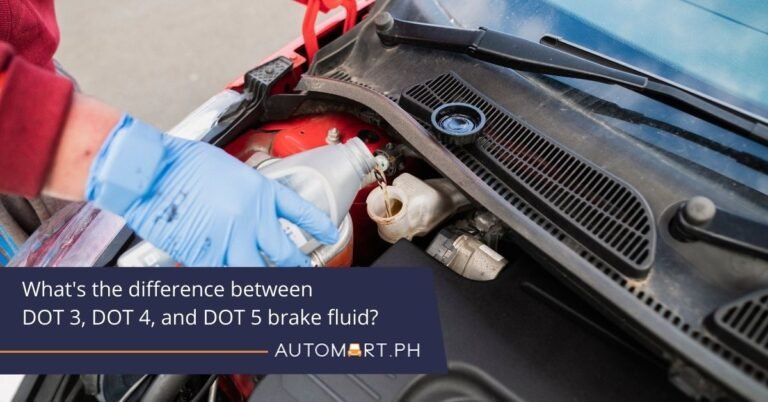
On many vehicles, the brake fluid reservoir is located in the engine compartment near the master cylinder.
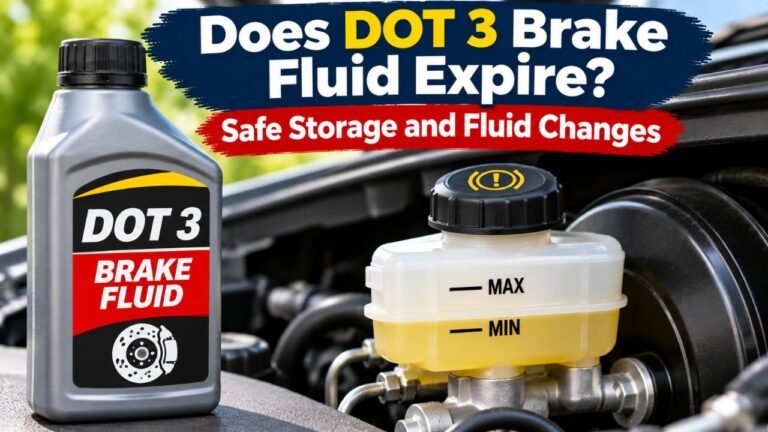
The translucent reservoir may have MIN and MAX markings.
The correct inspection procedure depends on the vehicle.
Check the owner’s manual.
If the level is unusually low, do not simply refill it and ignore the cause.
What Brake Fluid Should You Use?
Use only the type specified by the vehicle manufacturer.
Common fluid classifications include:
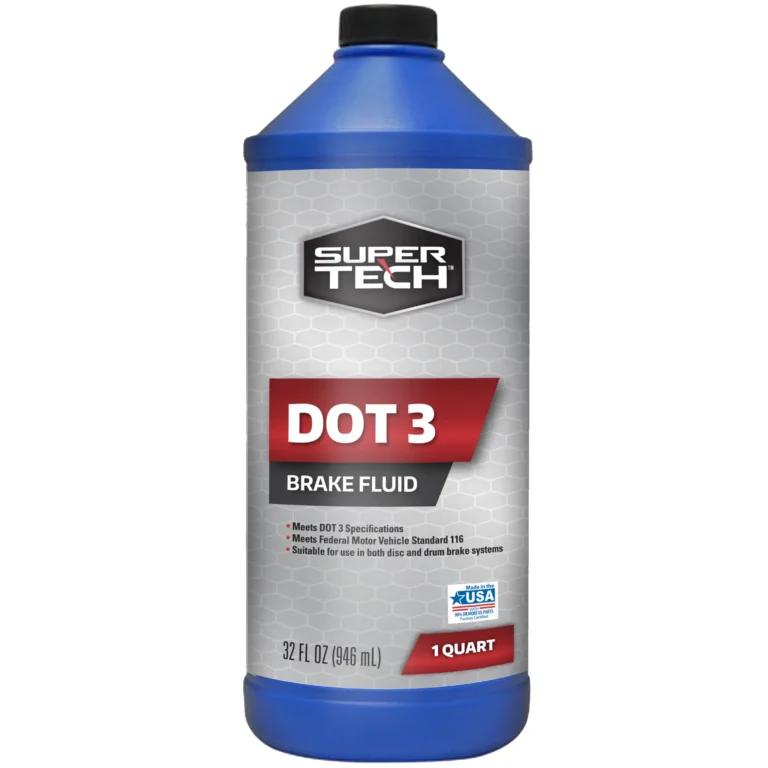
- DOT 3
- DOT 4
- DOT 5
- DOT 5.1
These fluids are not all interchangeable.
DOT 5 is generally silicone-based, while conventional DOT 3, DOT 4, and DOT 5.1 fluids are glycol-based.
Do not mix incompatible fluids.
Some vehicles also use specialized hydraulic fluids.
Follow the manufacturer’s exact specification.
Can the Wrong Brake Fluid Cause Problems?
Yes.
Using an incompatible fluid can damage seals and other hydraulic components.
It may also affect braking performance.
If the wrong fluid has been added, do not attempt to correct the problem simply by adding another type.
Have the system assessed by a qualified technician.
When Are Squeaky Brakes Dangerous?
Not every squeak indicates immediate danger.
However, some brake noises occur alongside serious mechanical or hydraulic faults.
Noise That May Be Temporary
A brief squeak after rain or overnight parking may result from light surface rust.
If braking is normal and the noise disappears promptly, it may not indicate a major problem.
However, repeated or worsening noise should still be assessed.
Noise That Needs Prompt Inspection
Schedule a brake inspection when:
- Squeaking occurs regularly.
- The sound becomes louder.
- The noise starts after a brake repair.
- A pad-wear warning appears.
- The vehicle develops abnormal vibration.
- Brake wear appears uneven.
- The noise continues even when the pedal is released.
Warning Signs That Require Immediate Attention
Stop driving as safely as possible and arrange assistance if you notice:
- A brake pedal sinking toward the floor
- Significantly reduced braking ability
- Suspected hydraulic fluid leakage
- Severe grinding
- Smoke or extreme heat from a wheel
- A brake warning accompanied by poor pedal response
Do not rely on adding fluid or performing a quick test drive when the vehicle may have compromised stopping ability.
Common Mistakes When Trying to Stop Squeaky Brakes
Avoid the following practices.
1. Pouring Brake Fluid Onto the Pads
Brake fluid is not an external brake lubricant.
It can contaminate the friction material and reduce braking effectiveness.
2. Spraying Oil or General Lubricant on Rotors
Oil and grease must never be applied to the friction surfaces.
They can interfere with proper braking.
3. Changing Fluid Without Inspecting the Pads
A fluid change will not replace worn friction material.
Inspect the mechanical components when noise persists.
4. Ignoring a Brake Fluid Leak
A leak is a hydraulic safety issue.
The cause must be repaired rather than repeatedly topping off the reservoir.
5. Assuming Every Squeak Means Worn Pads
Moisture, debris, hardware, and pad material can also produce noise.
Diagnosis should identify the actual cause.
6. Ignoring Grinding Sounds
Grinding may indicate severe wear or other damage.
Continuing to drive can worsen the problem and compromise braking.
7. Using the Wrong Brake Grease
Brake lubricants must be compatible with the components and rubber materials involved.
Use only approved products at the correct locations.
8. Overlooking New Brake Installation Problems
Persistent squeaking after installing new pads may reflect hardware, rotor, or installation issues.
Return the vehicle for inspection.
9. Assuming a Firm Pedal Means Every Brake Component Is Healthy
A normal pedal feel does not rule out worn pads, rotor problems, or sticking mechanical components.
10. Delaying Inspection Because the Noise Is Not Constant
Intermittent noise can still indicate wear or mechanical problems.
Consider whether the sound is recurring, worsening, or accompanied by other symptoms.
How to Prevent Squeaky Brakes
Not every brake noise can be prevented, but appropriate maintenance can reduce avoidable problems.
Follow the Brake Maintenance Schedule
Inspect the braking system at intervals recommended by the vehicle manufacturer.
Check pads, rotors, calipers, and hydraulic components as appropriate.
Replace Worn Pads Promptly
Do not wait until the pads produce severe grinding.
Replacing worn pads before they damage rotors may help prevent more expensive repairs.
Use Suitable Brake Components
Use parts that meet the vehicle manufacturer’s requirements.
Ensure proper installation and compatible hardware.
Keep Brake Hardware in Good Condition
Caliper guide pins, clips, and other components should be maintained according to the brake design.
Replace damaged hardware.
Use brake-specific lubricant only at approved locations.
Maintain Brake Fluid Properly
Follow the manufacturer’s fluid replacement recommendations.
Use the correct fluid.
Address leaks and other hydraulic faults promptly.
Avoid Prolonged Unnecessary Braking
On long downhill roads, follow the vehicle manufacturer’s recommendations for using appropriate transmission or regenerative braking features where available.
Excessive brake use can generate substantial heat.
Do not use unsafe driving maneuvers to quiet the brakes.
Investigate New Noises
A minor noise may become more serious if caused by component wear or a sticking caliper.
Early inspection can help identify the problem before additional damage develops.
Conclusion
So, does brake fluid help with squeaky brakes? Usually not. Brake fluid is designed to transmit hydraulic pressure inside the braking system, while squeaking generally results from friction and vibration involving pads, rotors, or brake hardware.
Adding or flushing brake fluid will not directly repair worn pads, damaged rotors, loose clips, or other common mechanical causes of squealing.
However, brake fluid remains essential to safe braking. Low fluid, leaks, air, and contamination can create serious hydraulic problems. In some cases, fluid-related corrosion may contribute indirectly to sticking calipers and abnormal wear.
I recommend identifying the source of the noise before paying for brake fluid service specifically to cure squeaking.
A brief squeak after rain may disappear naturally, but persistent squealing or grinding should be inspected.
Most importantly, never apply brake fluid, oil, or grease to brake pad or rotor friction surfaces.
Maintaining both the hydraulic and mechanical parts of the braking system is the safest way to preserve reliable stopping performance.
FAQs About Does Brake Fluid Help With Squeaky Brakes
Will Adding Brake Fluid Stop My Brakes From Squeaking?
Usually not.
Brake fluid transmits hydraulic pressure and does not lubricate the contact between brake pads and rotors.
Squeaking commonly results from worn pads, surface rust, vibration, or hardware problems.
If the fluid level is low, the cause should still be investigated.
Can Low Brake Fluid Cause Squeaky Brakes?
Not directly in most cases.
However, low fluid and squeaking may occur together when brake pads are worn.
Hydraulic problems can also contribute indirectly to abnormal brake operation.
Both the fluid level and mechanical components should be inspected.
Will Changing Brake Fluid Make Brakes Quieter?
Not usually.
A fluid change can help maintain hydraulic system performance when the existing fluid requires replacement.
However, it will not directly repair worn pads, damaged rotors, or loose brake hardware.
Can I Put Brake Fluid on My Brake Pads to Stop Squeaking?
No.
Brake fluid can contaminate the friction material and interfere with safe braking.
Never apply it to brake pads or rotor friction surfaces.
If contamination occurs, have the affected components inspected and repaired or replaced as necessary.
Why Are My Brakes Squeaking if the Pads Are Good?
Possible causes include brake dust, moisture, light rotor rust, dry hardware contact points, loose clips, glazing, and caliper movement problems.
An inspection can identify the actual cause.
Do not assume the hydraulic fluid needs replacement based only on noise.
Is Brake Grease the Same as Brake Fluid?
No.
Brake grease is a specialized lubricant used at specified mechanical contact points.
Brake fluid is used inside the hydraulic braking system.
Neither should be applied to the friction surfaces of brake pads or rotors.
Can Dirty Brake Fluid Make Brakes Squeal?
Dirty or moisture-contaminated brake fluid can contribute to internal corrosion and hydraulic problems.
If those problems cause a caliper to stick or pads to wear abnormally, noise may develop indirectly.
However, ordinary brake squeal is more often caused by friction surfaces or hardware.
Should I Drive if My Brakes Are Squeaking?
A brief squeak associated with moisture may be temporary when braking performance remains normal.
However, persistent or worsening squeaking should be inspected.
If the noise is accompanied by grinding, fluid leakage, a soft pedal, or reduced stopping power, do not continue driving until the system has been assessed.