How Often Should Brake Calipers Be Serviced? A Complete Maintenance Guide
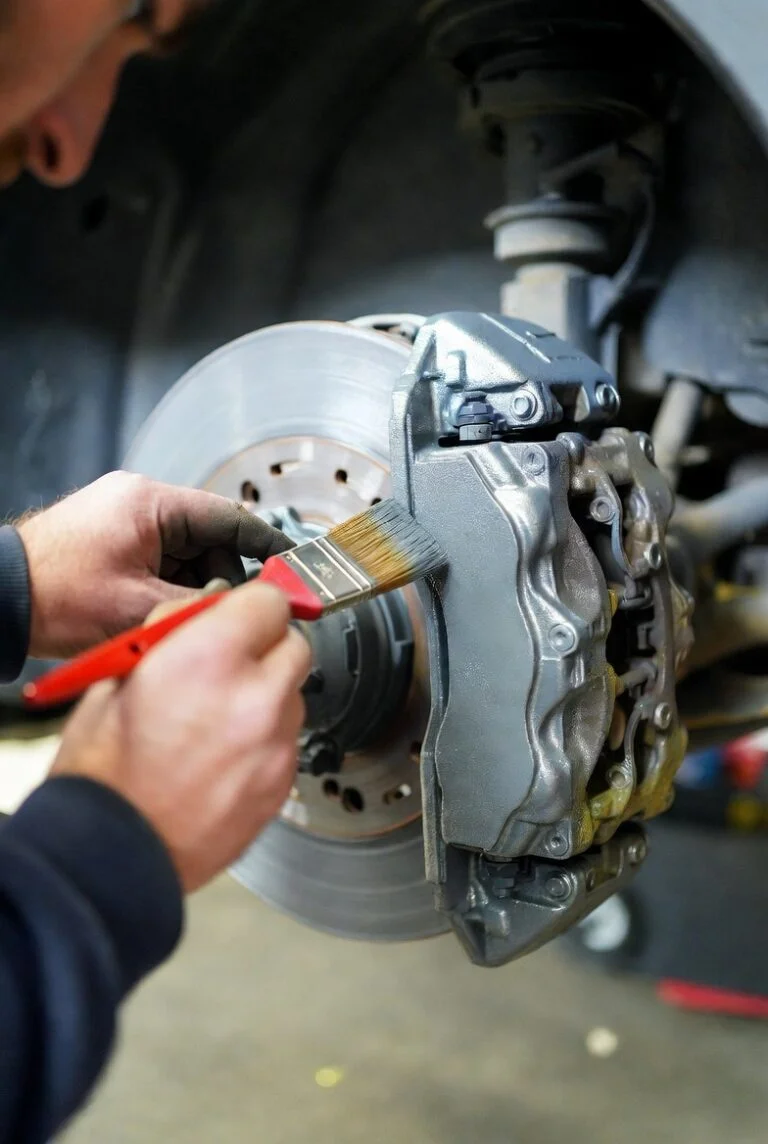
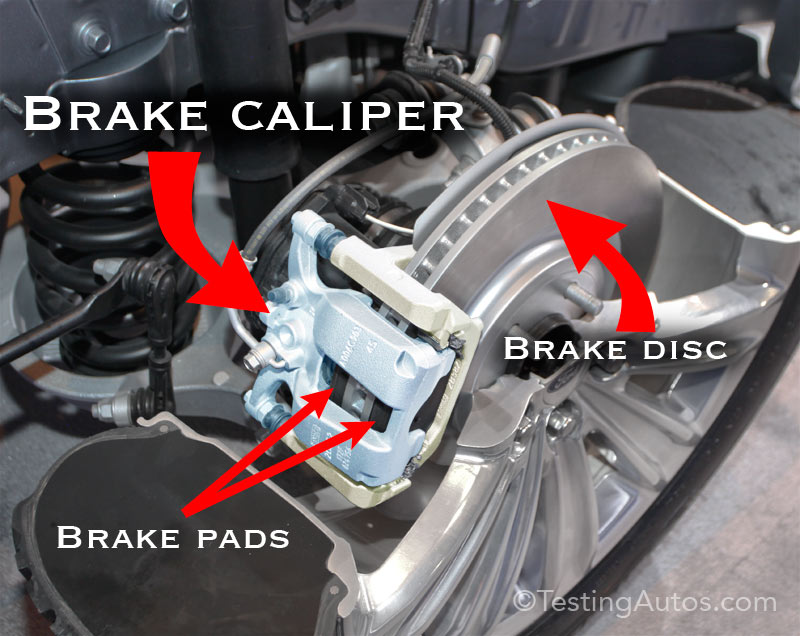
Knowing how often should brake calipers be serviced helps drivers protect their safety and avoid expensive repairs. Brake calipers are key parts of a disc brake system because they squeeze the brake pads against the rotor to slow the vehicle.
In my experience working with vehicle maintenance topics, many brake issues start with small caliper problems that drivers ignore. A sticking caliper, worn seal, or buildup of rust can slowly reduce braking performance before a major failure occurs.
For most drivers in the United States, a good habit is to have calipers checked during routine brake service or tire rotations. The right service schedule depends on the vehicle, mileage, driving style, and local conditions such as road salt or heavy traffic.
How Often Should Brake Calipers Be Serviced?
The answer to how often should brake calipers be serviced depends on how you drive and where you drive. Unlike brake pads, calipers do not have a fixed replacement interval because they often last much longer when properly maintained.
Many automotive professionals recommend inspecting brake calipers during regular brake checks, often around every 20,000 to 30,000 miles. Some vehicles may need service sooner if they face harsh weather, frequent stops, towing, or high-mileage use.
- ✦ Normal driving conditions
A routine inspection during scheduled brake service can help catch early caliper problems before they affect safety.
- ✦ Severe driving conditions
Heavy traffic, mountain driving, towing, and salty roads may require more frequent brake caliper inspections.
- ✦ Older vehicles
Cars with higher mileage may need more attention because seals, slides, and moving parts can wear over time.
Why Brake Caliper Service Timing Matters
Brake calipers control how evenly your vehicle stops. When a caliper sticks or does not move correctly, one wheel may brake harder than another.
Regular checks help keep brake pressure balanced and allow technicians to clean, lubricate, or repair parts before bigger damage develops.
What Happens During a Brake Caliper Service?
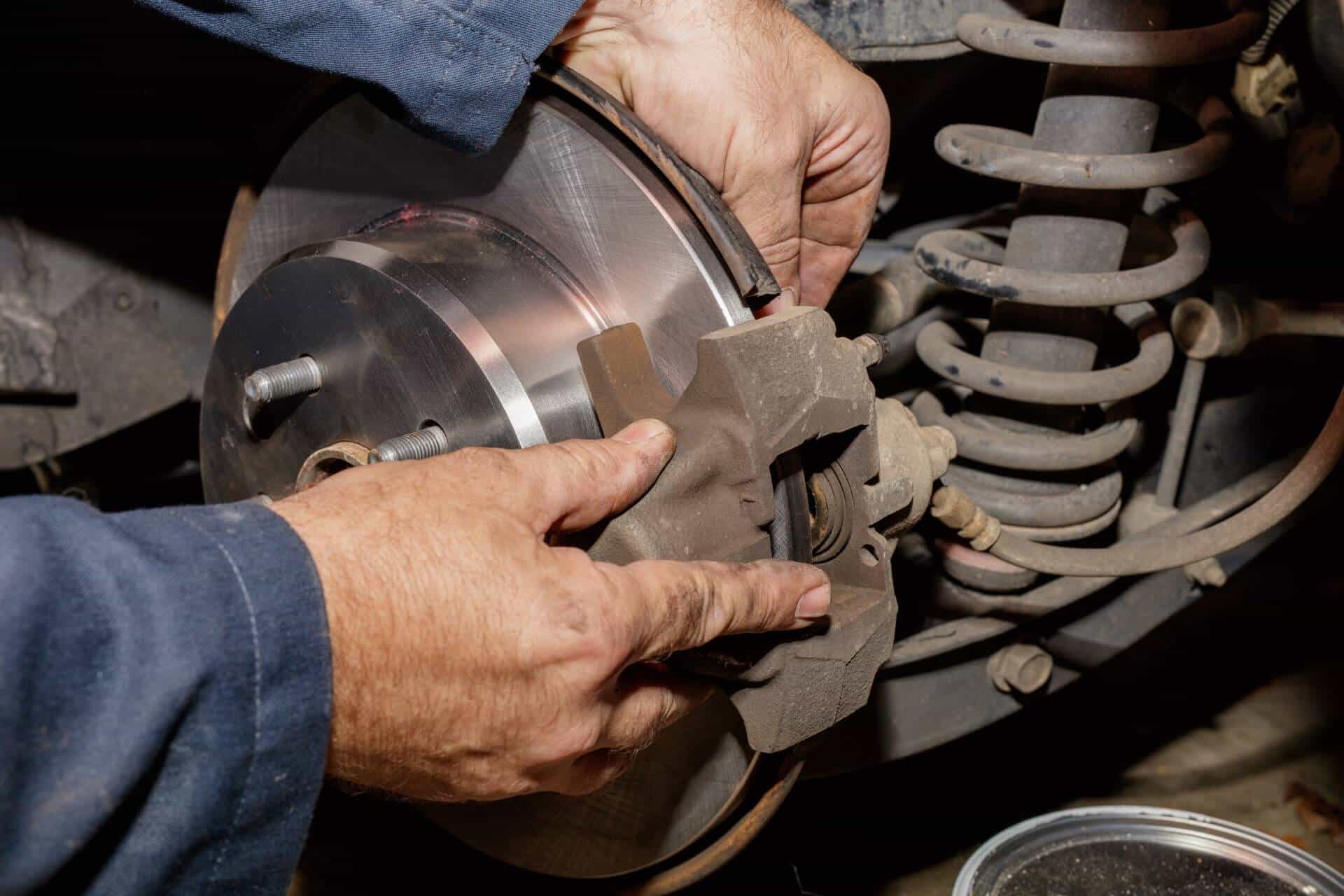
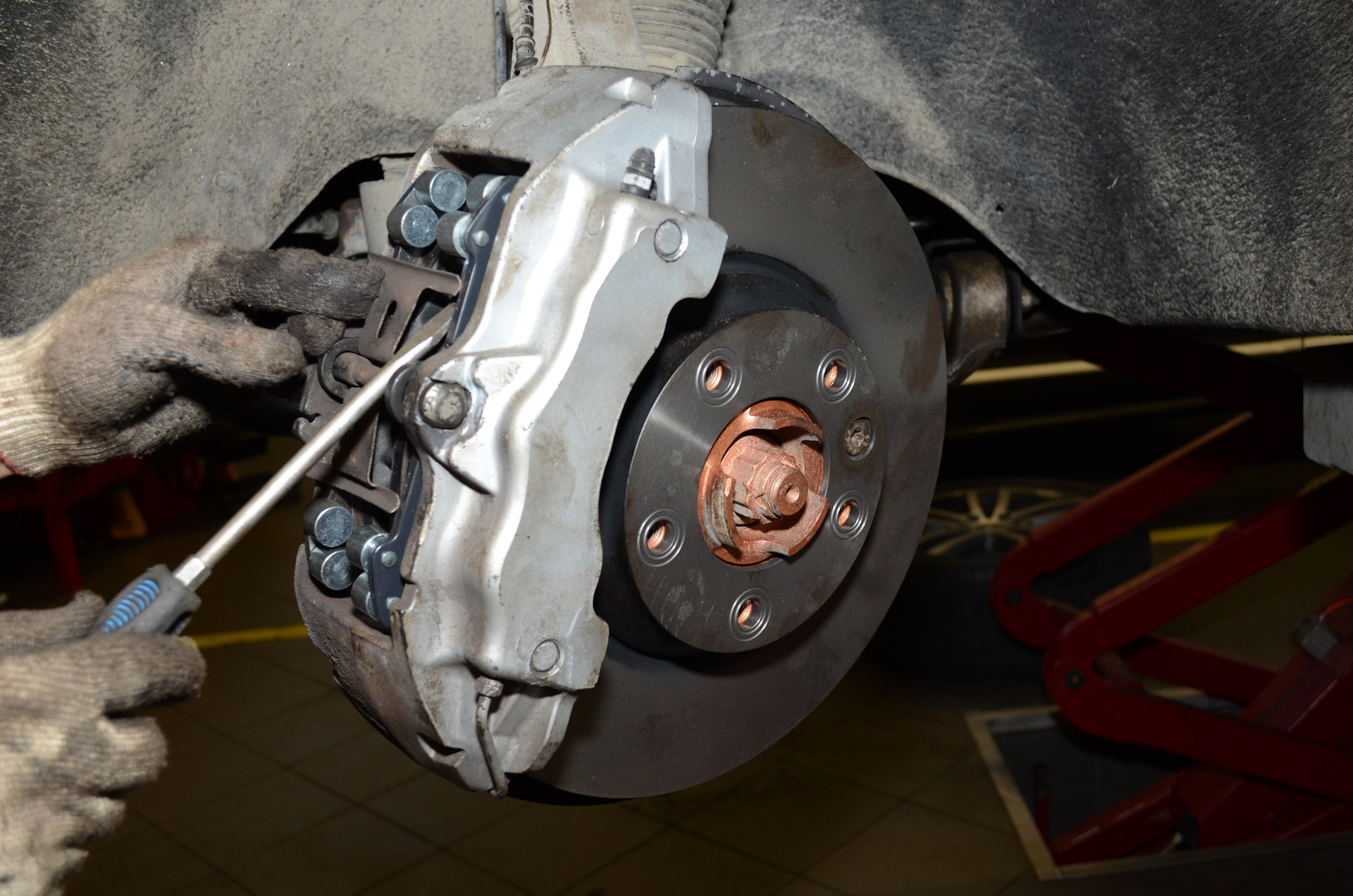
Brake caliper service involves inspecting the caliper assembly and checking that all moving parts work correctly. A technician may remove brake components, clean contact areas, and apply the correct lubricant where needed.
A proper service is more than a quick visual check. It helps identify worn seals, damaged slide pins, corrosion, and other issues that can reduce brake performance.

- ✦ Caliper inspection
Technicians check for cracks, leaks, corrosion, and signs that the caliper is sticking.
- ✦ Slide pin maintenance
Cleaning and lubricating slide pins helps the caliper move smoothly and keeps brake pad wear even.
- ✦ Brake fluid check
Brake fluid condition is reviewed because moisture or contamination can affect braking performance.
Brake Caliper Cleaning and Lubrication
Cleaning removes dirt and rust that may prevent normal movement. Lubrication helps parts move freely without causing brake drag.
Using the correct brake-safe products matters because some lubricants can damage rubber seals or reduce brake performance.
- ✦ Better movement
Clean and lubricated parts allow the caliper to apply and release brake pressure correctly.
Signs Your Brake Calipers Need Service
Understanding warning signs can help answer how often should brake calipers be serviced for your specific vehicle. Some drivers wait until braking feels unsafe, but early symptoms are easier and cheaper to fix.
A brake inspection is recommended if you notice changes in braking feel, unusual sounds, or differences between how the wheels wear.
- ✦ Vehicle pulls to one side
A sticking caliper may apply uneven pressure and cause the vehicle to drift during braking.
- ✦ Uneven brake pad wear
Pads wearing differently from side to side can indicate caliper movement problems.
- ✦ Burning smell or excess heat
A dragging caliper can create extra friction and heat near one wheel.
- ✦ Brake fluid leaks
Visible fluid near a caliper may indicate a damaged seal or hydraulic issue.
Factors That Affect Brake Caliper Service Frequency
There is no single answer for how often should brake calipers be serviced because every vehicle experiences different conditions. Your driving pattern, environment, and maintenance habits all play a role.
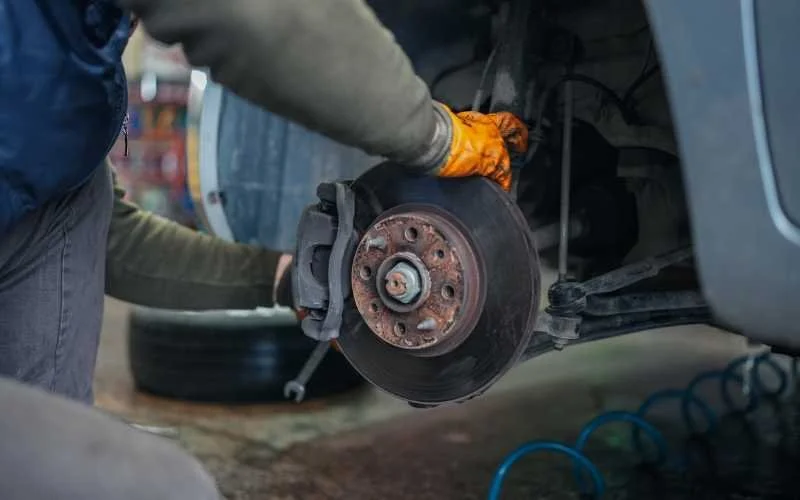
Drivers in areas with snow and road salt may see more corrosion. People who drive in cities with frequent stop-and-go traffic may put more stress on brake components.
- ✦ Climate conditions
Moisture, salt, and temperature changes can speed up corrosion and wear.
- ✦ Driving style
Hard braking and frequent stops increase heat and stress on brake parts.
- ✦ Vehicle use
Towing, carrying heavy loads, or commercial driving can require more frequent inspections.
City Driving Versus Highway Driving
City drivers often use brakes more because of traffic lights and congestion. This repeated braking can create more heat and wear.
Highway drivers may use brakes less often, but heavy loads and long downhill roads can still create stress.
Can You Extend the Life of Brake Calipers?
Good maintenance can help brake calipers last longer. Simple habits like regular inspections and fixing brake issues early reduce stress on the entire braking system.
Many brake problems become more expensive when drivers delay repairs. Taking care of small issues can protect rotors, pads, and other brake components.
- ✦ Follow service schedules
Regular brake checks help identify problems before they become major repairs.
- ✦ Replace worn brake parts
Old pads and damaged components can place extra stress on calipers.
- ✦ Keep wheels clean
Removing dirt and buildup can help reduce corrosion around brake parts.
Brake Caliper Repair Versus Replacement
A damaged caliper does not always need replacement. Some issues can be fixed through cleaning, lubrication, or rebuilding with new seals and hardware.
Replacement may be needed when the caliper has severe corrosion, cracks, major leaks, or internal damage. A technician can determine the safest option after inspection.

- ✦ Repair may work for
Minor sticking, dirty slide pins, or worn seals may sometimes be corrected with proper service.
- ✦ Replacement may be needed for
Severe damage or unsafe conditions usually require a new caliper assembly.