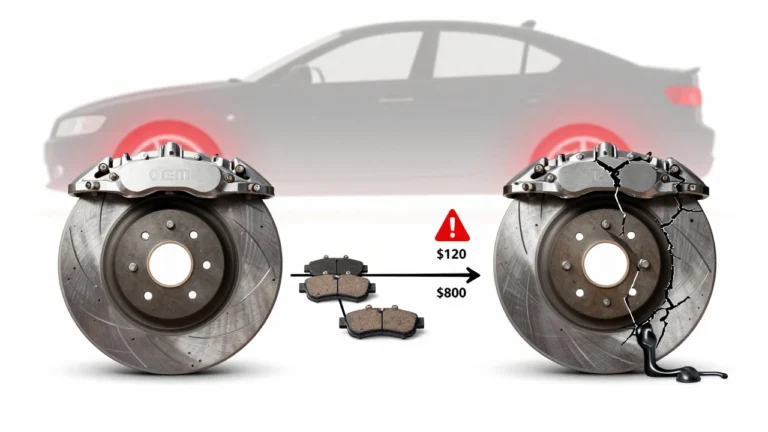
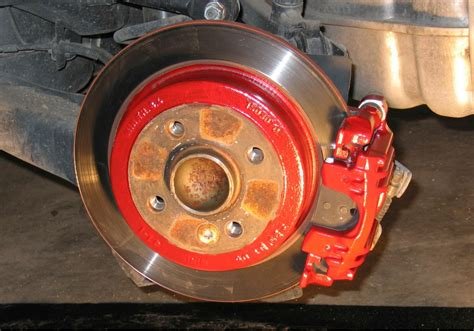
Does Painting Brake Calipers Void Warranty: Explained Clearly
Painting brake calipers generally does not void a vehicle’s entire warranty. What usually matters is whether the paint or the preparation caused the specific failure being claimed, and whether the work damaged a covered part or interfered with brake operation.
If you are asking, does painting brake calipers void warranty, the practical answer is usually no—but warranty coverage can become more complicated if paint reaches friction surfaces, seals, bleeder screws, brake lines, or other components.
Does Painting Brake Calipers Void Warranty?
In the United States, a manufacturer generally cannot cancel every part of a factory warranty simply because you painted a brake caliper. A warranty claim is normally evaluated according to the failed component and the cause of the failure.
For example, painting a caliper would not normally affect an unrelated claim involving the infotainment system, air conditioning, power windows, or engine sensors. The manufacturer or dealer would need a reasonable connection between the modification and the problem being denied.
However, painting can affect coverage for a brake-related claim if the work was performed incorrectly. A dealer may question coverage if paint causes a caliper piston to stick, contaminates the brake pad or rotor, blocks a bleeder screw, damages a seal, or prevents proper inspection of corrosion or defects.
What Warranty Law Usually Means
Many factory vehicle warranties are governed in part by the federal Magnuson-Moss Warranty Act. In general terms, a manufacturer cannot automatically deny warranty coverage merely because an owner used an aftermarket part or made a modification.
That does not mean every modification is protected in every situation. If the manufacturer can show that the modification caused the damage, the related claim may be denied. State law, the written warranty, the vehicle’s age, and the type of warranty can also affect the result.
A warranty denial should identify the reason for the decision. “You painted the calipers” alone may not explain why a particular brake failure is excluded. A more specific explanation would connect the painted area or the painting process to the alleged defect.
This is a general consumer-information principle, not a legal determination for a specific dispute. If a high-value claim is denied, review the written warranty and consider contacting the manufacturer’s customer-care department or a qualified attorney in your state.
When Caliper Paint May Affect Coverage
Painting brake calipers creates the greatest warranty risk when it changes the condition or operation of the braking system. The following situations may give a dealer a legitimate reason to investigate or deny a related claim.
Paint on friction surfaces
Brake pads and rotors must maintain clean, predictable contact. Paint on the rotor’s braking surface, the pad material, or the caliper bracket where the pad must slide can interfere with braking performance.
Overspray may also create noise, uneven braking, reduced friction, or accelerated wear. If a brake problem is linked to contamination from the painting process, the warranty claim may not be covered because the condition resulted from owner-applied material.
Blocked or damaged hardware
A caliper includes more than its visible outer housing. It may contain a piston, dust boot, seals, slide pins, bleeder screw, brake hose connection, and mounting hardware. Paint applied to the wrong area can make service difficult or affect how parts move.
Paint on a bleeder screw can make future bleeding harder. Paint on slide pins or their bores can restrict movement. Paint around a piston or dust boot may interfere with inspection or contribute to sticking if the coating is too thick or improperly applied.
Heat-related coating failure
Brake calipers operate in a high-temperature environment. Ordinary automotive paint may blister, peel, discolor, or release debris when exposed to repeated braking heat. A failed coating does not automatically cancel the vehicle warranty, but it can complicate a claim involving the caliper or nearby brake parts.
The important distinction is between a cosmetic coating failure and a mechanical defect. Peeling paint may be a paint-product or application issue. A seized caliper, damaged seal, or uneven braking requires a separate analysis of cause.
Paint covering corrosion or defects
Heavy coating can hide cracks, corrosion, leaks, casting defects, or other conditions that a technician needs to see. If a warranty inspection shows that the part was altered or covered before the defect could be evaluated, the dealer may request additional evidence or question the claim.
This is especially relevant when paint is applied without removing rust or when several layers are sprayed over an already damaged caliper. Cosmetic preparation should not be used to conceal a mechanical problem.
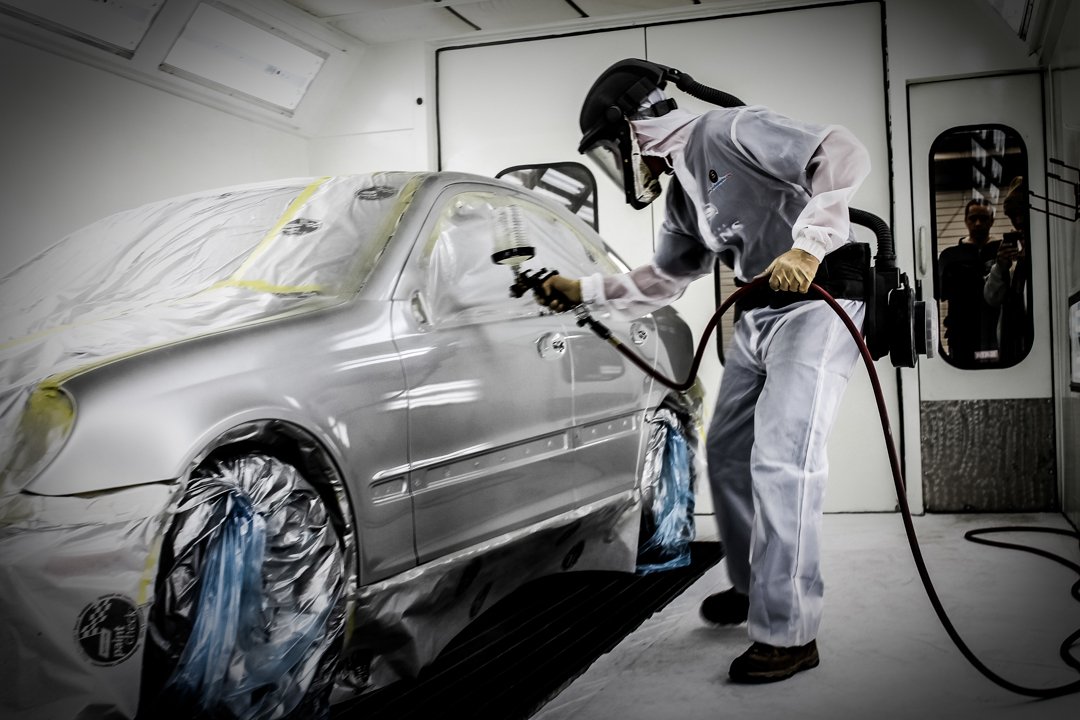
Does a Dealer Have to Honor Every Brake Claim?
No. A factory warranty does not guarantee coverage for every brake issue. Many warranties treat wear items differently from defective components. Brake pads, rotors, and related friction materials may have limited coverage or may be excluded after normal use, depending on the warranty terms.
Brake calipers can be different because they are mechanical components rather than ordinary friction materials. A defective caliper, leaking piston seal, or failed mounting component may receive warranty consideration if the part is covered and the failure is not caused by misuse, collision damage, corrosion exclusion, or an aftermarket modification.
Painting the caliper does not by itself decide the claim. The relevant questions are:
- Is the caliper or related brake component covered by the written warranty?
- What exact part failed?
- Was the failure caused by normal wear, a manufacturing defect, an accident, corrosion, or the painting process?
- Did the paint reach a surface that must remain clean or movable?
- Can the technician inspect the component properly?
A dealer may inspect the vehicle before deciding. If the claim is denied, ask for the explanation in writing and request that it identify the failed part, the alleged cause, and the warranty provision being applied.
How to Paint Calipers Without Creating Problems
The safest approach is to treat caliper painting as a cosmetic modification that must not interfere with the hydraulic or friction systems. Before starting, read the vehicle warranty and any instructions from the brake or caliper manufacturer.
Protect critical areas
Do not paint the rotor’s braking surface, pad friction material, pad hardware contact points, piston, dust boot, bleeder screw opening, brake hose fittings, or sealing surfaces. Mask these areas carefully rather than relying on a quick spray from a distance.
If a caliper is removed, the brake hose should not be left hanging or placed under unnecessary strain. Hydraulic work can introduce air or cause leaks, so any disconnection should be handled using the manufacturer’s service procedure.
Use a product intended for brake calipers
Choose a coating specifically labeled for high-temperature automotive brake applications. Follow the product’s preparation, curing, and temperature instructions. A coating that is unsuitable for calipers may fail quickly or create a thicker layer than the hardware can tolerate.
More paint is not better. Thin, even coats are generally easier to control and less likely to interfere with clearances. Avoid coating threaded holes, sliding surfaces, machined faces, and areas where components must seat directly against one another.
Keep preparation controlled
Clean dirt and loose surface rust without aggressively removing material from the caliper. Do not grind away identifying marks, damage the casting, or use a cleaning method that forces debris into seals and moving parts.
After painting, verify that the pads move correctly, the rotor is clean, the caliper is secure, and no coating has reached the brake hose, bleeder, piston boot, or pad contact areas. If the brake system was opened, it must be properly bled and checked for leaks before driving.
How to Protect a Future Warranty Claim
Documentation can make a warranty discussion easier. Keep the product label, receipt, date of application, and photographs showing the caliper before and after painting. If a professional shop performed the work, retain the invoice and ask the shop to note which areas were masked or left uncoated.
Do not paint over an existing leak, cracked part, severe corrosion, or a warning sign. Have the brake system inspected first. A pre-existing defect can become difficult to distinguish from damage allegedly caused by the modification.
If the vehicle is new or still within a valuable warranty period, asking the dealer for written guidance before painting can reduce uncertainty. The dealer may not be able to promise coverage for every future claim, but a written response can clarify whether the planned work conflicts with a specific warranty condition.
For aftermarket calipers, read the component manufacturer’s warranty separately from the vehicle manufacturer’s warranty. The aftermarket warranty may have its own rules about refinishing, disassembly, powder coating, chemical exposure, and modifications. A vehicle warranty and a brake-component warranty are not necessarily governed by the same terms.
What to Do If Coverage Is Denied
First, ask the service adviser for the denial in writing. Request the diagnostic findings, photographs if available, and the specific warranty language used. A verbal statement that the warranty is void is not the same as a documented explanation of why the particular repair is excluded.
Next, ask whether the dealer is denying the entire warranty or only the brake-related repair. In most situations, the issue should be limited to damage or failure that is reasonably connected to the painted component. Painting a caliper should not normally eliminate coverage for unrelated systems.
You can also contact the vehicle manufacturer’s customer-care department and provide maintenance records, photographs, receipts, and the dealer’s written findings. If another qualified brake professional offers an independent evaluation, keep that report, especially if it addresses whether paint could have caused the alleged failure.
A warranty dispute may ultimately require legal advice, particularly if the repair is expensive or the manufacturer refuses to explain its position. Avoid continuing to drive a vehicle with a brake warning light, leaking caliper, sticking brake, unusual pull, or other possible safety defect while the dispute is pending.
Conclusion
So, does painting brake calipers void warranty? Usually, no: the modification does not automatically cancel the entire vehicle warranty. The real issue is whether the paint or the application caused the specific brake problem, obstructed inspection, or violated the written terms of a component warranty. Protect critical brake surfaces, use the correct coating, document the work, and request any denial in writing.