Does Brake Fluid Go Bad in the Bottle? Life, Storage, and Safety
Does brake fluid go bad in the bottle? Yes, especially after the container has been opened. Most common brake fluids such as DOT 3, DOT 4, and DOT 5.1 absorb moisture from the air, and that moisture can gradually reduce the fluid’s performance.
A sealed bottle can last much longer because outside air and humidity cannot easily reach the fluid. Once the cap has been opened, however, the fluid starts becoming more vulnerable to moisture and contamination.
As a brake technician, I do not treat an opened bottle of brake fluid the same way I treat engine oil or windshield washer fluid. Brake fluid works inside a sensitive hydraulic system, so cleanliness matters.
In this guide, I will explain how long brake fluid can last in a bottle, why opened fluid goes bad faster, how to spot questionable fluid, and how I recommend storing it safely.
Does Brake Fluid Go Bad in the Bottle?
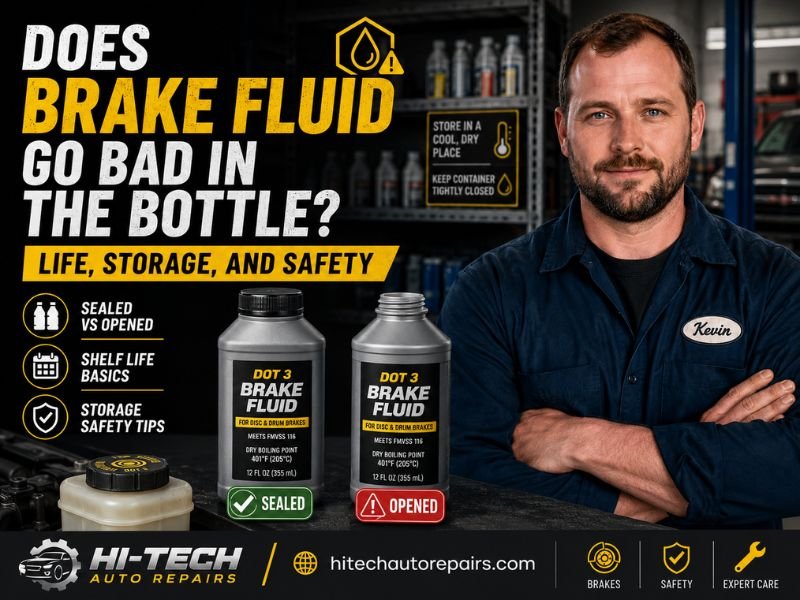
Yes, brake fluid can degrade while sitting in a bottle.
The main issue is moisture contamination. DOT 3, DOT 4, and DOT 5.1 fluids are hygroscopic, meaning they naturally absorb moisture from the surrounding air.
When the bottle is factory sealed, this process is very slow because the fluid is protected from humidity. Once opened, even a tightly closed bottle may have already been exposed to moist air.
Brake fluid does not necessarily “spoil” in the same way food does. Instead, its chemical condition changes, and its boiling performance can get worse.
That is why I prefer using fresh fluid whenever I am unsure about the history of an opened bottle.
How Long Does Unopened Brake Fluid Last?
Unopened brake fluid usually lasts much longer than opened fluid, but there is no single shelf-life number that applies to every brand.
The manufacturer’s packaging should always be your first reference. Some bottles may include a production date, lot code, expiration date, or storage recommendation.
A properly sealed bottle stored in a cool, dry place is generally far better protected from moisture than one that has already been opened.
Before using an older unopened bottle, I check the cap, seal, and container carefully. If the bottle is leaking, swollen, cracked, or the seal appears damaged, I do not use it.
I also avoid fluid that has been stored in harsh conditions, such as direct sunlight, excessive heat, or a damp garage for years.
If the bottle looks questionable, fresh brake fluid is the safer choice.
How Long Does Brake Fluid Last After Opening?
Opened brake fluid has a much shorter practical storage life because air has already entered the container.
Every time you remove the cap, the fluid is exposed to humidity. Even after you close it again, some moist air remains trapped inside the bottle.
The exact usable period depends on the brand, bottle design, storage conditions, and how often it has been opened.
This is why I do not rely on a universal rule such as “all opened brake fluid is good for exactly one year.” Manufacturer guidance matters more than a general estimate.
In my own work, I prefer buying the smallest bottle needed for the job instead of keeping a half-used container for a long period.
That approach reduces waste and lowers the chance of putting moisture-contaminated fluid into the brake system.
Why Brake Fluid Goes Bad After Opening
Brake Fluid Absorbs Moisture
The biggest reason is its hygroscopic nature.
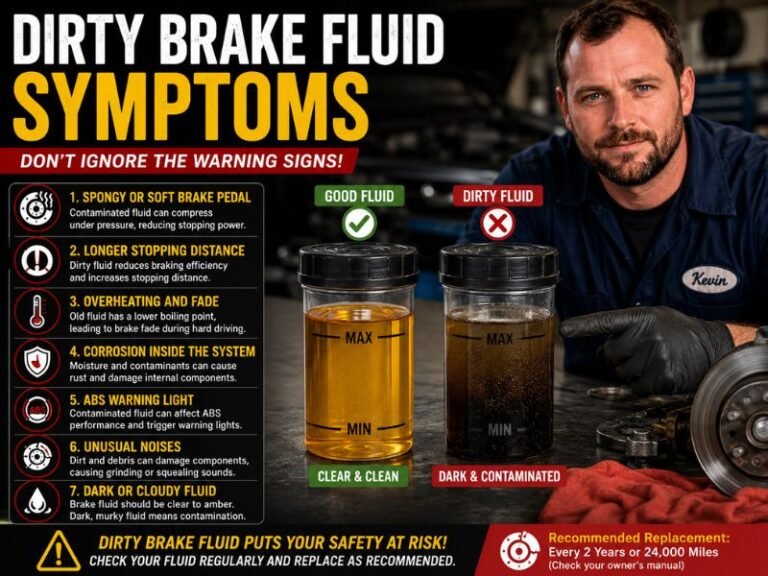
DOT 3, DOT 4, and DOT 5.1 brake fluids pull moisture from the air over time. This may happen slowly, but it matters because brake systems can reach high temperatures.
The more moisture the fluid contains, the less reliable its high-temperature performance may become.
Moisture Lowers the Boiling Point
Brake fluid must remain liquid while the brakes get hot.
If too much moisture enters the fluid, its boiling point can drop. Under severe braking, this can increase the chance of vapor forming inside the hydraulic system.
Vapor compresses more easily than liquid brake fluid, which may contribute to a soft or spongy brake pedal and brake fade.
This is one reason fresh, properly stored brake fluid matters.
Dirt and Contaminants Can Enter
Moisture is not the only problem.
An opened bottle may also be exposed to dust, dirt, water, grease, or petroleum products. Even small amounts of contamination can be harmful to seals and hydraulic components.
I never use a funnel, syringe, or container that has previously held engine oil, coolant, transmission fluid, or power steering fluid for brake fluid service.
How to Tell If Brake Fluid in a Bottle Is Bad
The Bottle Has Been Open for a Long Time
If you cannot remember when the bottle was opened, that alone is a reason to be cautious.
The fluid may look perfectly normal while still containing moisture.
Appearance does not always tell you everything about its condition.
The Fluid Looks Cloudy or Dirty
Brake fluid should not contain visible dirt, sediment, or unusual cloudiness.
If I see particles, separation, or obvious contamination, I discard the fluid.
Dark color can sometimes suggest aging, but color alone is not a perfect test. Some fresh fluids are naturally darker than others.
The Cap or Seal Is Damaged
A loose cap, damaged seal, or cracked bottle allows more air and moisture to reach the fluid.
I would not trust brake fluid from a container that cannot be sealed properly.
You Do Not Know How It Was Stored
Storage history matters.
A bottle kept tightly closed in a dry cabinet is very different from one left open in a humid garage.
If I do not know the storage history, I usually choose a fresh bottle.
Do not use questionable brake fluid just to save a few dollars.
Can You Use Old Brake Fluid From an Open Bottle?
Sometimes old fluid may still be usable, but guessing is not something I recommend for a braking system.
The fluid may look clear and clean while still having absorbed moisture.
For that reason, I check the manufacturer’s instructions and consider how long the bottle has been open and how it was stored.
If I cannot verify those details, I use fresh fluid.
Brake fluid is relatively inexpensive compared with the cost of repairing a master cylinder, ABS hydraulic unit, caliper, or other damaged brake component.
Fresh fluid also removes one variable from the repair. If a braking problem occurs later, I know questionable fluid was not the cause.
How to Store Brake Fluid Properly
Proper storage helps brake fluid last longer.
Keep the cap tightly closed whenever the bottle is not being used. Do not leave it sitting open while you work on other parts of the vehicle.
Store brake fluid in its original container. The original packaging is labeled with the fluid type and is designed for chemical compatibility.
Keep the bottle in a cool, dry location away from direct sunlight and excessive heat.
Avoid humid areas when possible because moisture is the main enemy of common glycol-based brake fluids.
Never transfer brake fluid into an unmarked bottle. This creates a serious risk of using the wrong fluid later.
Also, keep it away from oils and petroleum products. A small amount of contamination can damage rubber seals inside the brake system.
Whether your vehicle uses DOT 3, DOT 4, or DOT 5.1, always follow the specification listed in the owner’s manual or on the reservoir cap.
Does DOT 5 Brake Fluid Go Bad the Same Way?
DOT 5 brake fluid is different from DOT 3, DOT 4, and DOT 5.1.
DOT 5 is silicone-based and is not hygroscopic in the same way glycol-based brake fluids are. That means it does not absorb moisture from the air in the same manner.
However, that does not mean DOT 5 can never become contaminated.
Water, dirt, or other foreign material can still enter the bottle and create problems.
More importantly, DOT 5 should not be substituted for another fluid type unless the vehicle manufacturer specifically requires or allows it.
Never mix brake fluid types just because the DOT numbers look similar.
DOT 5 and DOT 5.1 are especially easy for beginners to confuse, but they are chemically different.
FAQs About Brake Fluid Shelf Life
Does unopened brake fluid expire?
It can. Shelf life varies by manufacturer, packaging, and storage conditions.
Always check the label or manufacturer guidance before using an older bottle.
Is 2-year-old opened brake fluid still good?
I would not assume that it is.
How often it was opened, how tightly it was sealed, and where it was stored all matter. If its history is uncertain, fresh fluid is the safer option.
Can I test old brake fluid before using it?
Moisture testers are available, but for a small bottle of old stored fluid, buying a fresh sealed bottle is often simpler and safer.
Does brake fluid go bad if the cap is tight?
It degrades more slowly when tightly sealed.
However, once the bottle has been opened, moisture exposure has already started.
Can old brake fluid damage the brake system?
Contaminated or moisture-heavy fluid can reduce high-temperature performance and may contribute to corrosion or hydraulic problems over time.
Conclusion
So, does brake fluid go bad in the bottle? Yes, especially after the container has been opened. DOT 3, DOT 4, and DOT 5.1 fluids absorb moisture from the air, which can lower performance and make old fluid less suitable for brake service.
An unopened, properly stored bottle usually lasts much longer, but I still recommend checking the manufacturer’s shelf-life guidance before use.
As a brake technician, I prefer using fresh brake fluid whenever I cannot verify when a bottle was opened or how it was stored.
Keeping brake fluid sealed, clean, and dry is simple, and it helps protect important components such as the master cylinder, calipers, brake lines, and ABS hydraulic system.