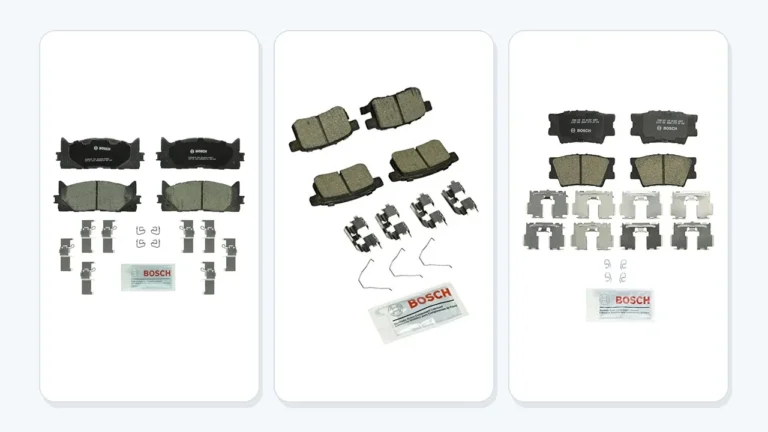
5 Best Brake Pads for Towing That Stay Cool Under a Heavy Trailer
As an Amazon Associate, we earn from qualifying purchases made through links in this post, at no extra cost to you.
Buy the wrong brake pads and a heavy trailer can make every downhill stop feel longer and hotter. Cheap mismatched pads may fade after repeated braking, squeal through the cab, or force you to redo the job when the fit is wrong. That is an unpleasant surprise before a towing trip.
Brake pads for towing need the right vehicle fit, a friction material suited to heat, and hardware that lets the pads move correctly in the caliper. Those details matter because trailer weight adds work to the tow vehicle, especially on long grades where repeated pedal applications can build heat.
Here is what this guide covers:
- Which front and rear sets match the listed truck applications.
- How carbon-fiber ceramic material affects towing heat and noise.
- What fitment, rotors, bedding, and brake fluid checks belong on the same job.
- How to use and maintain tow vehicle brakes before a loaded trip.
Quick Picks
-
Best For Chevy Truck Front Brakes

PowerStop Z36 Truck & Tow Brake Pads
Carbon-fiber ceramic pads and included hardware support quieter, stronger front braking for Chevy trucks and SUVs used for towing.
-
Best For Chevy Truck Rear Brakes
PowerStop Z36 Truck & Tow Brake Pads MMMC
Rear carbon-fiber ceramic pads with installation hardware help Chevy truck owners manage towing loads and repeated braking.
Top 5 Brake Pads for Towing at a Glance
The first two choices suit Chevy truck and SUV owners who need front or rear replacement pads for towing. The remaining choices cover specific Ram and Ford applications, so vehicle fit, axle position, and towing habits separate the group more than appearance does.
| Product image | Product name | Check product |
|---|---|---|
| 1 |
PowerStop Z36 Truck & Tow Brake Pads | Check Price |
| 2 |
PowerStop Z36 Truck & Tow Brake Pads MMMC | Check Price |
| 3 |
PowerStop Z36 Truck & Tow Brake Pads TT24 | Check Price |
4 |
PowerStop Evolution Truck & Tow Z36 Brake | Check Price |
| 5 |
PowerStop Z36 Truck & Tow Brake Pads PH98 | Check Price |
5 Best Brake Pads for Towing: Detailed Reviews
When I chose the best brake pads for towing, I paid attention to friction material, axle position, vehicle fit, included hardware, and heat-related use. Those details help prevent a pad change that fits the box but does not suit the truck, trailer weight, or driving route.
The choices here are not universal sets, and several are made for one axle or one vehicle family. Comparing them side by side helps you avoid buying rear pads for a front axle, choosing the wrong Ram or Ford application, or assuming that every carbon-fiber ceramic set has the same fit.
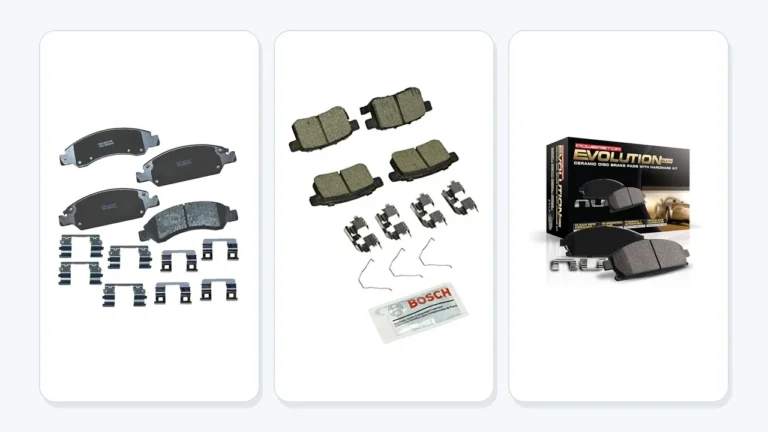
1. PowerStop Z36 Truck & Tow Brake Pads
Carbon-fiber ceramic pads and included hardware support quieter, stronger front braking for Chevy trucks and SUVs used for towing.
- ColorStainless-Steel
- SizeNormal
- Warranty12-Month / 12,000-Mile Limited Warranty
- Release Date2013-12-24T00:00:01Z
PowerStop Z36 Front Pads are front brake pads for Chevy Silverado 1500, Chevy Tahoe, and GMC Yukon owners who tow, haul, or drive in hilly areas.
The main material is carbon-fiber ceramic, a friction compound designed to handle braking work while keeping pad noise lower than some harder-feeling materials. In daily driving, that can mean a more comfortable brake pedal and less squeal during ordinary stops. For a truck pulling a trailer, the material is aimed at the added heat and load rather than light passenger-car use alone.
This front set also includes installation hardware. Hardware means the small clips and fitting pieces that help the pads sit and slide correctly in the caliper. Correct movement matters because a pad that cannot release or center properly can wear unevenly and waste the money spent on the repair.
PowerStop describes the Z36 Truck & Tow design as suited to trucks, SUVs, 4×4 vehicles, mountainous driving, lifted trucks, towing, and hauling. That does not make the set a cure for worn rotors, weak calipers, overloaded trailers, or poor driving technique. Brake fade can still happen if the whole braking system is overheated.
Fitment deserves special attention here. The listed application is for the front axle, and the truck or SUV year, engine, brake package, and rotor size can change what fits, so confirm the vehicle before ordering.
Pros:
- Carbon-fiber ceramic material, suited to truck and towing loads.
- Front axle design, matched to listed Chevy applications.
- Installation hardware included, simplifying a complete pad change.
- Built for towing, hauling, hills, and 4×4 driving.
- Limited warranty, adding a defined coverage period.
Cons:
- Front pads only, so rear replacement requires a separate set.
- Fitment must be confirmed by vehicle and brake configuration.
- Pads cannot correct damaged rotors or sticking calipers.
Buy it if: you tow with a listed Chevy truck or SUV, because the front carbon-fiber ceramic compound and included hardware address the heat and service demands of that use.
Skip it if: you need rear pads or drive a vehicle outside the listed applications, because the front axle design will not solve that fitment need, and a correctly matched axle-specific set would suit you better. For another fit, consider PowerStop Z36 Truck & Tow Brake or PowerStop Z36 Truck & Tow Brake.
I’d pick this front set first for a Chevy owner whose main concern is repeated braking with a trailer. The Truck & Tow focus is more relevant than a generic replacement label, and the included hardware keeps the job from turning into a hunt for small fitting parts. Double-check the exact brake package before buying, especially if the truck has factory options or modifications.
This PowerStop set suits Chevy drivers who want a towing-focused front pad replacement.
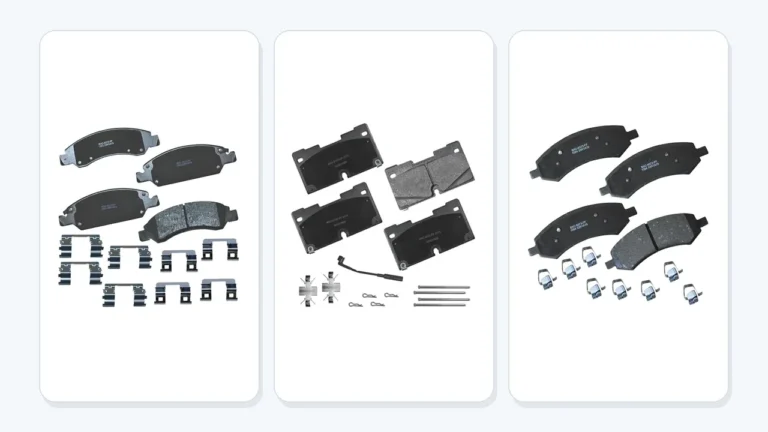
2. PowerStop Z36 Truck & Tow Brake Pads MMMC
Rear carbon-fiber ceramic pads with installation hardware help Chevy truck owners manage towing loads and repeated braking.
- ColorStainless-Steel
- SizeNo Size
- Warranty30-Day / 12-Month / 12,000-Mile Limited Warranty
- Release Date2015-06-08T00:00:01Z
PowerStop Z36 Rear Pads are rear brake pads for listed Chevy Silverado 1500, Chevy Tahoe, and GMC Yukon applications that need towing-oriented replacement parts.
These pads use the same carbon-fiber ceramic approach as the front choice, but axle position changes the buying decision. Rear pads help share braking work with the front axle, so a correctly matched rear set can support balanced braking instead of leaving old, worn rear friction material behind a new front installation.
Installation hardware is included with the two rear pads. The hardware supports proper pad placement and movement, which matters because rear brake parts still need clean contact and free movement even though the front axle often does more of the stopping work.
PowerStop positions this set for trucks, SUVs, 4×4 vehicles, towing, hauling, mountain driving, and lifted trucks. The stated goal includes reducing brake fade, though real-world heat control also depends on rotor condition, caliper health, trailer brakes, load distribution, tire grip, and the way the driver uses lower gears on descents.
The fitment warning is not a formality. This rear set is tied to particular Chevy applications, and a rear pad shape can look close to another shape while still failing to fit the bracket or rotor correctly.
Pros:
- Carbon-fiber ceramic compound, designed for heavy truck use.
- Rear axle fit, useful for completing a brake service.
- Installation hardware included, reducing extra parts shopping.
- Suited to towing, hauling, hills, and 4×4 vehicles.
- Limited warranty, with stated time and mileage coverage.
Cons:
- Rear-only set, not a complete four-wheel brake replacement.
- Listed vehicle fit must be checked before ordering.
- Performance depends on rotors, calipers, tires, and trailer brakes.
Buy it if: you need rear pads for a listed Chevy towing vehicle, because the carbon-fiber ceramic compound and included hardware support a matched rear brake service.
Skip it if: your vehicle needs front pads or has a different rear brake package, because the axle and fitment may be wrong, and a vehicle-specific rear set would suit you better. PowerStop Z36 Truck & Tow Brake and PowerStop Z36 Truck & Tow Brake are worth a closer look instead.
What I like here is the clear rear-axle role. A tow vehicle should not receive a front pad upgrade while the rear pads are ignored, since the braking system works as a group. Check the rear rotor surface and caliper slides during installation because new pads cannot repair those parts.
This is the sensible choice for a Chevy owner who has confirmed the rear application and wants towing-focused friction material.
3. PowerStop Z36 Truck & Tow Brake Pads TT24
The catalog lists PLEASE CONFIRM YOUR FITMENT: Using the Amazon Confirmed Fit bar at the top of the page or check the Product De. Compare fit and care needs before choosing.
- ColorStainless-Steel
- SizeNo Size
- Warranty30-Day / 12-Month / 12,000-Mile Limited Warranty
- Release Date2013-12-24T00:00:01Z
PowerStop Z36 Ram Front Pads are front carbon-fiber ceramic pads for listed Ram 1500 and Dodge Durango applications, including the stated Ram 1500 model years.
The carbon-fiber ceramic compound is meant to handle the added work of trucks and SUVs used for towing and hauling. In plain terms, the pad material is the part pressed against the rotor to create friction, and a towing-focused compound is intended to remain useful as braking heat rises during repeated stops.
This set includes installation hardware and is described as a direct-fit upgrade for the listed truck and SUV braking systems. Direct-fit means the part is intended to use the vehicle’s original mounting arrangement, not that every Ram 1500 has the same brakes. Year, trim, rotor package, and front brake design still need confirmation.
The heavy-duty description also mentions mountainous driving, lifted trucks, and reduced brake fade. Those are useful signals for a towing buyer, but they do not remove the need to inspect the rotor, caliper, brake hose, wheel bearings, and trailer brake controller. A pad is only one part of the stopping system.
The main limitation is application range. This set is not a general front pad for every Ram, and the title includes several related vehicle names that can create confusion if you order by brand alone.
Pros:
- Carbon-fiber ceramic material, aimed at towing and hauling.
- Front axle set, suited to the listed Ram applications.
- Hardware included, helping with correct pad installation.
- Designed for trucks, SUVs, 4×4 use, and mountain roads.
- Warranty coverage stated in time and mileage terms.
Cons:
- Front pads only, with no rear friction material included.
- Ram fitment can vary by year, trim, and brake package.
- A pad change does not replace a brake-system inspection.
Buy it if: you drive a listed Ram 1500 or Dodge Durango and tow regularly, because the front carbon-fiber ceramic set is aimed at repeated truck braking.
Skip it if: your Ram has an unconfirmed brake package or you need all four axles serviced, because a front-only set will not complete the job, and a full vehicle-matched brake plan would suit you better. If those trade-offs rule it out, PowerStop Z36 Truck & Tow Brake or PowerStop Z36 Truck & Tow Brake may suit you better.
I’d place this set behind the Chevy choices only because the application list is narrower and easier to confuse. The actual feature mix is familiar: towing-oriented compound, front fit, and included hardware. Confirm the exact Ram year and brake configuration before opening the box, since a near match is still a wrong part.
This set makes sense for a Ram owner who has already verified the front axle fit.
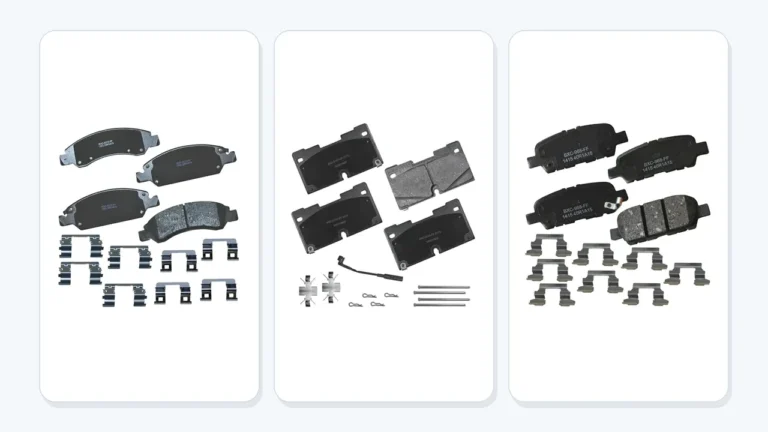
4. PowerStop Evolution Truck & Tow Z36 Brake
The catalog lists PLEASE CONFIRM YOUR FITMENT: Using the Amazon Confirmed Fit bar at the top of the page or check the Product De. Compare fit and care needs before choosing.
- ColorMetallic
- Size2 Count (Pack of 1 )
- Warranty30-Day / 12-Month / 12,000-Mile Limited Warranty
- Release Date2014-04-01T00:00:01Z
PowerStop Evolution Rear Pads are rear carbon-fiber ceramic pads for the listed Ford F-150 applications, including the stated 2012 through 2020 range.
The rear axle position is the first fact to understand. Rear pads help the tow vehicle share braking force across both axles, and replacing them can restore friction where old pads have worn thin. The rear set cannot make up for a front brake problem, though, so both axles deserve inspection when the truck is used with a heavy trailer.
The carbon-fiber ceramic material is described for trucks, SUVs, 4×4 vehicles, towing, hauling, mountain driving, and lifted trucks. That material choice is intended to support repeated braking and reduce fade, but heat still depends on trailer load, road grade, rotor condition, tire traction, and whether the driver uses a lower gear on a descent.
Installation hardware comes with the two pads. Small clips and related pieces can affect how smoothly the pads sit in the bracket, so replacing tired hardware during a brake job is a practical part of preventing uneven contact.
The listing warns that packaging may differ from the image shown. That is not a mechanical problem, but it is a reminder to identify the part by the vehicle fit and pad application rather than by the box design.
Pros:
- Rear carbon-fiber ceramic pads, built for listed Ford applications.
- Hardware included, supporting a more complete installation.
- Towing and hauling focus, useful for working F-150s.
- Mountain-driving application, relevant to repeated downhill stops.
- Stated limited warranty, with time and mileage terms.
Cons:
- Rear axle only, so front brake condition remains separate.
- Ford fitment must be checked by year and brake setup.
- Packaging may differ from the displayed image.
Buy it if: you own a listed Ford F-150 and need rear pads for towing, because the carbon-fiber ceramic compound and hardware are aimed at that service.
Skip it if: your Ford has a different rear brake configuration or needs front pads, because the axle-specific shape may not fit, and a confirmed vehicle-matched set would suit you better.
To me, the smartest feature here is the combination of rear fit and included hardware. The rear axle is easy to overlook when a truck feels better after front service, yet worn rear pads still matter under a trailer load. Check the exact F-150 year and rear brake design before purchase, then inspect the rotors while the pads are out.
This choice suits Ford owners who want a rear towing pad set and have confirmed the application.
5. PowerStop Z36 Truck & Tow Brake Pads PH98
The catalog lists PLEASE CONFIRM YOUR FITMENT: Using the Amazon Confirmed Fit bar at the top of the page or check the Product De. Compare fit and care needs before choosing.
- Warranty12-Month / 12,000-Mile Limited Warranty
- Number Of Items1
- UPGRADED STOPPING POWERCarbon-fiber ceramic Truck & Tow Z36 brake pads deliver increased stopping power compared to OE replacement brake p
- WeightNot listed; check details
PowerStop Z36 Ram Rear Pads are rear carbon-fiber ceramic pads for listed 2019 through 2025 Ram 1500, Jeep Wagoneer, and Jeep Grand Wagoneer applications.
This set is aimed at newer Ram-related applications, which makes the vehicle-year range a key buying detail. A rear brake pad is a shaped friction part that must match the caliper bracket and rotor, so a similar-looking pad from an older Ram may not be interchangeable.
The carbon-fiber ceramic compound is described for towing, hauling, 4×4 driving, mountainous roads, and lifted trucks. That gives the set a clear heavy-use purpose, while the real result still depends on the condition of the entire brake system and the trailer’s own brakes.
Installation hardware is included. Fresh hardware can help the pads slide and settle properly, which is useful during a rear brake job where corrosion or worn clips can interfere with even contact.
The available technical details are limited compared with the other choices, so the vehicle application carries more weight here. Confirm the year, axle position, trim, and brake package before ordering, and do not treat a broad brand match as proof of fit.
Pros:
- Rear carbon-fiber ceramic compound, made for listed towing applications.
- Newer Ram and Jeep fitment range, clearly identified by year.
- Installation hardware included, helping complete the brake service.
- Designed for hauling, hills, 4×4 use, and lifted trucks.
- Warranty coverage stated for the listed application.
Cons:
- Rear pads only, not a full brake-system replacement.
- Fitment details should be confirmed for year and brake package.
- Limited listed technical information beyond the application details.
Buy it if: you drive a listed newer Ram or Jeep and need rear pads for towing, because the Truck & Tow compound is matched to the stated heavy-use purpose.
Skip it if: you have an older vehicle or need front pads, because the listed rear application may not match, and an axle-specific set for your exact vehicle would suit you better.
I’d choose this set only after checking the vehicle details carefully, not simply because the brand name matches. The newer application range is useful for the right owner, and the towing-focused material gives the set a clear job. Double-check the rear brake package and compare the pad shape before installation.
This is the right direction for a newer Ram or Jeep owner who has confirmed the exact fit.
How to Choose the Best Brake Pads for Towing
The best brake pads for towing must match the vehicle, axle, rotor, and type of load before material choice matters. Start with fitment, then consider heat, noise, hardware, rotor condition, and the way the trailer is equipped.
Confirm the axle and vehicle fit
A front pad and rear pad are not interchangeable. Use the year, make, model, trim, axle position, and brake package to confirm the shape, then check the vehicle fit tool or the detailed application information before ordering.
A fitment check is especially important for trucks sold with several rotor sizes or brake packages. The exact vehicle details matter more than a broad label such as Silverado, Ram, F-150, SUV, or 4×4.
For a general look at heavy-duty truck applications, truck brake pad guidance can help you think about weight, hauling, and heat before narrowing the search to one axle.
Choose friction material for the work
Friction material is the compound that creates stopping force against the rotor. Carbon-fiber ceramic pads are commonly considered for truck and towing use because the listed choices focus on heat, quiet operation, long braking performance, and heavy loads.
Do not read the material name as a guarantee that a truck can stop any trailer safely. Trailer weight, tongue weight, tire condition, brake controller settings, road grade, and driver technique still change the actual stopping distance and heat level.
Inspect the rotors before buying pads
Brake pads press against rotors, so worn, deeply scored, cracked, badly rusted, or heat-damaged rotors can spoil a new pad installation. A smooth-looking rotor is not always healthy, and a mechanic should measure rotor thickness and runout when the condition is uncertain.
If both pads and rotors need replacement, a guide to pads and rotors for towing can help you plan the parts together. Replacing only the friction material is not a shortcut if the rotor is already below its service limit.
Look for included hardware
Brake hardware includes clips, shims, and fitting parts that help the pads sit and move in the caliper bracket. New hardware can be useful when the old clips are rusty, bent, or coated with debris.
Included hardware does not replace cleaning and lubrication at the correct contact points. Brake lubricant should stay away from the pad face and rotor surface, where contamination can reduce friction.
Match towing habits to brake capacity
A short trip on flat roads does not heat brakes like a long descent with a loaded trailer. Frequent mountain towing, stop-and-go traffic, and heavy cargo call for more attention to fade, cooling time, trailer brakes, and maintenance intervals.
A towing pad can support the braking system, but the truck must still stay within its rated capacity. Never use a pad upgrade as a reason to exceed the vehicle, hitch, axle, tire, or trailer rating.
Consider lifted trucks and large tires
Lift kits, larger wheels, and heavier tires can alter how the vehicle feels under braking. Drivers looking at brake pads for lifted trucks should also check tire size, wheel clearance, brake hose routing, caliper clearance, and the overall lift installation.
A pad that fits the original application may not address every change made to a modified truck. Ask a qualified brake professional to inspect the complete setup if the truck has major suspension, wheel, or tire changes.
How to Use Brake Pads for Towing for the Best Results
Use new brake pads gently during the first drive so the friction surfaces can mate properly. The exact bedding procedure should follow the pad maker’s instructions, since aggressive stops immediately after installation can overheat fresh friction material.
- Confirm that the wheel is secure and the brake pedal feels firm before leaving the work area.
- Make several gentle stops in a safe, low-traffic area.
- Increase braking force gradually without holding the pedal down at a full stop for a long time.
- Allow the brakes to cool between repeated stops.
- Listen and feel for scraping, pulling, vibration, or a soft pedal.
- Recheck wheel torque according to the vehicle service instructions.
- Test the trailer brakes separately and confirm the controller responds correctly.
- Take a short unloaded drive before beginning a long towing trip.
A soft pedal, burning smell, severe vibration, or vehicle pull needs attention before towing. Do not keep driving to see whether a serious brake symptom disappears.
On long downhills, select a suitable lower gear before speed builds. Use the trailer brake controller correctly, leave extra following distance, and avoid riding the brake pedal continuously because constant light pressure can create heat without giving the system a useful cooling break.
How to Make Your Brake Pads Last Longer
Brake pads last longer when the truck, trailer, tires, rotors, and driving habits share the work. Regular checks matter more than waiting for a loud squeal or a warning light.
Inspect the pad thickness during tire rotations or scheduled service. Have a professional check the brakes sooner if the truck pulls, the pedal pulses, the steering wheel shakes during braking, or one wheel becomes much hotter than the others.
Keep the trailer brakes adjusted and the controller set for the load. A trailer that does not contribute enough braking force makes the tow vehicle work harder, especially on grades and in traffic.
Use engine braking on long descents where appropriate. It does not replace the service brakes, but it can reduce continuous pedal use and give the friction surfaces more chances to cool.
Wash heavy road salt and mud from the brake area when practical. Do not spray lubricant onto the pad face, rotor, or tire, and do not ignore corrosion on clips, caliper slides, brake lines, or mounting points.
Store the vehicle with the parking brake used as the manufacturer directs. If the truck sits for long periods, inspect for rust and verify that the brakes release fully before towing.
Common Mistakes to Avoid When Buying and Using Brake Pads for Towing
The most common mistakes involve fitment, incomplete brake inspections, and treating the pads as the whole towing system. Each mistake is avoidable with a short check before purchase or installation.
- Buying by truck name alone: Different trims and brake packages can use different shapes. Confirm the year, axle, trim, and brake configuration.
- Ordering front pads for a rear job: The axle position changes the part. Read the title and application carefully before checkout.
- Ignoring rotor wear: New pads cannot fix a damaged or undersize rotor. Measure or inspect the rotor during the brake service.
- Reusing damaged hardware: Rusty or bent clips can limit pad movement. Replace worn hardware and clean the bracket contact points.
- Skipping bedding: Fresh pads may not contact the rotor evenly right away. Follow the maker’s bedding directions and avoid panic stops at first.
- Riding the brakes downhill: Continuous pedal pressure builds heat quickly. Use a suitable gear, maintain space, and let the trailer brakes contribute.
- Overlooking the trailer brakes: The tow vehicle should not do all the stopping. Check the controller, trailer wiring, brake adjustment, and trailer tires.
- Ignoring a soft pedal: A soft pedal may point to air, fluid trouble, a leak, or another system problem. Stop towing until the cause is found.
How to Set Up Brake Pads for Towing
Brake pad installation is a safety-critical repair, so use the vehicle service instructions or a qualified technician if you lack the right tools and experience. The broad process below explains what should happen, but it does not replace vehicle-specific torque values or service procedures.
- Confirm the front or rear application before lifting the vehicle, since similar-looking pads can belong to different axles.
- Secure the truck on level ground with proper wheel chocks and jack stands, not only a floor jack.
- Remove the wheel and inspect the rotor, caliper, brake hose, bracket, and old pads before fitting anything.
- Compare the new pad shape and hardware with the removed parts, because a mismatch should stop the job.
- Clean the bracket contact points and install the supplied hardware as directed, keeping lubricant away from friction surfaces.
- Retract the caliper piston with the correct method for the vehicle, watching the brake fluid reservoir for overflow.
- Install the pads, confirm free movement, secure the caliper, and tighten fasteners to the vehicle’s specified torque.
- Pump the brake pedal until firm, reinstall the wheel, verify wheel torque, and complete the bedding procedure.
Do not drive away with a soft pedal or a warning light. A professional should inspect any leak, damaged hose, seized caliper, badly worn rotor, or uncertain installation.
Common Questions About Brake Pads for Towing
Are towing brake pads worth the extra cost?
Towing-focused pads can be worthwhile when a truck regularly carries heavy loads, pulls a trailer, or travels through mountains. Their value depends on correct fit, healthy rotors, trailer brakes, and proper driving habits. A pad change alone cannot overcome an overloaded trailer or a failing caliper.
Should I replace front and rear brake pads together?
Replace front and rear pads together only when both axles need service, not simply because one axle is worn. Front and rear wear rates differ, and each axle uses its own pad shape. Inspect both axles, then replace the worn parts in axle pairs with correctly matched components.
Do carbon-fiber ceramic pads stop better?
Carbon-fiber ceramic pads are designed for a specific friction and heat-use balance, but stopping performance depends on the full system. Rotor condition, tire grip, trailer brakes, vehicle load, caliper operation, and bedding all affect results. The material name is not a substitute for correct fit or maintenance.
Can I tow immediately after installing new brake pads?
Tow only after the brake pedal is firm, the installation has been checked, and the pads have completed the maker’s bedding process. Start with gentle stops and allow cooling time. A long, heavy trailer trip is a poor first test for a fresh brake installation.
How do I know if my brake pads are overheating?
Signs can include a burning smell, smoke, fading pedal response, pulling, unusual noise, or a wheel that is much hotter than the others. Stop in a safe place and allow the system to cool. If symptoms return, have the truck and trailer brakes inspected before towing again.
Do larger tires change towing brake needs?
Larger or heavier tires can change braking feel and may increase the work required to slow a modified truck. Check wheel and caliper clearance, tire load rating, brake hose routing, and the complete suspension setup. A lifted truck may need more than a pad change to address its braking behavior.
Make the Brake Job Match the Trailer
The safest next step is to write down the tow vehicle year, make, model, trim, axle position, and brake package before ordering. Then inspect the rotors, calipers, tires, trailer brakes, and controller, and choose only a pad set whose application matches those details.