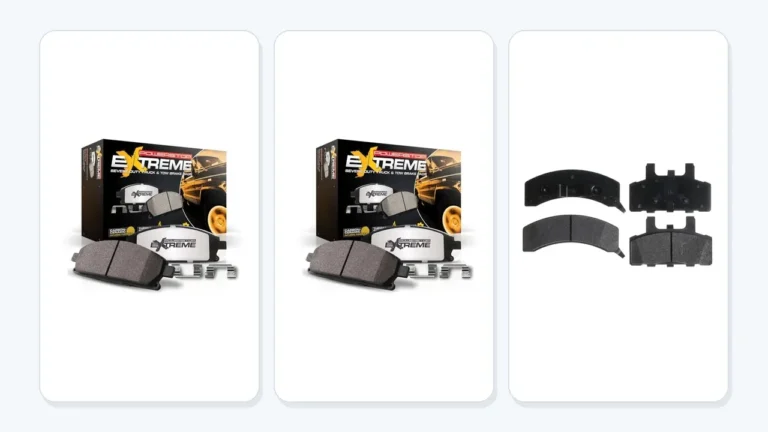
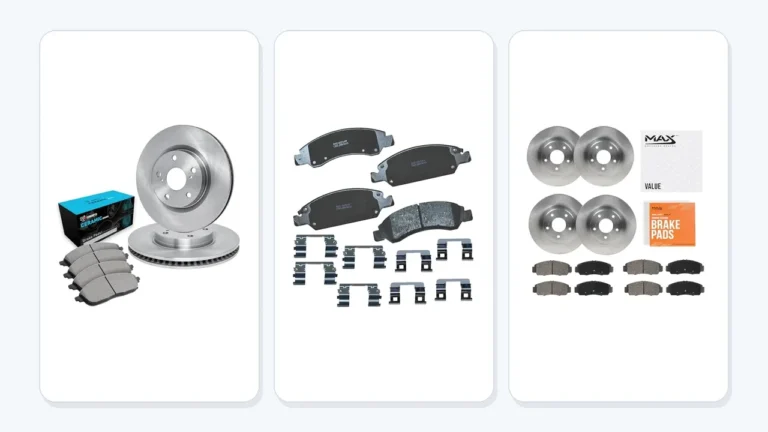
7 Best Semi Metallic Brake Pads for Heavy Loads and Hard Braking
As an Amazon Associate, we earn from qualifying purchases made through links in this post, at no extra cost to you.
Buy the wrong brake pads and your vehicle may stop poorly, squeal at every intersection, or need the job redone after the first short drive. A pad set can also look right in a search result while missing your exact caliper shape, axle position, engine trim, or required hardware.
Semi-metallic friction material blends metal fibers with other compounds to handle heat and repeated braking, but fit remains the first concern. A pad must match the caliper and rotor, while the axle position and vehicle trim decide whether a promising part actually belongs on your vehicle.
Here is what the guide covers:
- How to verify pad shape, axle position, and vehicle trim before ordering.
- Which features matter for towing, stop-and-go driving, mountain biking, and wet weather.
- How to bed new pads, reduce noise, and protect the rotor during installation.
- What to inspect when a listing covers many years or several vehicle versions.
Quick Picks
-
Best For Full-size SUV and truck fronts

Front Semi-Metallic Brakes Pads Set Fit for
Four front semi-metallic pads with hardware suit compatible SUVs and trucks that need a complete axle replacement.
-
Best For Mountain and road bikes

AGPTEK Bike Brake Pads, Compatible with TRP
Four pairs of semi-metal bicycle pads support compatible calipers, wet-weather riding and regular trail or commuting use.
Top 7 Semi Metallic Brake Pads at a Glance
The group separates into two clear uses: full-size vehicle pads for trucks and SUVs, plus compact bicycle pads for compatible disc brakes. Start with the first, fourth, sixth, or seventh option for a vehicle, and start with the second or fifth option for a bicycle, then confirm the exact pad shape before buying.
| Product image | Product name | Check product |
|---|---|---|
| 1 |
Front Semi-Metallic Brakes Pads Set Fit for | Check Price |
| 2 |
AGPTEK Bike Brake Pads, Compatible with TRP | Check Price |
3 |
BOSCH BSD1414 Severe Duty Disc Brake Pad | Check Price |
4 |
Front Semi-Metallic & Rear Ceramic Brake Pads | Check Price |
5 |
SkyStage 4 Pairs Bike Brake Pads, Disc | Check Price |
6 |
BOSCH BE1089H Blue Semi-Metallic Disc Brake Pad | Check Price |
7 |
Rockplanet Brake Pads Front and Rear Compatible | Check Price |
7 Best Semi Metallic Brake Pads: Detailed Reviews
When I chose the best semi metallic brake pads, I paid attention first to fitment, axle coverage, friction material, hardware, and the kind of heat each application creates. Those details help prevent ordering a rear set for the front, installing a bicycle pad in the wrong caliper, or expecting a light-duty pad to handle hauling.
I kept the group broad because your right choice depends more on vehicle and riding style than on the word semi-metallic alone. Side-by-side details make it easier to separate a four-pad front axle set, an eight-piece mixed-material kit, and a bicycle package that may look similar in a search result.
1. Front Semi-Metallic Brakes Pads Set Fit for
Four front semi-metallic pads with hardware suit compatible SUVs and trucks that need a complete axle replacement.
- Number Of Items4
- MaterialTips:This product includes 4 brake pads. Please confirm the material and quantity to meet your needs before pu
- WeightNot listed; check details
- DimensionsNot listed; check details
The B0DM5YQRX8 front semi-metallic pad set suits owners of compatible Chevrolet, GMC, and Cadillac trucks or SUVs who need four front pads and included hardware.
Broad vehicle coverage
The fitment list names several Silverado, Sierra, Tahoe, Suburban, Yukon, Escalade, Avalanche, Express, and Savana applications across specific years and trims. Fitment means the pad shape and mounting details match the brake hardware, so a broad vehicle list is useful only after you confirm your exact engine, trim, year, and axle.
That check matters because the same vehicle name can use different brake parts. The listing calls out exceptions such as some base versions, certain 6.0L Suburban versions, and the 5.3L hybrid Sierra, so a general year-and-model search is not enough.
Four front pads with hardware
The package contains four front semi-metallic pads and hardware. Four pads normally cover both wheels on one axle, giving you a complete front-set quantity instead of leaving you to guess whether a package covers one wheel or two.
Semi-metallic material uses metal content to help move heat away during repeated braking. That can suit a heavy SUV, van, or pickup, but the pad still depends on a sound rotor, working caliper, and correct installation.
The limitation is fitment complexity. The long compatibility list has several exclusions, so check the old pad shape and your vehicle details before ordering rather than trusting the broad vehicle names alone.
Pros:
- Four front pads, enough for both wheels on one axle.
- Hardware included, reducing the need to source small fitting parts.
- Semi-metallic material supports repeated braking heat.
- Broad coverage across selected GM trucks, SUVs, and vans.
- One-year warranty service is stated in the listing.
Cons:
- Compatibility includes several year, trim, and engine exceptions.
- The package is for the front axle, not a complete vehicle brake job.
- Only one structured specification, number of items, is listed.
Buy it if: you own a listed GM truck, SUV, or van and need four compatible front pads with hardware for one axle.
Skip it if: you need rear pads or have an excluded trim, because a correctly matched rear or trim-specific pad set would suit you better. For another fit, consider Agptek or Bosch.
I’d pick the B0DM5YQRX8 set first for a compatible full-size GM vehicle because the four-pad quantity and hardware make the job easier to plan. The broad coverage is helpful, yet the exceptions are the part I would take seriously. Double-check the axle and old pad shape before placing the order.
This front set suits a truck or SUV owner who wants a straightforward axle quantity rather than a mixed front-and-rear package.
2. AGPTEK Bike Brake Pads, Compatible with TRP
Four pairs of semi-metal bicycle pads support compatible calipers, wet-weather riding and regular trail or commuting use.
- ColorBlack
- Size1.18″L x 0.16″W x 1.38″H
- Is Adult ProductFalse
- Number Of Items4
The AGPTEK bicycle brake pad package suits mountain-bike, road-bike, and commuting riders whose calipers match the listed Shimano, Tektro, or TRP pad shapes.
Four pairs for routine replacements
The package includes four pairs of semi-metallic bicycle pads. A pair serves one wheel, so the quantity can be useful if you maintain more than one bike or want replacements ready for later service.
Semi-metallic compound balances braking response, heat handling, wear resistance, and noise control. For ordinary trails and city riding, that balance can give you dependable braking without choosing a pad aimed only at racing or only at quiet operation.
Compatibility depends on the caliper
The listing names select Shimano MT200 systems, Tektro E10.11 systems, and TRP two-piston systems. A two-piston caliper uses two moving pistons to press the pad against the rotor, but the bicycle brand alone does not prove the pad shape matches.
The practical check is simple: remove or photograph the existing pad and compare its outline with the listed shape and dimensions. The listed size is 1.18 inches long by 0.16 inches wide by 1.38 inches high, but shape and retaining hardware still matter.
The main watch point is installation. The instructions mention caliper bolts, a retaining pin or cotter pin, cleaning, wheel spin, and re-centering, so a rider who is not comfortable with brake alignment should plan for careful setup.
Pros:
- Four pairs, giving multiple compatible wheel replacements.
- Semi-metal compound balances response, heat, wear, and noise.
- Listed compatibility covers select Shimano, Tektro, and TRP systems.
- Black pads have a listed compact size.
- Installation steps include caliper centering guidance.
Cons:
- Bicycle brand alone cannot confirm compatibility.
- Pad shape and retaining hardware must match the original.
- The package does not fit every mountain, road, or hybrid brake.
Buy it if: you ride a compatible bicycle and want four pairs of semi-metallic pads for commuting, trails, or recreational use.
Skip it if: your caliper shape does not match the listed pad, because a caliper-specific bicycle pad would suit you better. Front and Bosch are worth a closer look instead.
The AGPTEK package earns this rank because the four-pair quantity is practical for regular bicycle maintenance and the fitment advice is unusually direct. I also like that the instructions mention spinning the wheel and centering the caliper, two steps beginners often rush. Check the retaining pin style and pad outline before buying.
This package makes the most sense for a rider with a listed caliper who wants several replacements on hand.
3. BOSCH BSD1414 Severe Duty Disc Brake Pad
The catalog lists Bosch Severe Duty Semi-Metallic brake pads use the latest technology in friction for best in class performance. Compare fit and care needs before choosing.
- SizeBSD1414
- ColorFront
- Release Date2017-06-22T00:00:01Z
- Number Of Items1
The Bosch BSD1414 Severe Duty set suits owners of selected Ford Expedition and F-150 vehicles, plus Lincoln Navigator applications, where heavy loads or repeated stop-and-go driving place extra heat on the front brakes.
Severe-duty friction material
The pads use semi-metallic friction material intended for vehicles that carry heavy payloads or see constant stop-and-go use. Friction material is the part that presses against the rotor to create stopping force, so its heat behavior matters more when a loaded vehicle brakes repeatedly.
That focus can help a truck or large SUV used for hauling, city traffic, or frequent braking. It does not make the pads compatible with every F-150 or Expedition, so the vehicle-specific part number remains essential.
Shims, slots, and chamfers
The set uses OE-style multilayer shims, slots, and chamfers where specified. A shim sits behind the pad to damp vibration, while slots and chamfers shape the pad edges and can support smoother contact and quieter operation.
The package includes pads for one axle, covering two wheels, plus synthetic lubricant and hardware where applicable. That makes the box easier to plan around, though the phrase where applicable means you should check the exact contents for your application.
The main limitation is the narrow fitment family. The BSD1414 size name is useful for matching the part, but it is not a substitute for checking your vehicle, axle, and existing pad number.
Pros:
- Severe-duty design targets heavy payload and stop-and-go use.
- Semi-metallic material suits repeated heat demands.
- Multilayer shims help manage brake vibration.
- Slots and chamfers follow OE-style designs where specified.
- One axle set includes lubricant and applicable hardware.
Cons:
- Fitment is limited to selected Ford and Lincoln applications.
- Hardware contents may vary by application.
- The package covers one axle, not front and rear brakes.
Buy it if: your selected Ford or Lincoln vehicle matches BSD1414 and carries loads or faces frequent stop-and-go braking.
Skip it if: your vehicle uses a different pad number, because a properly matched application-specific set would suit you better. If those trade-offs rule it out, Front or Agptek may suit you better.
What I like about the Bosch BSD1414 is the clear reason for its design: heavy loads and repeated braking, not vague claims about every driving situation. The one-axle package with lubricant and possible hardware also makes the repair plan easier. Verify the exact application and whether the hardware applies to your vehicle before purchase.
This set is best for a compatible truck or large SUV that works harder than a basic commuter vehicle.
4. Front Semi-Metallic & Rear Ceramic Brake Pads
The catalog lists Compatible with: for Chevy Silverado 1500 2014-2018, for Suburban 2015-2020, for Tahoe 2015-2020, for GMC Sier. Compare fit and care needs before choosing.
- Number Of Items8
- WeightNot listed; check details
- DimensionsNot listed; check details
- MaterialNot listed; check details
The B0DSJH4WF7 kit suits owners of selected 2014-2018 Silverado and Sierra trucks and selected 2015-2020 GM SUVs who want front ceramic and rear semi-metallic pads in one eight-piece package.
Mixed friction materials by axle
This kit uses ceramic pads on the front and semi-metallic pads on the rear, with hardware included. Ceramic friction material uses ceramic-based compounds designed for quiet, smooth braking, while semi-metallic material is commonly chosen for heat handling and firm response.
Using different materials by axle means the package is not a uniform semi-metallic replacement. That may suit a vehicle-specific braking setup, but you need to understand the front and rear split before ordering.
Grooves for airflow and noise control
The pads have grooves designed to reduce squealing and improve ventilation. Ventilation gives heat a path away from the contact area, which matters during repeated braking, while grooves can also help manage gases and debris at the pad surface.
The eight-piece quantity suggests a front-and-rear package, but the listing describes the front as ceramic and the rear as semi-metallic. Confirm the exact axle count and hardware arrangement for your vehicle before starting the job.
The limitation is the narrow year range and GM-only fitment. The listing also tells you to use the vehicle fit checker, so do not treat a similar-looking Silverado or Tahoe as automatically compatible.
Pros:
- Eight-piece package covers front and rear pad needs.
- Front ceramic and rear semi-metallic materials are identified.
- Hardware is included with the kit.
- Grooves are designed for airflow and noise control.
- Fitment list covers selected GM trucks and SUVs.
Cons:
- The kit is not semi-metallic on every axle.
- Compatibility is limited to specific years and vehicles.
- Front and rear material differences require careful installation planning.
Buy it if: your listed GM truck or SUV matches the fitment details and you want one front-and-rear kit with different axle materials.
Skip it if: you specifically want semi-metallic pads on both axles, because a uniform semi-metallic package would suit you better.
The B0DSJH4WF7 kit earns attention because it solves a bigger maintenance job with one eight-piece package. The front ceramic and rear semi-metallic split is useful only if that arrangement matches your vehicle and your preference, so I would not buy it from the quantity alone. Double-check the axle material and fit checker details before ordering.
This kit suits a compatible GM owner replacing both axles at once.
5. SkyStage 4 Pairs Bike Brake Pads, Disc
The catalog lists HIGH-PERFORMANCE COMPOUND: Featuring resin Semi-Metallic formulation, these pads provide excellent braking eff. Compare fit and care needs before choosing.
- Color4 Pairs-Black
- Size1.18″L x 0.16″W x 1.38″H
- Number Of Items4
- WeightNot listed; check details
The SkyStage package suits mountain, road, hybrid, and electric-bike riders with compatible Shimano, Tektro, or TRP disc calipers who want four pairs of replacement pads.
Resin and semi-metal compound
The listing describes a resin semi-metallic formulation intended to reduce noise and rotor wear while keeping responsive braking. A resin compound uses a softer binding material around the friction ingredients, which can make brake feel quieter and gentler on the rotor than a more aggressive compound.
That balance can work well for daily riding and regular trail use. Riders who descend long, steep hills should still pay attention to heat, rotor condition, and the brake maker’s limits rather than expecting a small bicycle pad to behave like a truck pad.
Broad compatibility list
The package names many Shimano Deore and related systems, plus selected Tektro and TRP brakes. The long list helps narrow the search, but the existing pad outline remains the safer comparison because bicycle brake families can share similar names while using different shapes.
The pads are listed as resistant to temperatures up to 700 degrees, and the instructions recommend warming them before intense rides. That advice relates to bedding and early performance, not permission to skip a careful brake inspection.
The main concern is that the listing covers many systems. Check the original pad, retaining hardware, and caliper name before purchase, especially if your bike has been upgraded from its factory brakes.
Pros:
- Four pairs support several routine bicycle replacements.
- Resin semi-metal formulation aims to reduce rotor wear.
- Listed temperature resistance reaches 700 degrees.
- Compatibility includes many Shimano Deore systems.
- The pads suit mountain, road, and hybrid bicycles.
Cons:
- A long compatibility list still requires shape confirmation.
- The compound may not suit every downhill or racing use.
- The package does not guarantee fit for upgraded calipers.
Buy it if: your bicycle uses a listed caliper and you want four pairs with a quieter, rotor-conscious semi-metal compound.
Skip it if: you ride a brake system outside the listed families, because a pad shaped for your exact caliper would suit you better.
The SkyStage pads are a sensible choice for a rider who wants quantity and a softer compound direction without leaving the semi-metal category. The 700-degree claim is useful context, but pad shape and proper bedding still matter more than a large number on a page. Confirm your caliper and original pad before buying.
This package suits regular bicycle maintenance better than blind fitment shopping.
6. BOSCH BE1089H Blue Semi-Metallic Disc Brake Pad
The catalog lists [PLATFORM SPECIFIC FRICTION MATERIAL} – Bosch Blue offers advanced, platform specific Semi-Metallic friction m. Compare fit and care needs before choosing.
- SizeBE1089H
- ColorFront
- Release Date2017-03-15T00:00:01Z
- Number Of Items1
The Bosch Blue BE1089H set suits owners of selected Acura and Honda vehicles who want front semi-metallic pads with noise-control parts, hardware, and lubricant.
Platform-specific friction material
Bosch describes the friction material as platform-specific semi-metallic compound for selected vehicles. Platform-specific means the formula is chosen around a vehicle family rather than treated as a universal pad, which can help match stopping feel and heat behavior to the application.
The set is for one axle and two wheels, so it fits a normal front-axle replacement plan when the vehicle match is correct. It does not cover the rear axle, and the vehicle list includes trim and engine factors that can change fitment.
Shims and corrosion protection
The pads use an original-equipment-style multilayer shim to damp noise. The backing plates also have a rust-inhibitive coating, while slots and chamfers follow OE-style designs where specified.
These parts matter because brake noise can come from vibration, movement, or contact between the pad backing and caliper hardware. The package also includes a hardware kit and synthetic lubricant, which can help with sliding contact points when used in the correct locations.
The limitation is that BE1089H is not a general Honda or Acura pad. Verify the exact year, trim, engine, and front application before ordering.
Pros:
- Platform-specific semi-metallic friction material.
- Multilayer shim helps damp brake noise.
- Rust-inhibitive backing plate coating helps resist corrosion.
- OE-style slots and chamfers support the intended pad design.
- Hardware and synthetic lubricant are included.
Cons:
- The set covers one axle only.
- Fitment changes with trim and engine details.
- It is limited to selected Acura and Honda applications.
Buy it if: your Acura or Honda matches BE1089H and you need front pads with hardware and lubricant for one axle.
Skip it if: your vehicle requires a different front pad number, because a confirmed application match would suit you better.
The Bosch Blue BE1089H is appealing for a daily vehicle because the design gives attention to noise, backing-plate corrosion, and sliding hardware instead of friction material alone. The front-only quantity is easy to understand, which helps avoid buying half a brake job by accident. Check the vehicle trim and engine details before purchase.
This set fits a compatible Acura or Honda owner who values a complete front-axle package.
7. Rockplanet Brake Pads Front and Rear Compatible
The catalog lists Brakes Compatible Vehicles: Brakes For 2002-2006 Cadillac Escalade / Cadillac Escalade EXT, 2003-2006 Cadillac. Compare fit and care needs before choosing.
- Number Of Items1
- Semi-Metal Material QualityCrafted from high-quality materials, low dust and less powder our brake pads offer durability, stability, and consi
- Low NoiseThe washer acts as a cushion between the caliper piston and the brake pads backing plate, absorbing vibrations and
- WeightNot listed; check details
The Rockplanet set suits owners of selected older Cadillac, Chevrolet, and GMC trucks or SUVs who need semi-metallic front and rear pads for a broad vehicle application range.
Front and rear coverage
The listing names front and rear fitment for selected Escalade, Escalade EXT, Escalade ESV, Avalanche 1500, Silverado 1500, Suburban 1500, Sierra 1500, Yukon, and Yukon XL vehicles. A front-and-rear listing can simplify planning, but older GM vehicles still need exact year, trim, and pad-number checks.
The set uses semi-metal material intended to support consistent braking and lower dust. Dust level can vary with the vehicle, rotor, driving habits, and pad compound, so treat the description as a design aim rather than a promise of a spotless wheel.
Slots and washer-backed noise control
The pads use a slotting design intended to spread heat and improve ventilation. A backing-plate washer cushions the contact between the caliper piston and pad backing plate, which can reduce vibration that becomes squeal.
That combination may help a heavy older SUV or pickup that sees daily driving and occasional hard braking. The brake system still needs clean contact points and healthy rotors, because new pads cannot correct a seized caliper or badly worn rotor.
The main watch point is the package quantity. The structured information lists one item, while the description discusses front and rear compatibility, so confirm exactly how many pads and axles the box covers before buying.
Pros:
- Semi-metal material is intended for consistent braking.
- Slotting supports heat distribution and ventilation.
- Washer design aims to reduce vibration noise.
- Fitment spans selected older GM trucks and SUVs.
- Front and rear application is described in the listing.
Cons:
- Exact package quantity needs confirmation before purchase.
- Fitment is limited to older GM applications.
- New pads cannot correct damaged rotors or caliper problems.
Buy it if: your older GM truck or SUV matches the listed pad numbers and you want a semi-metallic front-and-rear solution.
Skip it if: you need a clearly stated axle quantity or have a newer vehicle, because a newer application-specific set would suit you better.
The Rockplanet set has a useful older-GM focus and includes design details aimed at heat and vibration. I would be cautious about the quantity because the structured listing says one item while the fitment wording discusses both axles. Confirm the exact box contents and pad numbers before buying.
This set suits an older compatible GM owner who can verify the complete package first.
How to Choose the Best Semi Metallic Brake Pads
The best semi metallic brake pads match your exact caliper, axle, vehicle trim, or bicycle brake system before material becomes the deciding factor. Confirm the part number and old pad shape first, then choose the compound and package around heat, load, noise, and maintenance needs.
Match the application first
A brake pad is a shaped friction block that fits inside a particular caliper. For a car or truck, enter the year, make, model, engine, trim, and axle position, then compare the result with the number printed on the old pad or box.
For a bicycle, identify the caliper maker and model, then compare the original pad outline and retaining hole. A bicycle frame name does not tell you which disc pad the caliper uses.
A match is strong when the vehicle details, part number, pad outline, and axle position agree. If one of those details conflicts, stop and confirm before ordering.
Decide between front, rear, or both axles
Front brakes often do more of a vehicle’s stopping work, while rear brakes use a different pad shape and hardware. A package described as front does not replace rear pads, even if the vehicle name is correct.
Look for words such as front, rear, one axle, two wheels, or front and rear. Four vehicle pads usually mean both wheels on one axle, while a bicycle package may list pairs instead.
The right quantity is the number needed for the repair you plan. Count the old pads and confirm the package contents, especially for mixed-material kits.
Choose material for your heat and noise needs
Semi-metallic pads contain metal fibers that can handle repeated braking heat and offer a firm response. They may create more dust or sound than some ceramic or resin options, though the actual result depends on the vehicle, rotor, caliper, and pad design.
Heavy trucks, loaded SUVs, steep roads, and repeated stop-and-go driving place more heat into the brake system. A severe-duty design may make more sense for those conditions than a basic pad intended for light daily use.
If quiet operation and low rotor wear matter most on a bicycle, a resin semi-metal formulation may be worth considering. For a vehicle, look for shims, slots, chamfers, and hardware that match the application rather than shopping by material alone.
Check the hardware and backing details
Hardware includes pieces such as clips, springs, pins, and shims that help hold or quiet the pads. Some packages include hardware and lubricant, while others may not.
A new hardware kit can help when old clips are rusty, bent, or weak. Check whether the package says hardware is included and whether the listing qualifies that statement by application.
A multilayer shim sits behind the friction material and can reduce vibration. A coated backing plate can help resist corrosion, but neither feature fixes a seized caliper or a warped rotor.
Consider load and riding conditions
A truck used for hauling needs pads suited to repeated heat and weight. A commuter bicycle needs predictable control in traffic, while a mountain bike may need more attention to wet trails, descents, and rotor heat.
For vehicle owners who regularly carry heavy cargo, appropriate truck brake pads can help explain why load and heat deserve separate attention. The right choice depends on the vehicle’s own brake system, not only on the size of the engine.
Riders who spend time in wet conditions may also want to compare compound behavior with sintered bicycle pads, since wet-weather bite and heat control can matter more than low noise. Keep the comparison tied to your caliper and riding conditions.
Compare noise, dust, and rotor wear
Noise usually comes from vibration, movement, contamination, glazing, or incorrect installation. A shim, chamfer, groove, or softer compound may help, but no pad can promise silence on every vehicle.
Dust is affected by compound and driving style, while rotor wear depends on both pad and rotor condition. If clean wheels matter most, read about ceramic brake pad choices while checking that ceramic is available for your exact application.
Organic compounds can offer a softer, quieter feel in some applications. A separate look at organic brake pads is useful when rotor friendliness and low noise matter more than severe-duty heat handling.
Confirm package quantity and warranty language
A package may contain one axle, both axles, four pairs, or a quantity label that is not obvious from the title. Read the features and structured quantity together, then contact the seller if the numbers disagree.
Warranty language also needs careful reading. A stated warranty may have conditions, and it does not replace the need to confirm fitment before installation.
A useful final check is to write down your vehicle or caliper details, old pad number, axle, package quantity, and included hardware. If every line agrees, the order is less likely to become an expensive return.
How to Use Semi Metallic Brake Pads for the Best Results
New brake pads need correct installation, clean contact surfaces, and a careful bedding process before they reach their normal feel. Work on one axle at a time, follow the brake maker’s instructions, and do not drive until the pedal or lever feels firm.
1. Confirm the parts before removing anything
Lay out the pads, clips, pins, shims, and lubricant before starting. Compare the new friction shape with the old pad and check front versus rear, left versus right if applicable, and the number of pads in the package.
For a bicycle, confirm the retaining pin or cotter pin style. For a vehicle, compare the backing plate, wear tab, and hardware with the old set.
2. Inspect the rotor and caliper
A rotor is the flat disc the pad grips. Look for deep grooves, heavy rust, cracks, blue heat marks, or a thickness problem, and have a qualified brake professional handle anything beyond a simple inspection.
Check that the caliper moves as intended and that the pad slides freely in its bracket. New pads cannot make a seized slider or damaged rotor safe.
3. Clean contact surfaces
Remove loose rust and debris from the pad bracket or bicycle caliper area using the correct brake-safe method. Keep grease, lubricant, and dirty fingerprints away from the friction faces and rotor.
Use lubricant only where the instructions specify, such as sliding contact points or the back of a pad where appropriate. Never coat the pad face or rotor with grease.
4. Install the hardware in the correct position
Replace clips, springs, shims, and retaining pins as directed. A clip that looks like a minor piece can control pad movement, so do not leave it out because the old one seems usable.
For a bicycle, tighten the caliper and retaining hardware correctly, then spin the wheel. If the rotor rubs, re-center the caliper rather than forcing the wheel through constant contact.
5. Pump the brake before moving
After vehicle pad installation, press the brake pedal several times until it feels firm. After bicycle installation, squeeze the lever repeatedly and check that the pads engage the rotor without excess travel.
A soft pedal or lever is a stop sign. Do not ride or drive until the cause is found and corrected.
6. Bed the pads gradually
Bedding transfers an even layer of friction material to the rotor. Start with moderate stops in a safe area, allow brief cooling between them, and follow the brake maker’s recommended process rather than making one panic stop.
Avoid holding the pedal or lever hard after a very hot stop when possible. Keeping a hot pad clamped in one spot can create uneven contact.
7. Recheck after the first ride
Listen for scraping, watch for pulling, and pay attention to vibration, burning smells, or a soft control. A small amount of early noise can happen, but sharp abnormal sounds deserve an inspection.
Recheck wheel spin on a bicycle and look over the fasteners after the first short ride. On a vehicle, confirm that the wheels are secure and that the brake pedal remains firm.
How to Make Your Semi Metallic Brake Pads Last Longer
Brake pads last longer when the caliper moves freely, the rotor stays within its service limits, and braking heat is managed instead of trapped. Regular inspection matters more than waiting for noise or a warning light.
Keep the friction surfaces clean
Do not touch the pad face or rotor with oily hands. Road grime, chain lubricant, grease, and spilled fluid can change braking behavior and may require replacement if contamination is severe.
For bicycles, clean the rotor with a brake-safe cleaner and keep drivetrain products away from the wheel. For vehicles, use the correct brake-cleaning method and avoid spraying products onto rubber parts unless approved.
Watch pad thickness and wear balance
Check pad thickness at routine service intervals and compare inner and outer pads. Uneven wear can point to a slider, piston, alignment, or hardware problem rather than a pad compound problem.
Bicycle riders should inspect through the caliper opening or remove the pad according to the brake maker’s directions. Vehicle owners should have a professional inspect the system if the pad is hard to see or wear is uneven.
Protect the rotor from overheating
Long descents and repeated hard stops create heat. Use controlled braking and allow cooling where road and trail conditions permit, rather than dragging the brake continuously for a long distance.
A loaded truck may need more following distance and earlier braking. That reduces the number of emergency stops and helps the entire brake system manage heat.
Keep hardware moving freely
Rusty clips and sticky sliders can hold a pad against the rotor. During service, inspect the hardware and replace damaged pieces instead of forcing old parts to do another season.
Use only the specified lubricant and keep it away from friction faces. Too much lubricant attracts grit and can create its own problem.
Store spare bicycle pads properly
Keep spare pads sealed, dry, and away from oils, cleaners, and chain products. Store them where the friction surface cannot collect dust or touch a greasy tool.
For vehicle pads, retain the packaging until installation so the friction material stays protected. Do not install pads that are visibly contaminated, cracked, or damaged.
Common Mistakes to Avoid When Buying and Using Semi Metallic Brake Pads
Most brake-pad problems begin with a fitment mistake, an incomplete inspection, or rushed bedding rather than the material name. These checks prevent the most avoidable trouble.
- Buying by vehicle name alone: A model can use different brakes across trims and engines. Match the axle, year, trim, engine, and old pad number.
- Confusing front and rear pads: The shapes and hardware often differ. Confirm the axle before placing the order.
- Assuming four items means four vehicle wheels: Four pads usually cover two wheels on one axle. Read the package description and quantity details.
- Ignoring bicycle caliper shape: A bike brand does not prove a pad match. Compare the old pad outline, dimensions, and retaining method.
- Reusing damaged clips: Bent or rusty clips can prevent free pad movement. Replace worn hardware when the package or service instructions call for it.
- Greasing the friction face: Grease on the pad or rotor can destroy braking control. Lubricate only the specified sliding or backing contact points.
- Skipping the bedding process: New pads may feel inconsistent until the friction layer settles. Use controlled stops and allow cooling as directed.
- Driving with a soft pedal: A soft control can mean air, incorrect installation, or another brake fault. Stop and correct the cause before normal use.
- Treating noise as normal forever: A brief bedding sound may differ from sharp, persistent squeal or grinding. Inspect the pad, rotor, caliper, and hardware.
How to Set Up Semi Metallic Brake Pads
Brake-pad setup is a safety job, not a quick accessory swap. Use the correct tools and service instructions, support the vehicle securely, and get professional help if the caliper, hydraulic system, or pad fit is unclear.
- Park and secure the vehicle or bicycle. Use a level work area, secure the vehicle properly, or place the bicycle in a stable stand.
- Confirm the replacement pad. Match the shape, axle, retaining holes, backing plate, and part number before removing the old pad.
- Photograph the old hardware. A quick photo helps you remember the position of clips, springs, shims, pins, and pad wear tabs.
- Remove the old pad carefully. Do not damage the rotor, hydraulic hose, caliper piston, retaining pin, or mounting bolts.
- Clean the contact points. Remove rust and debris while keeping cleaner and lubricant away from the friction surfaces.
- Install the new pad and hardware. Follow the service instructions, orient the friction face toward the rotor, and tighten fasteners correctly.
- Check movement and clearance. Spin the bicycle wheel or inspect vehicle pad movement, then confirm the rotor does not remain heavily engaged.
- Pump the control and bed the pads. Build a firm pedal or lever, begin with gentle stops, and inspect again before normal driving or riding.
Common Questions About Semi Metallic Brake Pads
Are semi metallic brake pads good for trucks?
Semi-metallic pads can suit trucks because the metal content helps handle repeated braking heat, but the exact pad must match the truck’s brake system. A loaded pickup also needs healthy rotors, moving calipers, and enough stopping distance. Choose a severe-duty design when the application and manufacturer fitment support that use.
Are semi metallic pads noisy?
Semi-metallic pads can be noisier than some ceramic or resin options, but noise depends on the pad design, rotor, caliper, hardware, contamination, and installation. Shims, chamfers, slots, and correct lubrication may reduce vibration. Persistent grinding or sharp squeal needs inspection instead of being dismissed as normal.
How long do semi metallic brake pads last?
There is no single lifespan because weight, traffic, hills, towing, weather, rotor condition, and driving style change wear. Inspect pad thickness regularly and replace pads when they reach the service limit or show damage. Uneven wear deserves attention because it can signal a caliper or hardware problem.
Are semi metallic pads better than ceramic pads?
Neither material is better for every vehicle. Semi-metallic pads often suit repeated heat and firm response, while ceramic pads may appeal to drivers who prioritize low dust and quiet operation. The vehicle’s approved friction material, brake design, load, climate, and driving pattern should decide the choice.
Can I install new pads without replacing the rotors?
You may be able to keep the rotors if they remain within service limits and have no serious grooves, cracks, heat damage, or uneven surface. A new pad needs a suitable rotor for even contact. Have the rotor measured and inspected if its condition is uncertain.
Do bicycle semi-metallic pads fit any disc brake?
Bicycle semi-metallic pads do not fit every disc brake. The caliper model, pad outline, retaining pin or spring, and dimensions must match. Compare the original pad with the replacement and bed the new pads gradually before a long ride or steep descent.
Make the Fitment Check Before You Buy
The safest next step is to write down the exact vehicle or caliper details, front or rear position, old pad number, and package quantity, then compare every detail with the listing. If even one item conflicts, pause the order and confirm the match before putting new pads on the road.