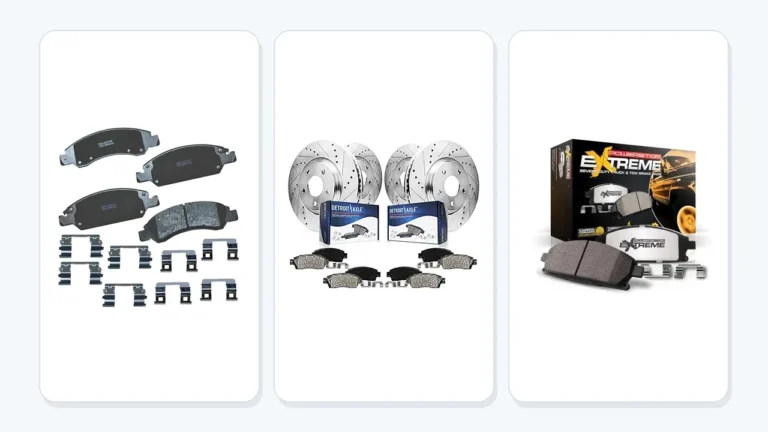
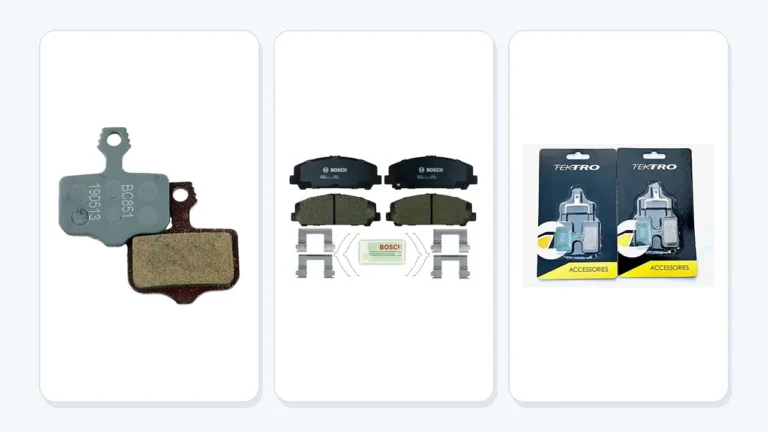
5 Best Wagner Brake Pads: ThermoQuiet, OEX and Severe Duty Picks
As an Amazon Associate, we earn from qualifying purchases made through links in this post, at no extra cost to you.
Buying the wrong brake pads can mean squealing at every stop, uneven braking, or a set that simply does not fit the caliper. You may waste time taking the wheel apart twice, pay for a return, or keep driving with a brake problem that should have been handled the first time.
Fit comes before friction material. A pad can have a sensible design and still be useless if the year, engine, trim, axle, or brake package does not match your vehicle, so check the vehicle-fit information before ordering.
The pad shape, noise control, hardware, and intended vehicle class also matter because they affect daily comfort, service time, and how the brakes behave under repeated stops. Here is what you will learn:
- Which Wagner pad fits each listed vehicle group and driving need.
- How ceramic friction material, shims, slots, and chamfered edges affect braking.
- What to check before ordering pads for a car, truck, SUV, or van.
- How to bed, clean, inspect, and store brake components safely.
Quick Picks
-
Best For Ford Fusion Rear Brakes

Wagner QS ZD1161 Disc Brake Pad Set,
Chamfered edges and OE-style friction help reduce brake noise for Ford Fusion owners seeking everyday rear stopping performance.
-
Best For Full-Size Trucks And SUVs

Wagner Brake OEX OEX2087 Disc Brake Pad
Five shim layers, stainless-steel hardware, and heat-dissipating design suit truck and SUV drivers who want quieter braking.
Top 5 Wagner Brake Pads at a Glance
The QS ZD1161 is the clearest starting point for listed rear applications such as the Ford Fusion, while the OEX2087 suits larger trucks and SUVs. The remaining choices cover heavy-duty van applications, Dodge and Chrysler truck platforms, and several Chrysler cars, so vehicle fit separates this group more than appearance or package naming.
| Product image | Product name | Check product |
|---|---|---|
| 1 |
Wagner QS ZD1161 Disc Brake Pad Set, | Check Price |
| 2 |
Wagner Brake OEX OEX2087 Disc Brake Pad | Check Price |
3 |
Wagner Brake ThermoQuiet QC1411 Ceramic Disc Brake | Check Price |
4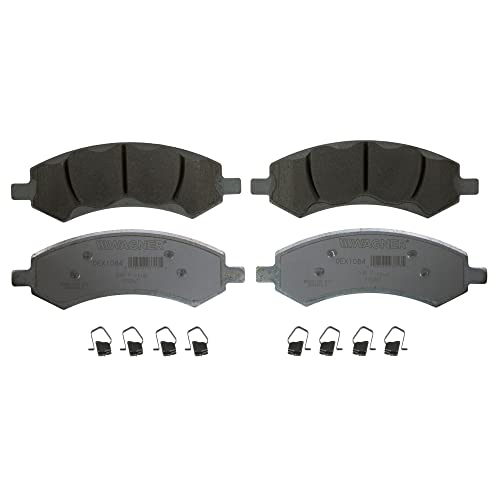 |
Wagner Brake OEX OEX1084 Disc Brake Pad | Check Price |
5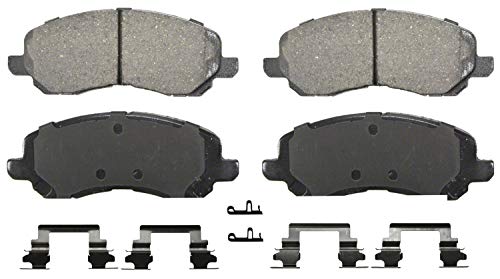 |
DRiV Wagner Disc Brake Pad Set – | Check Price |
5 Best Wagner Brake Pads: Detailed Reviews
When I chose the best wagner brake pads, I looked first at exact vehicle coverage, friction design, noise control, heat handling, and included hardware. Those details matter because a wrong fit wastes the repair, while poor noise or heat control can turn an ordinary stop into an irritating or inconsistent one.
I kept the group broad enough for cars, trucks, SUVs, and commercial-style vans, rather than treating every Wagner pad as interchangeable. Comparing the designs side by side helps you see which pad is aimed at quiet street driving, heavier vehicles, long van service, or a particular Chrysler application.
1. Wagner QS ZD1161 Disc Brake Pad Set,
Chamfered edges and OE-style friction help reduce brake noise for Ford Fusion owners seeking everyday rear stopping performance.
- SizeZD1161
- Release Date2013-03-20T00:00:01Z
- Number Of Items1
- WeightNot listed; check details
The Wagner QS ZD1161 is a rear disc brake pad set for several Ford, Lincoln, Mercury, and Mazda applications, including the 2006–2012 Ford Fusion.
Chamfered edges for quieter stops
A chamfered edge is a small angled section along the friction material instead of a sharp square corner. On the QS ZD1161, the chamfered edges work with the specified friction material to minimize vibration and noise during braking.
That design can make normal street stops less likely to produce a sharp squeal when the pad meets the rotor. For a daily driver, the benefit is simple: fewer unwanted sounds during traffic, parking, and slow turns.
The QS ZD1161 also uses an OE-style configuration, meaning the pad is shaped and formulated to match the type of braking behavior expected from the original application. That does not remove the need to verify fit, but it gives a beginner a sensible starting point for a stock vehicle.
Integrally molded construction
Integrally molded construction joins the pad material into a single formed structure designed to maintain integrity under stress. The QS ZD1161 also lists a post-curing process intended to provide even friction through the pad’s service life.
Even friction helps the brake pedal feel more predictable as the pad contacts the rotor. That matters when you want steady stops instead of a changing feel after repeated errands or downhill traffic.
The main limitation is application range. The QS ZD1161 is not a general Ford, Mazda, or Lincoln pad, so the exact year, axle position, and vehicle fit must match before purchase.
Pros:
- Chamfered edges, reduced vibration and quieter everyday stops.
- OE-style friction, familiar street-driving response.
- Molded construction, added structural support under stress.
- Post-curing process, more even friction through pad life.
- Broad listed rear coverage, useful across several related vehicles.
Cons:
- Listed for specific rear applications, not every vehicle from these brands.
- The package lists one item, so confirm the set contents for your repair.
- Fit depends on year, axle position, and brake configuration.
Buy it if: you own a listed rear-application vehicle, because the chamfered edges and OE-style friction target quieter, familiar street braking.
Skip it if: you need front pads or a different brake configuration, because the QS ZD1161 coverage is application-specific and another correctly matched pad type would suit you better. For another fit, consider Wagner Brake OEX OEX2087 Disc Brake or Wagner Brake ThermoQuiet QC1411 Ceramic Disc.
I’d pick the QS ZD1161 first for a listed Ford Fusion owner who wants a straightforward daily-driver replacement. The noise-focused edge treatment and molded construction address the two complaints beginners notice most, squeal and uncertain fit. Double-check the rear-axle listing and vehicle details before ordering.
This Wagner pad is the sensible choice for a stock, everyday car covered by the fit notes.
2. Wagner Brake OEX OEX2087 Disc Brake Pad
Five shim layers, stainless-steel hardware, and heat-dissipating design suit truck and SUV drivers who want quieter braking.
- ColorAssorted
- Number Of Items1
- CoverageCOMPREHENSIVE COVERAGE — Brake pads available for domestic, European and Asian trucks, SUVs and CUVs 2005 and
- WeightNot listed; check details
The Wagner OEX OEX2087 is a premium ceramic disc brake pad set aimed at listed Ford, Lincoln, and full-size truck and SUV applications.
Heat control for larger vehicles
Heat dissipation means moving heat away from the friction area so the brake system can handle repeated stops with less heat buildup. The OEX2087 uses a design intended to increase turbulent airflow, which supports cooler operation on trucks, SUVs, and CUVs.
Larger vehicles carry more weight, so their brakes may work harder during traffic, towing-related use, hills, or repeated stops. Cooler operation can help the braking system stay more consistent when the vehicle is asking more from it.
The OEX2087 also uses a custom slot design. A slot is a channel formed in the pad surface that helps manage heat, gases, and contact behavior as the pad works against the rotor.
Noise and corrosion control
The OEX2087 lists five shim layers, which are thin noise-control layers between the pad and its backing area. Those layers are intended to reduce noise, vibration, and harshness instead of letting every small movement become a sound at the wheel.
The set also includes stainless-steel hardware for all applications listed in the features. Galvanized steel plates and mechanical retention help resist corrosion, which matters in regions that use road salt or experience wet winter weather.
The trade-off is that the fit list covers many large vehicles but does not guarantee compatibility with every F-150, Expedition, Lobo, or Mark LT. Use the year, make, model, engine, trim, and qualifier notes before ordering.
Pros:
- Five shim layers, reduced noise and vibration.
- Turbulent airflow design, cooler operation during repeated stops.
- Custom slots, improved heat and residue management.
- Stainless-steel hardware, easier corrosion-conscious installation.
- Galvanized plates, added protection in damp conditions.
Cons:
- Large-vehicle focus, unnecessary for many small cars.
- Fit notes may vary by engine, trim, and brake package.
- Assorted color is not a meaningful performance guide.
Buy it if: you drive a listed truck or SUV, because the cooling design and layered shims suit heavier vehicles that need controlled, quieter braking.
Skip it if: your vehicle is outside the listed applications, because truck-oriented pad dimensions and hardware may not match your caliper, and a correctly fitted car pad would suit you better. Wagner QS ZD1161 Disc Brake Pad and Wagner Brake ThermoQuiet QC1411 Ceramic Disc are worth a closer look instead.
What I like here is the clear focus on the problems that show up in heavier vehicles: heat, noise, and corrosion. The OEX2087 earns its rank because the design addresses all three without relying on one feature alone. Check the exact engine, trim, and fit qualifiers before buying, especially on a truck with more than one brake option.
Choose this Wagner pad when the vehicle match is confirmed and the vehicle class is the main concern.
3. Wagner Brake ThermoQuiet QC1411 Ceramic Disc Brake
The catalog lists QUIETER OPERATION — Application-specific design and a unique laser-shaped friction spreads out heat, sound an. Compare fit and care needs before choosing.
- ColorAssorted
- SizeQC1411
- Is Adult ProductFalse
- Number Of Items1
The Wagner ThermoQuiet QC1411 is a ceramic disc brake pad set for listed GMC Savana 3500, GMC Savana 4500, and Chevrolet Express 4500 applications.
Laser-shaped friction design
The QC1411 uses an application-specific friction shape described as laser-shaped. In plain language, the friction surface is formed to spread heat, sound, and vibration across the braking contact area rather than letting those forces concentrate in one spot.
That approach can help reduce noise opportunities during routine braking. It is especially relevant for a large van, where a brake sound can be more noticeable because the vehicle is used for frequent stops, passengers, deliveries, or long working days.
The pad also lists a formulation intended to dissipate heat and reduce brake fade. Brake fade is a temporary loss of braking strength after the brakes become very hot, so heat control matters when a heavy van stops repeatedly.
Cleaner wheels and integrated construction
The QC1411 uses a formulation intended to reduce brake dust and rotor wear. Less residue can mean cleaner-looking wheels and less frequent cleaning, though normal dust and wear still occur with any disc brake system.
For select applications, the pad uses one-piece construction that integrates the friction material, backing plate, and insulator. An insulator is a layer that helps control heat and vibration between the working pad and the caliper hardware.
The set lists stainless-steel hardware for select applications, not necessarily every application. Confirm whether the hardware shown for your exact fit is included before starting the repair.
The limitation is its narrow listed vehicle group. A pad designed for a Savana 3500, Savana 4500, or Express 4500 should not be treated as a universal van replacement.
Pros:
- Laser-shaped friction area, spreads heat and vibration.
- Heat-dissipating formulation, helps resist brake fade.
- Reduced-dust formulation, less residue on wheels.
- One-piece design on select applications, fewer separate layers.
- Zero-copper formulation, supports the stated material choice.
Cons:
- Narrow listed fit, mainly heavy GMC and Chevrolet vans.
- Hardware inclusion varies by application.
- One listed item requires careful package and axle checking.
Buy it if: you have a listed Savana or Express 4500 application, because the heat-focused friction design suits a heavy van that makes repeated stops.
Skip it if: you drive a passenger car or an unlisted van, because the QC1411 fit is specialized and a vehicle-specific pad type would suit you better. If those trade-offs rule it out, Wagner QS ZD1161 Disc Brake Pad or Wagner Brake OEX OEX2087 Disc Brake may suit you better.
I’d choose the ThermoQuiet QC1411 when a heavy van’s work cycle matters more than a broad vehicle list. The heat and vibration design gives the pad a clear purpose, while the dust-control feature may reduce wheel cleanup. Verify whether your application receives the listed hardware and confirm the exact axle position.
This is the focused pick for the covered GMC and Chevrolet van applications.
4. Wagner Brake OEX OEX1084 Disc Brake Pad
The catalog lists DESIGNED FOR TRUCKS, SUVS AND CUVS — Specifically engineered to deliver optimal braking performance. Compare fit and care needs before choosing.
- SizeOEX1084
- Number Of Items1
- WeightNot listed; check details
- DimensionsNot listed; check details
The Wagner OEX OEX1084 is a premium ceramic disc brake pad set for listed Dodge Dakota, Mitsubishi Raider, Dodge Ram 1500, and Chrysler Aspen applications.
Truck and SUV friction design
The OEX1084 is designed for trucks, SUVs, and CUVs, where vehicle weight and wheel size can place more demand on the brakes than a small sedan would. The pad shape and custom slots are intended to support braking performance, reduce rotor wear, and minimize residue.
A slot is a shaped channel in the friction material that can help manage the pad’s contact behavior as the rotor turns. For a truck driver, the practical goal is a stable pad surface that handles ordinary street stops without leaving excessive residue or creating unnecessary rotor wear.
The OEX1084 also uses a design intended to increase airflow around the braking area. Better airflow helps move heat away during repeated stops, which is useful in city traffic, on hills, or with a loaded vehicle.
Hardware and corrosion protection
The set lists galvanized steel plates with mechanical retention and premium stainless-steel hardware. Galvanized steel has a protective coating that helps slow corrosion, while mechanical retention holds the friction material and backing structure together without relying on a vague promise of durability.
The OEX1084 also lists five shim layers for noise, vibration, and harshness control. A shim is a thin layer that helps isolate small movements between the pad, caliper, and related hardware.
The main watch point is compatibility across several related vehicles. A 2006 Dodge Dakota and a 2010 Dodge Ram 1500 do not automatically use the same brake arrangement, so the vehicle fit must be checked carefully.
Pros:
- Truck and SUV design, suited to larger vehicle applications.
- Custom slots, supports heat and residue management.
- Five shim layers, helps limit brake noise.
- Galvanized plates, added corrosion resistance.
- Stainless-steel hardware, supports a cleaner installation.
Cons:
- Fits selected vehicles, not every Dakota or Ram 1500.
- No broad size measurement is listed in the available details.
- Heavy-vehicle design may be unnecessary for a small car.
Buy it if: you own a listed Dodge, Mitsubishi, or Chrysler truck or SUV, because the cooling, shim, and corrosion features fit that type of daily service.
Skip it if: you cannot confirm the exact brake configuration, because similar vehicle names can use different pads and a properly matched application would suit you better.
To me, the smartest thing about the OEX1084 is its balanced truck-oriented design. The pad addresses heat, noise, residue, and corrosion instead of concentrating on only one comfort feature. The fit range deserves a careful check because the listed vehicle years overlap different platforms.
Pick it for a confirmed Dakota, Raider, Ram 1500, or Aspen application that needs a ceramic truck and SUV pad.
5. DRiV Wagner Disc Brake Pad Set –
The catalog lists Compatibility: Fits BAIC X65 2018–2020 and BAIC BJ20 2018–2020; Chrysler Cirrus 2007–2010; Chrysler Sebring 20. Compare fit and care needs before choosing.
- SizeZD866
- Release Date2013-03-20T00:00:01Z
- Is Adult ProductFalse
- Number Of Items1
The Wagner QS ZD866 is a ceramic disc brake pad set for listed BAIC, Chrysler Cirrus, Chrysler Sebring, and Chrysler 200 applications.
Even friction for everyday cars
The QS ZD866 is designed to restore even friction performance in car disc brakes. Friction material is the part of the pad that presses against the rotor, and even contact helps the brake pedal feel more predictable during normal stops.
The listed applications cover several Chrysler cars and specific BAIC vehicles across different years. That range makes the fit check especially important because a similar name does not prove that the pad shape, backing plate, or hardware is the same.
The QS ZD866 also uses a ceramic formulation. Ceramic brake pads are made from a friction compound intended for quiet, clean street braking, though actual dust, sound, and wear still depend on the whole brake system and the condition of the rotor.
Noise control and zero-copper formulation
The pad is engineered to reduce noise and vibration through its friction design. That can help keep ordinary city braking quieter, which is useful when you spend time in stop-and-go traffic or park in a quiet neighborhood.
The QS ZD866 also lists a zero-copper formulation. Copper is sometimes used in friction materials, so a zero-copper design identifies the compound choice, but it does not replace the need to inspect the rotor, caliper, and brake hardware.
The limitation is the varied fit list. BAIC and Chrysler vehicles may have different service needs, and the listed size is ZD866, not a universal measurement for every car.
Pros:
- Ceramic friction material, suited to everyday car braking.
- Even friction design, supports predictable pedal feel.
- Noise-reducing construction, quieter routine stops.
- Zero-copper formulation, clearly identifies the compound choice.
- Multiple listed Chrysler applications, useful for covered cars.
Cons:
- Fit varies across BAIC and Chrysler applications.
- No broad physical dimensions are listed in the available details.
- Rotor and caliper condition still affect braking results.
Buy it if: you have a listed BAIC or Chrysler car, because the ceramic compound and noise-focused design suit ordinary street driving.
Skip it if: your vehicle is not one of the listed applications, because a similar Chrysler name does not ensure the same pad shape and a confirmed vehicle-specific set would suit you better.
I’d pick the QS ZD866 for a covered car owner who wants a simple ceramic street-braking option. The even-friction and noise-control claims match the everyday problems most car owners notice, while the zero-copper formulation gives the pad a clear design identity. Double-check the year, trim, axle, and brake package because the fit list spans several vehicles.
This Wagner pad makes sense when the exact ZD866 application is confirmed.
How to Choose the Best Wagner Brake Pads
The best wagner brake pads are the ones that match your exact vehicle and braking job before material or marketing language enters the decision. Start with year, make, model, engine, trim, axle position, and brake package, then compare noise control, heat handling, hardware, and vehicle class.
Confirm the vehicle fit first
Vehicle fit means the pad’s shape, thickness, backing plate, and hardware match the caliper and rotor arrangement. A year and model alone may not be enough because manufacturers can change brakes within one generation.
Enter the complete vehicle information in the fit tool when available, including engine and trim. Read qualifier notes instead of stopping at a simple fit message, especially for trucks and SUVs with different axle or towing packages.
A good match names your exact vehicle and axle position. The QS ZD1161, for instance, specifically lists rear applications for several vehicles, so a Fusion owner should not assume the part fits the front brakes.
If you are comparing Wagner with another brand, the same rule applies when reviewing PowerStop brake options. Brand reputation cannot fix a pad that has the wrong shape.
Choose the right vehicle class
A small car, heavy SUV, pickup, and commercial van do not place the same demand on their brakes. Larger vehicles have more mass to slow, and repeated stops can create more heat.
Truck- and SUV-focused designs such as the OEX family may make sense for the listed larger platforms. The ThermoQuiet QC1411 is aimed at specific heavy van applications, while the QS sets in this group cover several passenger-car uses.
Look for a pad whose application language matches how the vehicle is built, not only how you use it. A small sedan does not need a truck-oriented pad unless the fit information specifically calls for it.
Understand ceramic friction material
Ceramic friction material is a pad compound made for a balance of braking response, noise control, and residue management in many street applications. Ceramic does not mean every pad will be silent, dust-free, or suitable for every vehicle.
Look for the friction material named in the product details and match the pad to the vehicle’s original brake requirements. Rotor condition, caliper movement, temperature, weather, and installation quality can change the result.
Ceramic pads can be a sensible choice for daily driving, commuting, and normal family use. They are not a reason to skip inspection of the rotor or to treat a vehicle-fit check as optional.
Check noise-control details
Brake noise often comes from vibration between the pad, rotor, caliper, and hardware. Chamfered edges, shims, slots, and insulators are design details intended to manage that movement.
A chamfer is an angled pad edge, while a shim is a thin noise-control layer. The QS ZD1161 uses chamfered edges, and the OEX pads list five shim layers, so each design approaches noise control differently.
Look for a clearly stated noise-control feature when quiet operation matters. Also inspect or replace worn hardware as appropriate, because a new friction surface cannot correct every hardware problem.
You can also compare noise-focused choices with Duralast brake pad designs, but the fit and application remain more important than the brand name.
Consider heat and repeated stops
Heat handling matters most for heavy vehicles, hills, traffic, hauling, and repeated braking. Heat-dissipating slots and airflow features can help the brake area manage rising temperatures.
The OEX2087 and OEX1084 list airflow and heat-related design details, while the QC1411 lists a formulation intended to dissipate heat and reduce fade. Those features make more sense on the listed trucks, SUVs, and heavy vans than on a lightly used compact car.
Look for heat-related features when your vehicle is heavy or your route includes repeated stops. Do not treat a feature description as a guarantee against fade if the rotor, caliper, brake fluid, or driving conditions need attention.
Check the hardware package
Brake hardware includes pieces such as shims, clips, and related retaining parts that help the pad sit and move correctly. Some sets include stainless-steel hardware, while other applications may not include every piece.
The OEX2087 lists stainless-steel hardware for all applications, while the QC1411 says hardware is included for select applications. Read the exact application notes before assuming the box contains every installation part.
If your current clips are rusty, bent, or loose, plan the repair around the hardware condition. A fresh pad with poor retaining hardware can create noise, uneven wear, or movement that should have been addressed during the brake job.
Compare the pad set contents
A pad set may be described as one item even though the physical repair requires pads for both sides of one axle. The available details for these products list one item, so confirm the seller’s package description and the number of pads included before ordering.
Do not infer a complete front-and-rear brake job from a single pad-set listing. Brake pads are normally replaced by axle, and the correct quantity depends on the package and vehicle application.
When the listing does not make the contents clear, pause before removing a wheel. A short fit and package check can prevent a repair that stops halfway through the job.
How to Use Wagner Brake Pads for the Best Results
Use new brake pads with a clean, inspected braking system and follow the vehicle’s service procedure. Correct installation and a careful bedding process matter as much as the friction material.
- Confirm the part number, vehicle, axle, and package contents before lifting the vehicle.
- Park on a level surface, secure the vehicle, and use proper jack stands rather than relying on a jack alone.
- Inspect the rotor for deep grooves, cracks, heavy rust, or a surface condition that calls for replacement or service.
- Check the caliper, slide pins, clips, and dust boots for binding or damage.
- Install each pad in the correct position, keeping friction material free from grease, oil, and dirt.
- Tighten the wheel and caliper fasteners to the vehicle maker’s specified torque.
- Press the brake pedal slowly several times before moving so the pads contact the rotor.
- Follow the pad maker’s bedding guidance with several controlled stops in a safe area.
Bedding means gradually bringing the new pad and rotor to working temperature so their contact surfaces mate evenly. Avoid panic stops, long periods of pedal pressure, and heavy towing immediately after installation unless the service instructions say otherwise.
A soft pedal, pulling, grinding, fluid leak, or warning light is not a normal bedding symptom. Stop driving and have the brake system inspected if any of those signs appear.
For a first brake job, gather the correct socket set, brake cleaner, gloves, eye protection, a torque wrench, and a safe lifting setup. A brake repair is not a good place to improvise with unstable supports or unknown fastener tightness.
How to Make Your Wagner Brake Pads Last Longer
Brake pads last longer when the caliper moves freely, the rotor is in usable condition, and the vehicle is not driven with unnecessary hard stops. Maintenance starts with the parts around the pad, not only the pad surface.
Inspect the brakes whenever the wheels are removed for tire rotation or seasonal service. Look for uneven pad thickness, heavy rust, a damaged dust boot, loose hardware, and a rotor surface that differs from side to side.
Keep the caliper slide pins clean and properly lubricated with the correct brake lubricant. Do not allow lubricant onto the friction surface, rotor face, or pad material.
Avoid resting your foot on the brake pedal during long downhill drives. Light, constant pressure can create heat without giving the system a chance to cool.
Leave extra following distance in traffic so you can slow gradually. Smooth stops create less heat and wear than repeated late braking.
If the vehicle sits in wet weather, normal surface rust can appear on the rotor. A few controlled stops often clean light surface rust, but deep pitting or persistent grinding calls for inspection rather than more driving.
Replace worn clips, damaged shims, or corroded hardware when the service procedure calls for it. The pad may be the visible part, but the small retaining pieces affect movement and noise.
Store unopened brake pads in a dry, clean place away from oil, fuel, and loose metal debris. Keep the packaging intact until the fit and package contents have been checked.
When comparing maintenance expectations across brands, Bosch QuietCast pads offer another useful example of why hardware, friction material, and vehicle fit should be considered together. The same inspection rules apply regardless of brand.
Common Mistakes to Avoid When Buying and Using Wagner Brake Pads
Most brake-pad problems begin with a fit mistake, a rushed installation, or a failure to inspect the related parts. These are the errors worth preventing before the box is opened.
Buying by vehicle name only
A vehicle name and year may hide different engines, trims, axles, or brake packages. Enter the complete vehicle details and read the qualifier notes before ordering.
Choosing by color
Color is not a reliable guide to friction performance or fit. Use the part number, application list, friction material, and hardware details instead.
Assuming front and rear pads match
Front and rear brakes commonly use different pad shapes and perform different amounts of work. Confirm the axle position, especially with a listing such as the rear-focused QS ZD1161.
Ignoring rotor condition
New pads cannot correct a severely grooved, cracked, warped, or deeply rusted rotor. Inspect the rotor and follow the vehicle service limits before installing pads.
Reusing damaged hardware
Bent clips, rusty retainers, or seized slide pins can create noise and uneven wear. Replace or service the hardware when its condition is poor.
Touching friction surfaces with grease
Oil and grease can contaminate the pad and rotor. Handle the friction surfaces carefully and clean the rotor with a product intended for brake work.
Skipping the bedding process
New pads need controlled contact with the rotor. Follow the stated bedding method and avoid aggressive braking until the surfaces have mated.
Driving through a warning sign
Grinding, pulling, a soft pedal, fluid loss, or a warning light can signal a larger brake problem. Stop and arrange an inspection instead of hoping a new pad will solve it.
How to Set Up Wagner Brake Pads
Brake-pad setup is a mechanical repair, not a simple snap-in task. Plan the work around safe lifting, correct hardware, clean friction surfaces, and a final brake check.
- Park level, apply the parking brake as appropriate, and loosen the wheel fasteners slightly before lifting.
- Lift the vehicle at the approved points and support it with jack stands, with the likely stumbling point being an unstable or uneven surface.
- Remove the wheel and photograph the existing pad and hardware so orientation is easier to remember.
- Verify the new pad shape and part number against the removed pad before taking the caliper apart.
- Remove the caliper carefully without hanging its weight from the brake hose.
- Clean the bracket contact points and inspect the slide pins, watching for rust that prevents free movement.
- Install the correct clips, shims, and pads, keeping lubricant away from every friction surface.
- Reassemble, torque the fasteners, pump the pedal, and perform the bedding procedure in a safe area.
The most common beginner mistake is treating the old installation as proof that every piece is in good condition. A photograph helps with orientation, but it cannot replace an inspection of clips, pins, boots, rotors, and caliper movement.
If the caliper piston will not retract normally, the rotor is badly damaged, or the brake hose twists during the job, stop and get qualified assistance. For a safety-critical repair, saving time is not worth creating an uncertain pedal or uneven braking.
Common Questions About Wagner Brake Pads
Are Wagner brake pads good for daily driving?
Wagner brake pads can suit daily driving when the exact pad matches the vehicle and the brake system is in good condition. The listed products include street-focused features such as chamfered edges, ceramic friction material, shims, and OE-style configurations. Those features support ordinary commuting, but they do not replace correct installation or rotor inspection.
How do I know which Wagner brake pads fit my vehicle?
Use the full year, make, model, engine, trim, axle position, and brake-package information. Check the product’s fit notes rather than relying on a brand or vehicle name alone. Truck and SUV applications can have several brake arrangements, and a rear pad will not automatically fit the front axle.
Are ceramic brake pads quieter?
Ceramic brake pads are often designed with noise control in mind, but quiet operation depends on the entire brake system. Pad shape, chamfered edges, shims, rotor condition, clips, caliper movement, and installation all affect sound. A ceramic label alone cannot guarantee silent braking on a worn or contaminated system.
Do Wagner brake pads include hardware?
Some Wagner sets include hardware, while the coverage can vary by application. The OEX2087 lists stainless-steel hardware for all applications, while the QC1411 lists hardware for select applications. Read the exact package details for your vehicle before assuming clips or shims are included.
How long do Wagner brake pads last?
Brake-pad life has no single dependable number because weight, traffic, hills, driving habits, rotor condition, and caliper movement change wear. Inspect the pads during tire service and respond to uneven thickness, grinding, pulling, or warning signs. Replace them according to measured condition and the vehicle service guidance.
Can I replace brake pads without replacing rotors?
You may be able to replace pads without replacing rotors when the rotors remain within service limits and have no serious damage. Deep grooves, cracks, heavy rust, excessive wear, or a poor contact surface can require rotor service or replacement. Inspect both parts before deciding, rather than treating every pad job the same.
Make the Fit Check Your Next Step
Start with the vehicle identification information, then confirm the axle position and package contents before choosing a Wagner pad. If the fit notes match, inspect the rotor and hardware before installation, and plan a careful bedding drive instead of treating the repair as finished when the wheel goes back on.