5 Best Low Dust Brake Pads That Keep Your Wheels Clean for Longer
As an Amazon Associate, we earn from qualifying purchases made through links in this post, at no extra cost to you.
Buy the wrong brake pads and clean wheels can turn into a weekly chore, while poor fit may bring noise, uneven wear, or disappointing stopping feel. A pad meant for the wrong axle or trim can also leave you redoing the job, so checking vehicle details matters before a wrench comes out.
Brake dust depends on the friction material, the pad shape, and the fit at the caliper. A quiet shim can reduce squeal, while the correct front or rear application prevents an expensive mismatch.
Here is what the guide covers:
- Which pad sets fit specific GM, Honda, Acura, and Audi applications.
- How ceramic material, shims, chamfers, and slots affect daily driving.
- What to check before ordering pads for one axle or all four wheels.
- How to bed, clean, inspect, and store brake parts safely.
Quick Picks
-
Best For Large GM Vehicles

Bendix Premium SBC1363 Ceramic Front Brake Pads
Ceramic construction and OE-spec fit help deliver consistent braking for drivers replacing pads on larger GM vehicles.
-
Best For Quiet Rear Stops
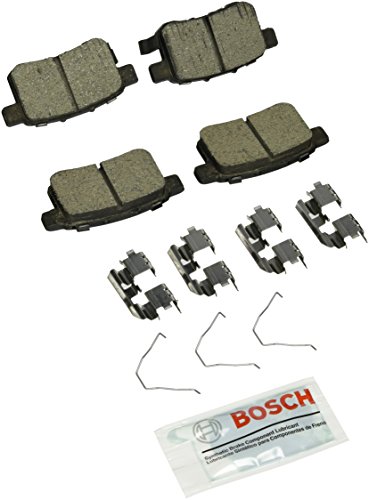
BOSCH BC1451 QuietCast Premium Ceramic Disc Brake
Ceramic friction material, rubber-core shims, and included lubricant help Honda and Acura owners reduce noise and wheel dust.
Top 5 Low Dust Brake Pads at a Glance
Start with Bendix for a broad range of listed GM applications and an OE-spec design. Bosch suits compatible Honda and Acura rear brakes, while PowerStop covers specific Audi and GM applications with hardware included. The eight-piece set is the broadest package, but fitment still comes before quantity.
| Product image | Product name | Check product |
|---|---|---|
| 1 |
Bendix Premium SBC1363 Ceramic Front Brake Pads | Check Price |
| 2 |
BOSCH BC1451 QuietCast Premium Ceramic Disc Brake | Check Price |
3 |
PowerStop Z17 Replacement Brake Pads Rear for | Check Price |
| 4 |
PowerStop Z17 Replacement Brake Pads Front 17-1363 | Check Price |
5 |
8PCS Front & Rear Ceramic Brake Pads, | Check Price |
[Application-inserted comparison table]
5 Best Low Dust Brake Pads: Detailed Reviews
When I chose the best low dust brake pads, I paid attention to friction material, noise control, axle position, hardware, and fitment notes. Those details affect wheel cleaning, brake noise, installation time, and the chance of ordering the wrong shape.
The group covers ceramic pads for front, rear, or both axles, with several vehicle-specific applications. Looking at them side by side helps you separate a single-axle replacement from a package that covers more wheels, without treating a larger pad count as proof of better fit.
1. Bendix Premium SBC1363 Ceramic Front Brake Pads
Ceramic construction and OE-spec fit help deliver consistent braking for drivers replacing pads on larger GM vehicles.
- ColorMetallic
- Size1 Count (Pack of 1)
- Release Date2017-08-07T00:00:01Z
- Number Of Items1
Bendix SBC1363 Ceramic Pads are designed for drivers replacing front pads on many Cadillac, Chevrolet, and GMC vehicles, including several large SUVs and pickup trucks.
Ceramic material for cleaner daily driving
Ceramic friction material is a compound used where the pad presses against the brake rotor. Bendix lists ceramic construction, which can help limit visible dust compared with some more dust-prone pad materials.
That matters most on large wheels with open spokes, where dark residue shows quickly. Less visible buildup can mean fewer wheel cleanings, though no brake pad can promise dust-free braking in every vehicle or driving condition.
The Bendix ceramic pad also lists resistance to wear and corrosion. Those are useful traits for a daily driver that sees rain, road salt, stop-and-go traffic, or long periods between cleanings.
OE-spec design and vehicle range
OE specifications describe the original-equipment fit, form, and function targets listed for a replacement part. Bendix says the SBC1363 is engineered to those specifications and lists OEM equivalent part number 22742382.
A pad that follows the intended shape should sit correctly in the caliper and contact the rotor as designed. That can reduce the frustration of discovering that the pad shape or mounting points do not match during installation.
The listed applications cover many model years of Escalade, Silverado, Suburban, Tahoe, Sierra, Yukon, Avalanche, Express, Savana, and related vehicles. Read the fitment notes carefully because trim, year, axle, and brake package can change the required pad.
The main caution is that the broad vehicle list does not replace a vehicle-specific check. Confirm the exact year, model, axle, and brake option before buying, especially for a truck or SUV with more than one factory brake setup.
Pros:
- Ceramic material, potentially reducing visible wheel dust.
- OE-spec design, supporting the intended pad shape and fit.
- Wear and corrosion resistance, helping with daily service.
- Broad listed coverage, useful for many GM vehicle owners.
- Consistent braking design, supporting predictable pedal use.
Cons:
- Listed as a front application, not a complete vehicle set.
- Broad fitment requires careful year, trim, and axle checking.
- Pack quantity is one, so package details need close attention.
Buy it if: you drive a listed GM vehicle and want ceramic front pads with an OE-spec design for cleaner, steady daily stops.
Skip it if: you need rear pads or a complete front-and-rear replacement, because the Bendix front application does not cover every axle. For another fit, consider Bosch or Powerstop.
I’d pick Bendix SBC1363 Ceramic Pads when a listed GM truck or SUV needs front pads and fitment is confirmed. The combination of ceramic material and OE-spec design gives a beginner two useful reasons to consider the set, rather than relying on a vague clean-wheel claim. I would double-check the exact brake package and package count before ordering.
Bendix suits the GM owner who wants a straightforward front-pad replacement with broad listed vehicle coverage.
2. BOSCH BC1451 QuietCast Premium Ceramic Disc Brake
Ceramic friction material, rubber-core shims, and included lubricant help Honda and Acura owners reduce noise and wheel dust.
- ColorRear
- SizeBC1451
- Number Of Items1
- Noise[QUIETER STOPS] – The industry’s best pre-attached OE style multilayer rubber core shims ensure the highest qu
Bosch BC1451 QuietCast Pads are rear ceramic pads for select Acura TSX and Honda Accord applications, aimed at drivers who care about low noise and reduced wheel dust.
Rubber-core shims for quieter contact
A shim is the layer attached to the back of a brake pad that helps manage vibration between the pad and caliper. Bosch lists pre-attached multilayer rubber-core shims, which can help reduce squeal and add corrosion resistance at the backing area.
The benefit is a calmer braking sound during normal stops. Noise can come from several parts of a brake system, so the shim does not guarantee silence if rotors, hardware, caliper movement, or installation condition create another problem.
Bosch also lists a powder-coated backing plate. The backing plate supports the friction material, and the coating is intended to help resist rust and corrosion over time.
Ceramic friction material and included service parts
Bosch lists ceramic friction material for quiet, low-dust operation. Ceramic pads are often chosen by daily drivers who want less dark residue on alloy wheels and a smooth feel in ordinary traffic.
The package includes pads for one axle, covering two wheels, along with a hardware kit where available and synthetic lubricant for sliding contact points. That can save a separate trip for basic installation supplies, but the listing still needs checking for the exact vehicle application.
The BC1451 is listed for select 2009-2014 Acura TSX and 2008-2017 Honda Accord vehicles. Rear fitment is especially important because the front and rear pad shapes are not interchangeable.
The limitation is narrow vehicle coverage compared with the wider Bendix list. Trim and engine details may affect fit, so confirm the exact Accord or TSX configuration before placing an order.
Pros:
- Ceramic friction material, helping reduce visible brake dust.
- Multilayer rubber-core shims, helping limit vibration noise.
- Powder-coated backing plate, resisting rust and corrosion.
- Hardware and lubricant, simplifying basic installation preparation.
- Rear axle package, covering two wheels as listed.
Cons:
- Fits select Honda and Acura applications only.
- Rear pads cannot replace a required front application.
- Hardware availability may vary by the specific package.
Buy it if: you have a compatible Honda Accord or Acura TSX rear application and want ceramic pads with pre-attached noise-control shims.
Skip it if: you need front pads or drive a vehicle outside the listed applications, because the rear BC1451 shape may not match your caliper. Bendix and Powerstop are worth a closer look instead.
Bosch BC1451 QuietCast Pads earn a high place for the driver whose main complaint is rear brake noise and dirty wheels on a compatible Honda or Acura. The attached shims and included lubricant make the installation plan easier to understand for a first-time buyer. I would still verify the trim and engine because the fitment list is selective.
Choose Bosch when quiet rear braking is more important than broad vehicle coverage.
3. PowerStop Z17 Replacement Brake Pads Rear for
The catalog lists PLEASE CONFIRM YOUR FITMENT: Using the Amazon Confirmed Fit bar at the top of the page or check the Product De. Compare fit and care needs before choosing.
- ColorMetallic
- Release Date2014-04-01T00:00:01Z
- Number Of Items1
- FAST, QUIET STOPPING POWERZ17 Brake Pads are designed for smooth, noise-free braking, these ceramic brake pads are thermal scorched, chamfere
PowerStop Z17 Rear Pads are ceramic rear pads for listed Audi A4, A4 Quattro, and Q5 applications from the stated model years.
Thermal scorching for quicker bedding
Thermal scorching is a manufacturing step that uses heat to prepare the friction surface before regular driving. PowerStop says these pads are thermal scorched, chamfered, and slotted for quick break-in and consistent braking.
A chamfer is a beveled edge on the pad, while a slot is a channel cut into the friction surface. These shapes can help manage vibration, gases, and contact changes as the pad meets the rotor.
For a daily driver, the practical goal is a predictable transition after installation instead of a long period of uncertain pedal feel. The driver still needs to follow proper bedding guidance and avoid harsh repeated stops immediately after installation.
Low-dust ceramic material and hardware
PowerStop lists low-dust ceramic material and multilayer rubberized shims. The ceramic compound is intended to reduce dust buildup, while the rubberized shim helps limit squeal and vibration.
The package includes two rear ceramic pads and installation hardware. That is useful for a rear-axle replacement, but it does not mean the box covers front brakes or every part needed for a full brake service.
PowerStop lists a 12 Month / 12,000 Mile Limited Warranty. Warranty terms can depend on the specific purchase and installation conditions, so read the current details before relying on the coverage.
The key watch point is exact Audi fitment. A4, A4 Quattro, and Q5 applications can vary by year and brake setup, so use the vehicle fit checker and confirm the rear position before ordering.
Pros:
- Thermal-scorched friction surface, supporting a quicker break-in.
- Chamfered and slotted design, helping manage vibration.
- Low-dust ceramic material, keeping wheels cleaner longer.
- Rubberized shims, helping reduce squeal during normal stops.
- Installation hardware included, reducing extra parts shopping.
- Listed limited warranty, offering stated coverage for eligible buyers.
Cons:
- Rear-only package, not a complete four-wheel replacement.
- Audi fitment varies by year and brake configuration.
- Warranty terms require careful reading before purchase or installation.
Buy it if: you have a confirmed Audi rear application and want ceramic pads with hardware, shims, and a stated limited warranty.
Skip it if: your Audi needs front pads or your vehicle details do not match, because a rear A4 or Q5 pad cannot correct a front-axle need. If those trade-offs rule it out, Bendix or Bosch may suit you better.
PowerStop Z17 Rear Pads make sense for the Audi owner who wants a package with more installation pieces included. The thermal-scorched, chamfered, and slotted design gives a beginner a clear explanation of what the pad is trying to accomplish during break-in. I would verify every fitment detail and read the warranty terms before purchase.
Pick PowerStop when the listed Audi rear application and included hardware line up with the job.
4. PowerStop Z17 Replacement Brake Pads Front 17-1363
The catalog lists PLEASE CONFIRM YOUR FITMENT: Using the Amazon Confirmed Fit bar at the top of the page or check the Product De. Compare fit and care needs before choosing.
- ColorMetallic
- Size1 Count (Pack of 1)
- Number Of Items1
- FAST, QUIET STOPPING POWERZ17 Brake Pads are designed for smooth, noise-free braking, these ceramic brake pads are thermal scorched, chamfere
PowerStop Z17 Front Pads are ceramic front pads for listed Chevrolet Silverado 1500, Chevrolet Tahoe, and GMC Yukon applications.
Front ceramic pads for cleaner wheels
Front brakes often handle a large share of a vehicle’s stopping work, so front pad dust can become noticeable on the front wheels first. PowerStop lists low-dust ceramic material, which is intended to reduce buildup during everyday braking.
The package contains two front Z17 ceramic pads and installation hardware. That covers the front axle as described, not the rear axle, so check the position before ordering a second set.
PowerStop also lists multilayer rubberized shims. The shim sits behind the pad and helps manage the small vibrations that can create squeal when the brake is applied.
Chamfers, slots, and break-in
The pad edges are chamfered, meaning the corners are beveled instead of square. PowerStop also lists slots in the friction material, and both features are intended to support smooth, quiet contact during the early part of service.
The pads are thermal scorched for quicker break-in according to the listing. In real use, that may make the transition after installation more predictable, but careful bedding and a clean, correctly assembled brake system still matter.
The listed fitment includes Silverado 1500, Tahoe, and Yukon applications. These vehicles can have different brake packages, so year, trim, and axle details should be checked rather than assumed from the name alone.
The limitation is the narrow front application. This set is not the right answer for a rear replacement or a vehicle outside the listed Chevrolet and GMC coverage.
Pros:
- Low-dust ceramic material, helping keep front wheels cleaner.
- Front axle package, supplying two pads for the listed position.
- Rubberized shims, helping reduce vibration and squeal.
- Chamfered edges and slots, supporting smooth pad contact.
- Thermal scorching, supporting a quicker break-in period.
- Installation hardware included, simplifying the parts list.
Cons:
- Front-only package, leaving rear pad replacement separate.
- Fitment depends on the exact GM brake package.
- Listed vehicle coverage is narrower than the Bendix option.
Buy it if: you have a confirmed Silverado 1500, Tahoe, or Yukon front application and want ceramic pads with hardware included.
Skip it if: your repair is for the rear axle or a different vehicle family, because the Z17 front shape will not solve that application.
PowerStop Z17 Front Pads are a sensible match for a GM truck or SUV owner focused on front-wheel dust and quiet daily stops. The included hardware and clear front-axle package make the buying decision less confusing once fitment is confirmed. I would check the brake package carefully because Silverado, Tahoe, and Yukon applications are not automatically identical.
Choose this PowerStop set when the vehicle checker confirms the front position.
5. 8PCS Front & Rear Ceramic Brake Pads,
The catalog lists Compatibility: Compatible with 2006-2011 For Honda Ridgeline,for 2009-2014 Acura TL. Compare fit and care needs before choosing.
- Number Of Items8
- WeightNot listed; check details
- DimensionsNot listed; check details
- MaterialNot listed; check details
The Eight-Piece Ceramic Pad Set is intended for Honda Ridgeline and Acura TL applications and includes pads described for both front and rear wheels.
Eight pads for broader axle coverage
The package lists eight items and says it covers both front and rear wheels for the stated applications. That can be convenient for a driver planning a larger brake job instead of replacing only one axle.
A full package also reduces the chance of mixing unrelated pad shapes between front and rear positions. The buyer still needs to confirm that the vehicle matches the listed 2006-2011 Honda Ridgeline or 2009-2014 Acura TL application.
The listing gives replacement part numbers D1102 and D1103. Part numbers can help compare a needed shape with the existing service information, but they should support, not replace, a vehicle-specific fitment check.
Low-dust and quiet operation
The set uses ceramic material and is described as reducing brake dust on wheels and nearby components. Cleaner wheels mean less frequent scrubbing, especially for drivers who notice dark residue after a few days of commuting.
The listing also describes noise-reduction design for less squealing and vibration across all wheel positions. Brake noise can come from rotor condition, caliper movement, hardware, or installation, so the pad material alone cannot guarantee a quiet result.
The set is described as delivering consistent stopping force for daily driving. That is a general design goal, not a substitute for inspecting rotors, calipers, brake fluid, and the rest of the braking system during service.
The main concern is the thin specification record and limited vehicle range. Confirm the exact year, axle position, and part numbers before ordering, especially if the Ridgeline or TL has a different factory brake package.
Pros:
- Eight-piece package, covering listed front and rear applications.
- Ceramic material, helping reduce visible wheel dust.
- Noise-reduction design, helping limit squeal and vibration.
- Listed replacement numbers, aiding part comparison.
- Vehicle-specific coverage, helping target two stated applications.
Cons:
- Fits only the listed Ridgeline and Acura TL ranges.
- Few physical specifications are listed for checking dimensions.
- A larger package still needs exact vehicle confirmation.
Buy it if: you have a confirmed Ridgeline or Acura TL application and want one ceramic package for both listed axles.
Skip it if: you need a single-axle replacement or cannot confirm the listed vehicle range, because extra pads do not fix a fitment mismatch.
The Eight-Piece Ceramic Pad Set is appealing when both axles need service on a compatible Honda Ridgeline or Acura TL. The package size can reduce the need to order separate front and rear sets, and the ceramic material addresses the clean-wheel goal directly. I would double-check dimensions and vehicle details because fewer physical specifications are listed.
Pick this set when complete axle coverage matters and fitment is fully confirmed.
How to Choose the Best Low Dust Brake Pads
The best low dust brake pads match your vehicle, axle, pad shape, and driving needs before you consider dust alone. Start with fitment, then compare ceramic material, noise-control parts, hardware, and package coverage.
Confirm the exact vehicle application
Fitment means the pad’s shape and mounting details match the caliper and rotor used on your vehicle. Enter the year, make, model, trim, engine when requested, and axle position into the vehicle fit checker.
Look for notes about brake packages or qualifiers. A Silverado 1500, Accord, or Audi A4 may have more than one possible brake setup across different years and trims.
Identify front or rear pads
Front and rear pads are different shapes and are not interchangeable. Product titles usually state front, rear, or both, but read the feature list as well.
A two-pad or one-axle package normally covers two wheels on one axle. An eight-piece package may cover front and rear positions, but only if the vehicle application and pad shapes match.
Choose ceramic for the clean-wheel goal
Ceramic friction material is a common choice for drivers who want less visible dust and quiet daily braking. It does not mean zero dust, and the result can vary with the rotor, caliper, road conditions, and driving style.
Choose a ceramic set when clean alloy wheels and ordinary commuting matter more than specialized track performance. None of these listings should be treated as a racing-pad recommendation.
Look for shims, chamfers, and slots
Shims help reduce vibration between the pad and caliper. Chamfers bevel the pad edges, and slots create channels in the friction surface.
These features can support quieter contact and smoother break-in. They cannot correct a seized caliper, damaged rotor, dirty hardware, or an incorrectly installed pad.
Check what comes in the package
A package may include pads for one axle, hardware, lubricant, or both front and rear positions. Count the pads before ordering around a repair plan.
Hardware is useful when old clips are worn or corroded. Lubricant belongs only on the correct sliding or contact points, never on the friction surface or rotor.
Match the pad to your driving
Daily commuting, errands, and ordinary highway use are the natural target for these ceramic choices. Frequent towing, mountain driving, heavy loads, or track use may call for different guidance from a qualified brake professional.
A clean-wheel goal should never outweigh stopping performance and correct fit. If the vehicle has pulling, grinding, a soft pedal, vibration, or a warning light, inspect the whole brake system instead of changing pads blindly.
Brake material also works best with suitable rotors. Drivers who want to understand the broader ceramic category can review ceramic brake pad choices before deciding which friction material fits their routine.
How to Use Brake Pads for the Best Results
Use new pads with a clean, correctly assembled brake system and follow a careful bedding process after installation. Smooth early stops help the pad and rotor surfaces mate without unnecessary heat.
- Confirm the box, axle position, and vehicle fit before removing old parts.
- Inspect the rotor for deep grooves, cracks, blue heat marks, or an uneven surface.
- Clean the mounting and sliding areas without putting grease on the friction surfaces.
- Install the pad, shim, clips, and hardware in the correct position.
- Press the brake pedal slowly several times before moving the vehicle.
- Test at low speed in a safe area and check for unusual pull, grinding, or soft pedal feel.
- Follow the pad maker’s bedding instructions, using several moderate stops when conditions are safe.
- Allow the brakes to cool rather than holding the pedal hard after repeated stops.
Do not make emergency-style stops immediately after installation unless traffic requires one. The first drive should confirm normal pedal feel, straight tracking, and the absence of serious noise.
If the wheel needs cleaning after installation, use a wheel cleaner made for brake dust and compatible with the wheel finish. A dedicated wheel cleaner for brake dust can remove residue without turning pad selection into a daily scrubbing contest.
How to Make Your Brake Pads Last Longer
Brake pads last longer when the caliper moves freely, the rotor is in good condition, and the driver avoids needless hard stops. Basic inspections matter more than chasing a single advertised material claim.
Keep wheels and calipers free of heavy buildup during normal washing. Do not spray harsh chemicals directly onto hot brake parts, and follow the wheel cleaner label for painted, clear-coated, or polished finishes.
Have the brake system checked when the vehicle pulls, vibrates, grinds, or develops a soft pedal. Those signs can point to rotor, caliper, fluid, hose, or hardware problems that new pads alone will not fix.
Avoid resting your foot on the brake pedal in traffic. Light pressure creates heat and can wear the friction material faster, especially on long downhill drives.
Use the correct lubricant only where the installation instructions allow it. Grease on the pad face or rotor can sharply reduce braking, so keep friction surfaces completely clean.
Store unused pads indoors in their original packaging. Keep the friction surfaces dry and free of oil, coolant, brake fluid, and other shop chemicals.
Follow the maintenance interval in the vehicle owner’s information and inspect pad thickness during tire rotation if the wheels allow a clear view. Do not wait for grinding noise, since grinding can mean the friction material is already gone.
Common Mistakes to Avoid When Buying and Using Brake Pads
Most brake-pad problems begin with a fitment shortcut or an installation shortcut. A few minutes of checking can prevent a second repair visit.
- Ordering by vehicle name only: Different trims can use different brakes. Confirm year, axle, trim, and brake package.
- Mixing front and rear listings: Front and rear shapes differ. Match the package to the axle being serviced.
- Assuming low dust means no dust: Ceramic pads still create residue. Plan for normal wheel washing.
- Ignoring rotor condition: New pads cannot smooth a badly grooved rotor. Inspect or measure the rotor before installation.
- Reusing damaged clips: Bent or rusty hardware can create noise and uneven movement. Replace questionable hardware.
- Putting lubricant on the friction face: Grease reduces braking. Lubricate only the approved sliding contact points.
- Skipping the bedding process: Immediate hard stops can create uneven contact. Use a careful break-in routine.
- Treating a soft pedal as a pad problem: Air, fluid, hoses, or other faults may be involved. Stop driving and arrange a proper inspection.
Drivers who want the strongest possible clean-wheel focus may also compare no-dust brake pad options, while remembering that no street pad can promise absolutely no residue.
How to Set Up Brake Pads
Brake-pad installation is a safety repair, not a casual accessory swap. If you do not have a stable lifting method, the correct tools, or confidence around brake hardware, use a qualified mechanic.
- Park on a level surface, set the parking brake as appropriate, and loosen the wheel nuts slightly.
- Raise and support the vehicle with equipment rated for its weight, never relying on a jack alone.
- Remove the wheel and identify the caliper, pad position, clips, and wear hardware.
- Compare the new pad shape with the old pad before taking anything apart.
- Remove the caliper or retaining hardware according to the vehicle’s service procedure, supporting the caliper without pulling the brake hose.
- Clean the bracket contact points and inspect the rotor, piston, boots, and sliding pins.
- Install the new pads and hardware in the correct orientation, keeping lubricant off the friction faces.
- Reassemble the wheel, lower the vehicle safely, tighten the wheel nuts to the vehicle’s specified torque, and pump the brake pedal before driving.
The most common stumbling point is piston position. Some rear brake systems require a special procedure because the parking-brake mechanism is built into the caliper, so do not force the piston with the wrong tool.
Common Questions About Low Dust Brake Pads
Do low dust brake pads make no dust?
No, low-dust pads still produce some residue during braking. Ceramic material can reduce visible buildup for many daily-driving situations, but dust also depends on the rotor, caliper, road dirt, temperature, traffic, and driving habits. Clean wheels still need regular washing.
Are ceramic brake pads quieter than other pads?
Ceramic pads can be quieter when the correct shim, hardware, rotor, and installation are used. Bosch and PowerStop list noise-control features such as rubberized or rubber-core shims, chamfers, and slots. Those parts cannot guarantee silence if the caliper or rotor has a separate problem.
Do low-dust pads improve stopping distance?
Low-dust material is mainly a cleanliness and noise preference, not a promise of shorter stopping distance. Stopping depends on tire grip, rotor condition, brake system health, vehicle weight, speed, road surface, and pad fit. Replace worn or damaged brake parts rather than choosing by dust alone.
How many brake pads are in a set?
A one-axle set usually covers two wheels, with two pads per wheel in many common designs. The Bosch and PowerStop rear listings describe two-wheel axle coverage, while the eight-piece set describes front and rear coverage. Read the package details before assuming a complete vehicle replacement.
How long do low-dust brake pads last?
There is no dependable mileage number for every vehicle or driver. Pad life changes with traffic, hills, towing, vehicle weight, rotor condition, caliper movement, and driving style. Inspect pad thickness during regular service and replace pads before the friction material reaches a dangerous level.
Can a beginner install brake pads?
A beginner can learn the procedure, but brake work requires stable lifting, correct tools, and careful assembly. The exact piston, clip, caliper, and torque steps vary by vehicle. If the pedal feels soft or the vehicle pulls after installation, do not continue driving until the system is inspected.
Choose Cleaner Wheels Without Guessing on Fit
The practical next step is to identify your vehicle’s exact year, trim, axle, and brake package before comparing ceramic material or noise-control features. Once those details match, choose the package that covers the repair you actually plan, then inspect the rotors and hardware instead of judging the pads by a clean-wheel claim alone.