7 Best Brake Pads for Daily Driving That Stay Quiet Mile After Mile
As an Amazon Associate, we earn from qualifying purchases made through links in this post, at no extra cost to you.
Buy the wrong brake pads and your daily commute can turn into squeaks, dusty wheels, vibration, or a pedal that feels less reassuring than before. A pad that does not match your car may also waste a weekend, leave the vehicle parked, and create a safety problem that is far more expensive than the original part.
For a daily driver, the right friction material matters, but fitment matters first. You want pads that match the exact year, trim, axle, and brake setup, followed by hardware, noise control, dust, and the condition of the rotors already on the car.
Here is what this guide will help you sort out:
- Which choices are pad-only sets and which replace pads and rotors together.
- How ceramic, carbon-ceramic, and OE-style designs affect normal commuting.
- What to check before ordering, including axle position and vehicle trim.
- How to bed, clean, and maintain replacement brake parts without creating new problems.
Quick Picks
-
Best For Nissan Sentra Front Brakes

R1 Concepts Front Brake Kit Fits 2013-2019
Ceramic pads and balanced blank rotors reduce dust, noise, and vibration for everyday Nissan Sentra driving.
-
Best For Full-Size GM Vehicles

Bendix Premium SBC1363 Ceramic Front Brake Pads
Ceramic front pads aim for steady, quieter braking across many Chevrolet, GMC, and Cadillac applications.
Top 7 Brake Pads for Daily Driving at a Glance
The group separates mainly by vehicle fit, coverage, and whether you need pads alone or a complete axle or vehicle brake kit. Start with R1 Concepts for a compatible Nissan Sentra needing front pads and rotors, Bendix for many full-size GM applications, and the Max kit if your compatible Ford Ranger needs front and rear replacement parts together.
| Product image | Product name | Check product |
|---|---|---|
| 1 |
R1 Concepts Front Brake Kit Fits 2013-2019 | Check Price |
| 2 |
Bendix Premium SBC1363 Ceramic Front Brake Pads | Check Price |
3 |
Max Advanced Brakes Front & Rear Brake | Check Price |
4 |
Acinoparts Front Brake Kit for Cadillac Escalade | Check Price |
5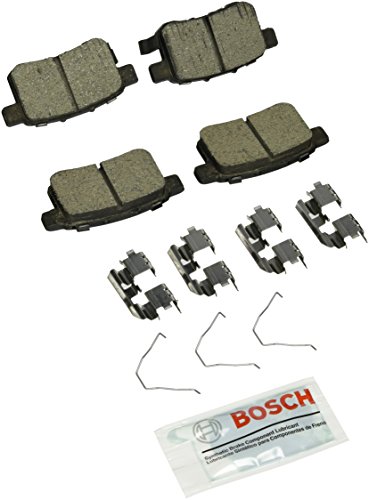 |
BOSCH BC1451 QuietCast Premium Ceramic Disc Brake | Check Price |
6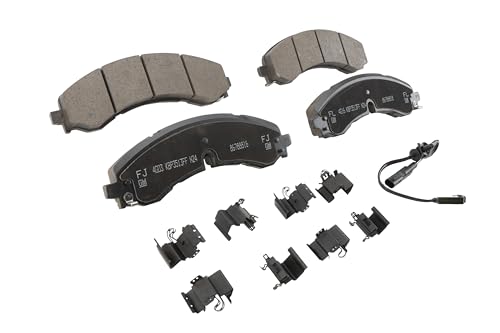 |
GM Genuine Parts 86788820 Front Disc Brake | Check Price |
7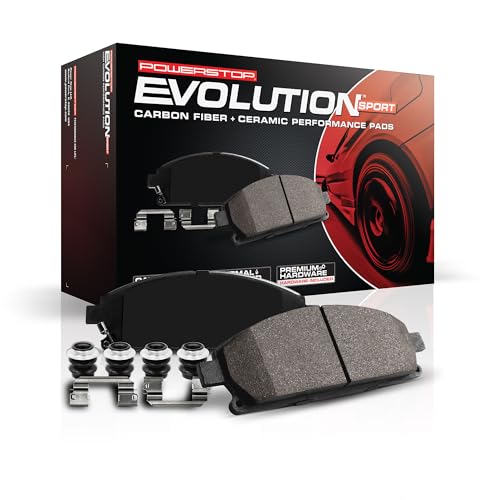 |
PowerStop Z23 Performance Brake Pads Front for | Check Price |
7 Best Brake Pads for Daily Driving: Detailed Reviews
When I chose the best brake pads for daily driving, I paid attention to exact fitment, friction material, noise control, dust, rotor condition, and installation scope. Those details decide whether your commute stays quiet or turns into repeated adjustments, dirty wheels, and another repair visit.
The choices cover pad-only replacements, front axle kits, rear pad sets, and complete front-and-rear packages. Comparing them side by side helps you avoid paying for rotors you do not need, while also showing when a complete kit makes more sense than mixing parts from different packages.
1. R1 Concepts Front Brake Kit Fits 2013-2019
Ceramic pads and balanced blank rotors reduce dust, noise, and vibration for everyday Nissan Sentra driving.
- SizeFEB.67115.02| 11.0″ Front
- MaterialCeramic brake pads
- Rotor TypeBlank brake rotors
- Number Of Items1
R1 Concepts Front Brake Kit suits a compatible 2013-2019 Nissan Sentra owner who needs front pads and rotors in one package.
The kit includes ceramic brake pads and two blank eLINE front rotors. Ceramic friction material is a compound designed to produce controlled stopping with less visible dust and noise than some traditional materials, so the R1 Concepts kit suits a commuter who wants cleaner wheels and a quieter front axle.
The rotors are blank, meaning the braking surface does not use drilled holes or decorative slots. R1 Concepts lists an 11.0-inch front rotor diameter and says the rotors are mill-balanced, which is intended to support smooth rotation and reduce vibration when the parts are installed correctly.
The rotors use G3000 iron grade, a cast iron material used for brake rotor strength and heat handling. That matters during repeated traffic stops because the rotor has to provide a stable surface for the pads instead of adding another source of pedal vibration.
The main watch point is fitment. The kit covers specific Nissan Sentra sedan trims and years, but brake sizes can vary, so check the exact vehicle details and front brake configuration before ordering.
Pros:
- Ceramic pads, lower dust and quieter everyday stops.
- Blank rotors, straightforward replacement surface for normal driving.
- 11.0-inch front diameter, clear size reference for fitment checks.
- Two rotors and four pads, complete front axle coverage.
- Direct-fit design, no listed modification required.
Cons:
- Front axle coverage only, not a complete vehicle brake replacement.
- Fitment is limited to listed Nissan Sentra applications.
- Exact trim and brake size still need confirmation.
Buy it if: you drive a listed Nissan Sentra and need front pads and rotors, because the ceramic pad and blank-rotor combination handles the whole front axle in one package.
Skip it if: you need rear brake parts or drive a different vehicle, because this Nissan Sentra front kit will not cover that job, and a vehicle-specific axle package would suit you better. For another fit, consider Bendix or Max.
I’d pick the R1 Concepts kit first for the right Sentra owner because the package removes the guesswork of pairing new front pads with aging rotors. The low-dust ceramic formula also fits the ordinary commuter who does not want noisy stops or black wheels. Double-check the 11.0-inch size and exact trim before buying.
This kit belongs on the shortlist for a compatible Sentra needing a complete front refresh.
2. Bendix Premium SBC1363 Ceramic Front Brake Pads
Ceramic front pads aim for steady, quieter braking across many Chevrolet, GMC, and Cadillac applications.
- ColorMetallic
- Size1 Count (Pack of 1)
- Release Date2017-08-07T00:00:01Z
- Number Of Items1
Bendix Premium SBC1363 suits drivers of compatible Chevrolet, GMC, or Cadillac vehicles who need front ceramic brake pads rather than a full rotor package.
The pads are designed to OE specifications, meaning the fit, shape, and intended function follow the original-equipment pattern for the listed applications. That approach can make sense for a daily driver because the goal is predictable commuting behavior, not a racing-style setup.
Bendix uses a ceramic friction material intended to reduce brake fade and keep braking consistent. Brake fade is a temporary drop in stopping response after repeated heat buildup, so resistance to fade can matter during long downhill traffic or repeated stop-and-go driving.
The listing covers a wide group of vehicles, including selected Escalade, Silverado, Sierra, Tahoe, Suburban, Yukon, and related applications. Broad coverage is useful, but it also means the vehicle year, trim, axle, and brake package need careful checking before checkout.
This is a pad-only purchase. If the existing rotors are deeply scored, heavily rusted, or below the maker’s service limit, new pads alone may not solve the underlying brake problem.
Pros:
- Ceramic friction material, aimed at quieter daily braking.
- OE-spec design, familiar fit and function for listed vehicles.
- Broad GM application range, useful for many full-size vehicles.
- Wear and corrosion resistance, supports regular commuting use.
- Front pad set, focused replacement for one axle position.
Cons:
- Pads only, so suitable rotors are still required.
- Wide application list makes exact fitment checking essential.
- The listing does not establish a specific service life.
Buy it if: you have a compatible GM, Chevrolet, GMC, or Cadillac vehicle with usable front rotors, because the OE-style ceramic set targets steady everyday braking.
Skip it if: your rotors are damaged or you need parts for both axles, because new front pads alone cannot address worn rotor surfaces, and a complete brake kit would suit you better. R1 and Max are worth a closer look instead.
What I like here is the clear OE-replacement focus and the wide range of full-size vehicle applications. Bendix makes more sense than a complete kit when your rotors remain serviceable and only the front pads need attention. Check the exact vehicle qualifier and axle position before ordering, since the broad fit list is also the main source of risk.
This is a sensible pad-only choice for a compatible GM daily driver.
3. Max Advanced Brakes Front & Rear Brake
The catalog lists Precise Vehicle Compatibility: This brake and rotor kit fits 2019 – 2023 Ford Ranger. Compare fit and care needs before choosing.
- ColorValueMAX
- SizeKT2270
- Number Of Items6
- WeightNot listed; check details
Max Advanced Brakes Ford Ranger Kit suits a 2019-2023 Ford Ranger owner who wants front and rear pads and rotors replaced together.
This kit includes front rotors and pads plus rear rotors and pads. That is a full brake set, so the main benefit is convenience when multiple axles need service at the same time rather than replacing one axle now and returning to the other later.
The rotors are precision-machined cast iron parts with a non-directional finish. A non-directional finish has a consistent surface pattern that helps the new pads make even contact during bedding, the early process where pad material settles onto the rotor.
The pads use a carbon ceramic formulation and are described as low dust and low noise. Carbon ceramic is a friction compound intended to balance clean wheels with dependable stopping for ordinary road use, which suits city traffic, school runs, and routine highway driving.
The listing also describes direct bolt-on installation. That means the package is shaped for the stated Ranger application, but brake work still requires correct torque, clean mounting surfaces, safe lifting, and proper bedding after installation.
Pros:
- Front and rear coverage, one package for a full brake job.
- Carbon ceramic pads, low-dust daily driving focus.
- Cast iron rotors, stable friction surface for routine stops.
- Non-directional finish, supports faster pad bedding.
- Direct bolt-on design, no listed modification required.
Cons:
- Limited to listed 2019-2023 Ford Ranger applications.
- Full kit costs more than a single-axle pad set.
- Replacing good parts on one axle may waste money.
Buy it if: you own a compatible Ford Ranger and both axles need service, because the complete package keeps the front and rear parts matched for one repair session.
Skip it if: only one axle needs pads, because a full Ranger kit adds parts and cost you may not need, and a single-axle replacement would suit you better. If those trade-offs rule it out, R1 or Bendix may suit you better.
To me, the smartest feature is the complete front-and-rear coverage for a Ranger that is due for a broad brake refresh. The carbon ceramic pads and non-directional rotor finish also fit a driver who values quiet, clean routine braking. Verify the Ranger year and the exact brake arrangement before ordering, then plan for careful bedding.
This kit is strongest when several brake components are already due, not when one pad set remains healthy.
4. Acinoparts Front Brake Kit for Cadillac Escalade
The catalog lists Notice: Please read the description and compatibility chart before you place an order. Compare fit and care needs before choosing.
- SizeABK00203
- Front Rotor Diameter12.99 inch, 330mm
- Number Of Items6
- WeightNot listed; check details
Acinoparts Front Brake Kit suits a compatible Cadillac Escalade, Chevrolet Silverado 1500, Tahoe, or GMC Yukon owner who wants front pads and drilled-and-slotted rotors together.
The kit includes two front drilled and slotted rotors plus four ceramic front pads. Drilled holes and slots are channels cut into the rotor surface, and the listed purpose is to help move dust away and improve heat dissipation during braking.
The rotors have a listed 12.99-inch, or 330mm, front diameter. That measurement is useful for checking the existing brake setup, but diameter alone does not prove compatibility because caliper shape, rotor thickness, hub design, and trim can also matter.
The ceramic pads are described as low-noise and clean in operation. That combination may appeal to a daily driver who wants a complete front axle refresh, especially if the current rotor surface is worn and pad-only replacement would leave the old rotor in place.
The listing recommends professional installation and regular checks of the pads and rotors. That is a fair caution because brake work is safety-related, and drilled or slotted surfaces still need correct bedding and proper hardware installation.
Pros:
- Two front rotors and four pads, complete front axle package.
- Ceramic pad formula, lower-noise daily driving goal.
- Drilled and slotted surfaces, designed for dust and heat management.
- 12.99-inch front diameter, useful measurement for fitment checks.
- Hardware included, fewer separate installation pieces to source.
Cons:
- Fitment depends on exact full-size vehicle configuration.
- Drilled and slotted rotors are not needed by every commuter.
- Professional installation is recommended by the listing.
Buy it if: your compatible full-size GM vehicle needs front pads and rotors, because the ceramic pads and complete rotor package replace the main front braking surfaces together.
Skip it if: you want the simplest standard rotor design for calm commuting, because drilled and slotted features may add complexity you do not need, and a plain front brake kit would suit you better.
I’d choose Acinoparts for the buyer who already confirmed the larger front brake size and wants a complete front package. The 12.99-inch measurement gives you a useful starting point, while the ceramic pads address noise and dust concerns. My hesitation is that a large application list can hide trim differences, so verify every fitment detail and use a qualified installer if brake work is outside your comfort zone.
This kit fits a careful full-size GM owner who wants the front axle handled at once.
5. BOSCH BC1451 QuietCast Premium Ceramic Disc Brake
The catalog lists [THE BOSCH ADVANTAGE] – The Bosch QuietCast line draws on over 77 years of OE braking excellence; promising th. Compare fit and care needs before choosing.
- ColorRear
- SizeBC1451
- Number Of Items1
- Noise[QUIETER STOPS] – The industry’s best pre-attached OE style multilayer rubber core shims ensure the highest qu
Bosch QuietCast BC1451 suits a compatible Acura TSX or Honda Accord owner who needs rear ceramic pads for one axle.
The set covers one axle, or two wheels, and includes pads for the rear position. Knowing the axle matters because front and rear pads are shaped differently, and a rear set cannot replace the front pads simply because both parts are called brake pads.
Bosch uses multilayer rubber-core shims attached to the pads. A shim is a thin noise-control layer between the pad and caliper hardware, and the rubber core helps reduce vibration that can become an annoying squeal during light stops.
The backing plates have a powder-coated finish intended to resist rust and corrosion. The backing plate supports the friction material, so protection at the metal plate can help the pad remain sound in wet, salty, or humid driving conditions.
The set also includes hardware where available and synthetic lubricant for sliding contact points. Lubricant belongs only on the specified contact areas, never on the pad face or rotor, because contamination can sharply reduce braking performance.
Pros:
- Rear axle set, clear coverage for two rear wheels.
- Multilayer rubber-core shims, designed to lower brake noise.
- Powder-coated backing plate, added corrosion protection.
- Ceramic friction material, low-dust and quiet operation goal.
- Hardware and lubricant included where available, useful during installation.
Cons:
- Fits only selected Acura TSX and Honda Accord applications.
- Rear pads only, not a full front-and-rear brake set.
- Hardware availability can vary by application.
Buy it if: you drive a compatible Acura TSX or Honda Accord and need rear pads, because the noise-control shim and corrosion-protected backing plate suit normal road use.
Skip it if: your vehicle needs front pads or a complete axle kit, because this rear Bosch set will not cover the front brakes, and a position-matched replacement would suit you better.
What I like about Bosch QuietCast BC1451 is the attention to the small parts that affect daily comfort, especially the shim and backing plate. The rear-only format is also honest, since you are not paying for rotors or an unused front set. Check whether the hardware and lubricant listed apply to your exact application before buying.
This is a good fit for a compatible Accord or TSX owner replacing the rear pads with quiet operation in mind.
6. GM Genuine Parts 86788820 Front Disc Brake
The catalog lists Integrally molded – friction material molded to backing plate for bond integrity. Compare fit and care needs before choosing.
- Number Of Items1
- WeightNot listed; check details
- DimensionsNot listed; check details
- MaterialNot listed; check details
GM Genuine Parts Front Pad Set suits a Chevrolet, Buick, GMC, or Cadillac owner who wants a front OE-style replacement from the vehicle’s parts family.
The friction material is integrally molded to the backing plate. That means the pad compound is formed directly onto the metal support, creating a bonded assembly rather than relying on a loose fit between separate layers.
The set includes shims, slots, and chamfers intended to reduce noise, vibration, and harshness. A chamfer is a beveled edge on the pad, while a slot is a channel through the friction material; both can help control contact behavior as the pad meets the rotor.
GM says the parts are designed and validated for its Chevrolet, Buick, GMC, and Cadillac vehicles. That vehicle-family focus may be useful when keeping an older or newer GM daily driver close to its original parts approach.
The main limitation is sparse fitment detail in the product name and available specifications. Check the exact year, trim, axle, and part number before ordering, and inspect the rotors because a front pad set does not automatically replace worn rotor surfaces.
Pros:
- Integrally molded friction material, bonded pad construction.
- Shims, slots, and chamfers, aimed at quieter braking.
- GM vehicle-family focus, useful for compatible OE applications.
- Front pad set, direct focus for one axle position.
- Backed by General Motors, stated manufacturer support.
Cons:
- Exact vehicle fitment is not fully shown in the title.
- Pads only, so rotors must be checked separately.
- No specific physical size is listed here.
Buy it if: you own a compatible Chevrolet, Buick, GMC, or Cadillac and want an OE-family front pad set, because the molded construction and noise-control features match that need.
Skip it if: you cannot confirm the exact GM application, because an uncertain front pad shape can delay the repair, and a fully fitment-listed set would suit you better.
I’d consider GM Genuine Parts when keeping a compatible GM vehicle close to its original engineering path matters more than buying a complete kit. The molded friction material and built-in noise-control details are useful for a quiet commute. The missing size information means the vehicle lookup deserves extra attention before payment.
This set is best for a GM owner who can confirm the precise application without guessing.
7. PowerStop Z23 Performance Brake Pads Front for
The catalog lists PLEASE CONFIRM YOUR FITMENT: Using the Amazon Confirmed Fit bar at the top of the page or check the Product De. Compare fit and care needs before choosing.
- Warranty12 Month / 12,000 Mile Limited Warranty
- Number Of Items1
- ENHANCED STOPPING POWERUpgraded carbon-fiber ceramic Z23 pads boost stopping power vs OE replacements, rubberized shims and chamferred + s
- WeightNot listed; check details
PowerStop Z23 Front Pads suit a compatible Chevrolet Colorado or GMC Canyon owner who wants a front carbon-fiber ceramic pad upgrade for daily driving.
The set includes two carbon-fiber ceramic front pads and installation hardware. Carbon-fiber ceramic is a friction compound designed here for increased stopping response, low dust, and resistance to fade, which may appeal to a driver who wants more confident repeated stops without moving to a track-focused brake system.
The pads use rubberized shims and chamfered, slotted edges. Rubberized shims help limit vibration, while chamfers and slots shape the pad edges and surface so the pad can meet the rotor with less noise during ordinary braking.
PowerStop lists a direct-fit upgrade for daily driving and a 12-month or 12,000-mile limited warranty. A direct-fit shape can reduce modification concerns, while the warranty gives you a specific coverage period to review before buying.
This is a front pad set, not a rotor package. If the existing rotors have deep grooves, severe corrosion, or excessive wear, the new pads may not deliver the smooth result you expect without addressing the rotor condition too.
Pros:
- Carbon-fiber ceramic material, low-dust daily driving design.
- Fade-resistant formula, supports repeated traffic stops.
- Rubberized shims, aimed at quieter braking.
- Chamfered and slotted pads, help control contact noise.
- 12-month or 12,000-mile warranty, defined coverage period.
Cons:
- Front pads only, no rotors included.
- Fitment is limited to listed Colorado and Canyon applications.
- Existing rotor condition still affects the final result.
Buy it if: you have a compatible Chevrolet Colorado or GMC Canyon and want front pads with carbon-fiber ceramic material, because the low-dust and fade-resistant design suits regular driving.
Skip it if: your rotors need replacement at the same time, because these front pads do not renew the braking surface, and a complete front brake kit would suit you better.
PowerStop Z23 earns its place for the Colorado or Canyon driver who wants a pad-only upgrade with clear noise-control details and a stated warranty. The carbon-fiber ceramic material also gives the set a practical reason to appeal beyond ordinary replacement language. Confirm the exact vehicle fitment and inspect the rotors before ordering.
This is a reasonable choice for a compatible truck owner who wants front pads built around clean, repeated daily stops.
How to Choose the Best Brake Pads for Daily Driving
The best brake pads for daily driving match your vehicle first, then balance noise, dust, heat control, rotor condition, and installation scope. Start with the exact year, trim, engine, axle, and brake package before comparing brand names or friction materials.
Confirm the vehicle and axle
Fitment is the first filter because a pad that looks close can still have the wrong shape, thickness, or mounting points. Enter the vehicle details into the retailer fit checker, then read qualifier notes instead of relying only on the broad year range.
Check whether the listing covers the front or rear axle. Front pads and rear pads are not interchangeable, and a set for two wheels usually covers one axle rather than the whole vehicle.
Decide between pads and a full kit
A pad-only set makes sense when the rotors are smooth, thick enough, and free from serious grooves or corrosion. A pad-and-rotor kit is more practical when the rotor surfaces are worn or when you want the replacement parts installed together.
Complete kits can save a second repair session, but they cost more and may replace parts that still have useful life. Do not buy a full front-and-rear kit merely because the package looks convenient.
Choose friction material for your driving
Ceramic pads are popular for commuting because they are commonly designed for low dust and quiet operation. Carbon-ceramic or carbon-fiber ceramic formulas may add a stronger performance angle, but the exact behavior depends on the vehicle and brake system.
Semi-metallic pads can offer strong heat handling in some applications, though the material may produce more dust or noise. The right choice is the formula listed for your vehicle, not the material that sounds most impressive.
Inspect rotor condition
A rotor is the flat metal disc pressed by the pad. Deep grooves, blue heat marks, heavy rust, cracks, or a vibration that changes with braking are reasons to have the rotor inspected before ordering pads alone.
A smooth rotor does not automatically mean it is serviceable. A technician can measure rotor thickness against the vehicle’s required minimum, which is more reliable than judging by appearance in the driveway.
Think about noise and dust
Look for named features such as shims, chamfers, slots, low-dust formulas, or ceramic material. These features aim at comfort, but proper cleaning, correct hardware, and bedding still matter because a quiet pad can squeal when installed against dirty or damaged parts.
Drivers in snowy areas should also think about corrosion and seasonal road salt. Advice about winter brake pads can help you compare cold, wet, and salted-road concerns before choosing a daily set.
Check the package contents
Read whether the box includes pads for one axle, rotors, clips, shims, lubricant, or installation hardware. A package described as one count may still be a set for two wheels, so confirm the contents instead of assuming the number means one pad.
A good comparison of brake pad choices can also help you separate a pad’s friction material from the hardware and rotor requirements around it.
Consider your driving pattern
Short city trips create frequent heat cycles and repeated stops, while highway commuting may place more value on smooth, quiet braking and clean wheel operation. Towing, steep hills, heavy loads, and mountain roads require closer attention to heat capacity than a flat suburban commute.
For a normal sedan or light truck, choose a pad listed for the vehicle and intended for street use. Do not assume a performance label is automatically better for calm daily driving.
How to Use Brake Pads for the Best Results
New brake pads need correct installation and bedding before they reach their normal contact pattern. Use the vehicle service instructions, keep friction surfaces clean, and give the brakes several controlled stops before judging noise or pedal feel.
- Confirm the correct pad position and compare the new parts with the old set before removing anything.
- Clean the hub and caliper contact areas so rust does not hold the rotor crooked.
- Keep grease, lubricant, and fingerprints off the pad face and rotor surface.
- Check that clips, shims, pins, and slide points are installed in the correct locations.
- Tighten wheel and brake hardware to the vehicle maker’s stated torque, not a guess.
- Press the brake pedal several times before moving so the pads contact the rotor.
- Drive slowly in a safe area and confirm the vehicle stops straight with no warning lights.
- Follow the pad maker’s bedding directions, using moderate stops and cooling time rather than one long hard brake application.
During bedding, a mild smell or light change in pedal feel can occur as surfaces settle, but strong pulling, grinding, smoke, or a soft pedal needs immediate attention. Do not continue driving to see if a serious brake symptom disappears.
For deeper rotor-focused guidance, review daily-driving brake rotors alongside the pad instructions because pad and rotor surfaces work as one braking pair.
How to Make Your Brake Pads Last Longer
Smooth driving, clean hardware, and timely inspections help brake pads wear evenly. No pad lasts a fixed number of miles because traffic, hills, vehicle weight, driving style, and rotor condition change the workload.
Avoid holding the brake pedal down hard at every red light when traffic allows you to leave a safe gap and roll gently. Repeated heavy braking turns motion into heat, and excess heat can shorten pad life or cause fade.
Use the correct lubricant only on caliper slide points and pad contact areas named in the service instructions. Never place lubricant on the friction face, rotor, or tire, since contamination can reduce braking and damage nearby rubber parts.
Have the brakes inspected at tire rotations or oil-service intervals. Ask for pad thickness, rotor condition, slide movement, hardware condition, and uneven wear instead of accepting a vague statement that the brakes look fine.
Wash road salt and heavy grime from wheels and brake areas when practical, especially after winter driving. Do not spray cold water onto extremely hot rotors, because a sudden temperature change can stress hot components.
Pay attention to changes in sound and feel. A new grinding noise, steering shake under braking, pull to one side, pulsating pedal, or warning light deserves prompt inspection rather than another month of commuting.
Common Mistakes to Avoid When Buying and Using Brake Pads
Most brake problems after a replacement come from a mismatch, skipped inspection, dirty installation, or incorrect break-in. These mistakes are easy to avoid when you slow down before ordering and treat the brake job as a complete system.
- Buying by year alone: The same vehicle year can use different brake packages, so verify trim, axle, engine, and rotor size.
- Assuming one set covers all four wheels: Many boxes cover one axle, so read whether the package is front, rear, or full vehicle.
- Replacing pads over damaged rotors: Grooves and severe corrosion can prevent even contact, so have rotor thickness and surface checked.
- Mixing up front and rear positions: Pad shapes differ by axle, so compare the new pads with the removed parts before installation.
- Ignoring included hardware: Old clips and shims can create noise, so use the supplied hardware when the application calls for it.
- Putting grease on the friction surface: Contamination can reduce braking, so lubricate only the listed sliding or contact points.
- Skipping bedding: New surfaces need controlled contact, so follow the maker’s break-in directions before demanding repeated hard stops.
A complete comparison of brake pads and rotors is useful when both parts need replacement, but a full kit is wasteful when only one pad set is due.
How to Set Up Brake Pads
Brake installation is a safety repair, and the correct tools, lifting points, torque values, and service instructions matter. If you do not have a stable way to support the vehicle or cannot identify the caliper hardware, use a qualified technician.
- Park on a level surface, set the parking brake, and loosen the wheel fasteners slightly before lifting.
- Support the vehicle with rated stands at the correct points, since a jack alone is not a safe work platform.
- Remove the wheel and photograph the existing hardware, which helps when several clips or shims look similar.
- Remove the caliper without letting the brake hose carry its weight, because stretching the hose can create a serious problem.
- Compare the new pad shape, wear indicator, shim, and hardware with the removed parts.
- Clean the bracket and hub, then install the clips and pads in their intended positions.
- Reinstall the caliper, tighten fasteners to the specified torque, and confirm the rotor turns without abnormal contact.
- Refit the wheel, lower the vehicle safely, torque the wheel fasteners, and pump the pedal before driving.
A pad job may also reveal seized slide pins, a leaking caliper, a damaged hose, or a rotor that needs replacement. Stop the installation and correct those issues rather than forcing new pads into a brake system that cannot move freely.
Common Questions About Brake Pads for Daily Driving
Are ceramic brake pads good for daily driving?
Ceramic brake pads are often a good daily-driving choice when the vehicle application calls for them and the buyer wants low dust and quiet operation. They are not automatically better for every vehicle, so confirm the listed fitment, intended use, and rotor condition before choosing ceramic over another approved friction material.
How often should daily-driver brake pads be replaced?
Brake pads should be replaced when they reach the vehicle maker’s minimum thickness or show unsafe damage, not at one universal mileage. City traffic, hills, heavy loads, towing, rust, and driving habits change wear, so ask for a thickness measurement during routine service instead of guessing from the calendar.
Do new brake pads need new rotors?
New brake pads do not always require new rotors, but the rotors must be smooth, thick enough, and free from serious grooves or corrosion. If a rotor is below its service limit or causes vibration, replacing pads alone can leave the braking problem in place.
Are brake pads sold for two wheels or four wheels?
Most brake pad sets cover one axle, meaning two wheels, although package wording varies. Read the contents carefully and look for terms such as front axle, rear axle, four pads, or full front-and-rear kit before ordering.
Why do new brake pads squeak?
New brake pads can squeak because of vibration, dirty contact surfaces, old hardware, uneven bedding, or a pad and rotor mismatch. A brief change during bedding may settle, but grinding, strong vibration, pulling, smoke, or a soft pedal needs prompt inspection.
Are performance brake pads useful for a regular commute?
Performance-oriented pads are useful when your vehicle, load, hills, or repeated hard stops demand their heat behavior. For an ordinary commute, a correctly fitted street pad with good noise and dust control is often more sensible than paying for features you will rarely use.
Make the Next Brake Purchase Carefully
The safest next step is to write down your vehicle year, trim, axle position, and current rotor condition before opening a product page. Then confirm the package contents, compare the listed brake size or part number, and choose a qualified installer if the fitment or repair procedure leaves any doubt.