Why Won’t My Parking Brake Disengage? Common Causes and Fixes
Your parking brake may not disengage because its cable is seized, its rear brake mechanism is stuck, its components have frozen, or an electronic parking brake cannot complete the release command. Sometimes the brake has released normally but a warning light remains on because of a sensor or another brake-system fault.
The most important clue is what happens when you use the release control. A hand lever that drops without resistance suggests a different problem from a lever that will not move. An electric parking brake that displays “Press Brake and Switch” may simply need the correct release procedure, while one displaying a malfunction message may require repairs.
Do not force the vehicle to move against a brake that remains applied. Doing so can overheat the rear brakes and damage parts that would otherwise be repairable. This guide explains the common causes, how to tell if the brake is actually stuck, safe release checks for mechanical and electronic systems, and when a tow or professional diagnosis is the right next step.
Why Won’t My Parking Brake Disengage After I Release It?
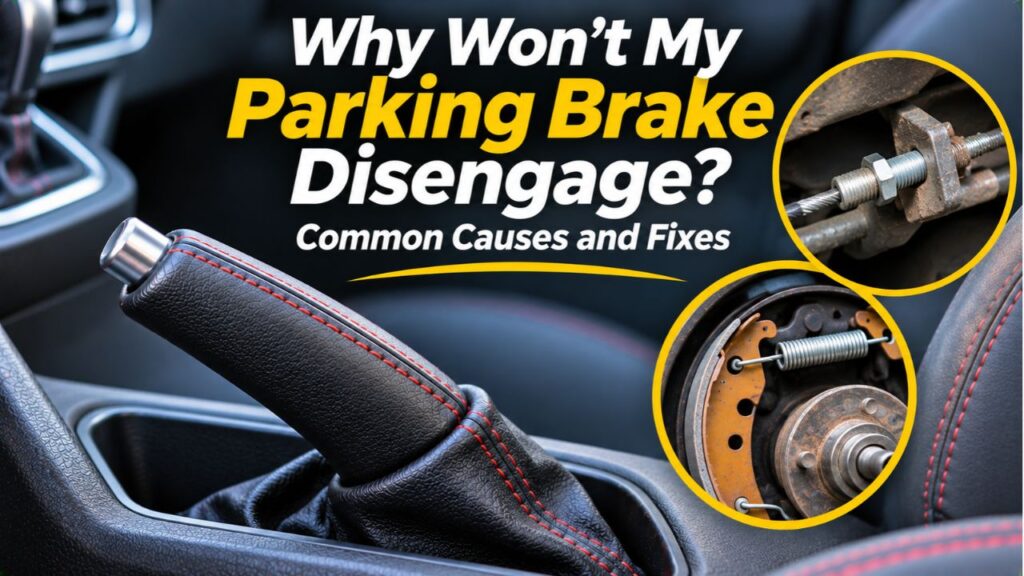
The parking brake must do two things: apply enough force to hold the car and then let its mechanism return fully when released. A problem anywhere between the control and the rear brakes can interrupt that return.
On a cable-operated parking brake, a hand lever or foot pedal pulls steel cables that operate levers at the rear brakes. A rusty cable can remain under tension even after you operate the release. On rear drum brakes, sticking shoes, springs, or adjustment hardware can also keep the drum from turning freely.
An electronic parking brake (EPB) uses a switch and control electronics to operate a motor or cable actuator. Low battery voltage, a control fault, or a seized rear caliper can prevent release. Some electronic systems also refuse an automatic release until specific conditions are met, such as pressing the service-brake pedal.
According to AutoZone’s guide to a stuck parking brake, corrosion, stuck brake hardware, and moisture freezing inside cables are recognized causes of a parking brake that will not release. The exact failure still needs to be identified on the vehicle.
How to Tell If the Parking Brake Is Still Applied
A warning lamp alone cannot prove that the shoes or pads are physically gripping. Check the symptom without attempting to drive through the resistance.
- Lever or pedal will not return: A jammed release mechanism, cable, or linkage may still be holding the brakes.
- Lever returns but the vehicle feels held back: The cable or rear brake hardware may remain seized even though the cabin control moved.
- Electric motor clicks but brake stays applied: The actuator may be unable to move the mechanism, or the control system may have recorded a fault.
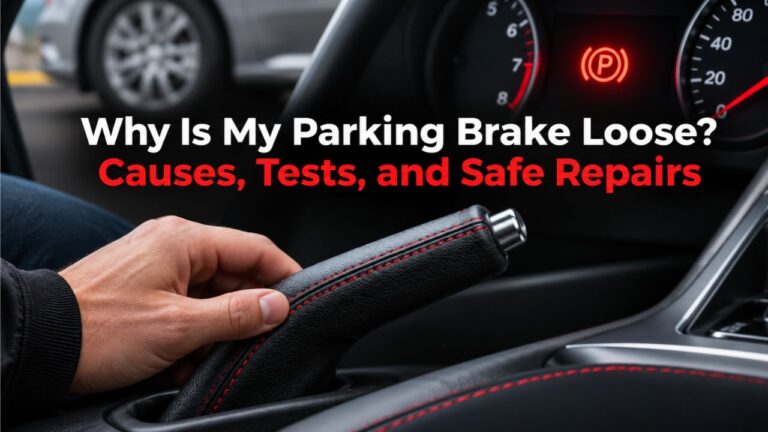
- Only the red brake lamp remains illuminated: There may be an indicator-switch problem, low brake fluid, or another service-brake warning rather than a mechanically stuck parking brake.
- Burning odor or excessive heat near a wheel: The brake may be dragging. Never touch a suspected hot rotor or drum to confirm it.
If the regular brake pedal feels soft, sinks, or does not stop the vehicle normally, treat that as a separate urgent hydraulic-brake concern.
How to Release a Parking Brake That Will Not Disengage
These are preliminary checks for a stationary vehicle, not instructions to force a defective brake open. Use the owner’s manual for your model, and stop when the control, brake hardware, or warning behavior does not match the expected result.
Step 01: Secure the Vehicle on Level Ground
If the problem appears while driving, pull over safely and stop. If the car is already parked with the brake stuck, do not drive it to another location. Keep your foot on the regular brake pedal and secure the transmission in Park or the manufacturer’s recommended manual-transmission gear.
If you need to release a parking brake that is holding the car, position suitable wheel chocks so the vehicle cannot roll. If the car is immobile on a slope, do not release it without a safe means of restraint. Never crawl beneath a vehicle supported only by a jack or rely on a stuck parking brake as the sole restraint during inspection.
Step 02: Check the Warning Message and Brake Type
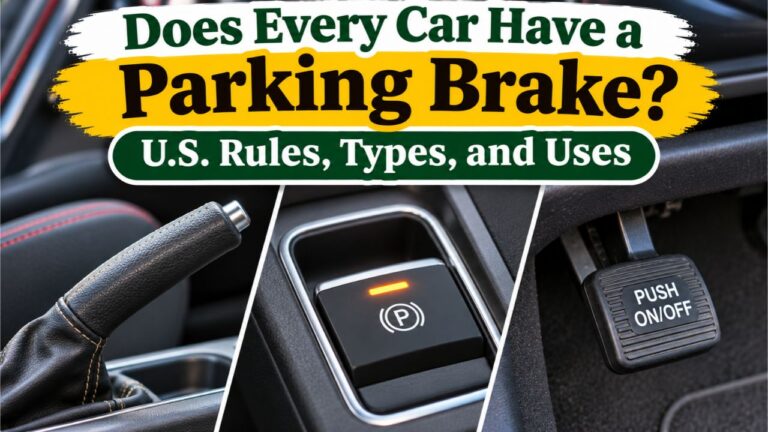
Identify whether you have a pull-up hand lever, a foot-operated parking brake pedal, or an EPB switch marked with a circled P. Read the exact dashboard message before touching the control again. “Parking Brake On” differs from “Parking Brake Not Released” or “Parking Brake Malfunction.”
Look for other illuminated indicators, particularly red BRAKE, ABS, or battery warnings. Record the messages or take a photo. If the vehicle’s manual directs you not to operate the EPB when a fault is present, follow that instruction rather than cycling the switch.
Step 03: Release a Hand Lever Using Its Normal Mechanism
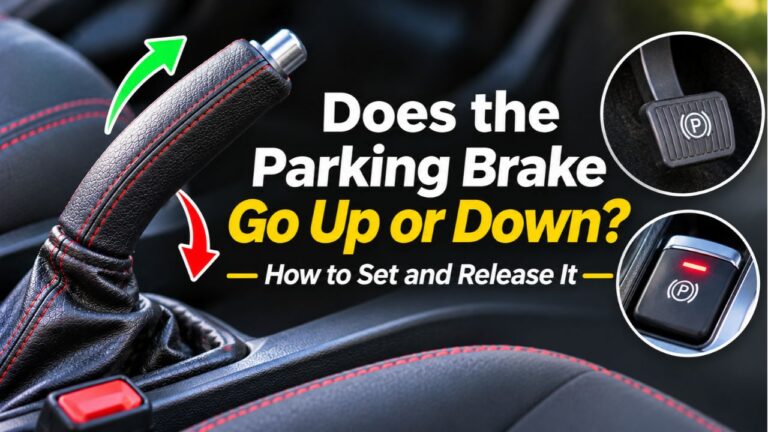
For a conventional handbrake, press the regular foot brake. Lift the hand lever slightly if needed to unload its ratchet, depress the release button, and lower the lever completely. Do not yank it higher or strike the mechanism. The control should settle at its normal released position.
If the button will not move or the lever feels jammed, stop applying force. A damaged ratchet, pivot, or cable can be responsible. If the lever lowers but the rear brakes remain applied, the fault may be at the cable or wheel-end hardware rather than the handle.
Step 04: Check the Release Method for a Foot Parking Brake
Foot-operated parking brakes have different release designs. Some release when you press the small pedal a second time; others use a separate handle near the lower dashboard. Keep the service brake depressed and follow the release method specified for the vehicle.
If the pedal remains down, returns only partway, or the release handle moves without freeing the brakes, do not repeatedly stamp on the pedal. A binding linkage, broken return spring, or seized cable may need repair. Confirm that floor mats and nearby trim are not obstructing the pedal.
Step 05: Try the Documented Electronic Parking Brake Release
For many EPB-equipped vehicles, switch the ignition or vehicle power to ON, press and hold the regular brake pedal, then press the EPB switch in its release direction. Check whether the parking-brake indicator goes out. Some systems require the driver door to be closed, a seat belt fastened, or other conditions before automatic drive-away release.
Ford’s electric parking brake instructions describe an ignition-on, brake-pedal-down, switch-press sequence for the illustrated Ford system. Use that sequence only if it matches your owner’s manual. Do not press the accelerator to overpower a brake that has failed to release.
Step 06: Consider Battery Voltage and Recent Brake Service
If the EPB makes no sound or the displays flicker, a weak 12-volt battery may be preventing motor operation. Recent jump-starting, battery disconnection, or rear pad replacement can also help explain the timing. Do not assume a lack of motor noise proves the actuator has failed.
Check the vehicle’s battery and jump-start instructions before connecting outside power. Hybrids and electric vehicles may have special procedures. Some systems require a model-specific initialization after battery work; others require electronic fault diagnosis. Do not unplug an EPB motor or retract a caliper piston manually as a shortcut.
Step 07: Check for Cold-Weather Binding Without Forcing Movement
If the brake stuck after freezing rain, snow, or a car wash, moisture may have frozen around the cable or friction hardware. Allow the vehicle to thaw in a safe, suitably heated location when practical. An ordinary change in temperature may free a temporarily frozen mechanism, but repeated freezing suggests water entry or damaged parts.
Do not use an open flame, boiling water, or uncontrolled heat near brake components, fuel lines, or wiring. Do not rock the car between Drive and Reverse to break the brake loose. If thawing does not restore normal release, the hardware still needs inspection.
Step 08: Stop if the Brake Remains Stuck or Shows a Fault
If the control operates but the vehicle still resists rolling, the brake may be mechanically seized. It may require wheel removal, cable inspection, drum disassembly, or electronic diagnostics. These are workshop repairs, particularly if the car cannot be safely lifted or secured.
Do not disconnect a parking brake cable, loosen a hydraulic bleeder, or remove an EPB actuator simply to make the car move. If release cannot be confirmed, arrange recovery that keeps locked wheels from being dragged across the road.
Why Mechanical Parking Brakes Commonly Stay Stuck
Rusted or Frayed Parking Brake Cables
Water and road salt can enter a worn cable sheath. Rust then increases friction, so the cable does not slide back when the handle is released. A broken strand may snag inside the housing. A cable can also bind at its equalizer, guide, or connection to a rear caliper lever.
A severely corroded, frayed, or kinked cable should be replaced with the correctly routed part. Spraying lubricant onto an accessible joint may not correct corrosion deep inside the sheath and must never contaminate pads, shoes, or rotors.
Sticking Drum Shoes, Springs, or Rear Calipers
Rear drum brakes rely on return springs and correctly moving hardware. Rusted shoes may adhere to the drum after prolonged parking, or a lever may remain in the applied position. On rear disc systems, the parking mechanism inside the caliper or a separate drum-in-hat arrangement can stick.
Improper adjustment can also hold friction material against the drum. Tightening a parking brake cable will not cure a seized lever or broken return spring and can make drag worse.
Why an Electric Parking Brake Refuses to Release
An EPB motor needs adequate electrical power and a mechanism that can move. A weak battery, failed switch, damaged wiring near the rear wheel, or a seized caliper can all interrupt release. Some models also refuse automatic release when a door is open or a required control input is missing.
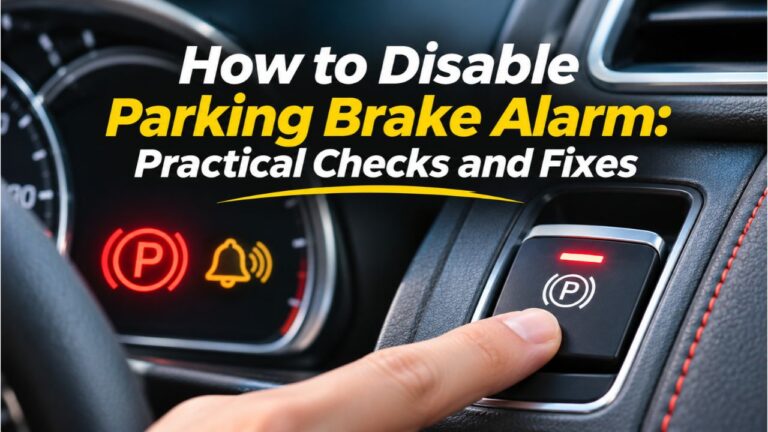
A flashing EPB indicator, repeated warning tone, or message saying “Not Released” deserves attention even if the switch sounds normal. The correct repair may require reading parking-brake module fault codes and performing a manufacturer-specified service procedure. Turning off automatic parking-brake application is not the same as fixing a brake that cannot disengage.
Can You Drive If the Parking Brake Will Not Release?
No. Do not drive against a parking brake that remains engaged or partly engaged. The friction can rapidly overheat pads, shoes, rotors, drums, and nearby seals. A vehicle that moves under engine power is not proof that the brakes have released safely.
Hyundai’s official EPB instructions tell owners to use a flatbed tow truck and have the vehicle checked when the electronic parking brake cannot release normally. That guidance applies to the documented Hyundai system and reinforces the safer choice when a locked brake cannot be freed correctly.
If the brake seems released but a red BRAKE warning remains on, check the manual and have the service-brake system evaluated. Low fluid or another hydraulic fault may be involved; do not ignore the indicator just because the car rolls freely.
What a Repair Shop Checks and How to Prevent Repeat Sticking
A technician starts by identifying whether the control, cable, actuator, or brake assembly is still applying force. For mechanical systems, this may involve examining cable travel, pivots, adjustment, return springs, and rear friction hardware. For an EPB, a diagnostic scan can identify switch, voltage, motor, and control-module faults before parts are replaced.
Repair costs depend on whether the fix is a simple adjustment, a cable, a damaged caliper, or an electric actuator. After repair, the parking brake must hold securely when applied and release completely without drag. Keep cables, boots, and rear brake hardware inspected, particularly where winter road salt is common, and address damaged seals before water causes another seizure.
FAQs About Why Won’t My Parking Brake Disengage
Can a Parking Brake Stay Stuck Even After the Lever Goes Down?
Yes. The lever can release while a cable, rear caliper lever, or drum-brake mechanism remains seized. Normal handle movement does not guarantee that the wheel brakes have returned.
Will a Dead Battery Keep an Electronic Parking Brake On?
It can. Some EPB systems cannot operate their release motors without sufficient 12-volt power. Follow the correct battery recovery procedure rather than disconnecting the actuator or trying to drive through the brake.
Can a Parking Brake Freeze Overnight?
Yes. Trapped moisture can freeze in cable housings or around brake hardware during cold weather. Safe thawing may help, but recurring sticking calls for inspection and repair.
Why Is My Parking Brake Light Still On After Release?
The brake may still be partly applied, or the light may indicate a switch, EPB, or hydraulic brake-system fault. Check other warnings and the vehicle manual before attempting to drive.
Can I Release a Stuck Parking Brake by Driving Forward?
No. Forcing the vehicle to move can overheat and damage the brakes. If a normal release attempt fails, use appropriate recovery or professional service rather than engine power.
Get the Parking Brake Fully Released Before Driving Again
If you’re wondering why won’t my parking brake disengage, first distinguish a control that was not released correctly from a cable, brake mechanism, or electronic actuator that is genuinely stuck. Rust, freezing, low electrical power, and damaged rear brake components are all possible explanations, but their repairs are different.
Follow the normal release procedure only while the vehicle is safely secured. If the wheel brakes remain applied, the system reports a fault, or normal braking feels abnormal, arrange inspection or towing. A reliable repair must restore both secure parking-brake holding and complete release without drag.