Why Is Brake Fluid So Corrosive: What to Know and Why It Matters
Brake fluid is corrosive because it is a hygroscopic liquid that aggressively absorbs water and, once contaminated, forms acidic compounds that attack metals, plastics, and paint. Below, I explain the chemical reasons behind this corrosiveness, the specific conditions that make it worse, and the practical safety steps you need to protect your vehicle and yourself.
To understand why brake fluid demands respect, it helps to look at two contrasting situations. Imagine a driver who notices a small, sticky spill on their garage floor after topping off the reservoir. They wipe it up quickly, think little of it, and go inside.
A week later, they see the paint on their wheel well bubbling and peeling, and the clear coat on their driveway is stained. The rushed decision was to treat the fluid like any other automotive liquid, like washer solvent or coolant, which led to costly cosmetic damage.
Now, consider a second driver who sees the same spill but also notices the rubber boot on a caliper is swollen and soft. They decide to investigate further, checking the fluid’s color and smelling it. Because they took the time to understand that the fluid is not just a lubricant but a chemically active agent, they flush the entire system before the acidic fluid eats through the brake lines from the inside.
The difference between these two outcomes is not luck; it is an understanding of the fluid’s fundamental nature and the hidden damage that occurs when its chemical balance shifts.
The Chemistry of Corrosion
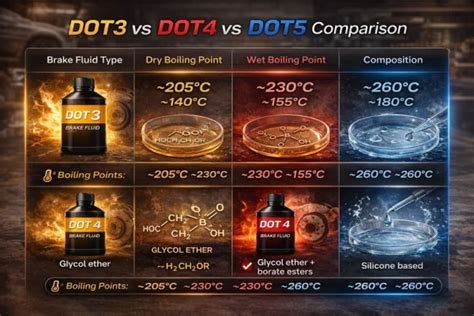
The primary reason brake fluid becomes corrosive lies in its base chemistry. Most modern vehicles use DOT 3 or DOT 4 brake fluid, which are formulated from glycol ethers. These compounds are excellent at transferring hydraulic pressure, but they have a significant flaw: they are highly hygroscopic.
This means the fluid actively pulls moisture from the air through the rubber hoses, the reservoir vent, and any microscopic gaps in the system. Even in a perfectly sealed car, the fluid will absorb water over time. Once the water content reaches a certain level, the mixture begins to break down.
The corrosion process is a direct result of this water contamination. The water lowers the fluid’s boiling point, which causes the fluid to vaporize under hard braking, leading to a spongy pedal. More importantly for corrosion, the water creates an environment where electrochemical reactions can occur.
The metal components in your braking system—typically cast iron, steel, copper, and aluminum—act as electrodes. The contaminated fluid acts as an electrolyte, allowing ions to move between these different metals. This creates a small electrical current that literally eats away at the metal surfaces.
This process is not uniform. It often targets the caliper pistons, the internal walls of the steel brake lines, and the anti-lock braking system (ABS) modulator valves. The corrosion is not just surface rust; it is pitting and flaking that can create rough surfaces, leading to seal failure and eventual brake system failure.
The Role of Additives and Temperature
Brake fluid is not just a simple solvent. Manufacturers add specific corrosion inhibitors to the formula to protect the internal metal parts. These inhibitors form a thin, protective layer on the metal surfaces, preventing the water and acids from making direct contact.
However, these inhibitors have a finite lifespan. They are consumed during the neutralization of acids that form as the fluid ages. When the fluid is subjected to high temperatures—such as during heavy traffic, mountain driving, or towing—the chemical breakdown accelerates.
The heat causes the inhibitors to degrade faster, and it also causes the fluid itself to oxidize.
Oxidation is a critical factor. When the hot glycol ethers react with oxygen, they form organic acids, such as formic acid and acetic acid. These are the same types of acids found in ant stings and vinegar, and they are highly corrosive to the metals used in brake systems.
This is why old brake fluid often smells burnt and has a dark, almost black appearance; that color change is a visual indicator of acid formation and inhibitor depletion.
Why Brake Fluid Damages Paint and Skin
The corrosiveness of brake fluid is not limited to the internal metal components. Its effect on automotive paint is often the first thing car owners notice. The glycol ethers in the fluid are powerful solvents.
When brake fluid sits on a painted surface, it does not just bead up like water; it penetrates the clear coat and begins to dissolve the chemical bonds in the paint layer.
This is why a spill that is left for even a few minutes can cause the paint to wrinkle, soften, and peel. The damage is often irreversible without a respray. The fluid acts as a paint stripper, breaking down the urethane or acrylic resins.
Similarly, the fluid is a skin irritant. While it might not cause an immediate chemical burn like acid, it strips the natural oils from your skin. Prolonged or repeated contact can lead to dermatitis, dryness, and cracking.
More concerning is that the contaminated fluid contains heavy metal particles and acids that can be absorbed through the skin. While a single splash is not a medical emergency, it is wise to wash it off immediately with soap and water.
The Danger of Silicone-Based Fluids: A Different Corrosion Profile
It is important to note that not all brake fluids behave the same way. DOT 5 brake fluid is silicone-based, not glycol-based. This fluid is not hygroscopic; it repels water.
Because it does not absorb moisture, it does not cause the same internal rust and corrosion issues as DOT 3 or DOT 4 fluids.
However, this creates a different set of problems. Since DOT 5 does not absorb water, any water that gets into the system pools in low spots, such as the calipers or the master cylinder. This pooled water can cause localized rust and freezing in cold climates.
Furthermore, DOT 5 fluid is highly compressible due to its silicone nature, which leads to a soft, spongy brake pedal feel.
DOT 5 fluid is also extremely damaging to paint, perhaps even more so than glycol-based fluids, because it spreads quickly and is difficult to remove. It is also incompatible with ABS systems designed for glycol fluids, as it can cause the valves to stick. Therefore, when discussing why brake fluid is corrosive, you must distinguish between the chemical rusting caused by water absorption in DOT 3/4 and the physical damage caused by solvent action in DOT 5.
The Cost of Ignoring Corrosion
The internal corrosion caused by old brake fluid is a silent killer. You will not see the damage until a component fails. The most common failure point is the brake caliper.
As the piston corrodes, the smooth surface becomes rough. This tears the rubber seal, causing fluid to leak out and air to enter the system.
Another critical area is the master cylinder. Corrosion in the bore can score the cylinder walls, causing internal leaks. This results in a brake pedal that slowly sinks to the floor while you are stopped at a red light.
This is a dangerous condition that requires immediate attention.
The ABS pump is also vulnerable. The small, precise valves inside the pump can become clogged with corrosion particles, rendering the ABS system inoperative. Replacing an ABS module is expensive, often costing more than a complete brake pad and rotor replacement.
Practical Steps to Prevent Corrosion
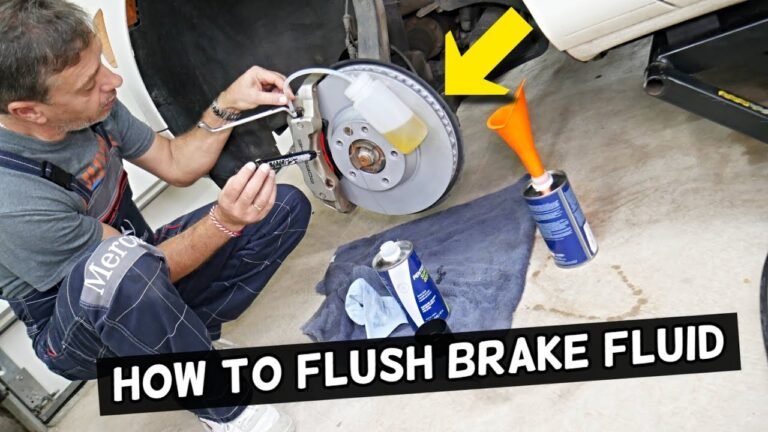
Preventing brake fluid corrosion is straightforward but requires routine maintenance. The most effective step is to flush the brake fluid every two years or every 30,000 miles, whichever comes first. This is not a suggestion; it is a requirement for system longevity.
The flush removes the old, acidic, water-laden fluid and replaces it with fresh fluid that has active corrosion inhibitors.
When performing any work on the brake system, use only fluid from a sealed container. Once a bottle is opened, the fluid begins absorbing moisture from the air immediately. Do not store an opened bottle for future use; the fluid inside will be contaminated and will introduce water into your system.
If you spill brake fluid, act immediately. Wipe it up with a rag, then use a dedicated brake cleaner or soapy water to neutralize the residue. Do not let it sit on painted surfaces, plastic wheel liners, or rubber bushings.
For skin contact, wash thoroughly.
Recognizing the Signs of Internal Corrosion
You do not need to tear apart your brake system to know if corrosion is occurring. There are several signs that indicate the fluid is compromised.
- Dark or cloudy fluid: Fresh DOT 3/4 fluid is almost clear with a slight amber tint. If the fluid in the reservoir looks dark brown or black, it is heavily contaminated with oxidation byproducts and worn seal material.
- Spongy or soft brake pedal: This indicates air in the system or vaporized fluid, both of which are caused by water contamination and the resulting high temperatures.
- Visible rust on calipers: While external rust on the rotor is normal, rust on the caliper body or the bleeder valves indicates that moisture is present and the protective coating has failed.
- Uneven brake pad wear: Corrosion on the caliper slide pins can prevent the caliper from floating properly, causing one pad to wear faster than the other.
The Bottom Line on Handling and Disposal
Because of its corrosive nature, brake fluid is classified as a hazardous waste. Never pour it down the drain, onto the ground, or into a regular trash can. The heavy metals and chemicals can contaminate groundwater.
Collect used fluid in a sealed container and take it to a local auto parts store or hazardous waste collection facility.
When handling the fluid, wear nitrile gloves. Latex gloves are not sufficient because the glycol ethers can break down latex quickly. Safety glasses are also recommended to prevent splashes into the eyes, which can cause severe irritation.
Why Professional Help Is Often Necessary
While checking the fluid level is a simple DIY task, a full brake fluid flush is a job best left to a professional if you lack the proper tools. The process requires bleeding all four calipers in a specific order to remove all air from the system. If you have an ABS system, some of the old fluid is trapped in the modulator and may require a scan tool to cycle the valves and purge the old fluid.
A professional mechanic will also inspect the condition of the rubber lines and calipers while the fluid is being flushed. They can identify early signs of corrosion damage that you might miss. The cost of a professional flush is minimal compared to the cost of replacing corroded calipers, a master cylinder, or an ABS pump.
Conclusion
Brake fluid is corrosive because it is a chemical solvent that absorbs water and forms destructive acids over time. This process attacks the metal components of your braking system from the inside and damages paint and skin on the outside. The key takeaway is that brake fluid is a service item, not a lifetime fluid.
Ignoring its degradation leads to expensive repairs and dangerous brake failure. The safest next step is to check your owner’s manual for the recommended brake fluid service interval and schedule a flush if you cannot confirm the last time it was performed. Do not wait for a warning light or a soft pedal to take action; by then, the corrosive damage has already begun.